EN
ENDEALER

10.621 US$DEALER
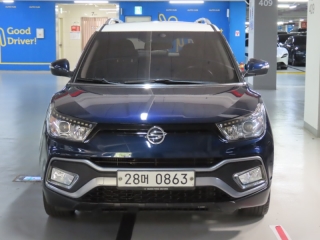
2017, diesel, automatic, 118K km, All Wheels Drive, 115 hp

notadir.benni.is
 Iceland
 Iceland
 South Korea, SeoulByeongmokgol, South Korea
 Yangpyeong-dong, South Korea
 South Korea
The SsangYong XLV stands out in the compact crossover segment with its practical size, comfortable ride, and versatile interior. If you’re in the market to buy or sell a SsangYong XLV, understanding the model’s generation, engine options, body style, and typical price ranges helps you make a confident decision. This guide focuses on real-world considerations for buyers and sellers in urban areas, including how to compare versions, evaluate mileage, and estimate value.
The XLV is commonly found as a compact crossover with a practical footprint suitable for city driving and weekend getaways. Key details buyers often consider include the generation, year, mileage, fuel type, and body style. Platforms and marketplaces frequently feature options with petrol or diesel engines, with various trim levels offering different levels of equipment, from essentials to comfort features. For sellers, presenting a clear history of the car’s usage, service records, and recent maintenance can help attract serious offers.
When shopping for a SsangYong XLV, price segments vary by year and mileage. Look for examples in the mid-to-late generation, typically with reasonable mileage for the year. Common questions buyers ask include:
For sellers, honesty about the vehicle’s condition is crucial. Gather service receipts, confirm alignment and brakes are in good order, and disclose any past repairs. High-quality photos of the exterior and interior help buyers assess the car quickly and accurately.
Whether you’re in a busy city center or a nearby town, knowing the specific year, mileage, and country context will help you set realistic expectations for price and availability. A well-presented listing that highlights the key details—brand, model, generation, year, mileage, and fuel type—will attract more serious inquiries and smoother negotiations.
 Add as preferred sourceSee more from zvelta in Google Search Add as preferred source