 EN
ENDEALER
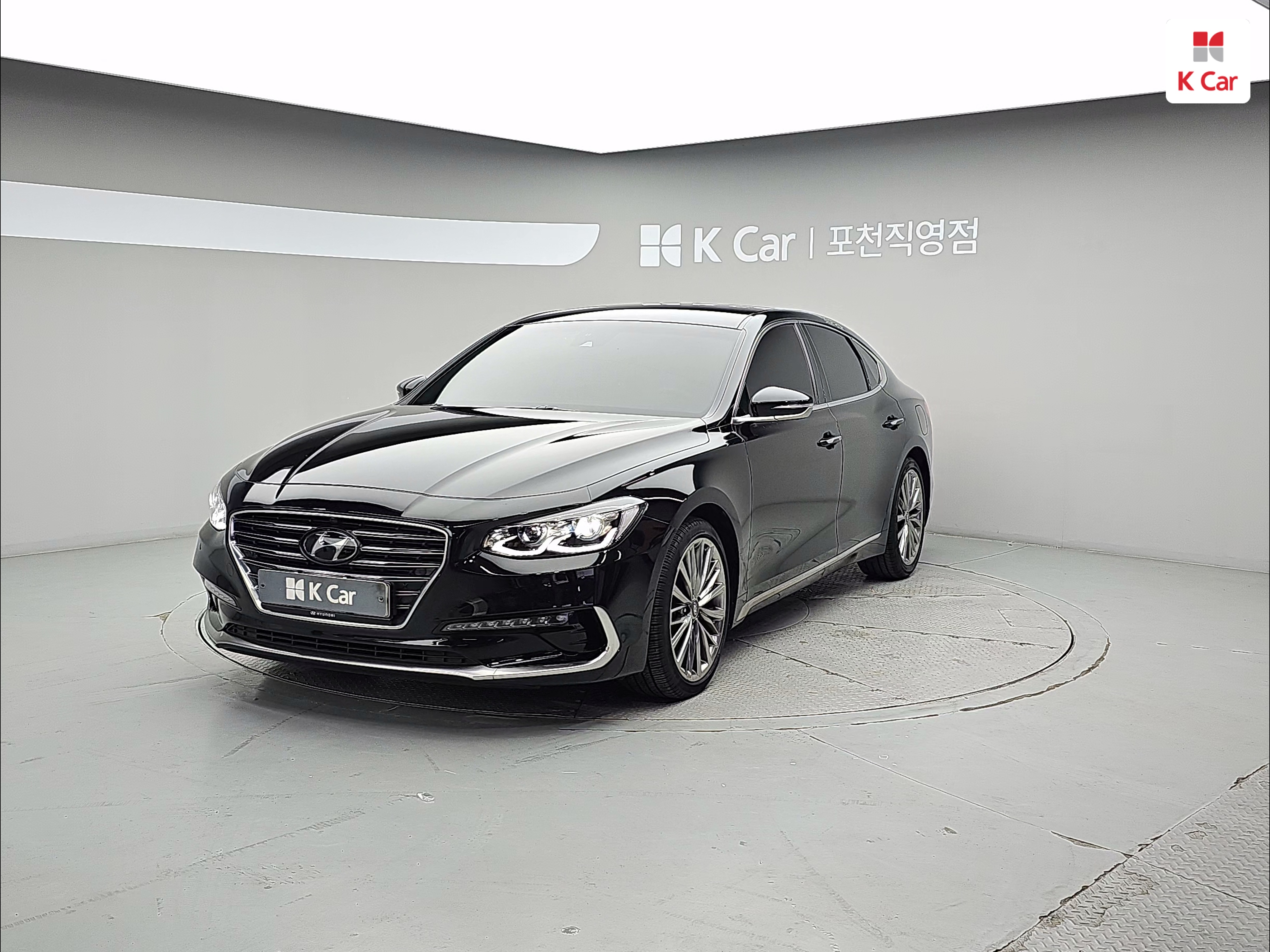
12.153 US$DEALER
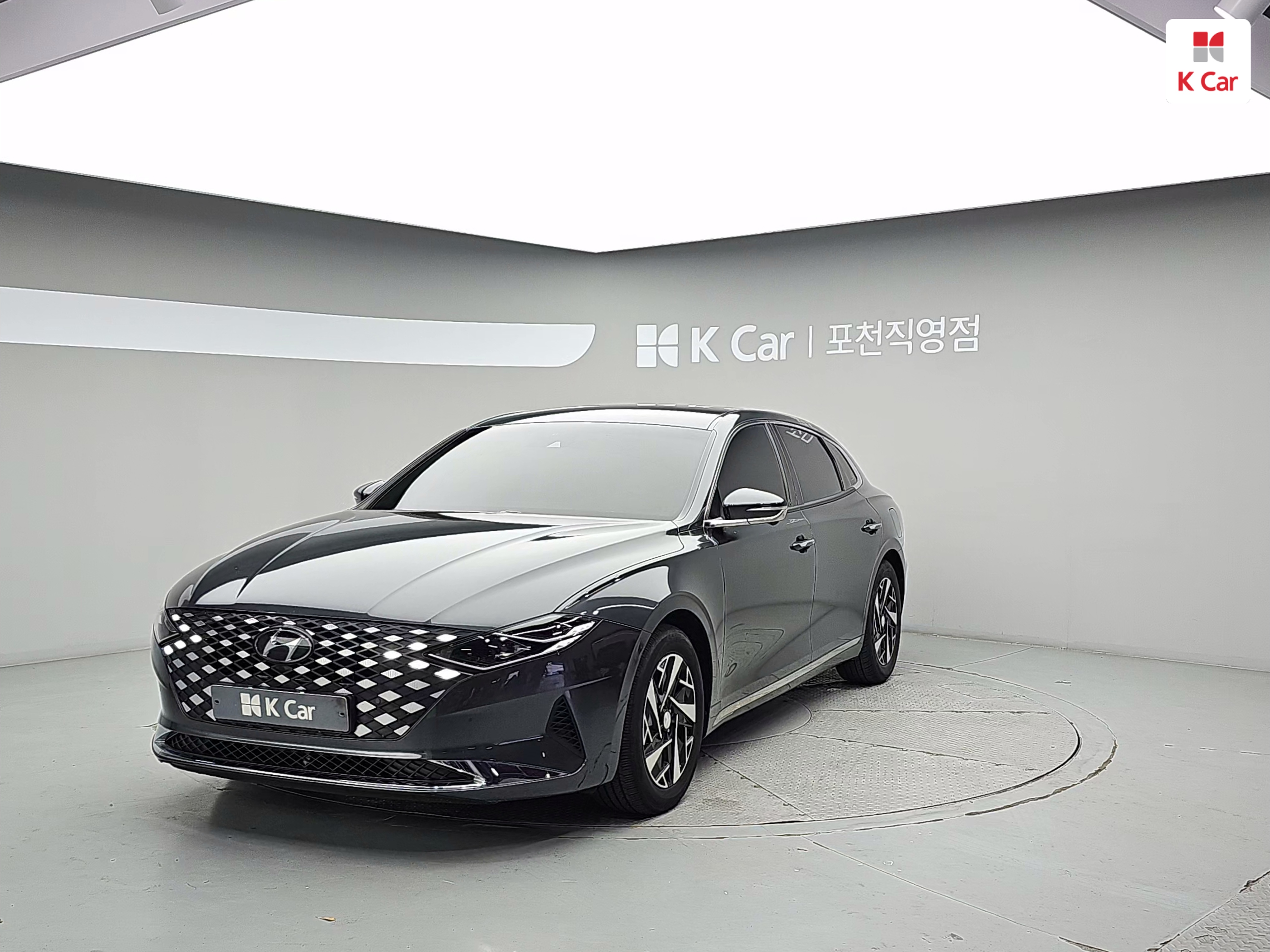
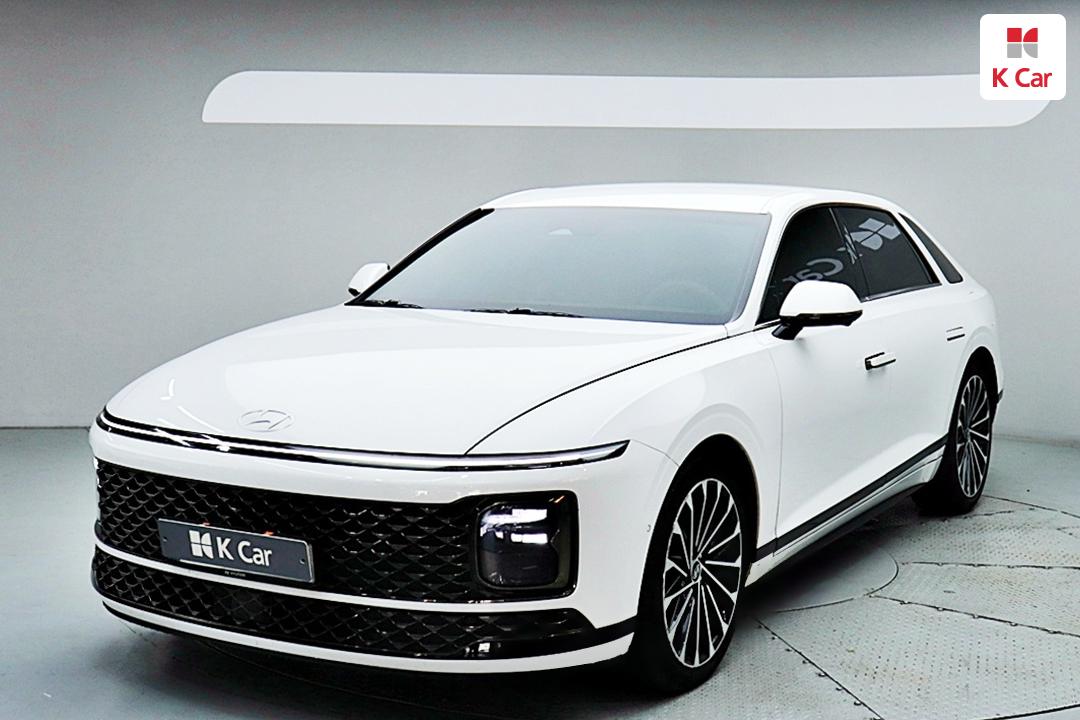
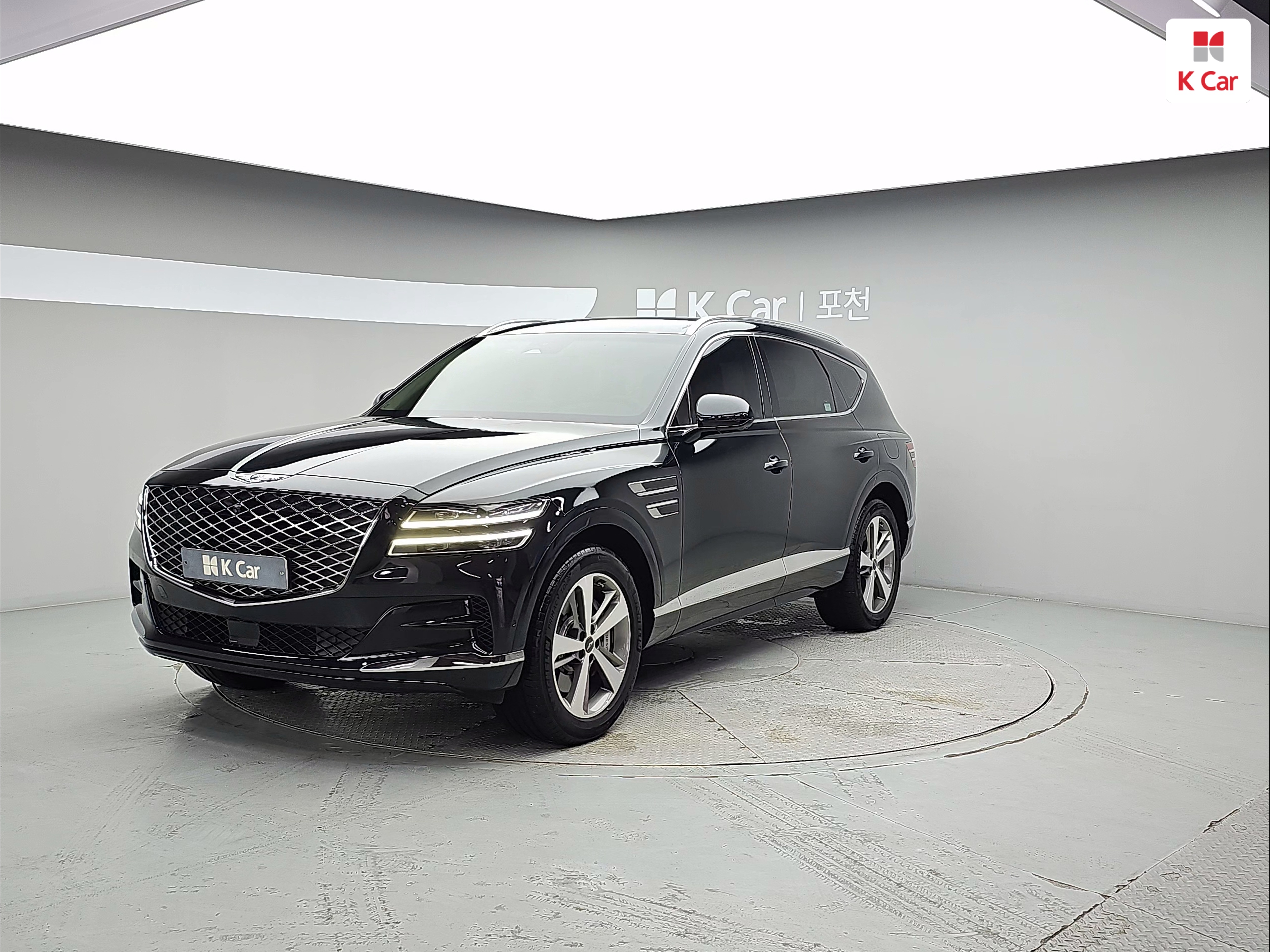
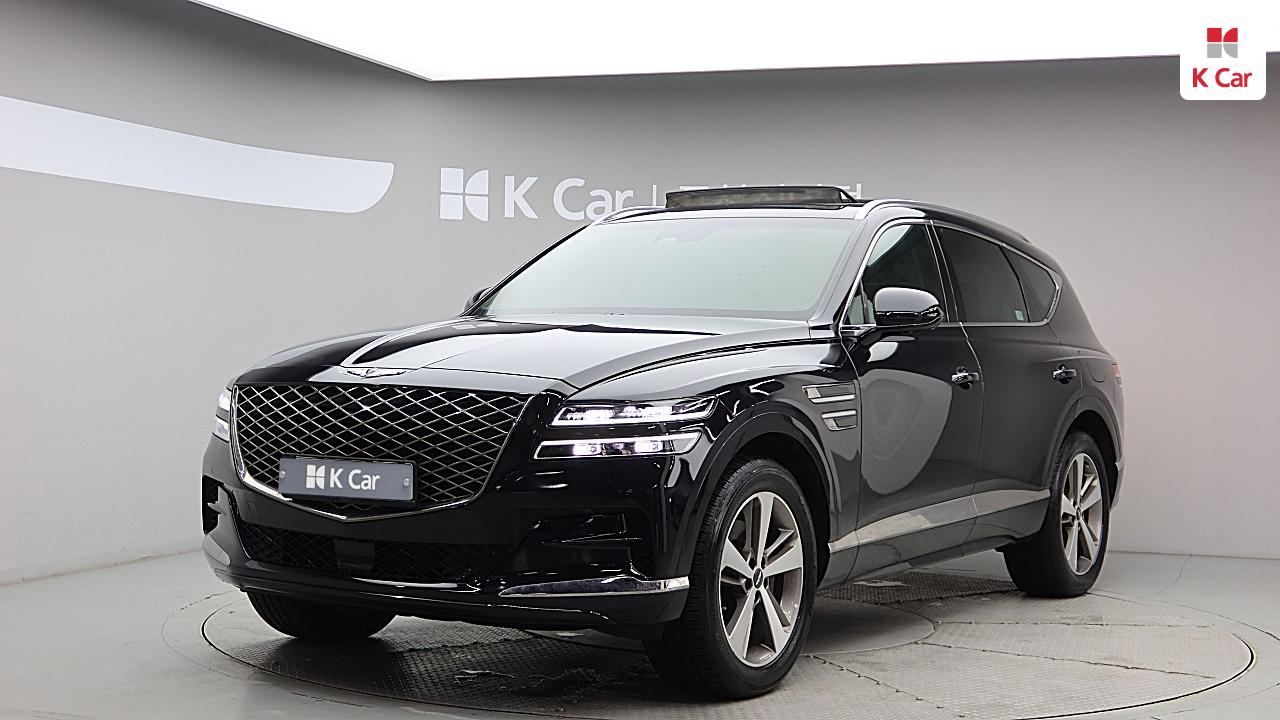
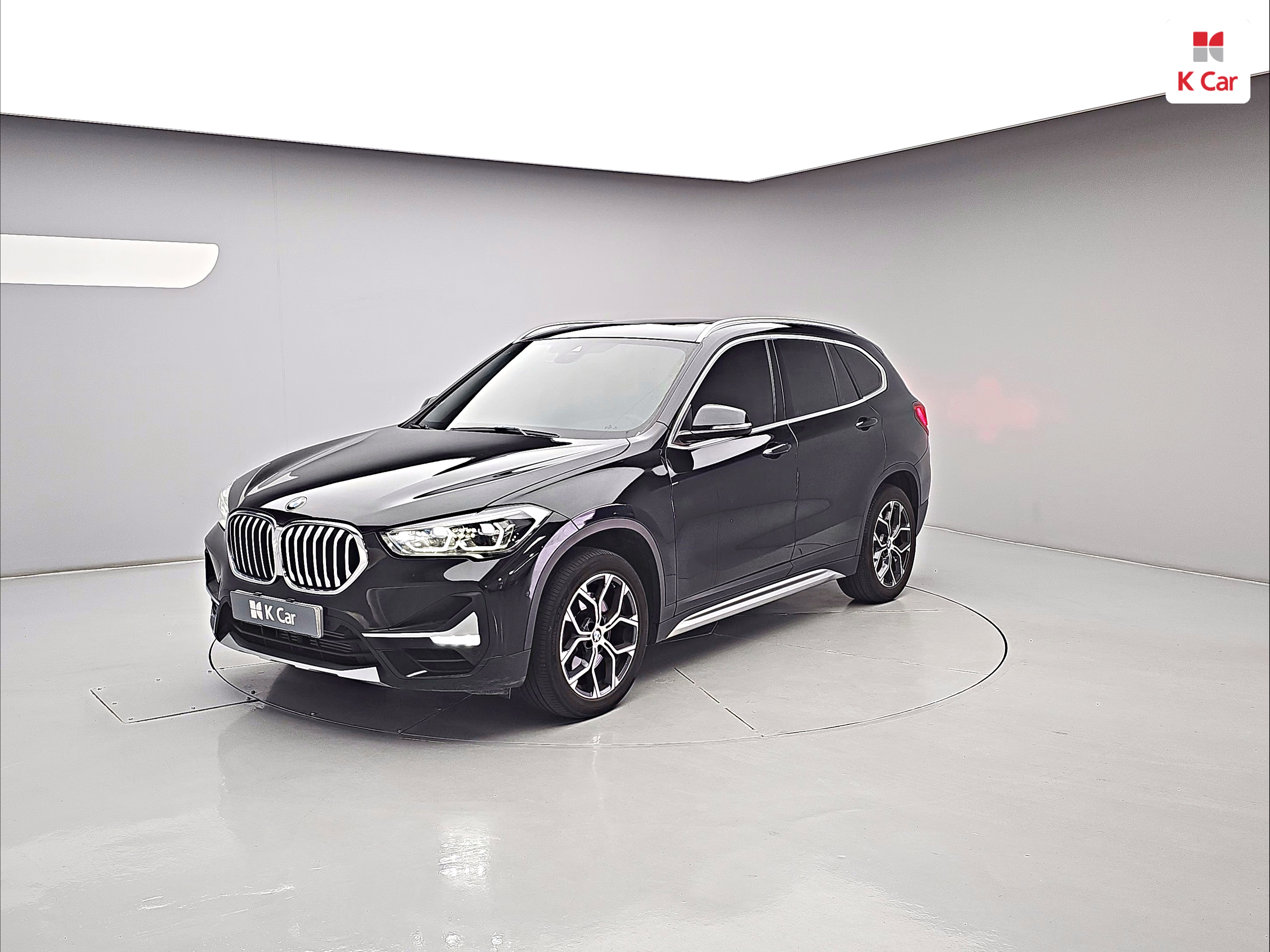
2019, gasoline, automatic, 81K km, sedan, Front Wheels Drive, 2,999 cm3, 266 hp, black, 3.0 GDI, South Korea, left steering wheel

AutobellGlobal.com
13.203 US$ 13.203 US$

kcar.com
 Seongsu-dong, South KoreaSeongsu-dong, South KoreaSeongsu-dong, South KoreaSangnyongsangdong, South KoreaSeongsu-dong, South KoreaSeongsu-dong, South KoreaSangnyongsangdong, South KoreaSeongsu-dong, South KoreaSangnyongsangdong, South KoreaSangnyongsangdong, South KoreaSangnyongsangdong, South KoreaSangnyongsangdong, South KoreaSangnyongsangdong, South KoreaSeongsu-dong, South KoreaSeongsu-dong, South KoreaSeongsu-dong, South KoreaChungang-dong, South KoreaSeongsu-dong, South KoreaSeongsu-dong, South KoreaChungang-dong, South KoreaChungang-dong, South KoreaChungang-dong, South KoreaChungang-dong, South KoreaChungang-dong, South KoreaSeongsu-dong, South KoreaSeongsu-dong, South Korea
When buying a used car in Korea, it’s essential to closely compare the model and generation, year, mileage, fuel type, and body style. This article offers a practical checklist for consumers in South Korea considering a purchase or sale. Among many brands, we’ll look at which engine configurations are common by model, which deliver strong fuel economy and durability, and the typical price ranges you can expect.
In the Korean market, brand preference and value for money are distinct. For example, Brand A’s midsize sedan is considered to have a strong engine lineup, good parts availability, and stable running costs even as it ages. Meanwhile, Brand B’s hatchback is popular with buyers who prioritize city-friendly dimensions and agility. Specific model ranges from each brand evolve by generation; newer generations can combine different fuel types and transmissions, so the real-world driving feel can vary even for the same model year.
Fuel type also heavily influences purchase decisions. Gasoline is a safe choice for frequent daily driving, while hybrids and plug-in hybrids are advantageous for cutting fuel costs. Diesel delivers strong torque for highway and long-distance driving, but you should watch maintenance costs and emissions regulations. Vehicle age and mileage directly affect price and repair costs. If your budget is limited, models around 5 years old can be a sensible choice, and condition is often judged around the 10,000 km mark.
In the real market, fuel type and body style create notable price differences. For example, within the same generation, gasoline and hybrid sedans diverge in long-term fuel costs, and SUVs or hatchbacks are evaluated differently for urban driving convenience. Beyond photos and exterior condition, interior features and safety equipment are also crucial comparison points.
Sellers should present key vehicle information clearly. Sharing accident history, maintenance records, a list of recently replaced parts, and whether parts are OEM helps build trust. Price varies by brand, model, generation, mileage, and condition; it’s best to set an initial asking price based on comparable listings and recent transactions. When selling, confirm buyer intent by arranging test drives by appointment and answer questions honestly.
Demand can vary by region within Korea. Urban areas often favor compact cars or practical family cars, while suburban areas tend to prioritize fuel economy, durability, and running costs. Understanding regional market trends and reflecting them in your pricing is important.
If you want a rational and satisfying transaction in Korea, make a habit of comparing model- and generation-specific traits, fuel types, body configurations, mileage, and price ranges comprehensively. With thorough research and trustworthy buying/selling strategies, you can expect better choices and smoother deals.
 Add as preferred sourceSee more from zvelta in Google Search Add as preferred source