 EN
ENDEALER

2.016 US$DEALER
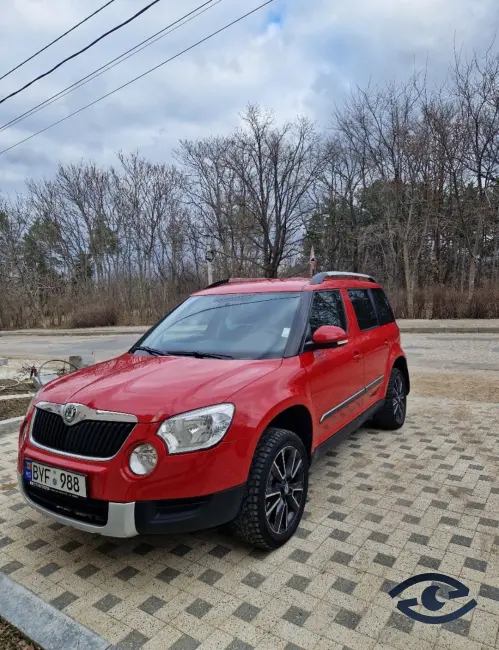
2011, gasoline, manual, 323K km, wagon, All Wheels Drive, 1,800 cm3, blue, Used condition, Europa, In stock

BaltiCar.com
 Estonia, Harjumaa
 Estonia, HarjumaaEstonia, Harjumaa
 Romania, Timiș CountyRomania, Timiș CountyRomania, Timiș County
 Romania, Mureș County
 Sofiyivska Borschagivka, Ukraine
 RomaniaRomania
 Romania, Bacău County
 Moldova
 MoldovaMoldovaMoldova, Chișinău MunicipalityMoldova, Chișinău MunicipalityMoldova, Chișinău MunicipalityMoldova, Chișinău Municipality
 Romania, Buzău CountyChisinau, MoldovaChisinau, MoldovaChisinau, Moldova
 UkraineKharkiv, Ukraine
 UkraineUkraine
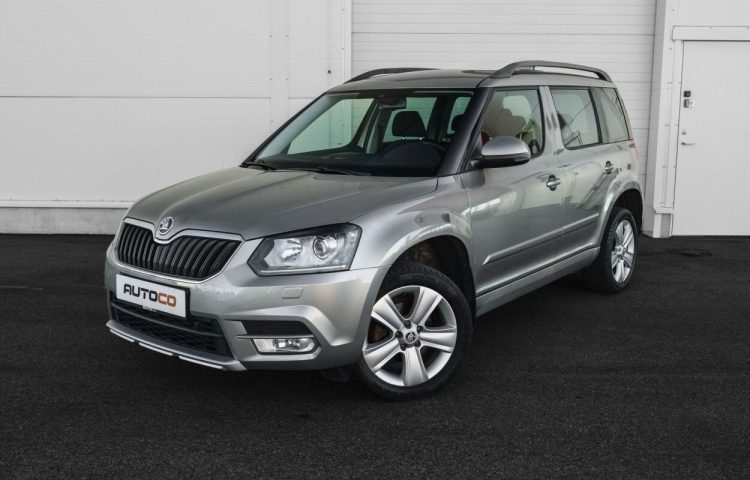
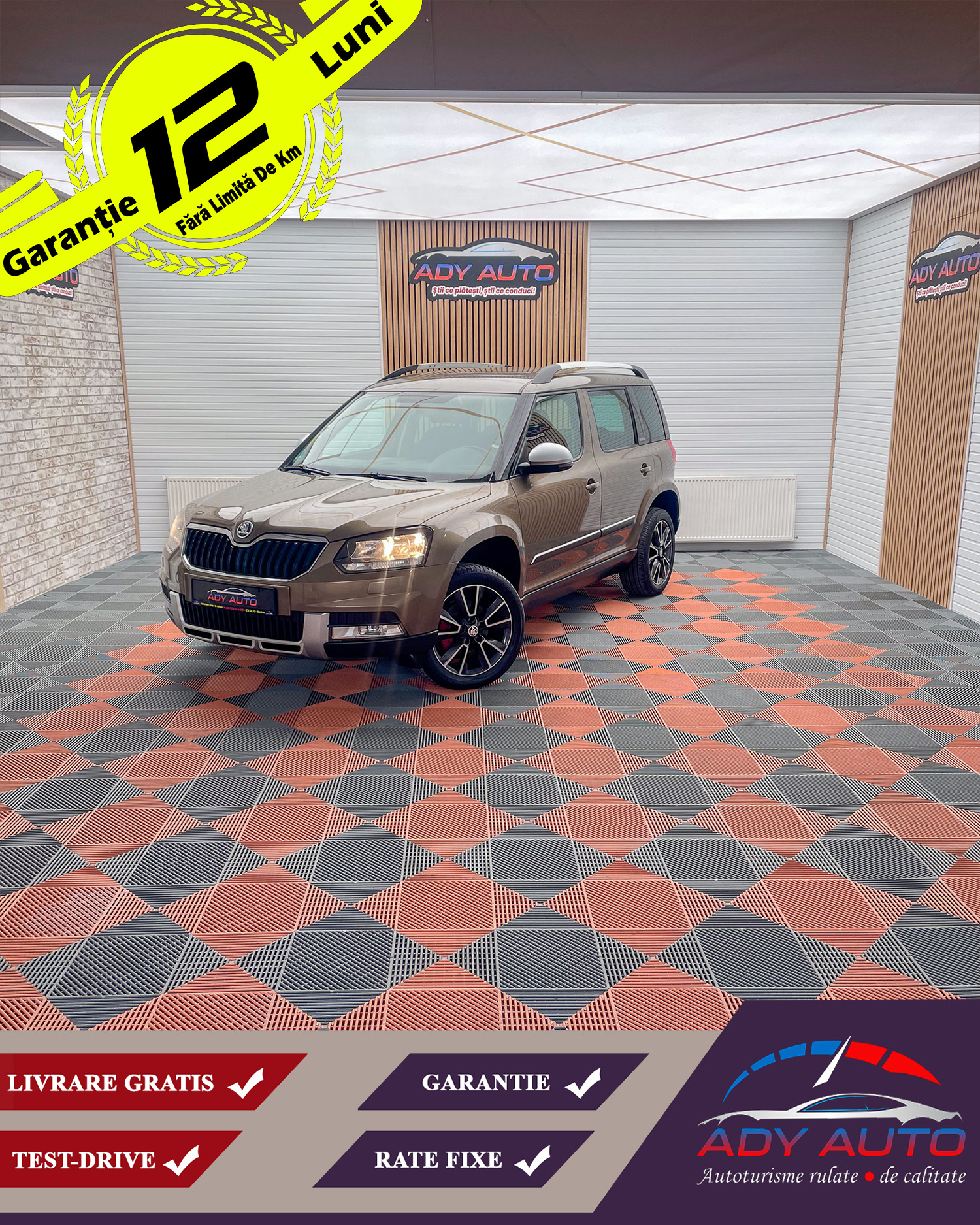
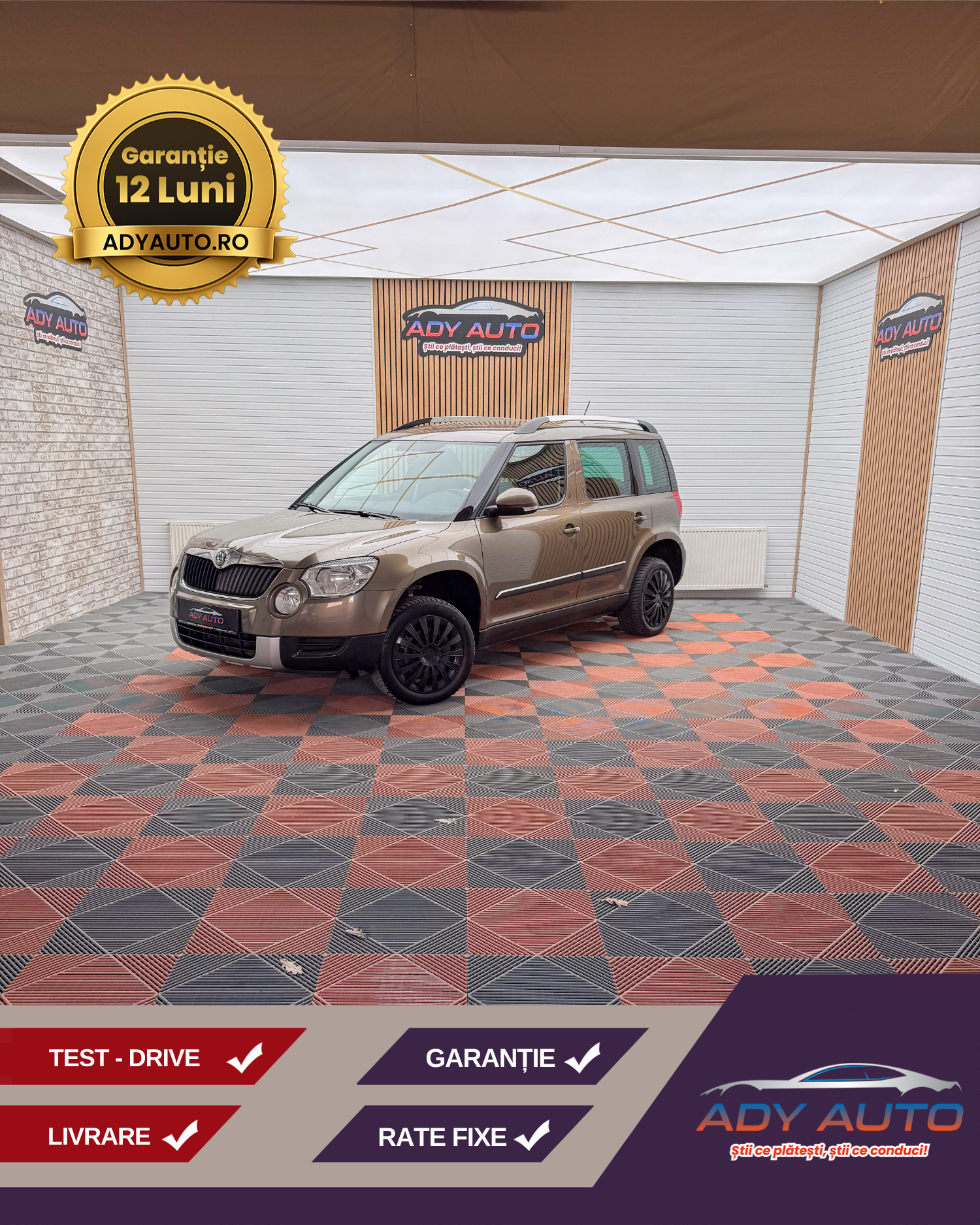
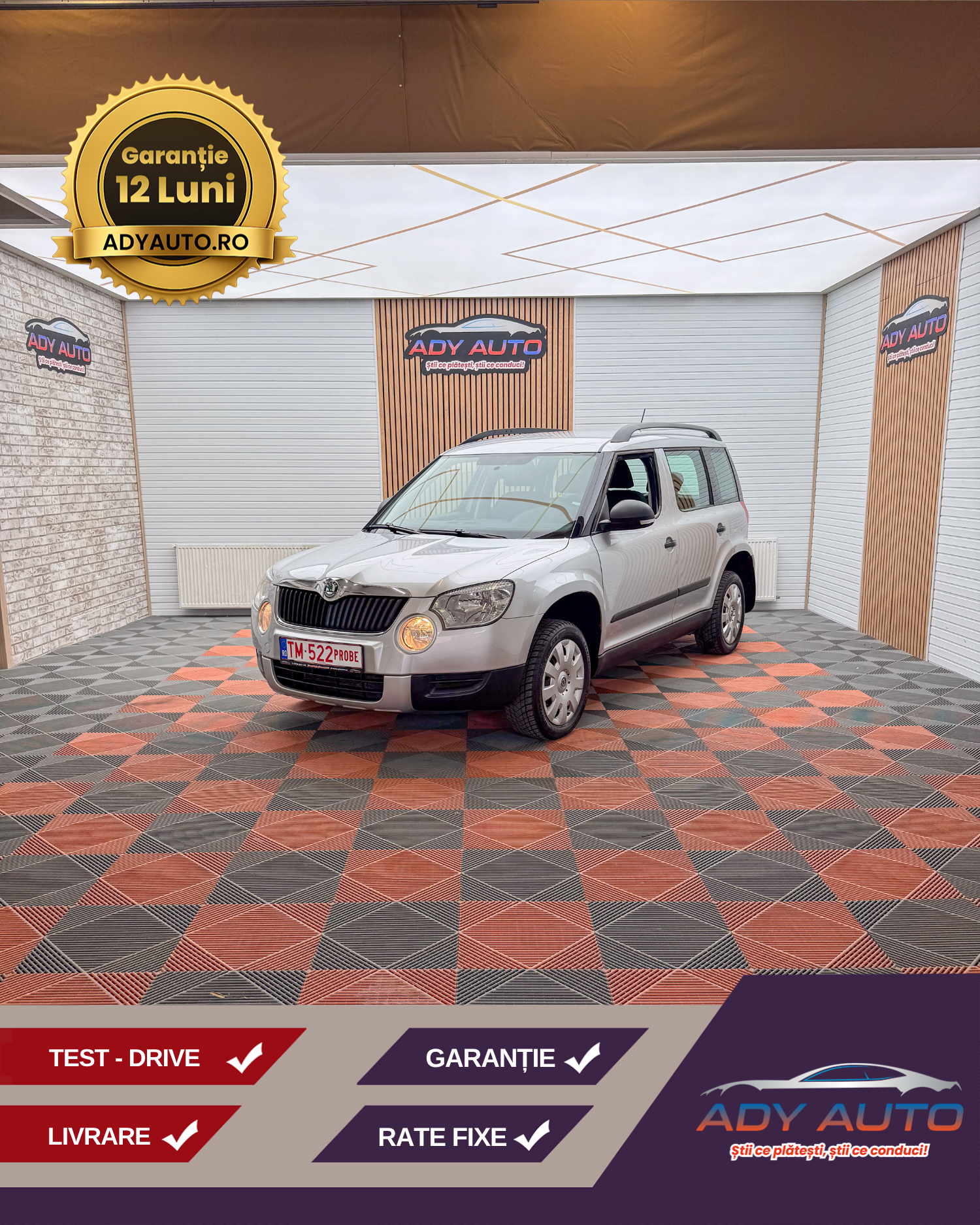
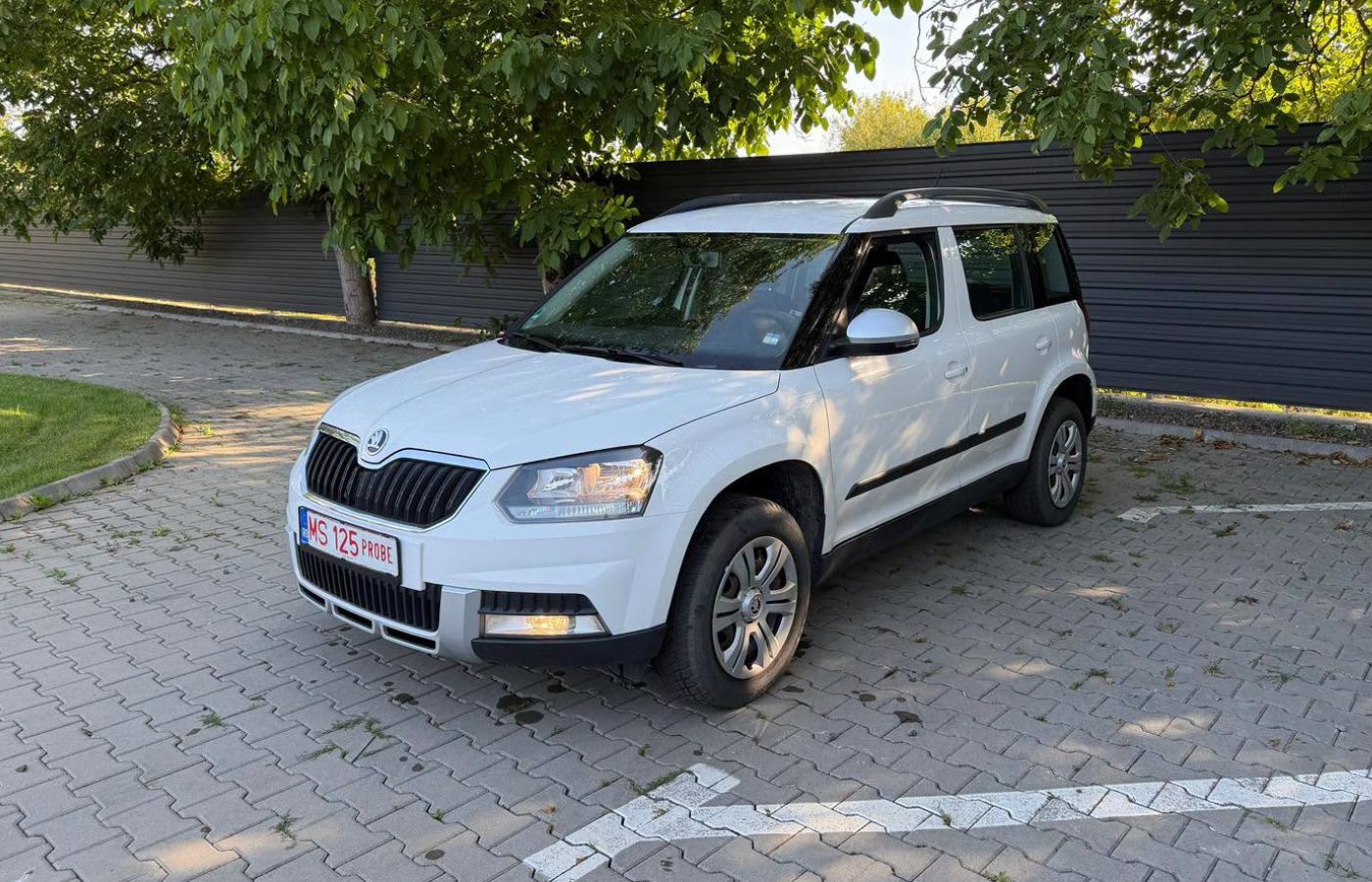
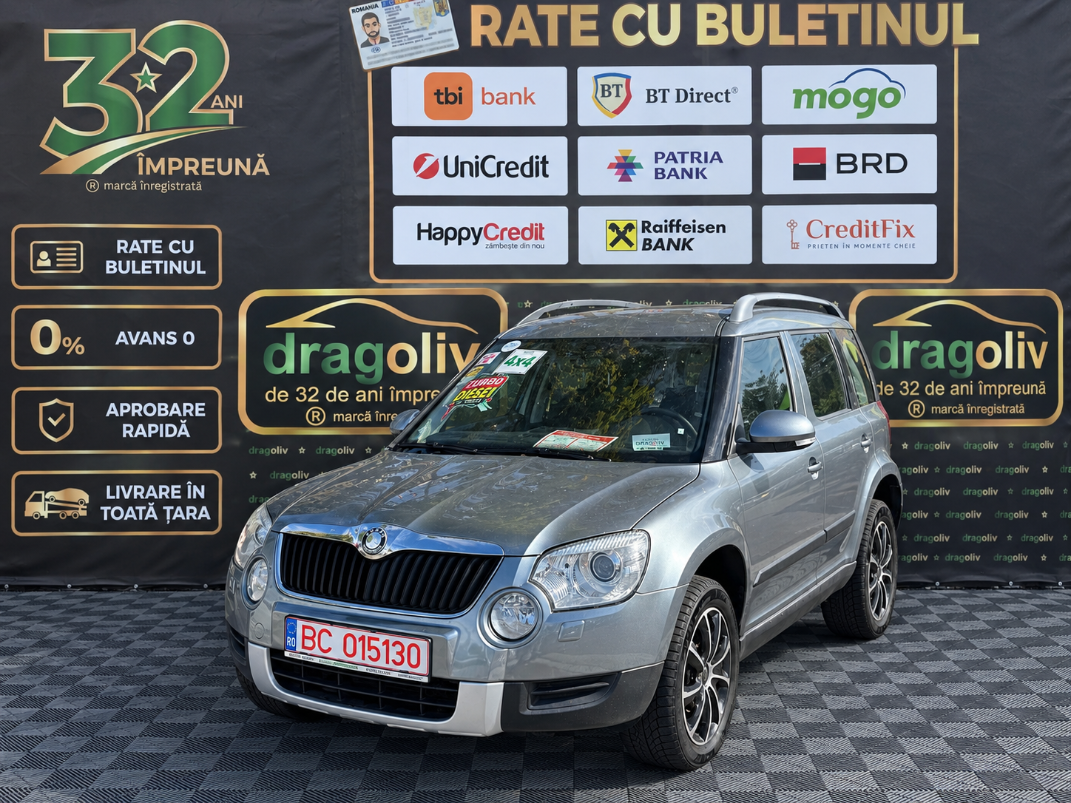
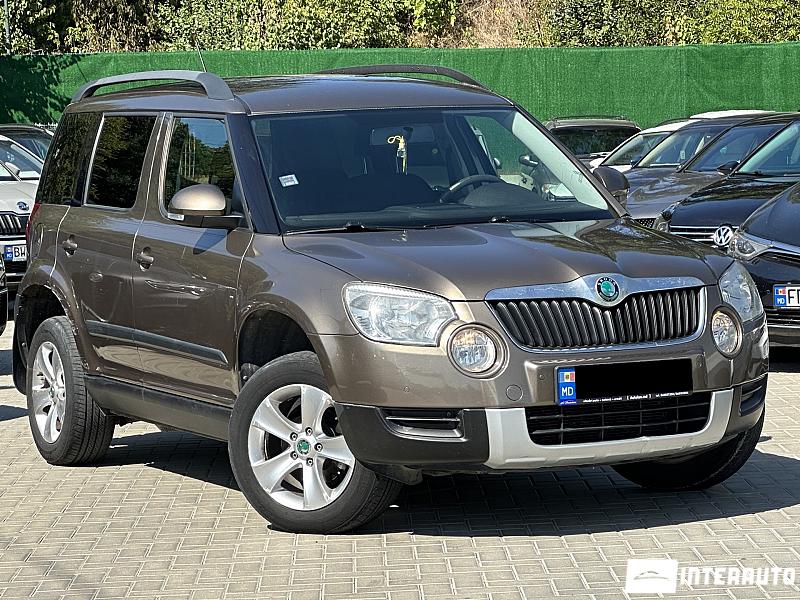
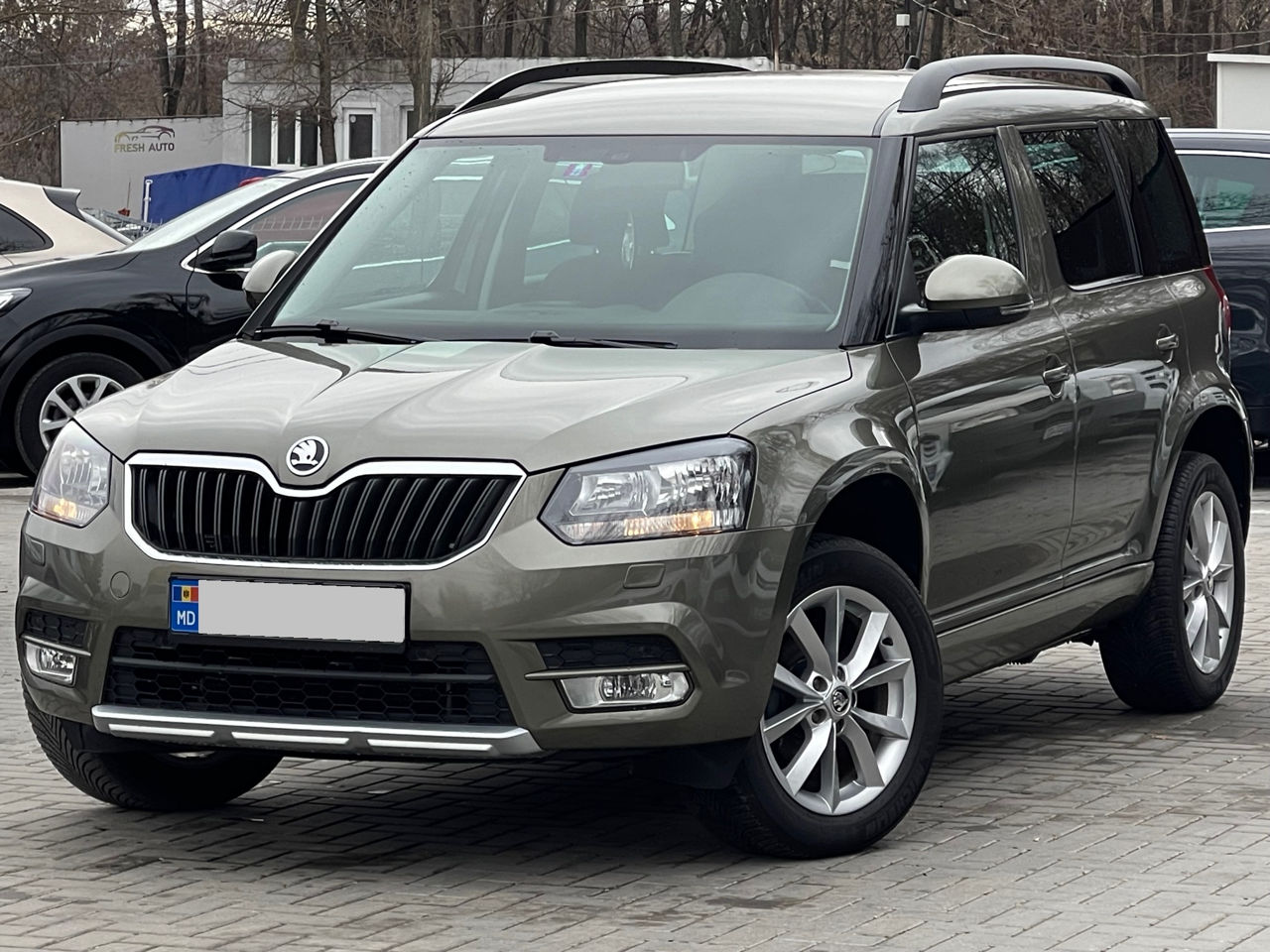
The Skoda Yeti has been a familiar option for buyers who want a compact SUV with practical space, versatile cargo, and confident road manners. If you’re considering a Skoda Yeti, you’ll likely weigh the different generations, engine choices, and body styles to find the right fit for your city and budget. Below we walk through what to look for when buying, how to compare models, and practical tips for both new and used purchases.
The Yeti first arrived as a compact SUV designed to balance urban usability with light off‑road capability. Key generations vary in powertrains and interior layouts, but you’ll typically encounter compact hatchback dimensions with a higher seating position and clever cargo solutions. When shopping, pay attention to:
Prices for a Skoda Yeti depend on year, mileage, and condition. When you search in your city, consider these practical steps:
If you’re in a city with a robust used‑car market, you’ll likely find a mix of early generation examples and later mileages. For new or nearly new buyers, look for certified pre‑owned options that offer warranty coverage and dealer support.
If you’re selling a Skoda Yeti, highlight the key selling points that matter most to buyers: versatile interior, stable ride, and a well‑documented maintenance history. A clean vehicle history and up‑to‑date service records can significantly boost interest from buyers looking for a reliable compact SUV option.
 Add as preferred sourceSee more from zvelta in Google Search Add as preferred source