 EN
EN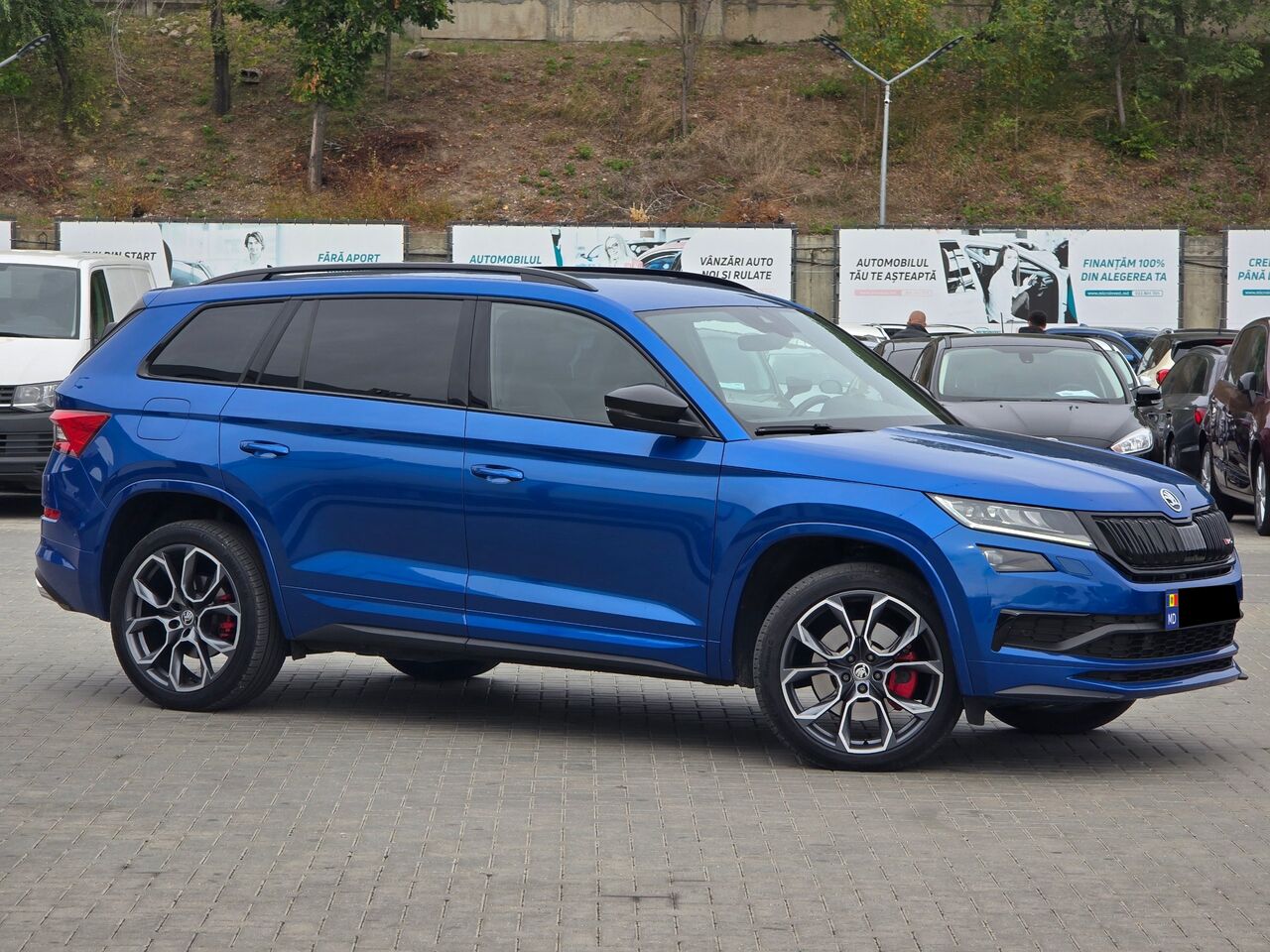
31.933 US$
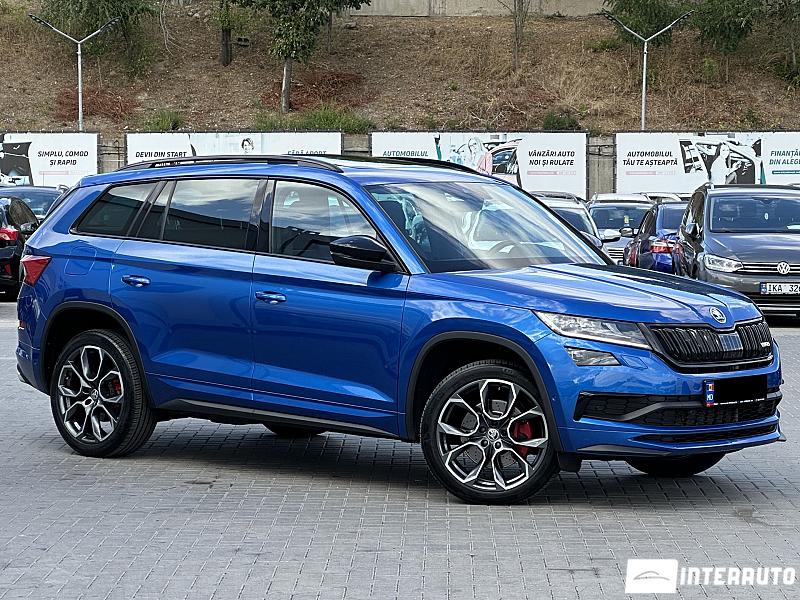
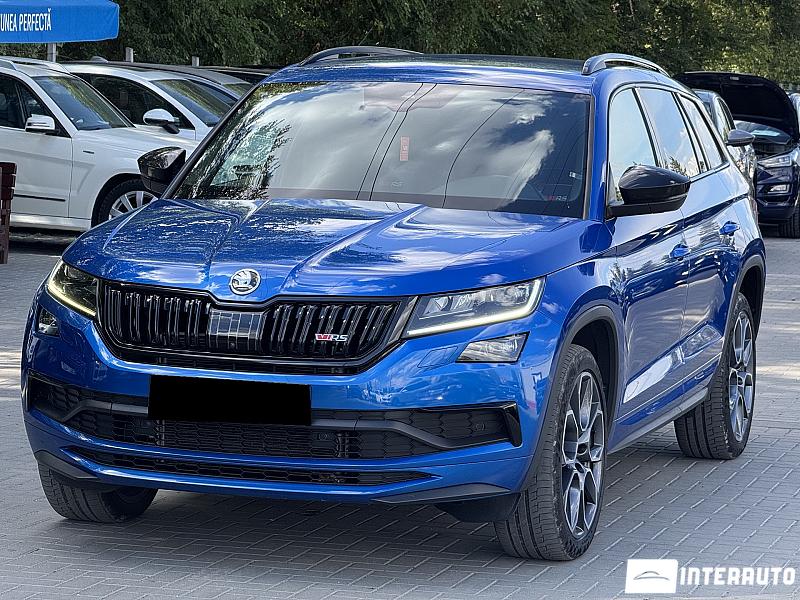
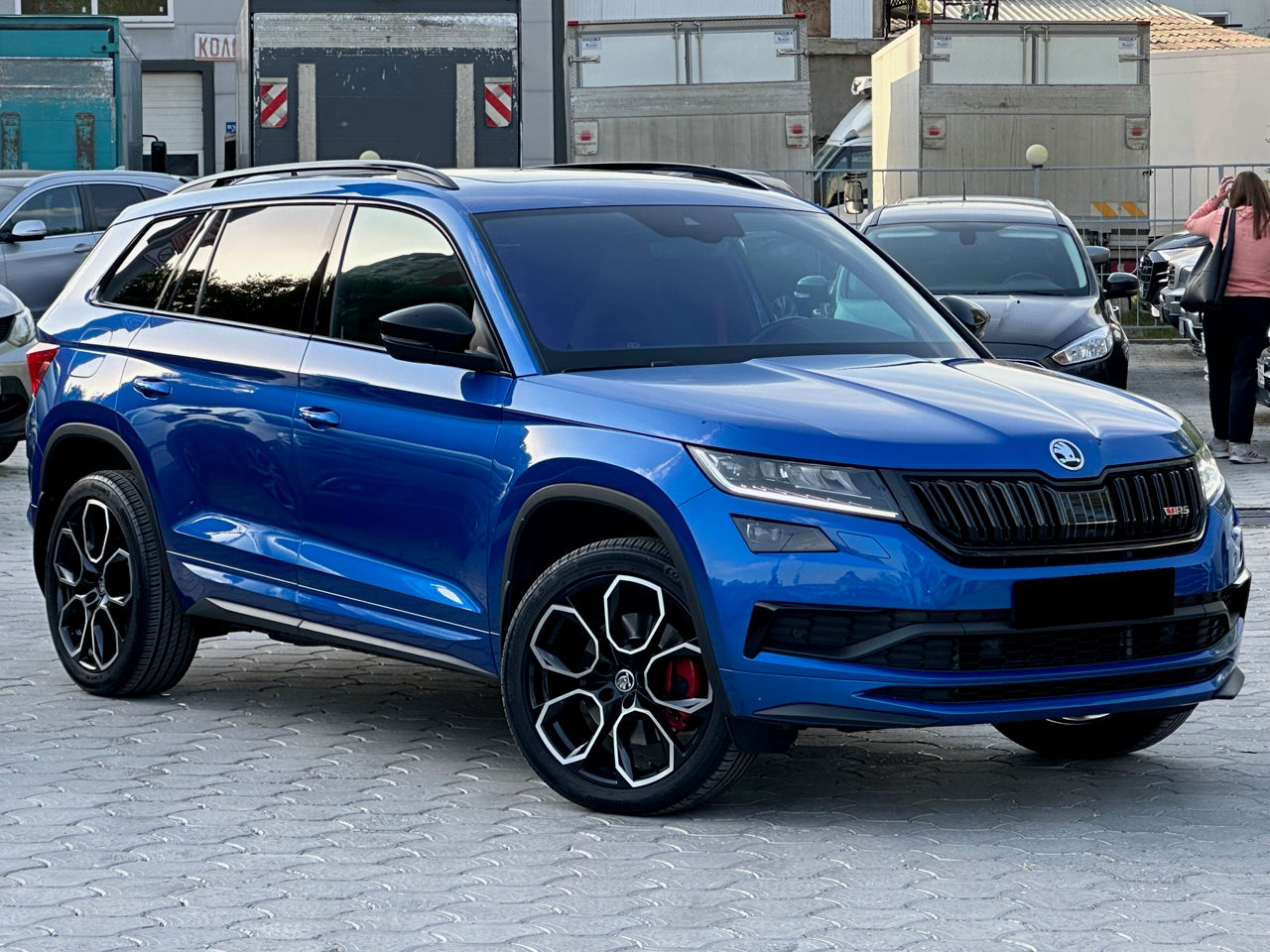
2019, diesel, automatic, 172K km, SUV, All Wheels Drive, 1,968 cm3, 240 hp, blue, Europa

InterAuto.md
 Moldova
 MoldovaMoldovaMoldovaMoldovaMoldovaMoldova, Chișinău MunicipalityMoldova, Chișinău MunicipalityMoldova, Chișinău Municipality
 Chisinau, Moldova
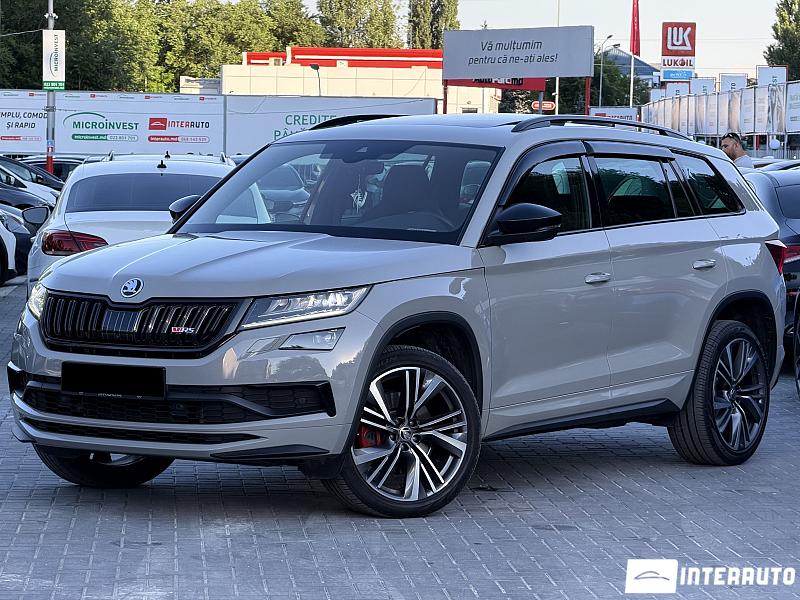
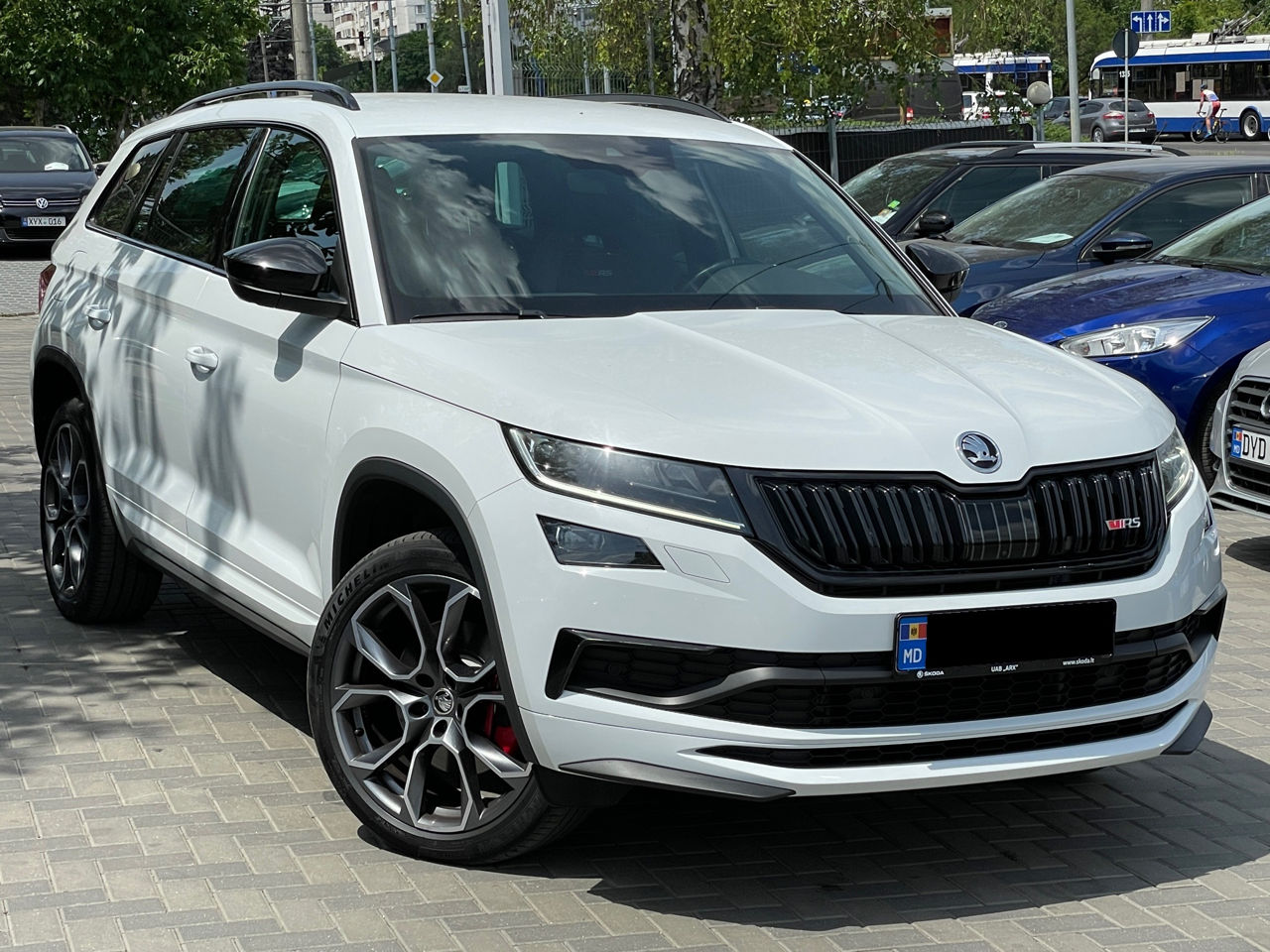
The Skoda Kodiaq RS stands out in the midsize SUV segment with its blend of performance and practicality. If you’re considering an RS for daily driving or weekend adventures, understanding the key details helps you decide whether this model fits your needs in your city. This guide covers generation, fuel type, body style, year range, mileage expectations, and typical price segments to help you compare options confidently.
The Kodiaq RS is the high-performance version of Skoda’s midsize SUV lineup. It combines a turbocharged engine with confident handling and a roomy interior. When evaluating cars in your country and city, focus on:
Common configurations you’ll see include the 2.0 TSI engine with quattro-style all-wheel drive, larger brakes, sport-tuned suspension, and distinctive RS styling cues. Depending on the generation, you may encounter different infotainment systems and driver-assist features, so verifying options in your market is important.
When shopping, gather key data points to compare effectively:
In many markets, a clean, well-maintained Kodiaq RS from the second generation attracts premium pricing due to refined dynamics and improved tech. If you’re comparing across cities, consider local taxes, registration fees, and typical dealership versus private-party pricing, which can affect total ownership cost.
Pros:
To avoid surprises, arrange a thorough pre-purchase inspection, especially for pre-owned units with higher mileage. Ask for service history, verify that the vehicle has not been subject to leans or accidents, and confirm that the odometer reading reflects the true mileage.
If you’re planning to sell, highlight recent maintenance, low mileage, and any recent upgrades or aftermarket wheels. Provide clear service records and a precise description of the vehicle’s condition. In your city, listing the car with high-quality photos and a detailed spec sheet helps attract serious buyers and can speed up negotiations.
Whether you’re buying or selling, the Skoda Kodiaq RS remains a compelling choice for buyers seeking a sporty SUV with practical strength. Use the steps above to compare generations, check price ranges, and verify local market expectations in your country and city.
 Add as preferred sourceSee more from zvelta in Google Search Add as preferred source