23 June 2026


23 June 2026

25 June 2026

- 1
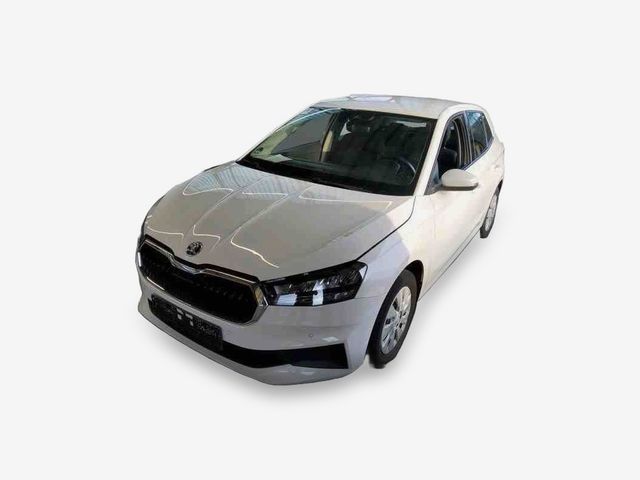
When you start searching for a Skoda Fabia, you are looking at a compact hatchback with a practical edge. The Fabia has grown through several generations, each offering different engines, transmissions, and design cues. This guide helps you compare generation-by-generation options, the most common body types, and typical price ranges in major markets. Whether you are buying new or used, consider your priorities: fuel economy, reliability, spare parts availability, and overall running costs.
Fabia generations and engine options
The Fabia lineup usually centers on small yet efficient engines. You will find petrol and diesel options across generations, with manual and automatic transmissions depending on the trim level. If you value lower running costs, a modern petrol variant with turbocharging can deliver solid performance with reasonable consumption. For long-term ownership in urban areas, a reliable diesel might appeal to higher mileage drivers, though it is becoming less common in some markets. When comparing, note the year, mileage, and service history to estimate current condition and potential maintenance needs.
Body types, trims, and practical considerations
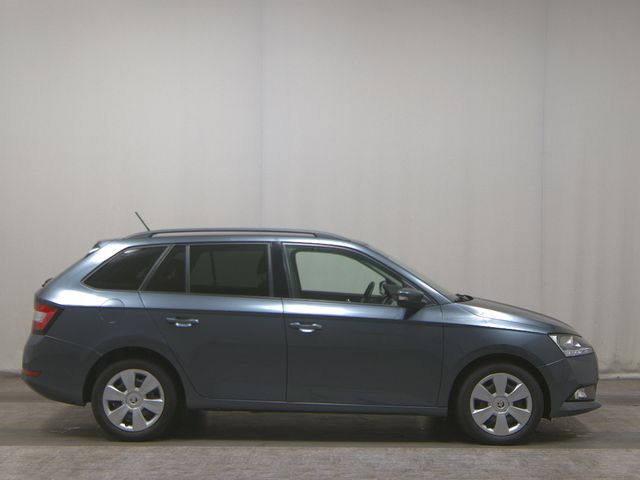
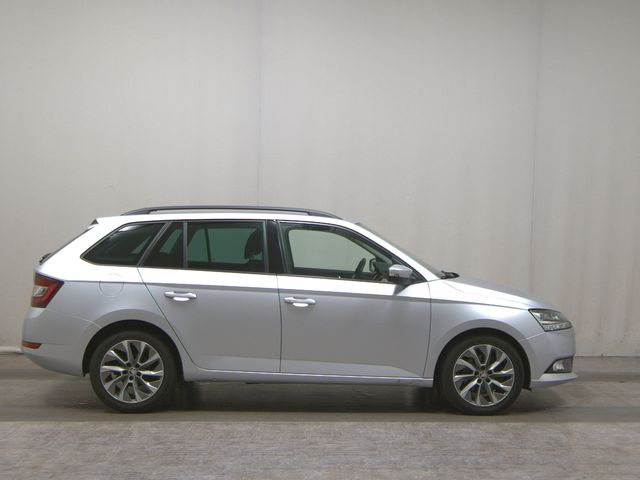
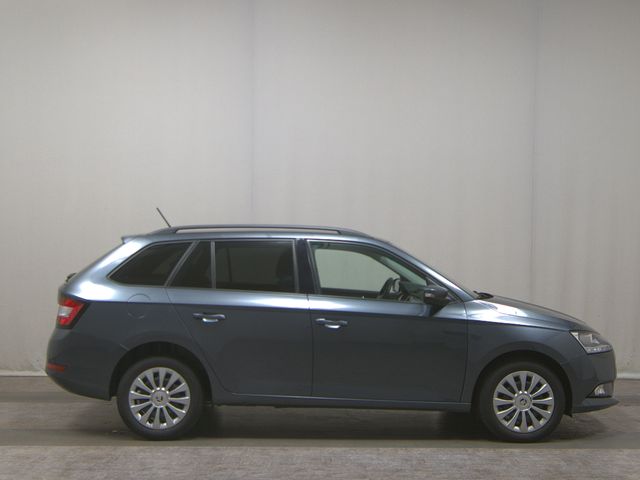
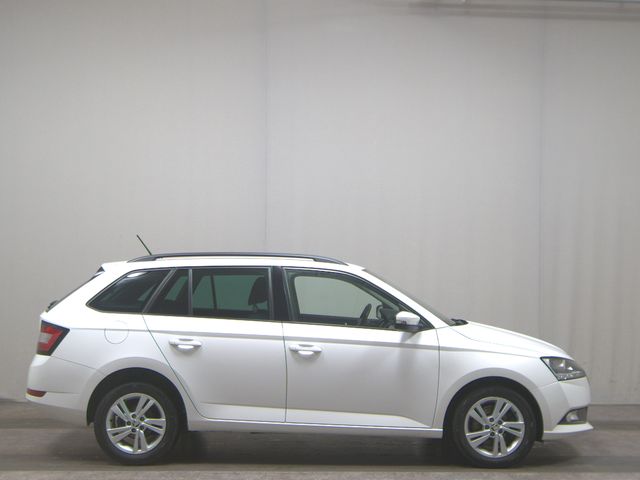
Most Fabias are compact hatchbacks, which makes them easy to park and ready for city life. Some markets offer wagon variants for extra cargo space. Look at cabin space, seat comfort, and boot capacity, especially if you frequently transport groceries or luggage. Consider features like air conditioning, infotainment, safety systems, and driver assistance. The price segment for a Fabia varies by generation, mileage, and country. In general, newer models command higher prices but offer improved efficiency and tech.
Where to buy and what to check before purchasing
When buying in your country or city, compare dealer offers with private sales to gauge typical prices. Check service records, previous ownership, and potential rust or wear in critical areas. If you are selling a Skoda Fabia, emphasize maintenance history, low mileage, and clean exterior and interior condition. Always request a test drive to assess throttle response, clutch, and braking feel, and listen for any unusual noises. For used examples, pricing often reflects the year and mileage, so be ready to negotiate a fair price based on the car’s overall condition.
Quick buying tips
- Compare generations and engines that fit your budget and daily needs
- Review mileage and maintenance records to estimate future costs
- Inspect the body, tires, and brakes for wear
- Check that the infotainment and safety features work properly
- Consider insurance, tax, and registration costs for your location