 EN
ENDEALER

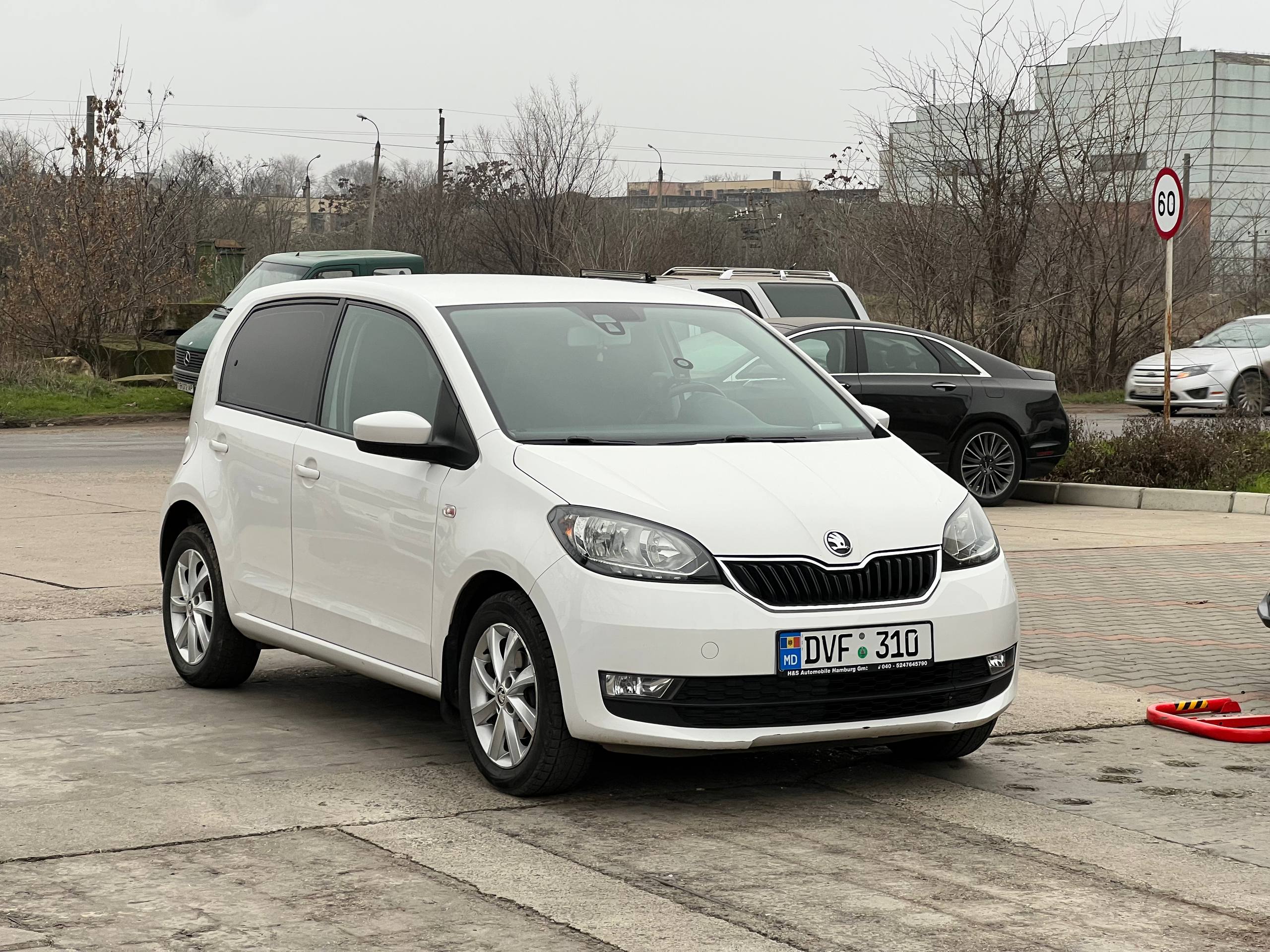
2020, automatic, 24K km, hatchback, 83 hp, white, e-iv ev ev ambition, Used condition, Europa, In stock, sale date 23.10.2026 03:15

CarOutlet.eu
 Netherlands
Auction starts
23 Oct, 03:15
 NetherlandsNetherlands
 Estonia, Harjumaa
 Czech Republic, Olomoucký kraj
 Poland
 Moldova, Chișinău MunicipalityMoldova, Chișinău Municipality
 Romania, Bucharest
 Tiraspol, Moldova
 Greece, Attica
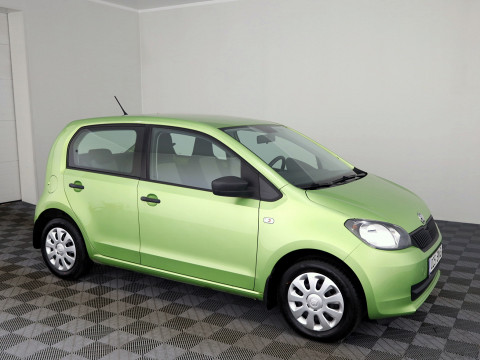
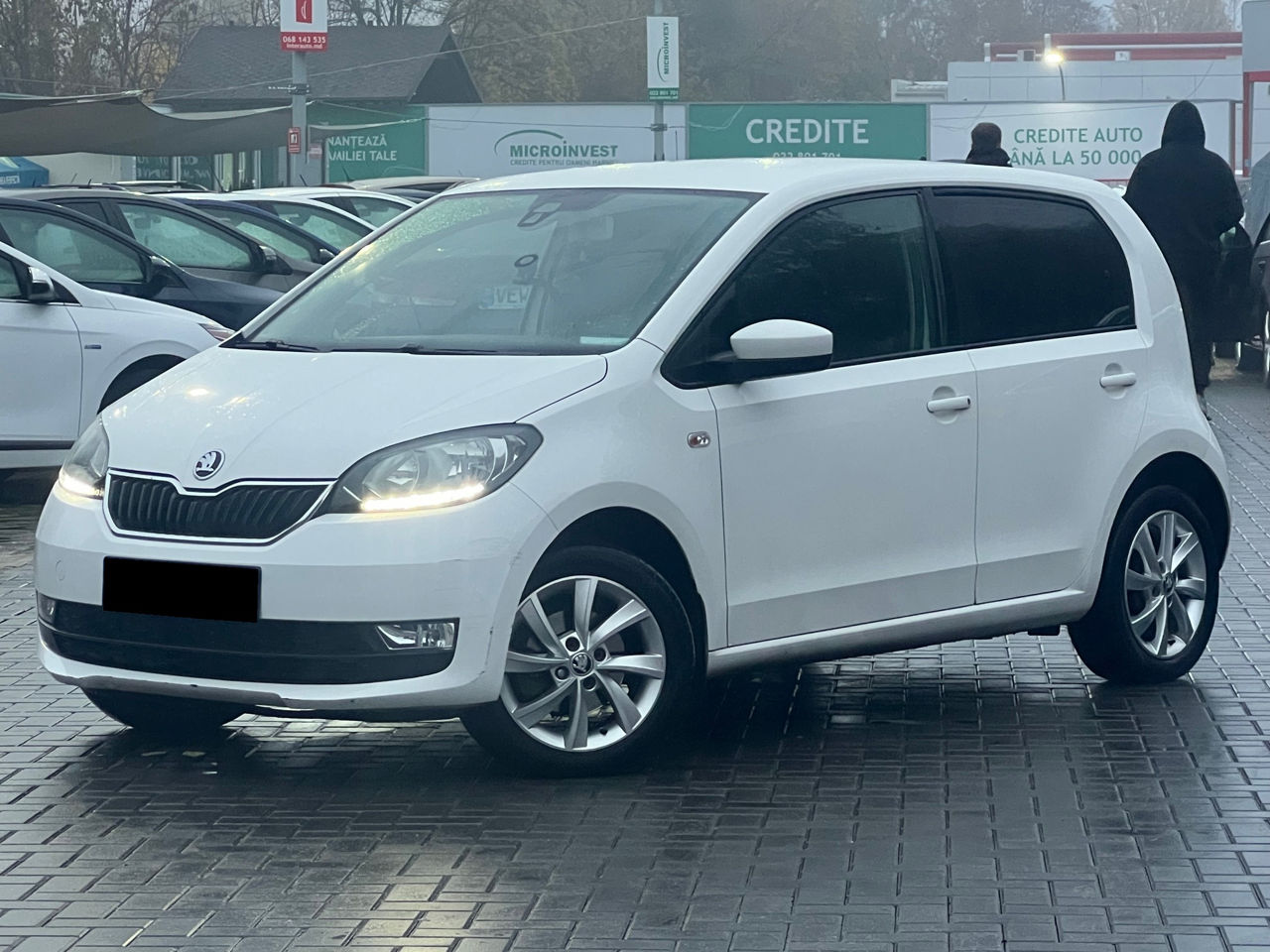
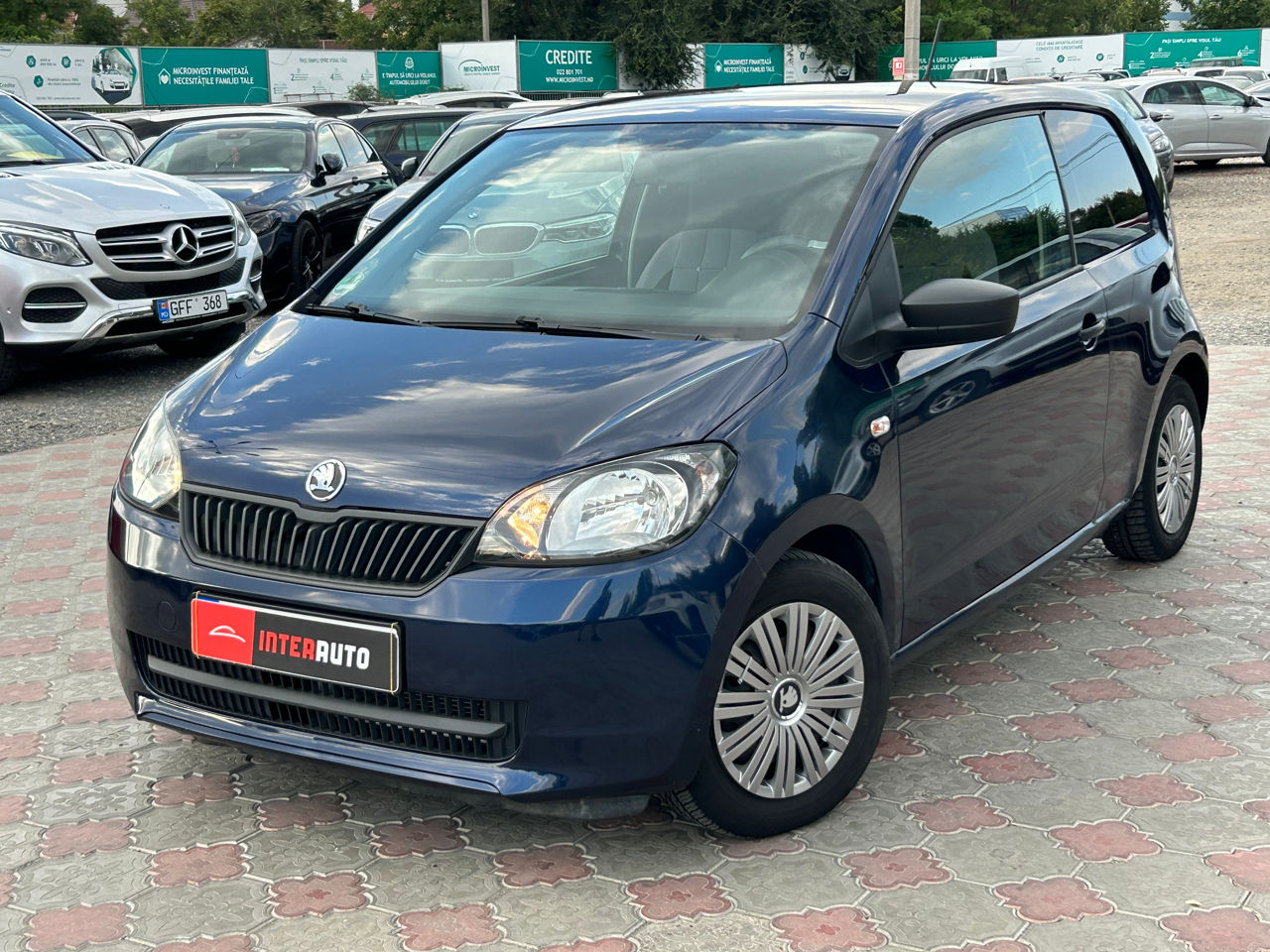
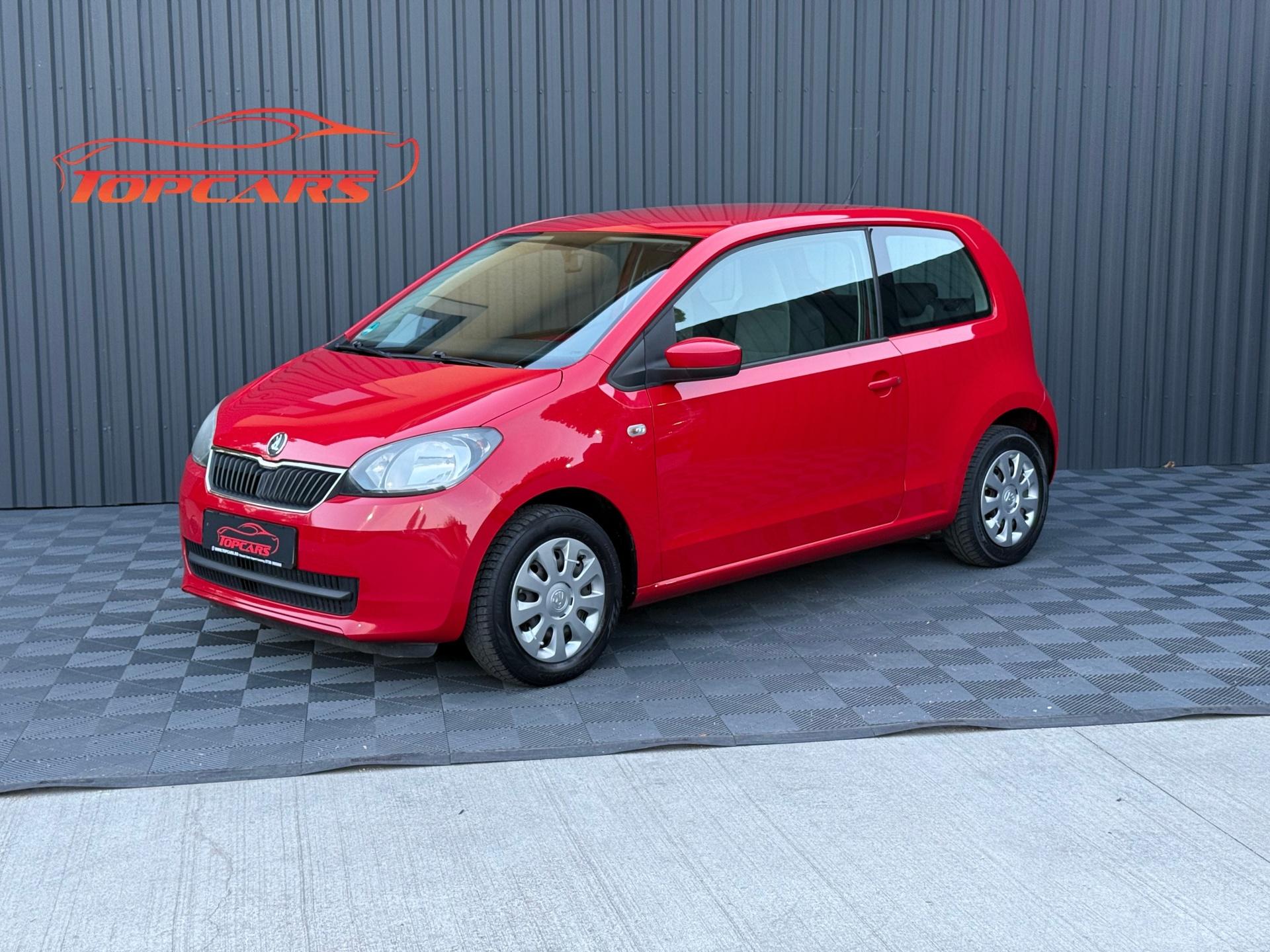
The Skoda Citigo is a compact city car designed for nimble maneuvering and easy daily commuting. If you’re considering a Citigo, you’ll want to know how different generations compare, what engines are available, and how price and mileage affect value in your local market. Whether you’re buying for the first car, upgrading a current model, or selling a Citigo to free up budget for a newer vehicle, this guide covers the essentials you should consider.
The Citigo excels in tight urban spaces thanks to its small footprint, light steering, and good fuel economy. When you’re shopping in your country and city, you’ll likely weigh factors like year, mileage, and condition. Common questions include: Is the Citigo reliable for daily commutes? How does the 1.0-liter petrol engine compare with other options? What’s the typical price range for a used Citigo in your area? These topics matter because the Citigo’s value is influenced by wear on the clutch and suspension, as well as the car’s overall cleanliness and service history.
The Citigo has evolved through a few key generations, mostly sharing a 3-door or 5-door hatchback body and a small but efficient engine lineup. When comparing used Citigo options, you’ll likely consider:
To avoid surprises after purchase, run through these checks:
Prices for a Skoda Citigo in the used market vary by year, mileage, and trim level. In many markets, a well-kept Citigo with moderate mileage can be an attractive option for new drivers or as a budget second car. When selling, highlight:
If you’re choosing a Citigo for daily commuting or as a compact city runabout, focusing on mileage, maintenance history, and overall condition will help you secure a fair deal. Whether you’re buying to save on fuel or selling to upgrade, a well-documented vehicle with a clean history and reasonable mileage will typically attract more interest and command a better price.
 Add as preferred sourceSee more from zvelta in Google Search Add as preferred source