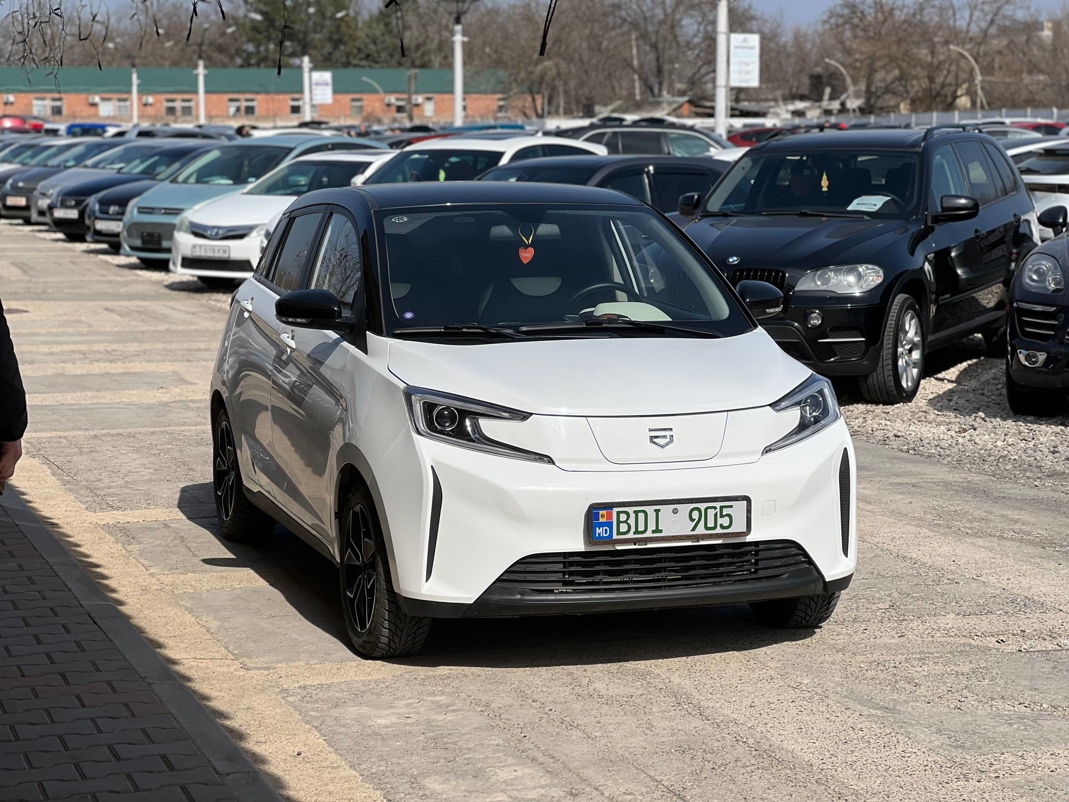
Popular SiTech models
SiTech is a brand that many car buyers consider when searching for reliable, budget-friendly options. If you’re eyeing a SiTech model, understanding the specifics—generation, fuel type, body style, and typical price ranges—helps you make a safer, smarter decision whether you’re buying for yourself or preparing a sale. This guide focuses on common questions buyers and sellers have in markets where SiTech cars are popular, and it highlights practical tips for evaluating a car’s condition, cost of ownership, and resale potential.
What to know about SiTech models and configurations
SiTech’s first-generation lineup generally includes compact and midsize sedans or hatchbacks with a range of fuel options. When evaluating a SiTech, note the following:
- Generation and year: Early models may have simpler interiors and fewer driver-assist features; later examples can offer modest upgrades in comfort and safety.
- Fuel type: Gasoline remains common, with some variants offering diesel or hybrid configurations depending on the market and model year.
- Body style: Common choices include sedans and hatchbacks, which balance cargo space with everyday usability.
- Mileage and wear: Age and miles impact reliability. Buyers often compare maintenance history, previous ownership, and service records to estimate ongoing costs.
- Price segment: Depending on the market, SiTech cars can span entry-level to mid-range price brackets. Sellers should be ready to justify value with service records and a fair assessment of condition.
How to choose the right SiTech for your needs
Choosing a SiTech model comes down to a few practical questions. Consider:
- What’s your daily drive like? If you commute long distances, ingredient factors like fuel economy and maintenance costs matter.
- How important is interior comfort and technology? Some first-gen variants offer basic features, while later models may include improved infotainment and safety aids.
- What is the right price range for your budget? Compare similar age and mileage cars to gauge if the asking price is reasonable.
- What’s the resale outlook? Vehicles with verified service histories and clean titles typically retain value better.
Buying vs selling: practical tips for SiTech in the market
For buyers, a structured approach helps avoid overpaying:
- Verify service records and confirm odometer accuracy.
- Inspect the engine, transmission, brakes, suspension, and tires for signs of wear.
- Test drive to assess performance, noise levels, and comfort.
- Compare total ownership costs (insurance, maintenance, fuel) for different years and configurations.
For sellers, presenting clear value can attract confident buyers:
- Gather maintenance receipts, accident history, and a clean title.
- Highlight any upgrades or recent replacements (brakes, tires, battery).
- Price competitively by researching local listings for similar year, mileage, and body style.
- Be transparent about known issues and be prepared to offer a reasonable warranty option if possible.
Quick reference: typical targets for SiTech cars in the market
- Year range: Common interest centers on first-gen to early mid-gen models.
- Mileage expectations: Buyers often look for lower mileage or well-documented service history.
- Price segments: Expect a range that reflects age, condition, and regional demand.
- Common concerns: Wear on engine components, transmission reliability, and rust in certain markets.
If you’re comparing SiTech models, search phrases you’re likely to use include: "SiTech first-gen price by year and mileage," "SiTech fuel economy and maintenance costs," "best SiTech configurations for city driving," and "SiTech resale value by condition and service history." A balanced approach with a careful inspection and clear documentation will help you feel confident whether you’re aiming to buy a dependable SiTech car or maximize its resale potential.