EN
ENDEALER
11.646 US$DEALER
11.679 US$
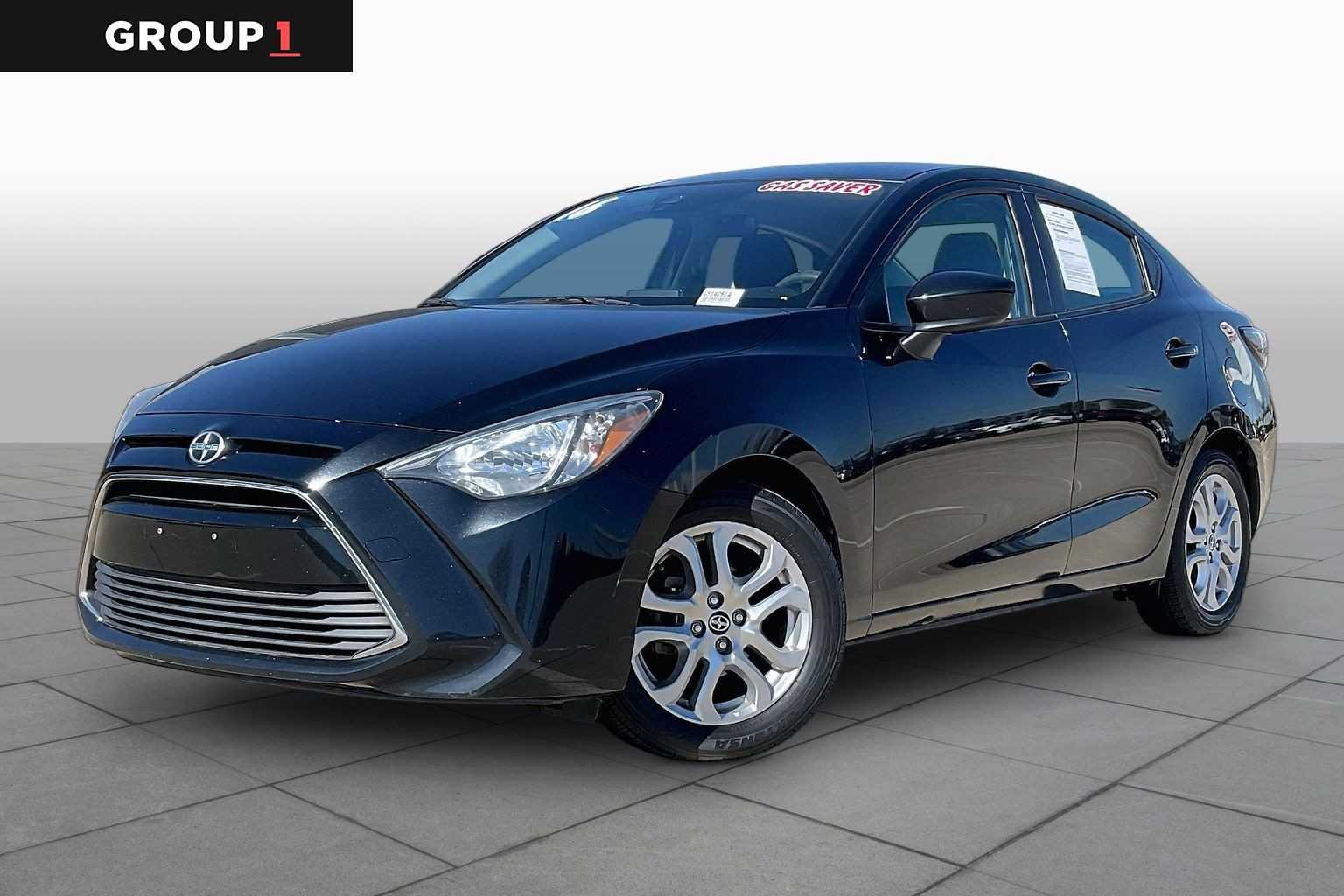
gasoline, automatic, 143K km, sedan, Front Wheels Drive, 1,500 cm3, 2 hp, turquoise, 1.5L 4 Cylinder Engine, Used condition, USA, In stock

Group1Auto.com
 Chevrolet, United States
 Chevrolet, United States
 Macedonia, United States
 Jacksonville, United StatesDenver, United States
 Albuquerque, United States
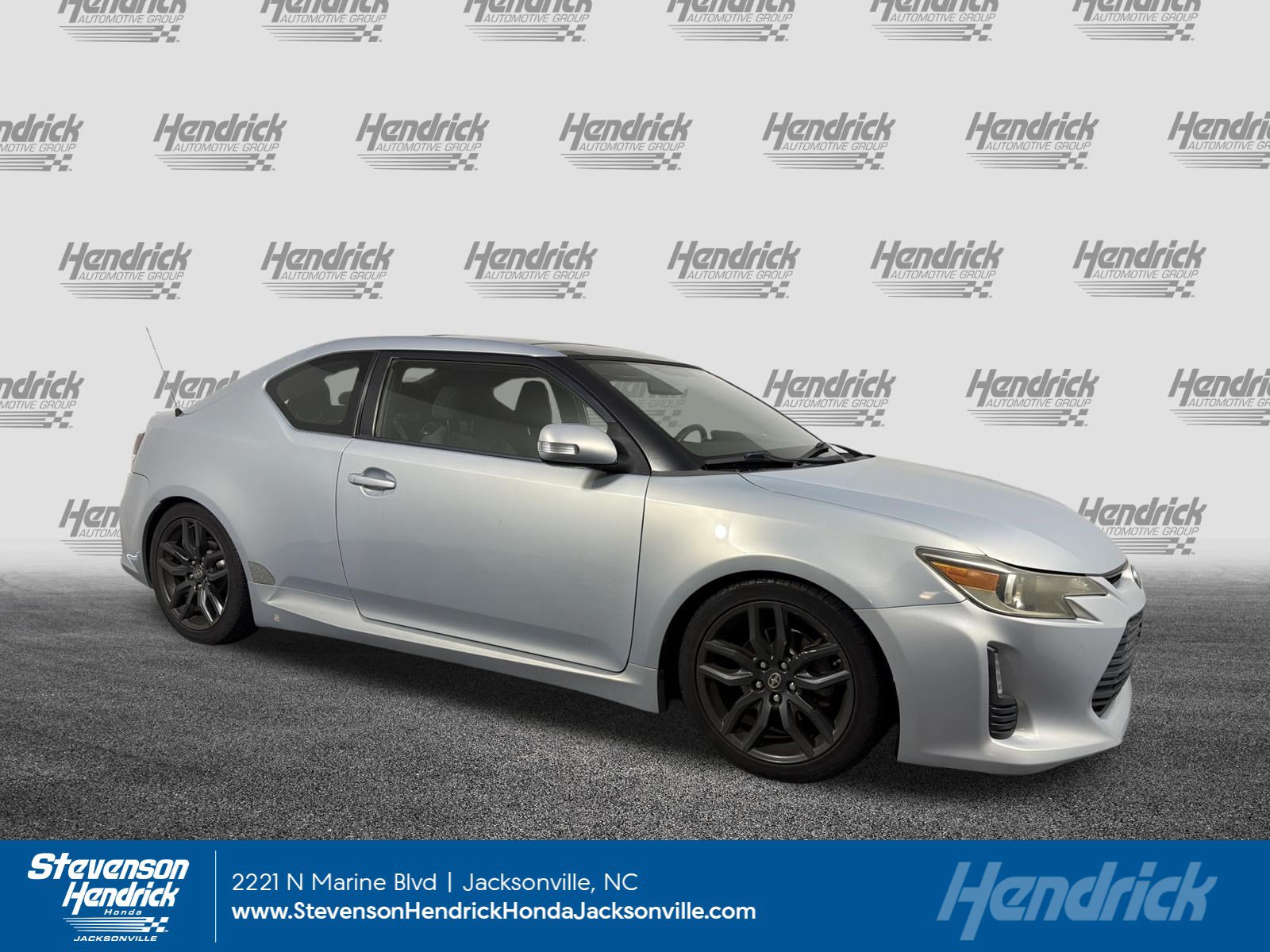
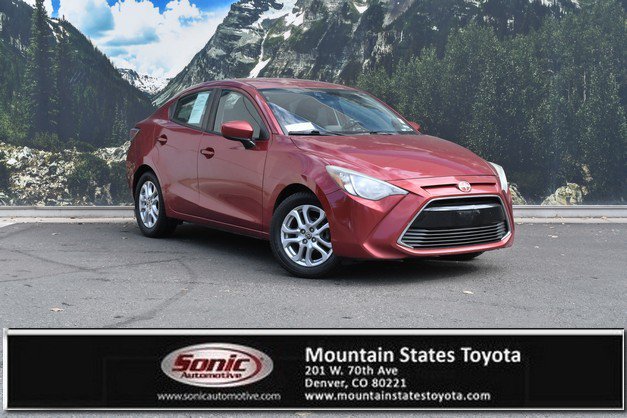
If you’re considering a Scion vehicle, you’re likely weighing whether to buy new or used, which model to choose, and how to maximize resale value. Scion, with its compact designs and practical trims, often appeals to buyers seeking reliability and affordable running costs. This guide covers key considerations for buyers and sellers, with emphasis on the typical models, generations, and configurations you’ll encounter in different markets.
Among the most common Scion choices are compact hatchbacks and sedans that balance efficiency with everyday practicality. When evaluating a specific model, pay attention to the generation, engine type, and body style. Common fuel options include gasoline and hybrid configurations, with mileage figures that help estimate annual ownership costs. If you’re shopping in cities where parking and fuel economy matter, a compact hatchback or sedan often leads to lower running costs and easier maneuverability.
For buyers, key questions include: What year is the best balance of price and reliability? Which engine offers the right blend of performance and fuel efficiency? How does mileage affect future maintenance? For sellers, understanding typical price ranges by year, mileage, and condition can help you price competitively and attract serious buyers.
Prices for Scion vehicles vary by model, year, mileage, and regional demand. When comparing options, consider total cost of ownership: insurance, maintenance, and fuel. Reliability data for Scion models generally points to solid predictability and lower repair costs, especially for well-maintained examples. If you’re unsure about a particular car’s condition, a pre-purchase inspection can reveal hidden issues and help you negotiate confidently.
To evaluate a used Scion, gauge the maintenance history and service records. Look for consistency in oil changes, timing belt or chain replacement, and transmission service. A clean, well-documented history often correlates with higher resale value and easier resale in city markets where demand for compact cars remains steady.
Many buyers search for Scion cars in urban areas and regional hubs where affordable transportation is valued. When selling, emphasize fuel economy, low maintenance costs, and the practical advantages of the model you’re listing. In regions with favorable dealership networks or strong second-hand markets, you may achieve higher resale values for late-model generations with low mileage.
If you’re navigating ongoing ownership decisions, consider the long-term availability of spare parts and service centers in your area. Even with a discontinued brand in some markets, many parts and compatible vehicles remain accessible, supporting ongoing ownership.
With thoughtful evaluation, a Scion can be a dependable, cost-effective choice for daily commuting or weekend trips.
 Add as preferred sourceSee more from zvelta in Google Search Add as preferred source