
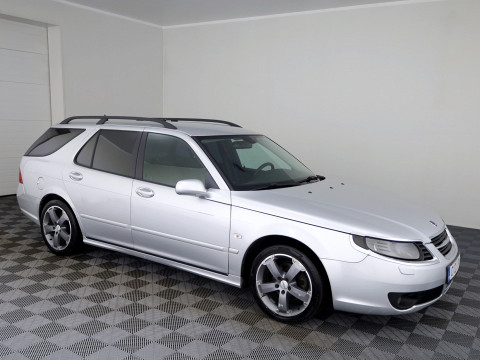


The Saab 9-5 is a storied European sedan that attracted buyers looking for comfort, safety, and a distinct Scandinavian flair. If you’re considering purchasing a Saab 9-5, you’ll want to understand the key models, generations, and what to expect in terms of fuel types, body styles, and overall value. This guide focuses on buyers who are evaluating the Saab 9-5 in the context of popular markets, with attention to year, mileage, price segments, and available configurations.
Understanding the Saab 9-5 generations and configurations
The model line has offered several generations, each with its own characteristics. Common configurations include traditional saloon bodies, with engines ranging from efficient four-cylinders to more powerful six-cylinder variants. When comparing options, consider:
- Year and mileage: Earlier examples often present attractive prices but may require more maintenance. Later generations typically show improved refinement and modern features.
- Fuel type: Petrol engines are most common, with some turbodiesel variants offering higher efficiency. Hybrid or electric options are rare for classic Saab 9-5 configurations, so verify the exact market availability.
- Transmission and drive: Automatic transmissions are prevalent in sedans of this class, with front-wheel drive being standard for many trims, and some performance-oriented variants offering different setups.
- Body condition: Check for rust-free underbody panels, door fit, and alignment. Interior wear can indicate how the car was used.
How to compare Saab 9-5 options within your country and city
When you search for a Saab 9-5, you’ll likely compare similar cars in your region. Consider the following practical angles:
- Price range and depreciation: In many markets, a well-maintained Saab 9-5 from a mid-generation can offer strong value, especially with reasonable mileage.
- Maintenance and parts availability: Saab’s parts network diminished after brand changes, so assess local service options and the likelihood of finding reputable mechanics.
- Ownership costs: Insurance, fuel consumption, and routine maintenance should factor into your budget alongside the sticker price.
- Ownership history: A full service record, documented mileage, and a clean title help protect you from hidden issues.
Popular search phrases buyers use
- How much does a Saab 9-5 cost in [city/country]?
- Saab 9-5 reliability and common issues
- How to tell if a Saab 9-5 has engine or transmission problems
- Best Saab 9-5 year for daily driving vs. performance
- Saab 9-5 fuel economy by generation
Buying tips for Saab 9-5 in practice
- Inspect the engine and turbo system for oil leaks and coolant signs.
- Test-drive to gauge suspension and steering feel, especially in corners and highway speeds.
- Verify mileage is consistent with wear on brakes and tires.
- Obtain a vehicle history report and, if possible, have a trusted mechanic perform a pre-purchase inspection.
Should you buy or sell a Saab 9-5 now?
If you’re selling, highlight the car’s maintenance records, any recent investment in tires, brakes, or timing belt/chain service, and provide clear photos of exterior and interior condition. If you’re buying, target well-documented examples with lower mileage in good condition and reasonable price segments. Regardless of your choice, a Saab 9-5 can be a sensible addition to a balanced garage, especially for buyers who value a comfortable ride and a touch of motor-sport heritage.
 Add as preferred source