 EN
EN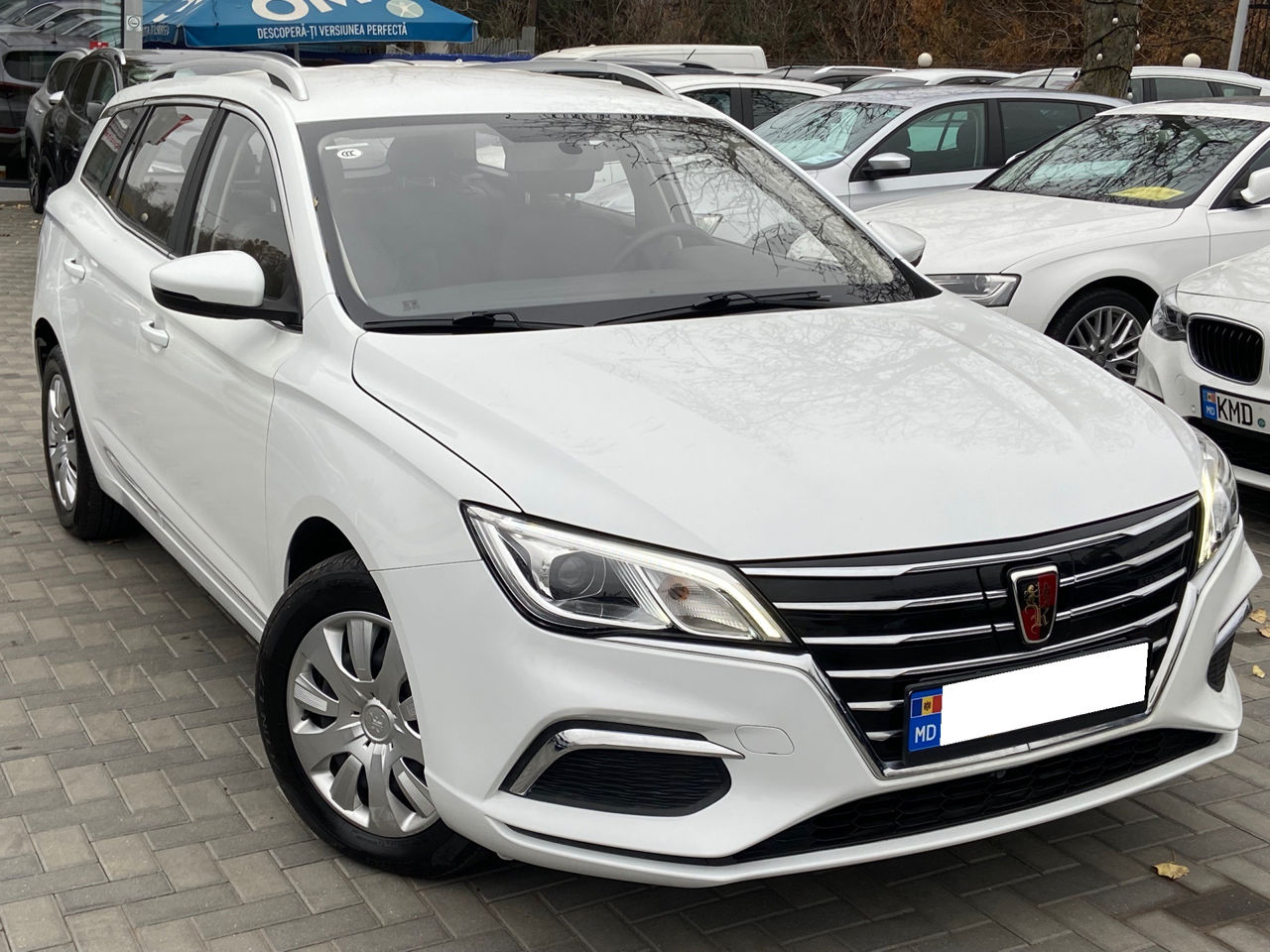
16.022 US$
Roewe: i5, 2018, electric, automatic, 9K km, wagon, Front Wheels Drive, 116 hp, white, i5, Used condition, China

InterAuto.md
 Moldova, Chișinău Municipality
 Moldova, Chișinău Municipality
The Rising Auto i5 represents a modern electric vehicle option for buyers who want a compact sedan with a focus on efficiency, technology, and daily usability. If you’re evaluating whether to purchase or trade in your current car for an i5, there are several practical factors to consider: the generation and trim level, the motor setup and range, body style, and how the car performs in real-world conditions across different cities.
The i5 is offered with a clean electric powertrain and a compact sedan silhouette that appeals to urban drivers and small families alike. When comparing generations, look for improvements in battery efficiency, charging speed, and interior technology. Common questions include: what is the range in typical city driving, how reliable is the drivetrain, and what is the maintenance profile for an EV in this class? Buyers often search for price ranges by year and mileage, such as prices for 2–6 year-old units with under 60,000 miles, and how depreciation affects resale value.
Prices for the Rising Auto i5 vary by country, city, year, and mileage. In markets with strong EV demand, a clean example with reasonable mileage can command a premium, while older or higher-mileage units will sit in lower price brackets. Compare several listings to gauge typical asking prices for a given year and mileage, and consider the total cost of ownership including charging, insurance, and potential incentives.
Whether you’re moving from a conventional gasoline car to an i5 or upgrading within EVs, a thoughtful approach to verification and price benchmarking will help you make a confident decision. If you need tailored guidance for a specific city or country, share your location details and we’ll tailor the insights for your market.
 Add as preferred sourceSee more from zvelta in Google Search Add as preferred source