 EN

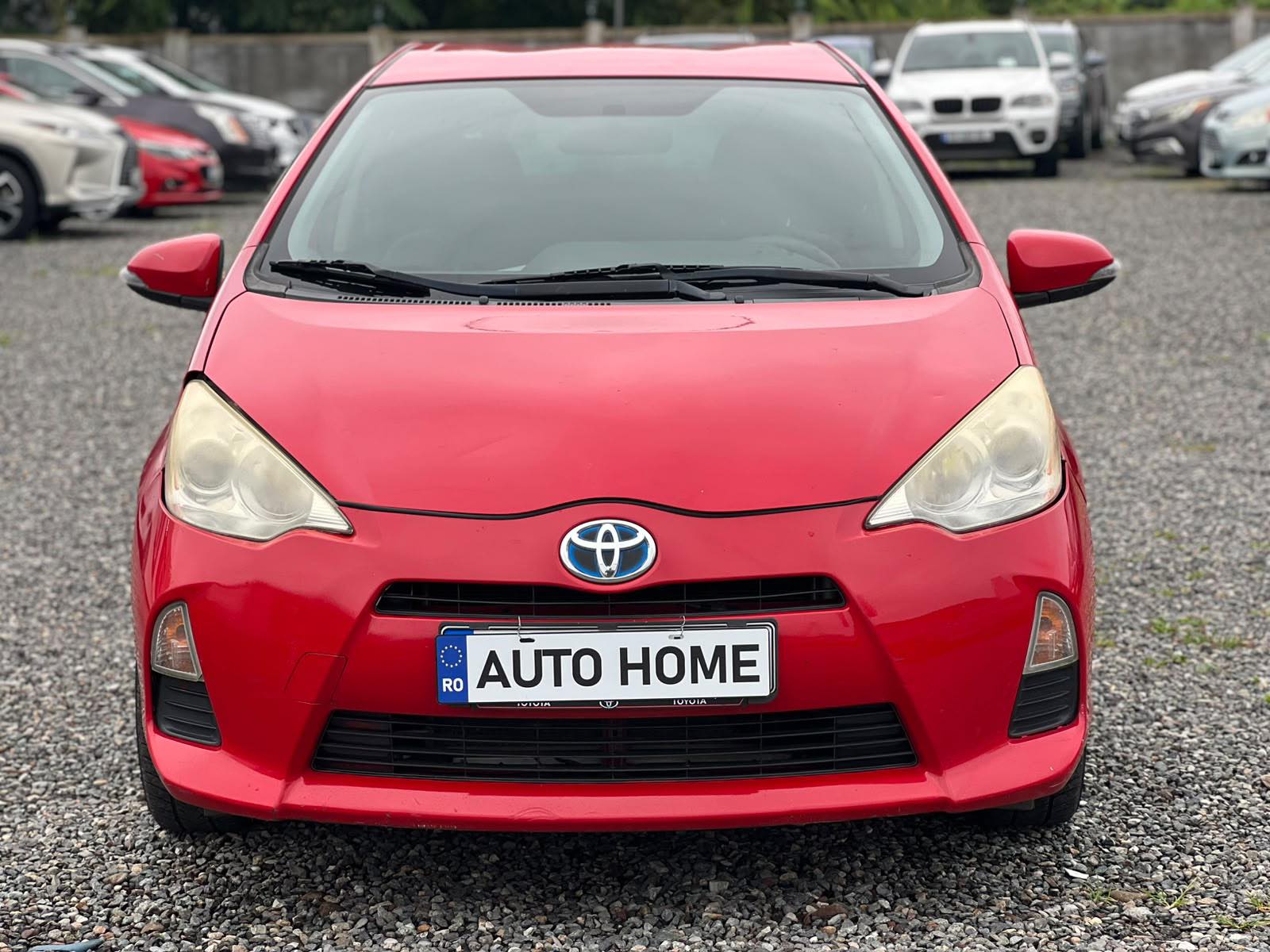
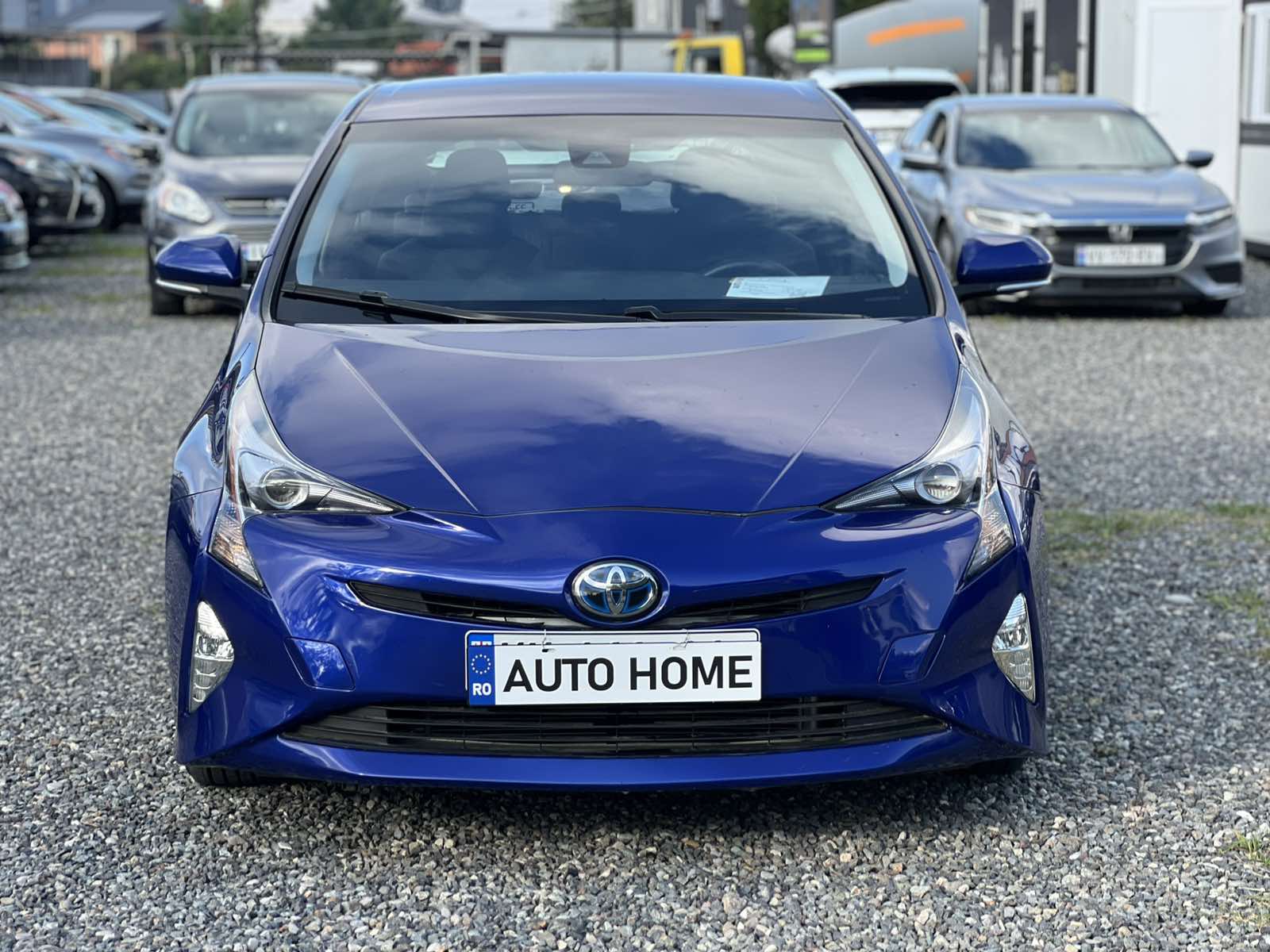
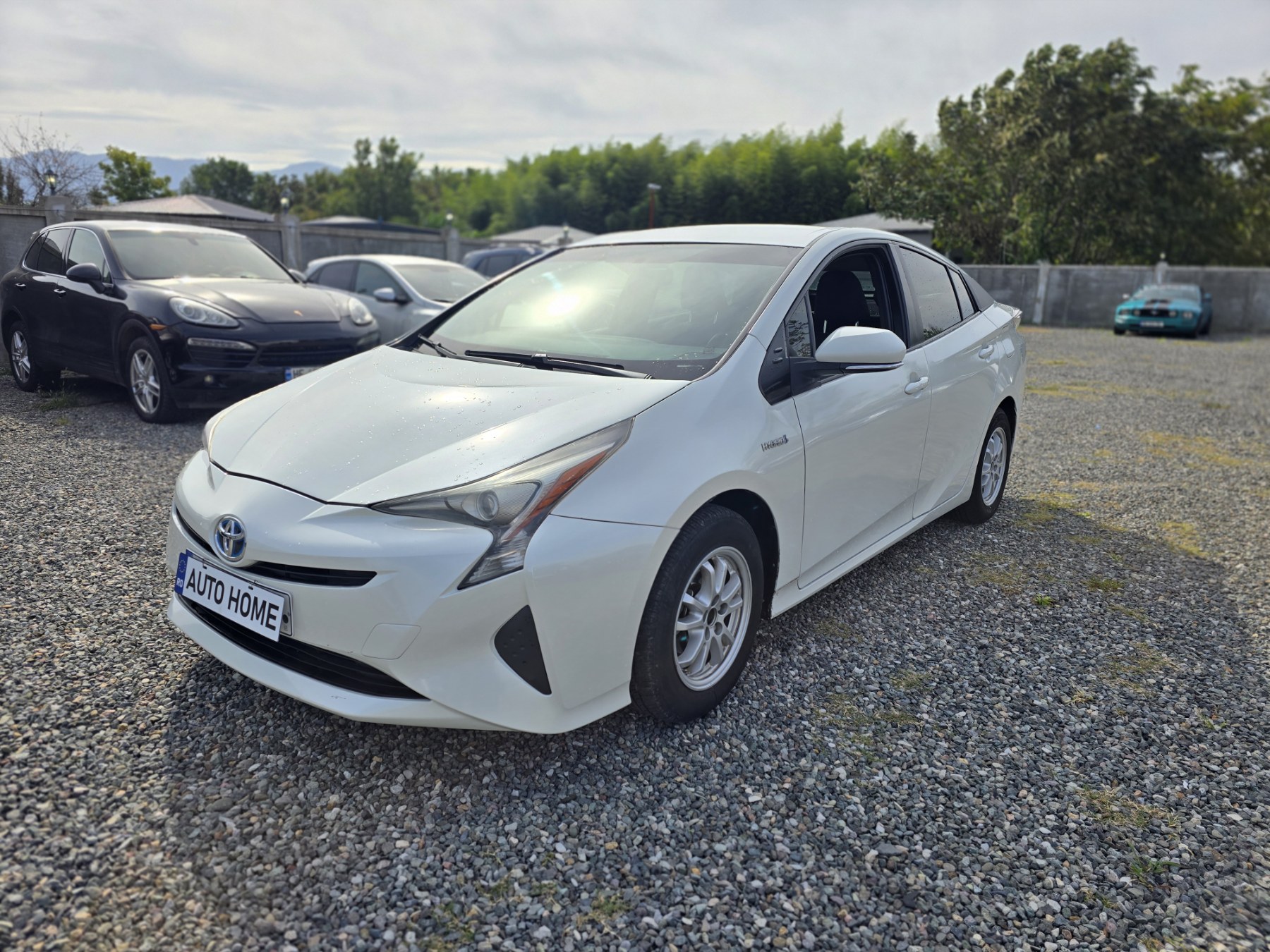
gasoline, automatic, 2 cm3, grey, Low Miles - Rare - UK RHD, Europa, right steering wheel, sale date 20.10.2026 10:49

TheMarket.co.uk
 United Kingdom
Auction starts
20 Oct, 10:49
United Kingdom United Kingdom
 United KingdomUnited KingdomUnited KingdomUnited KingdomUnited KingdomUnited KingdomUnited KingdomUnited KingdomUnited KingdomUnited KingdomUnited KingdomUnited KingdomUnited KingdomUnited KingdomUnited KingdomUnited Kingdom
 Chisinau, Moldova

 Angisa, GeorgiaAngisa, GeorgiaGeorgia, TbilisiGeorgia, Tbilisi
 Georgia, Tbilisi
 Georgia, Tbilisi
If you’re in the market for a car with a right-hand drive, you’re likely looking for models that fit local driving habits and regulations. This guide helps buyers and sellers understand what to look for in right-hand-drive vehicles, with practical tips on choosing the right model, evaluating condition, and considering local factors such as city traffic, fuel types, and price ranges. We’ll cover popular brands, typical generations, and how to assess mileage, year, and body type in a way that’s useful for marketplaces across different locales.
Right-hand drive (RHD) vehicles are common in several regions and are often imported or maintained for specific regulatory or personal reasons. When evaluating an RHD car, consider:
When buying or selling, align your choice with local conditions and personal needs. Consider:
If you’re searching in specific cities or countries, refine your options by local dealer networks and marketplaces. You’ll often find a range of RHD sedans, hatchbacks, and SUVs that balance comfort with practical ownership costs. By knowing what to look for in brand, model, generation, and year, you’ll be better prepared to negotiate price and secure a reliable vehicle that fits your driving style.
 Add as preferred sourceSee more from zvelta in Google Search Add as preferred source