 EN
ENDEALER
22.164 US$DEALER
22.149 US$
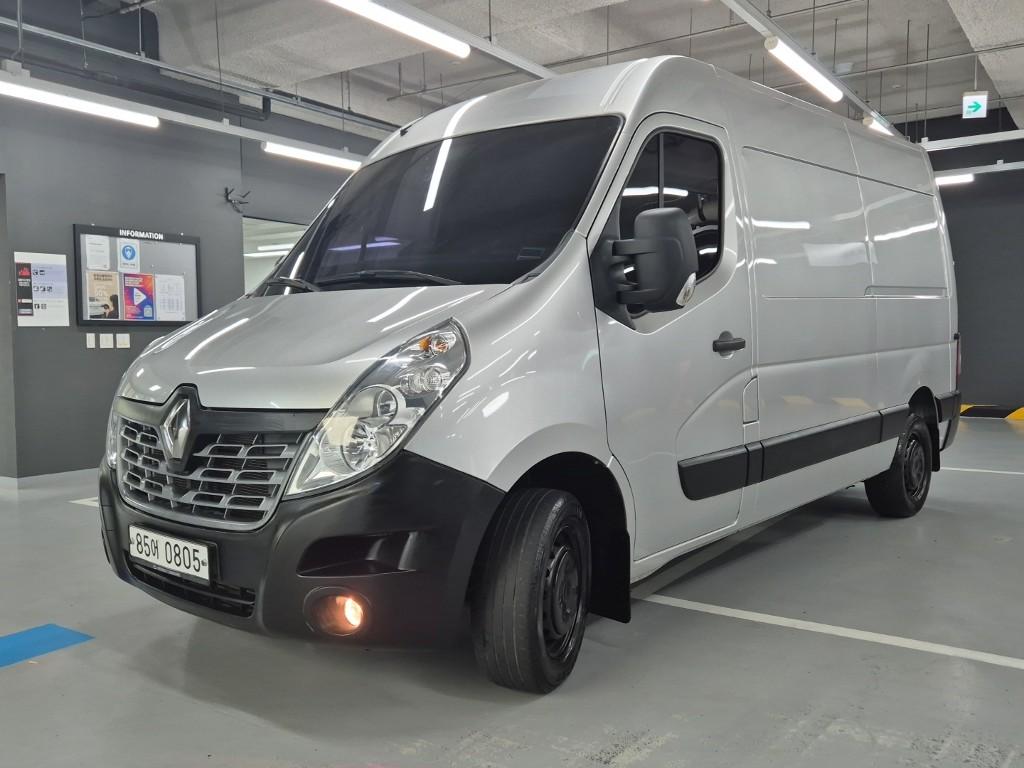
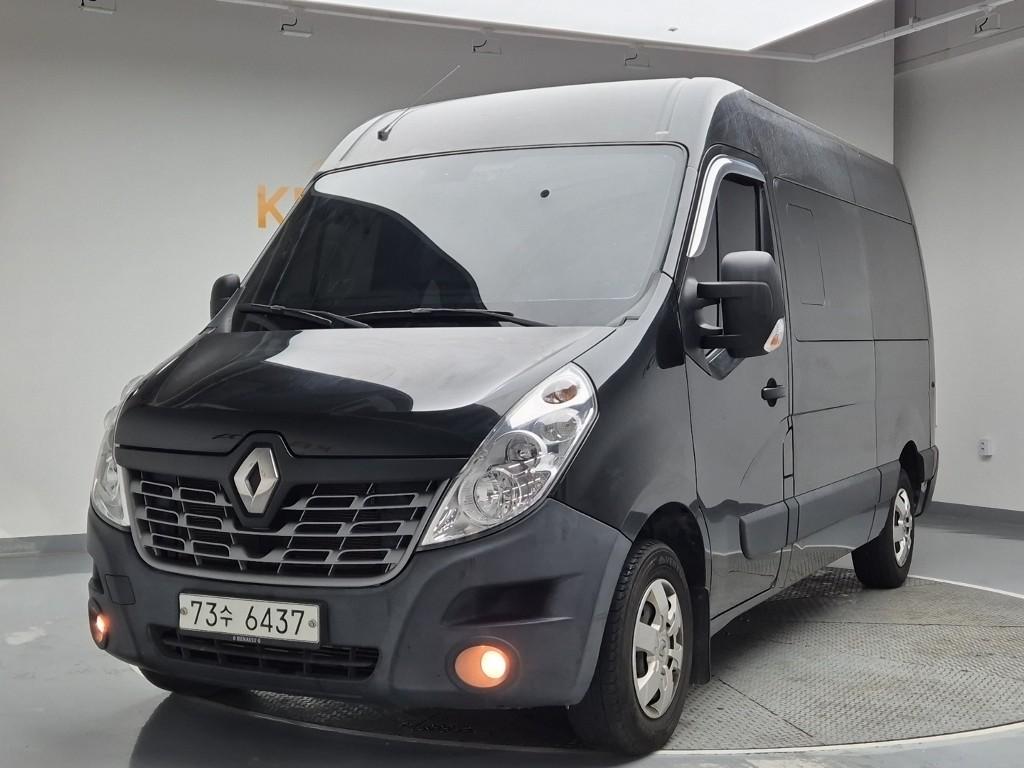
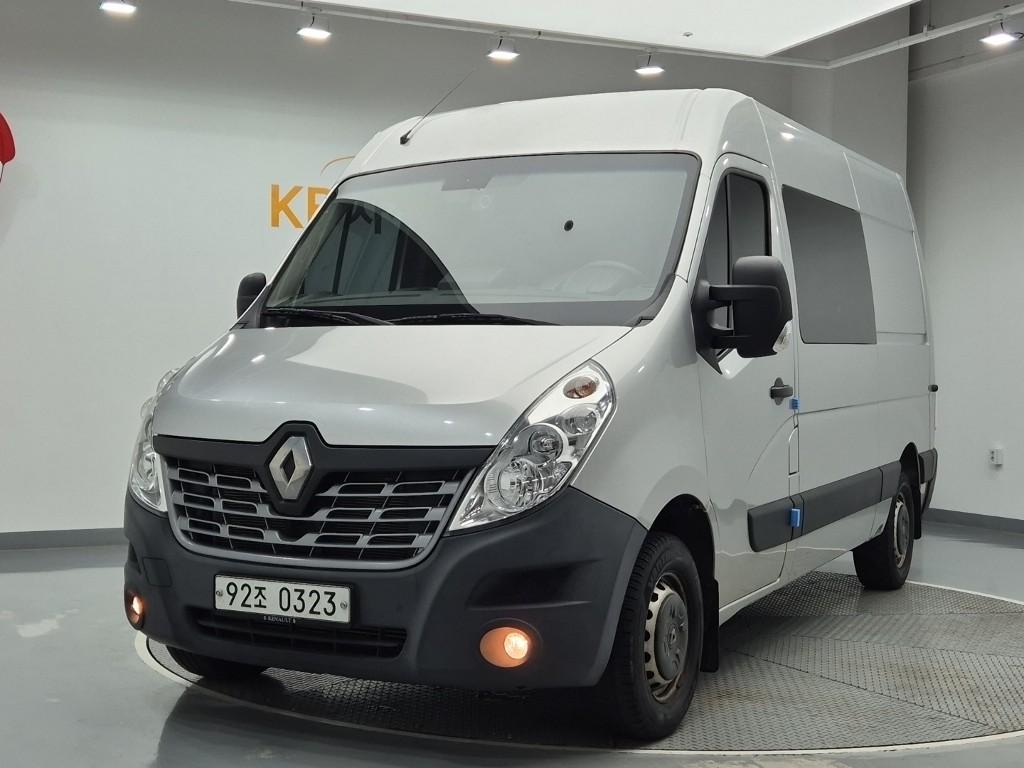
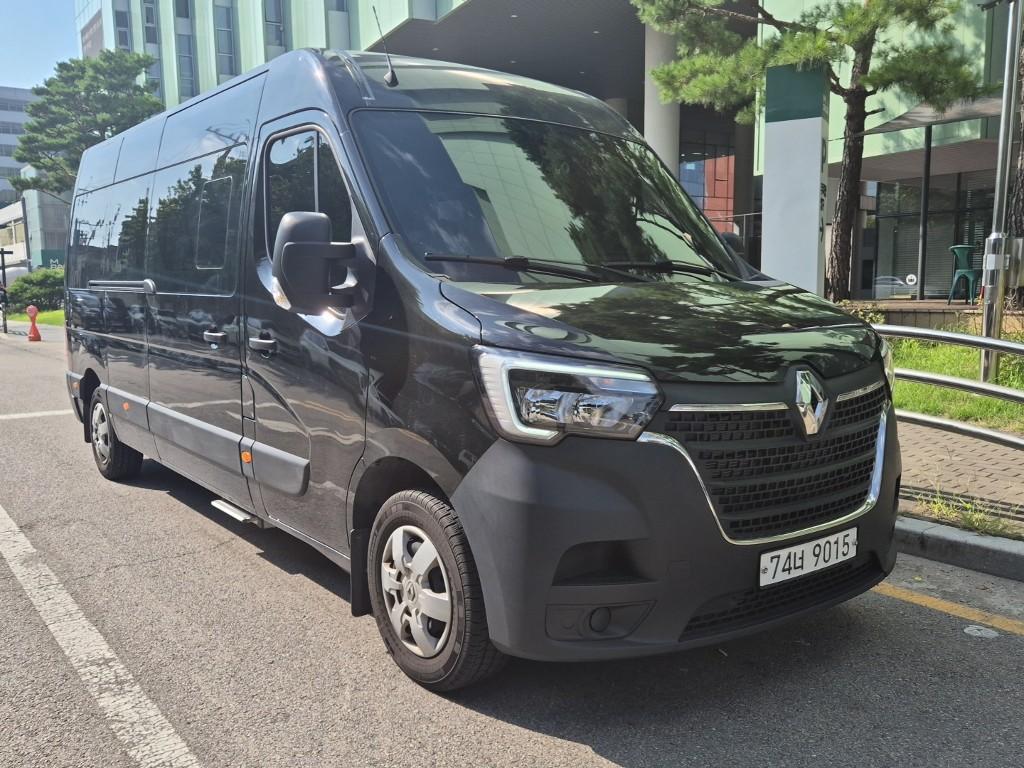
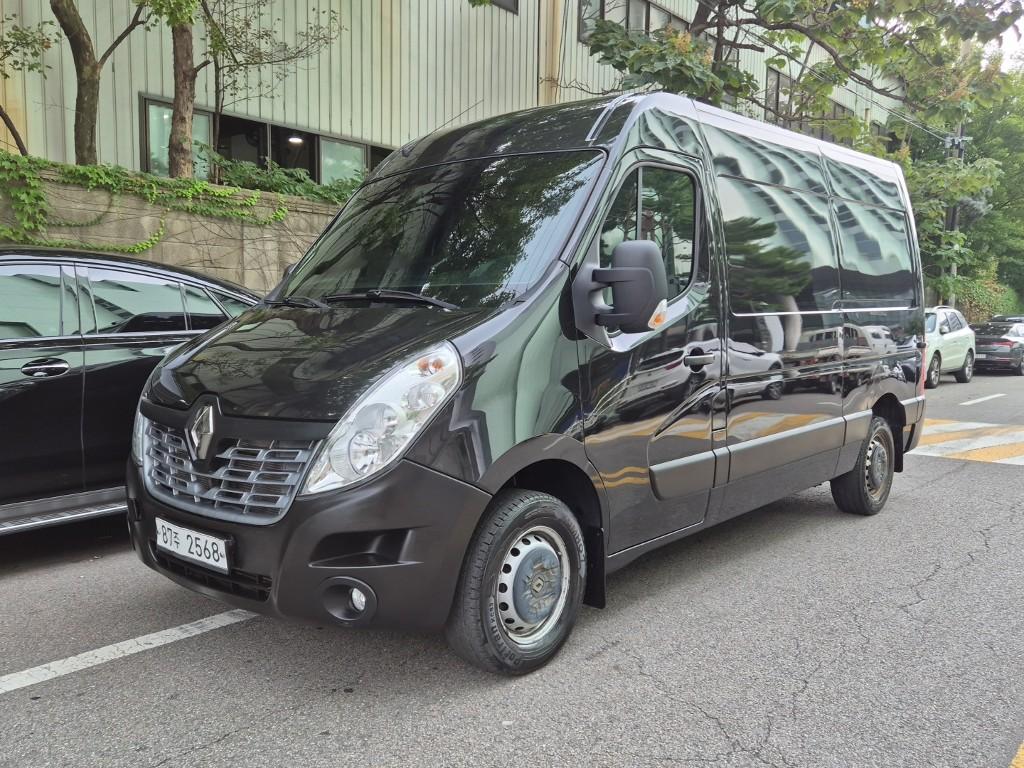
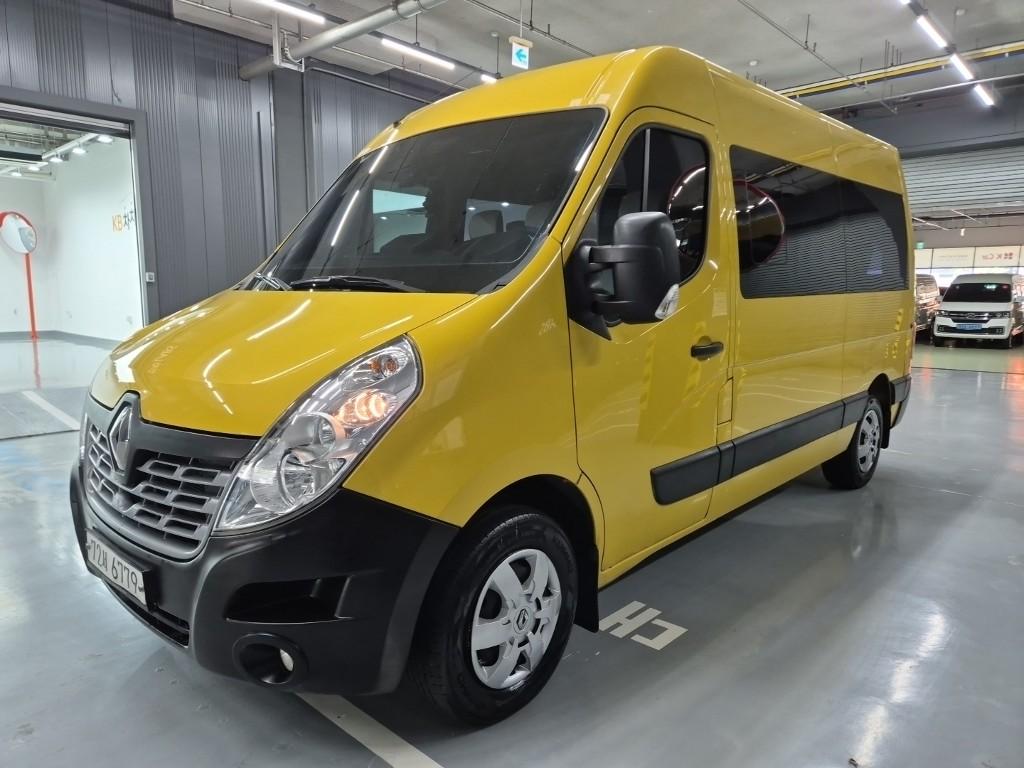
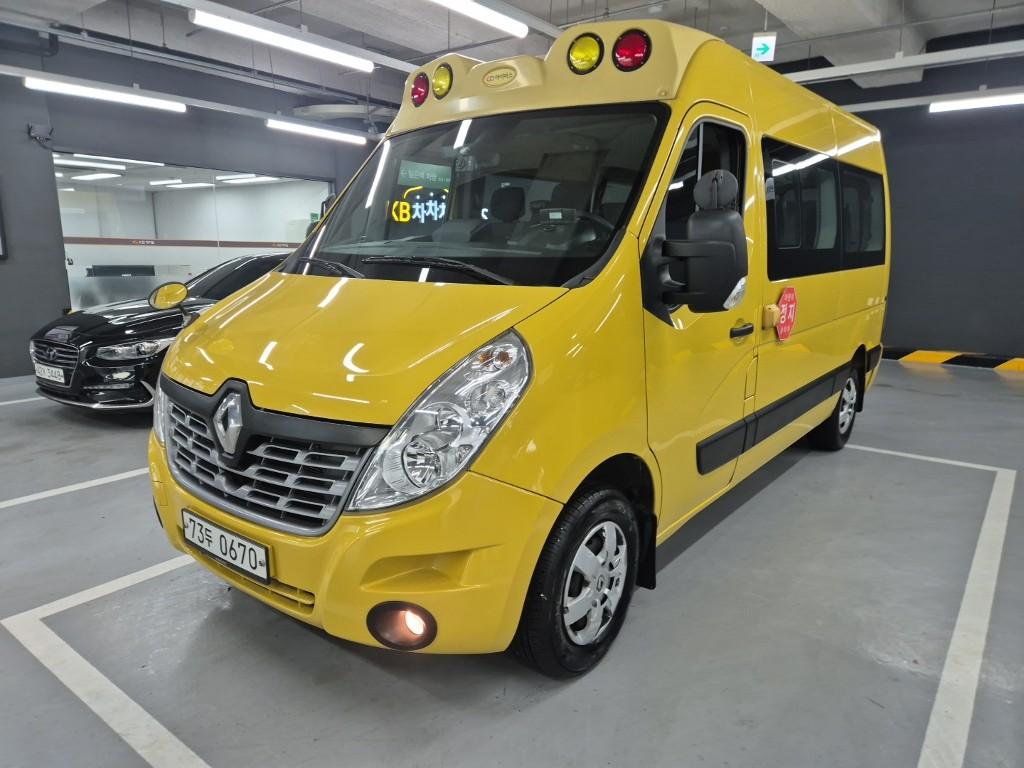
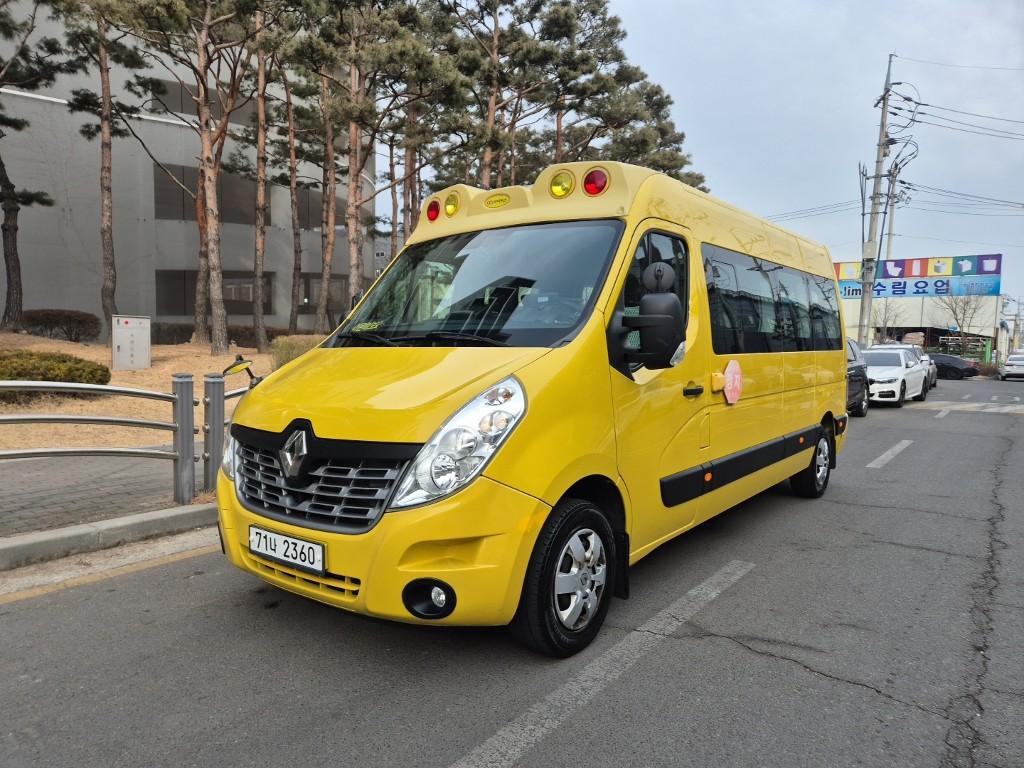
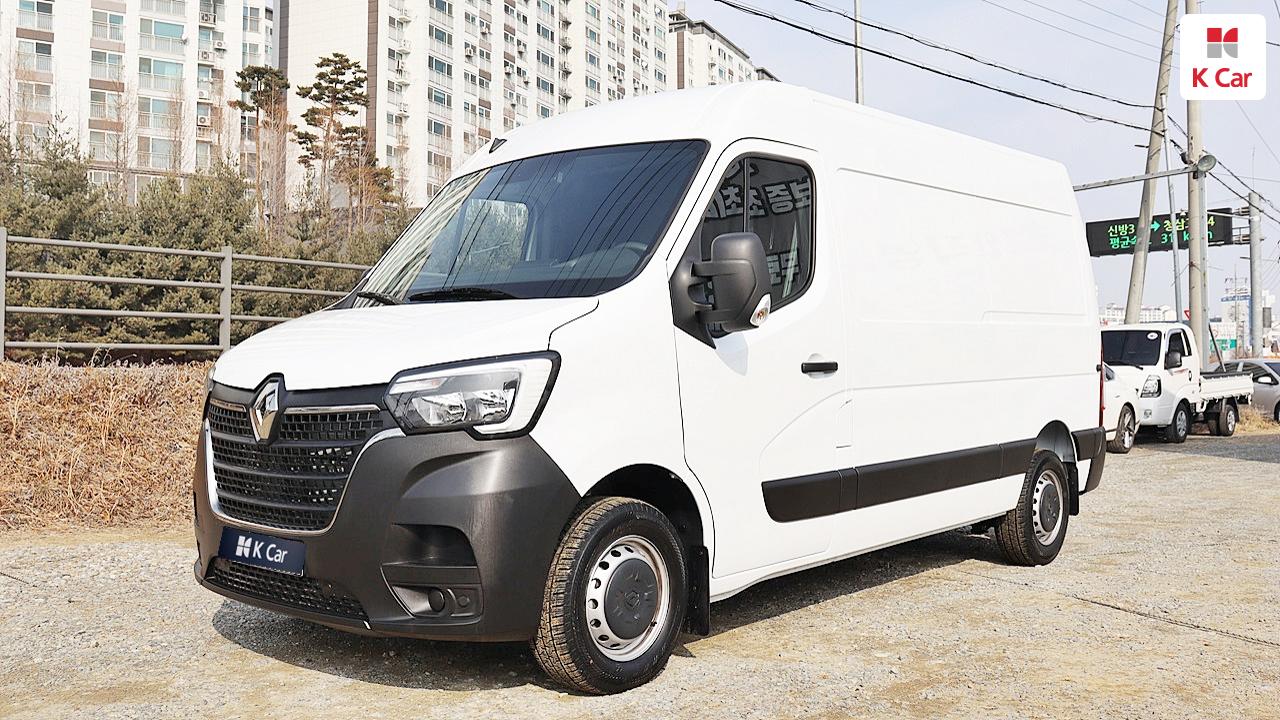
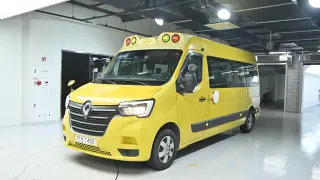
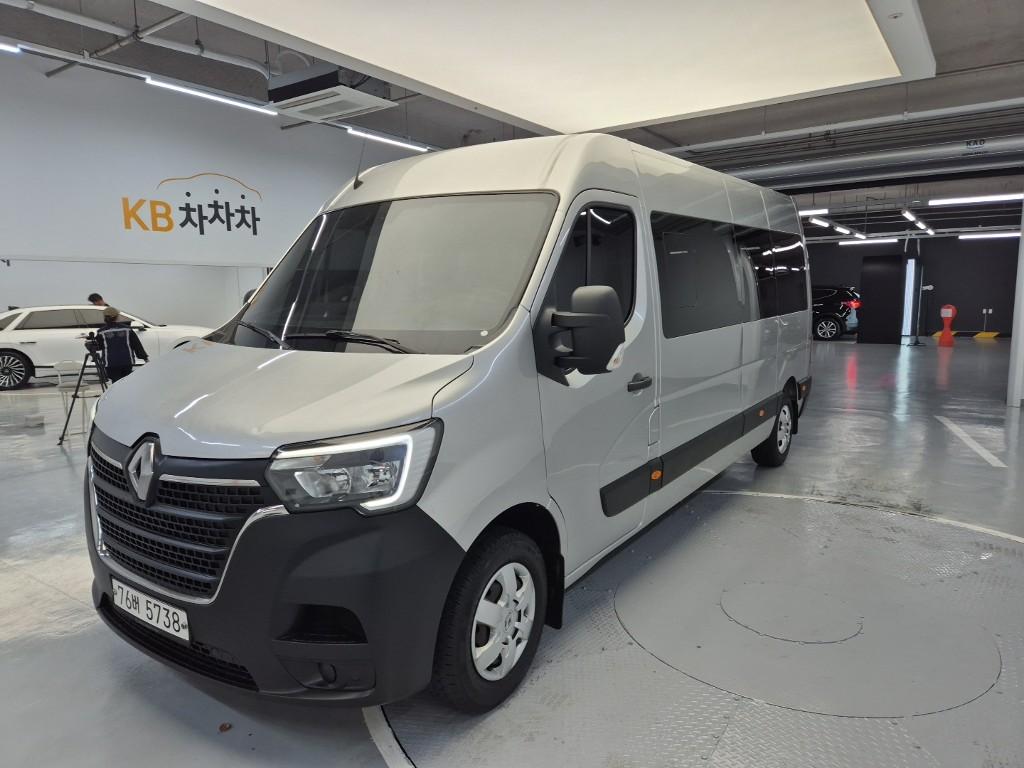
Renault Samsung: Master, 2020, diesel, manual, 19K km, VAN, 2,299 cm3, grey, 15-Seater, Europa, left steering wheel

AutobellGlobal.com
 Seongsu-dong, South Korea
 Seongsu-dong, South KoreaSeongsu-dong, South KoreaSeongsu-dong, South KoreaSeongsu-dong, South KoreaSeongsu-dong, South KoreaSeongsu-dong, South KoreaSeongsu-dong, South KoreaSeongsu-dong, South KoreaSeongsu-dong, South KoreaSeongsu-dong, South Korea
 South KoreaSouth KoreaSouth KoreaSouth KoreaSouth Korea
If you’re in the market for a practical cargo van, the Renault Samsung Master offers a balance of space, reliability, and versatile configurations. This guide covers what buyers and sellers typically consider when dealing with the Renault Samsung Master, focusing on the Master’s generations, fuel options, body styles, and regional price ranges. Whether you’re in a big city or a smaller town, understanding the nuances of this model helps you make a confident choice.
When evaluating Renault Samsung Master, map out your primary use—delivery routes, trades, or passenger transport if applicable. Key comparison points include:
Owners looking to sell a Renault Samsung Master should focus on:
If you’re comparing options in urban hubs or regional markets, consider the Renault Samsung Master’s adaptability to your fleet needs, whether for parcel delivery, service calls, or contractor work. By focusing on engine availability, payload, cargo space, and total cost of ownership, you’ll find a strong balance between upfront price and ongoing operating costs.
 Add as preferred sourceSee more from zvelta in Google Search Add as preferred source