 EN
ENDEALER
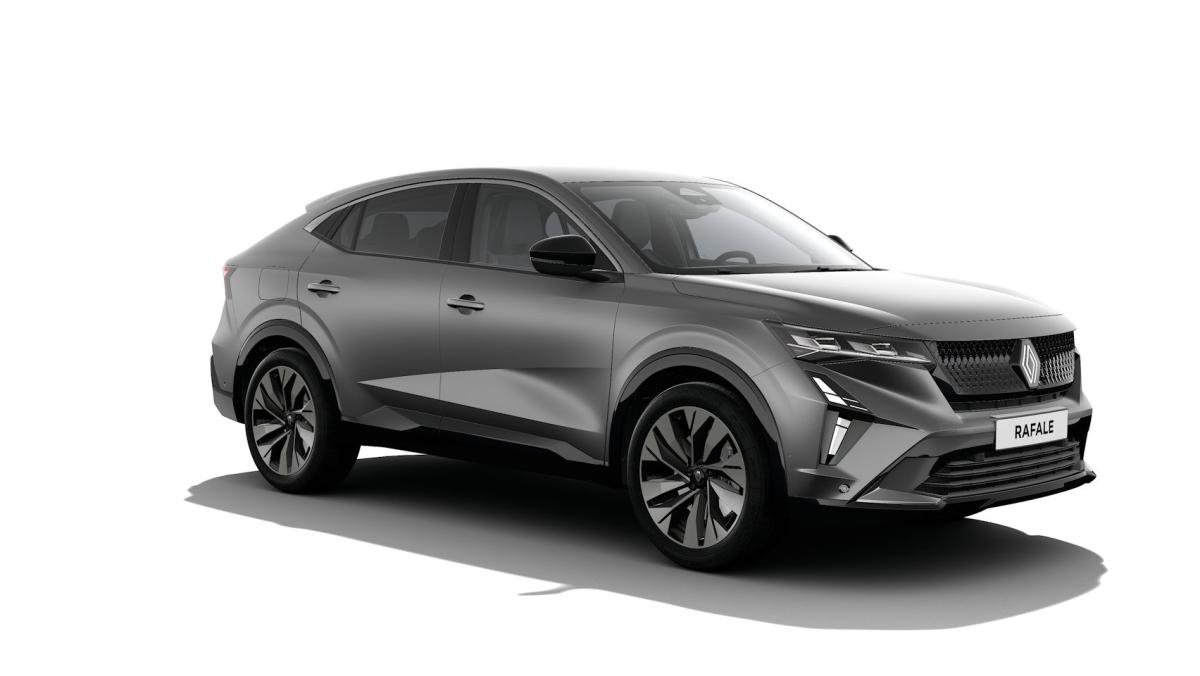
45.634 US$DEALER
2026, hybrid, automatic, SUV, Front Wheels Drive, 200 hp, In stock

Apan-TopSelection.ro
 Romania
 Romania
When you’re in the market for a Renault Rafale, understanding what affects price, reliability, and overall ownership helps you make a smarter choice. This guide covers how to choose the right Rafale, compare configurations across generations, and navigate the local market in your city. From fuel options to body style and mileage, you’ll find practical strings of questions buyers and sellers often ask, along with tips for negotiating and closing a deal.
The Renault Rafale has evolved through different generations, each offering distinct engines and body configurations. Most buyers consider the typical fuel types—gasoline or diesel—and balance fuel economy with performance. Common body styles include compact hatchbacks and sedans, depending on the market. When evaluating a used Rafale, pay attention to the year, mileage, and whether the model is the base trim or a higher-spec variant with added features like upgraded infotainment, comfort packages, or safety systems.
Key questions to guide your choice:
Price is influenced by generation, mileage, regional demand, and overall condition. In many cities, a Renault Rafale from a mid-range year with moderate mileage sits in a practical mid-tier price bracket, while well-kept copies with low mileage command premium pricing. When assessing a listing, compare:
If you’re selling, highlight recent maintenance, any replaced parts, and the car’s clean service log. A well-documented Rafale generally earns higher interest and a quicker sale in the local market.
Buying a Renault Rafale is not only about the sticker price. Consider these practical tips:
For sellers, price competitively by referencing reliable comparables in your city and offering a transparent history. A vehicle in solid condition with complete maintenance records and a clean title often negotiates close to asking price.
In various cities, Renault Rafale demand fluctuates with local fuel prices, taxes, and dealership promotions. Prospective buyers should explore nearby dealerships and certified pre-owned programs, as these often provide warranties and verified maintenance history. If you’re selling, consider listing with clear photos of both interior and exterior, along with a summary of recent service, any remaining warranty, and a transparent price based on current market signals.
Whether you’re buying, selling, or merely researching a Renault Rafale, understanding the interplay between year, mileage, price segment, and regional market dynamics helps you make confident decisions. Keep your search focused on practical criteria and use local listings to gauge what Rafale configurations and prices look like in your area.
 Add as preferred sourceSee more from zvelta in Google Search Add as preferred source