 EN
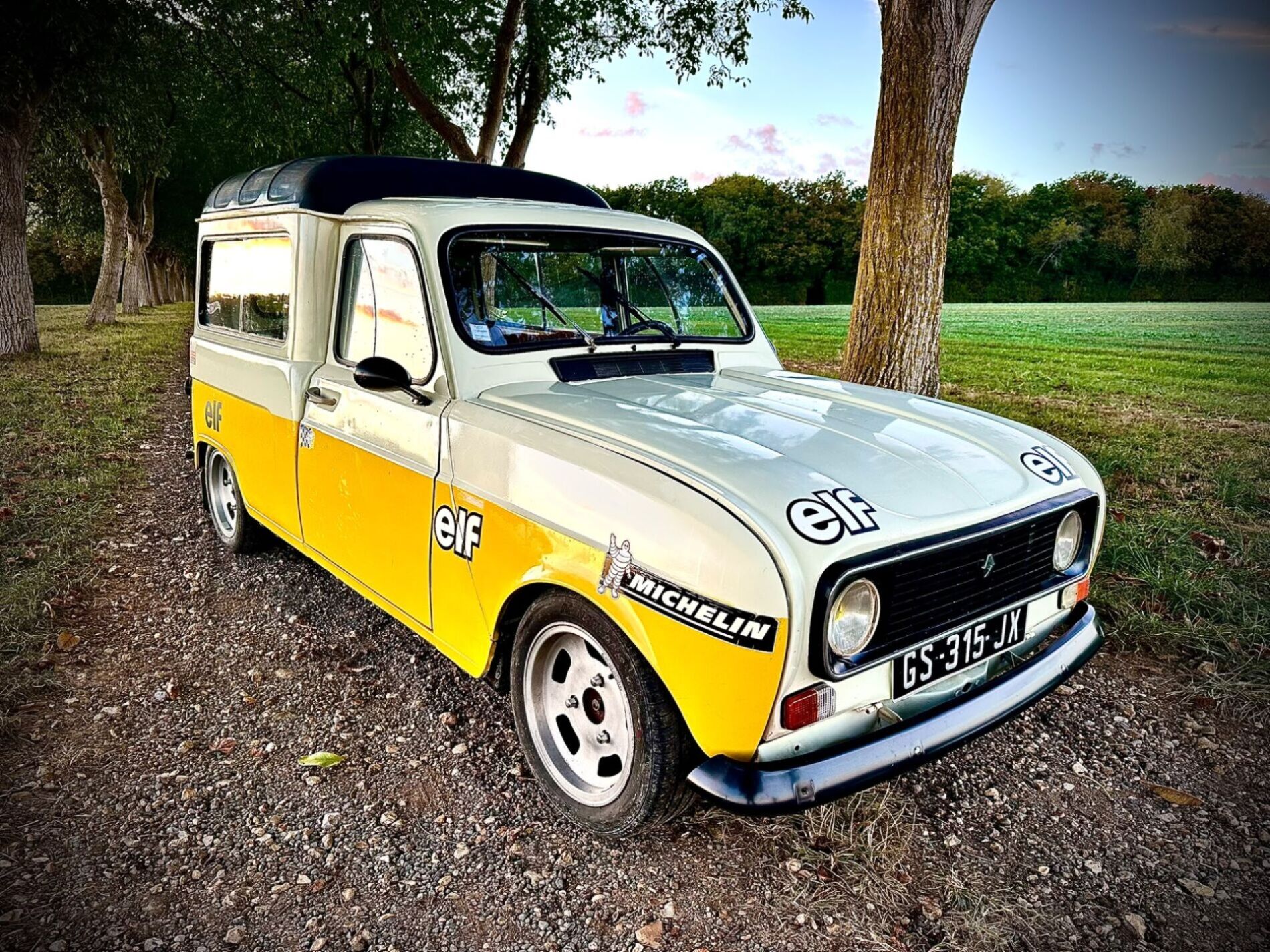
gasoline, manual, 121K km, 63 hp, two colors, reserve, In stock, sale date 26.10.2026 16:10

benzin.fr
 Clermont-Créans, France
Auction starts · 26 Oct, 16:10
Current bid€2,000
 Clermont-Créans, France
The Renault 4 remains a timeless compact with simple charm and practical practicality. Whether you are a collector, a weekend cruiser, or a fan of classic versatility, understanding the Renault 4’s generations, engines, and body styles helps you make a smarter choice. In this guide we explore what to look for when buying or selling a Renault 4, with a focus on common questions buyers ask in different markets, how mileage and year affect value, and how to compare options in a clear and realistic way.
The Renault 4, often called the R4, came in several generations, with variations in body type from hatchback to utility style vans. When evaluating value, buyers consider factors such as year, mileage, original parts, and whether the car has seen light use or heavy, long-term ownership. Common engines in these models include small displacement petrol units known for durability; some markets also saw diesel or more economical configurations. This car’s charm lies in its simplicity, affordability to maintain, and ease of parts replacement.
For a seller, documenting service history, previous ownership, and any restoration work is crucial. Photos of the engine bay, undercarriage, and interiors can significantly impact buyer interest. A transparent description that notes rust, mechanical issues, and whether the car runs or needs a restoration will help set fair expectations and avoid miscommunications.
If you are aiming for a fair price, highlight originality (matching numbers, original paint, factory badges) and any restoration work with receipts. When negotiating, consider the total ownership costs, including parts availability and potential restoration timelines. For buyers, asking about common failure points and the ease of finding spare parts helps set realistic expectations.
Renault 4 models vary by country and year, with different trim levels and equipment. When comparing, consider:
In summary, a Renault 4 can offer approachable ownership, fun driving experiences, and a tangible link to automotive history. By focusing on condition, documentation, and realistic expectations about parts and repair needs, buyers and sellers can navigate the market confidently.
 Add as preferred sourceSee more from zvelta in Google Search Add as preferred source