 EN
EN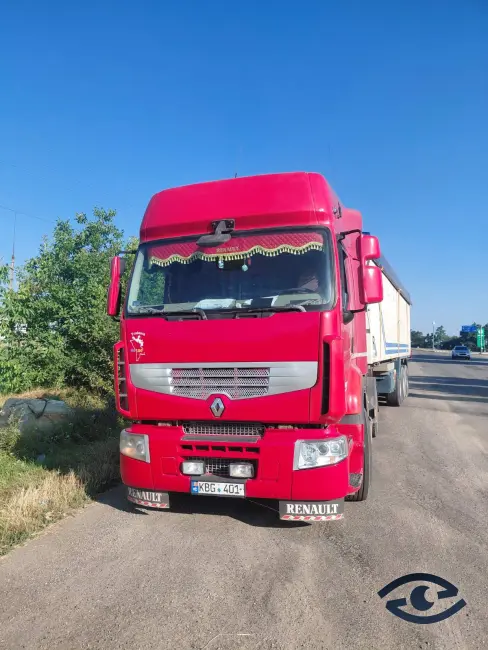
25.017 US$
Renault: 10, 2010, diesel, automatic, 1M km, All Wheels Drive, 10,000 cm3, 460 hp, ZEV, red, Used condition, In stock, left steering wheel, keys available
 Drochia, Moldova
 Drochia, Moldova
Renault 10, the classic compact that often surfaces in conversations about small city cars, continues to attract buyers who value practical engineering and nostalgic design. If you’re considering a Renault 10, whether for daily commuting or weekend projects, this guide helps you navigate choosing, comparing, and selling in your local market. You’ll find tips on engine options, body styles, price ranges, and how to spot a well-maintained example in your city.
The Renault 10 comes in a few generations with distinguishable differences in cabin space, fuel efficiency, and maintenance needs. When evaluating a Renault 10, pay attention to core factors:
In markets where Renault has a strong support network, you can expect easier parts access and more service options, which matters for long-term ownership. If you’re buying, compare at least two or three similar-year cars to assess wear, rust, and service history. If you’re selling, highlight recent maintenance, replaced parts, and any upgrades that improve reliability.
To make a smart decision, search for Renault 10 listings by your city and nearby towns, then compare key signals:
If you’re buying, consider arranging a test drive and a pre-purchase inspection by a trusted mechanic. If you’re selling, prepare a transparent listing with clear photos, a detailed milestone of maintenance, and honest notes about any imperfections.
In summary, whether you’re buying a Renault 10 for practical everyday driving or as a collectible, weigh year, mileage, and condition along with fuel type and body style. A thoughtful comparison of listings in your city will help you land a fair price, while a well-presented selling post can attract interested buyers who value transparency and history.
 Add as preferred sourceSee more from zvelta in Google Search Add as preferred source