EN
ENDEALER
28.937 US$DEALER
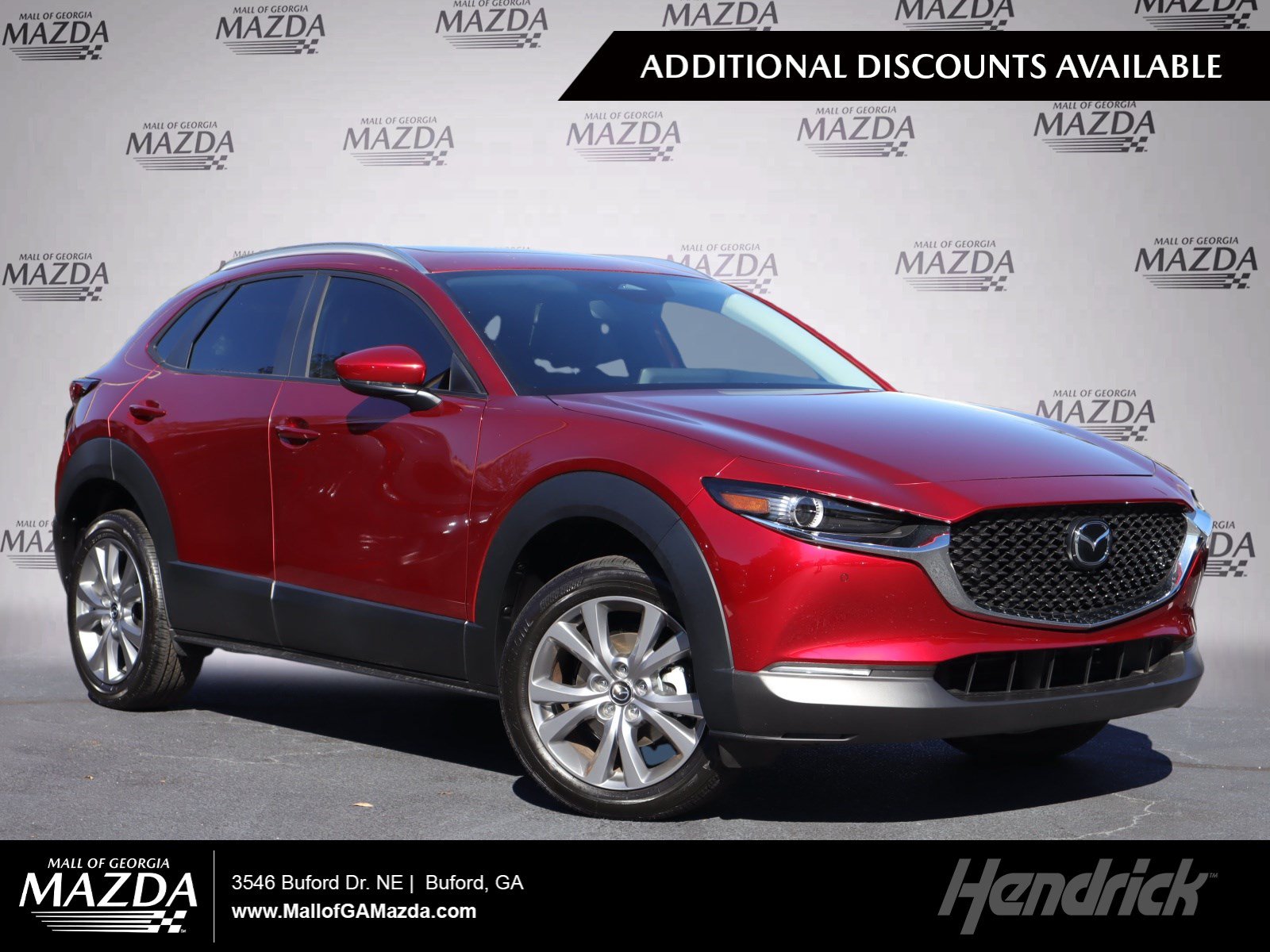
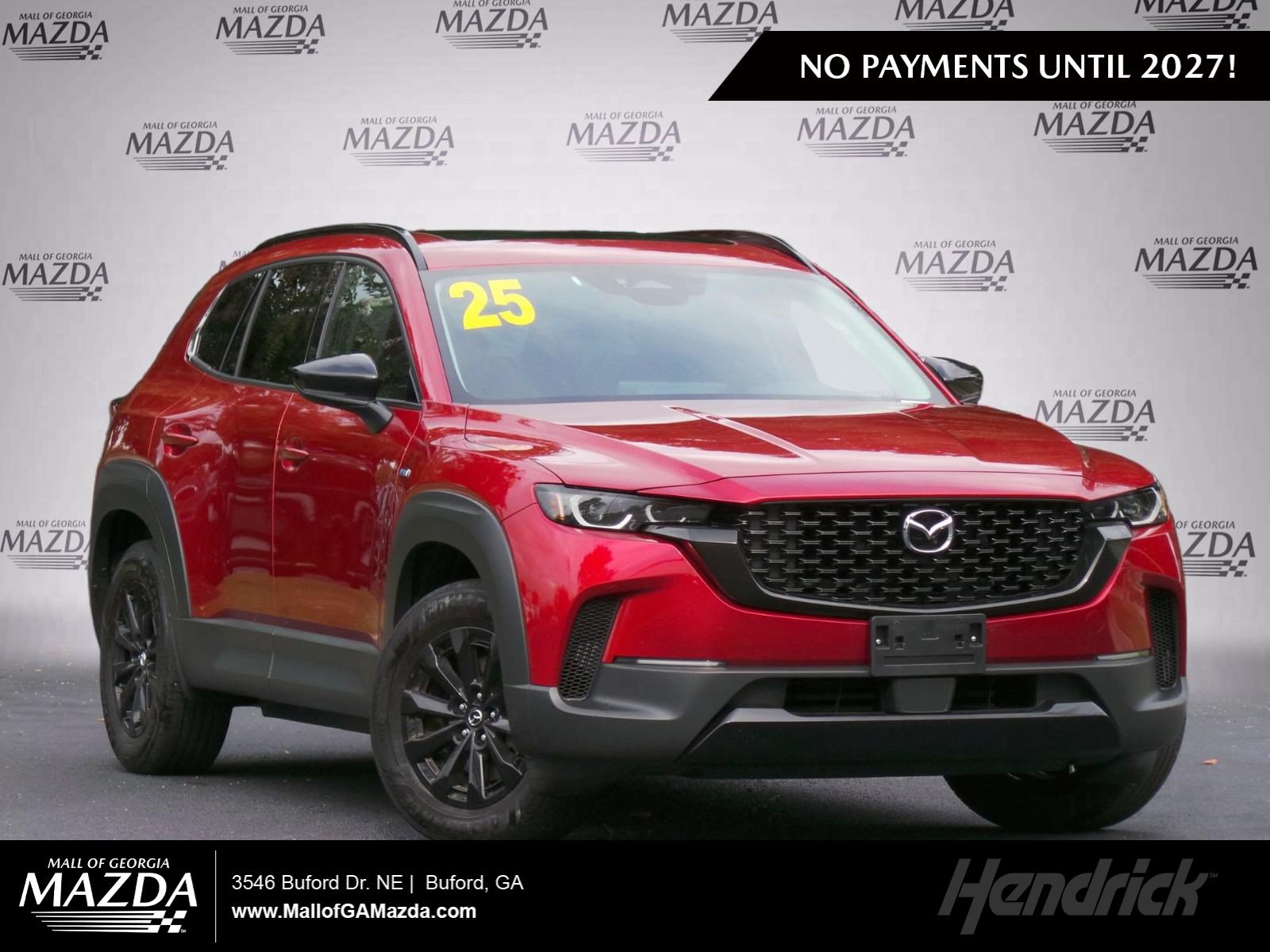
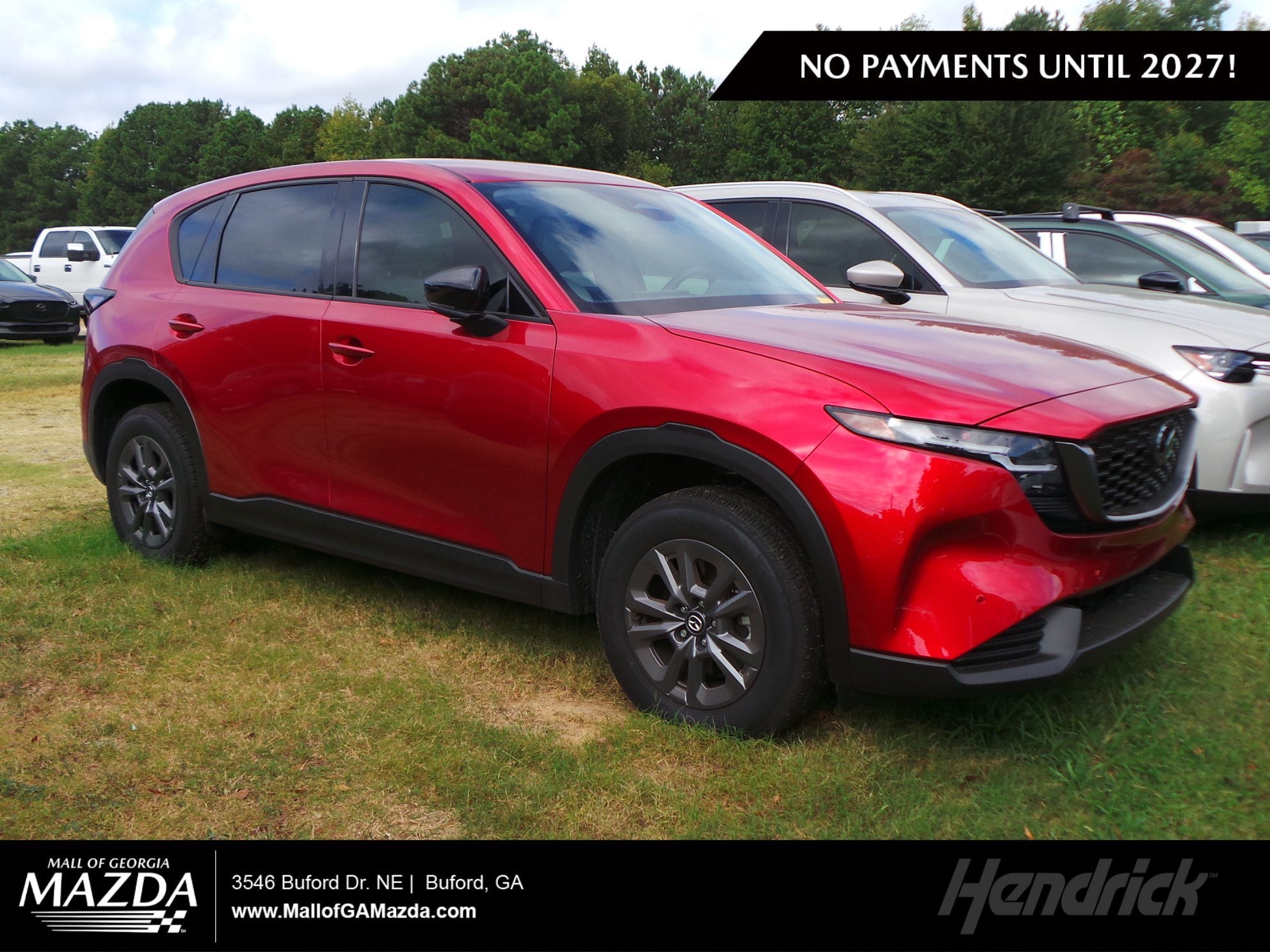
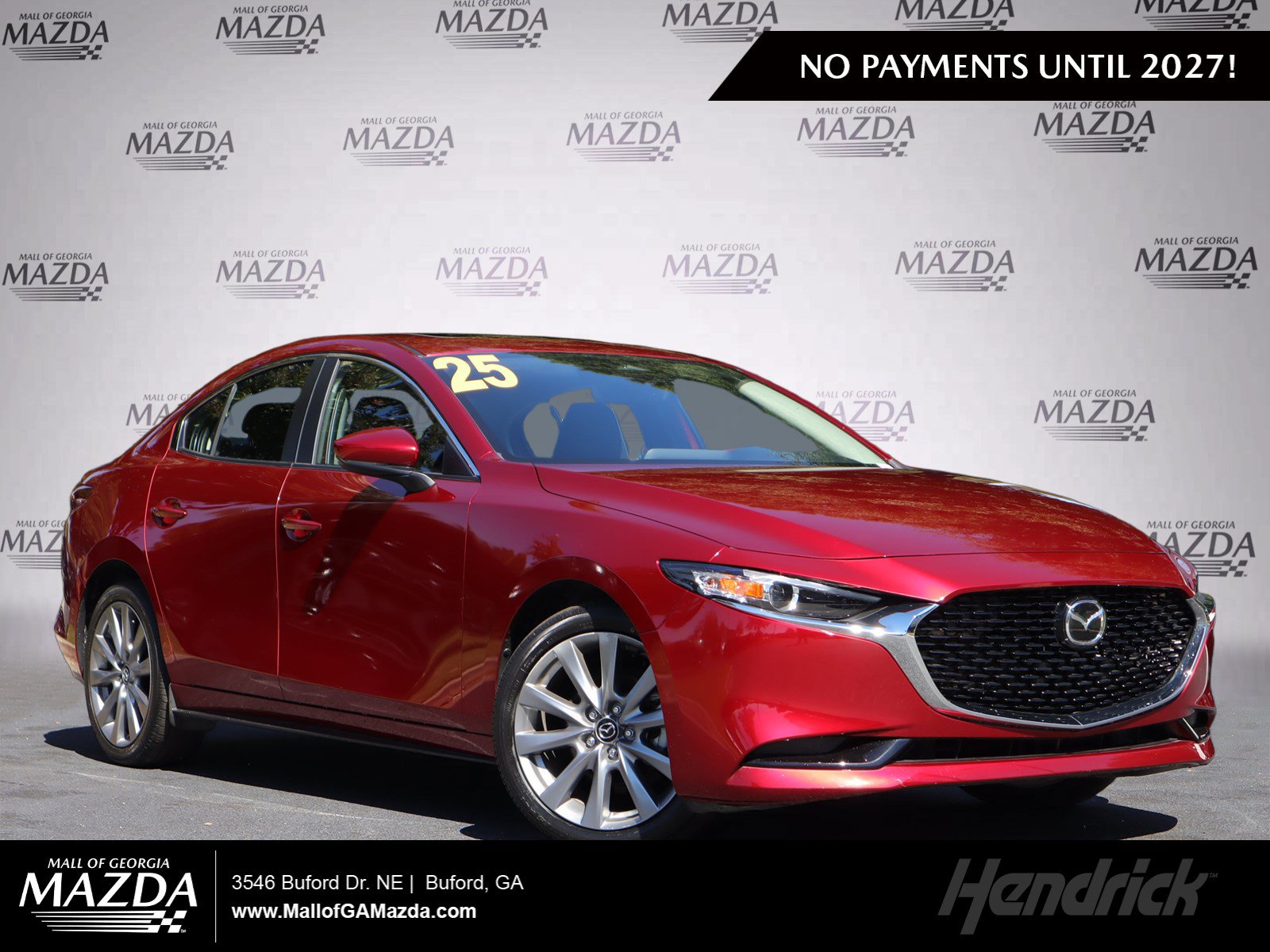
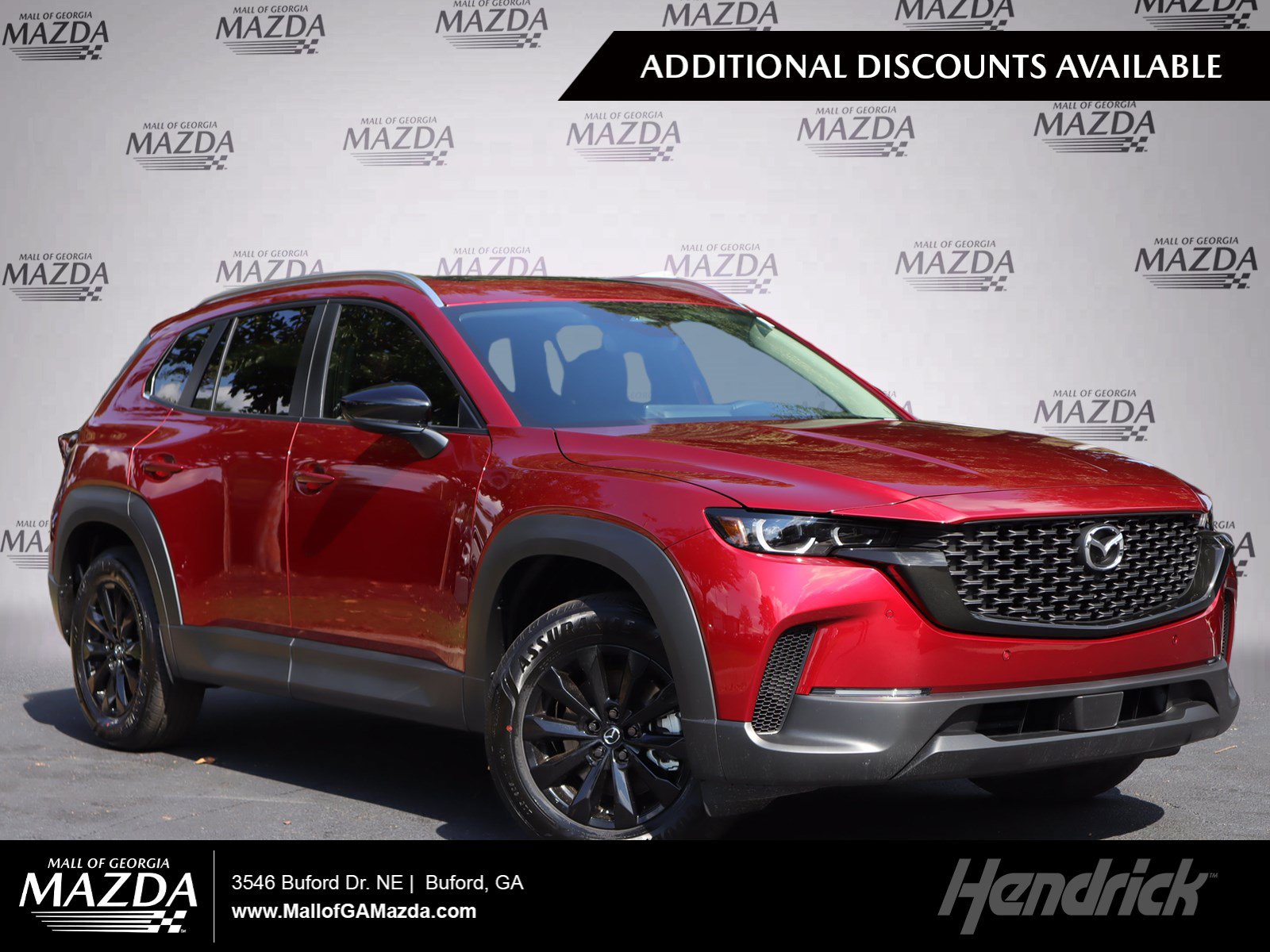
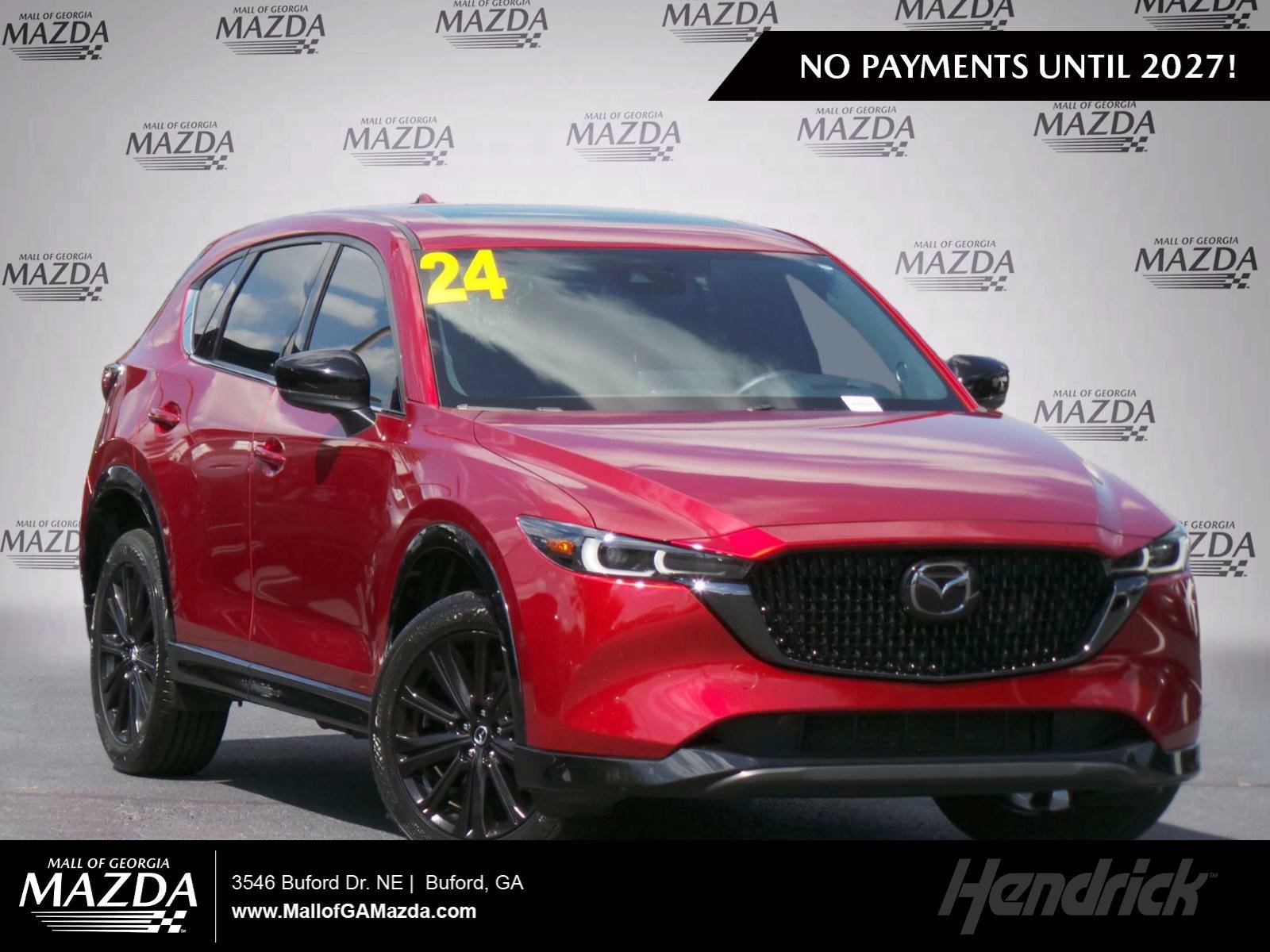
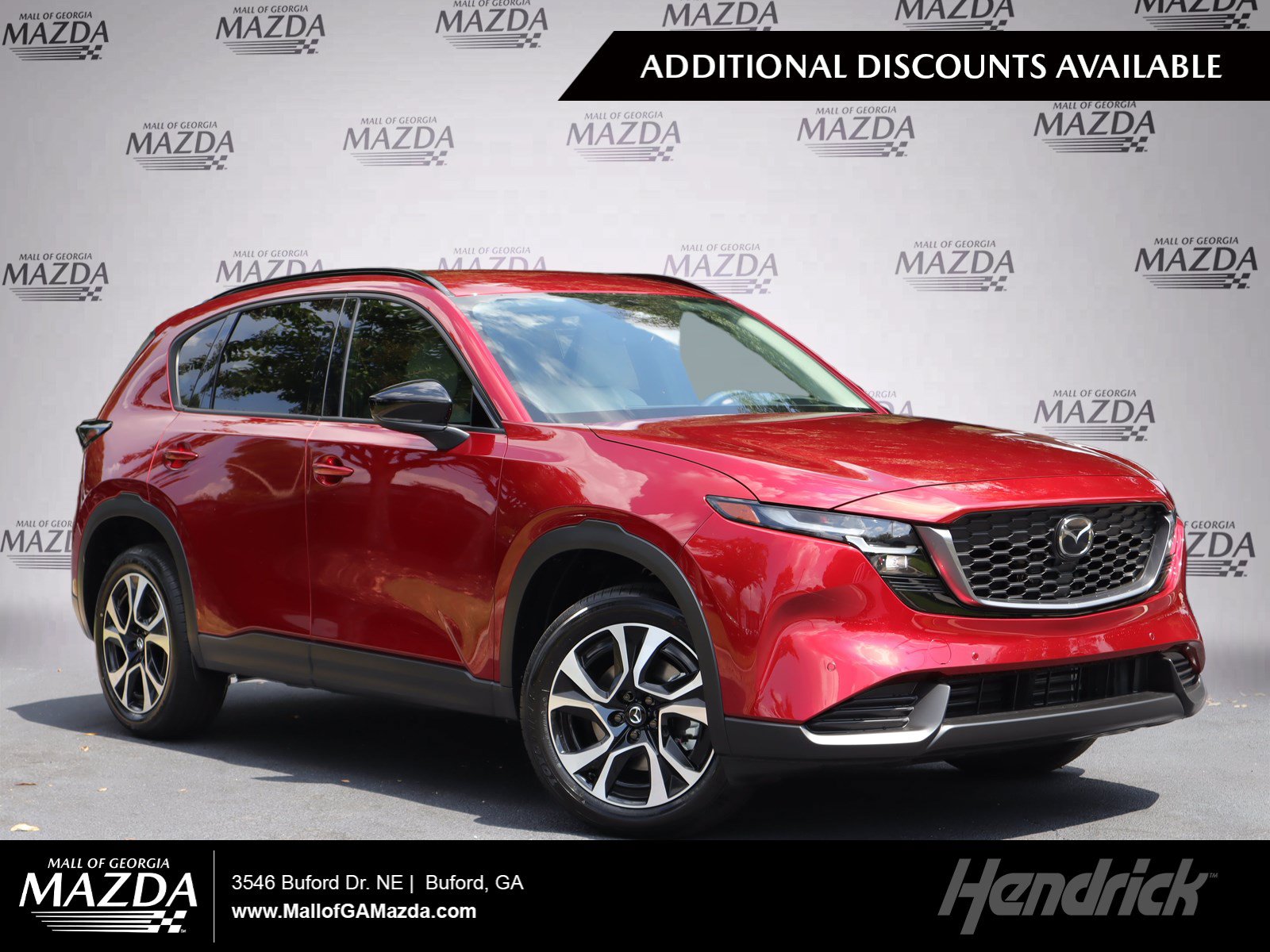
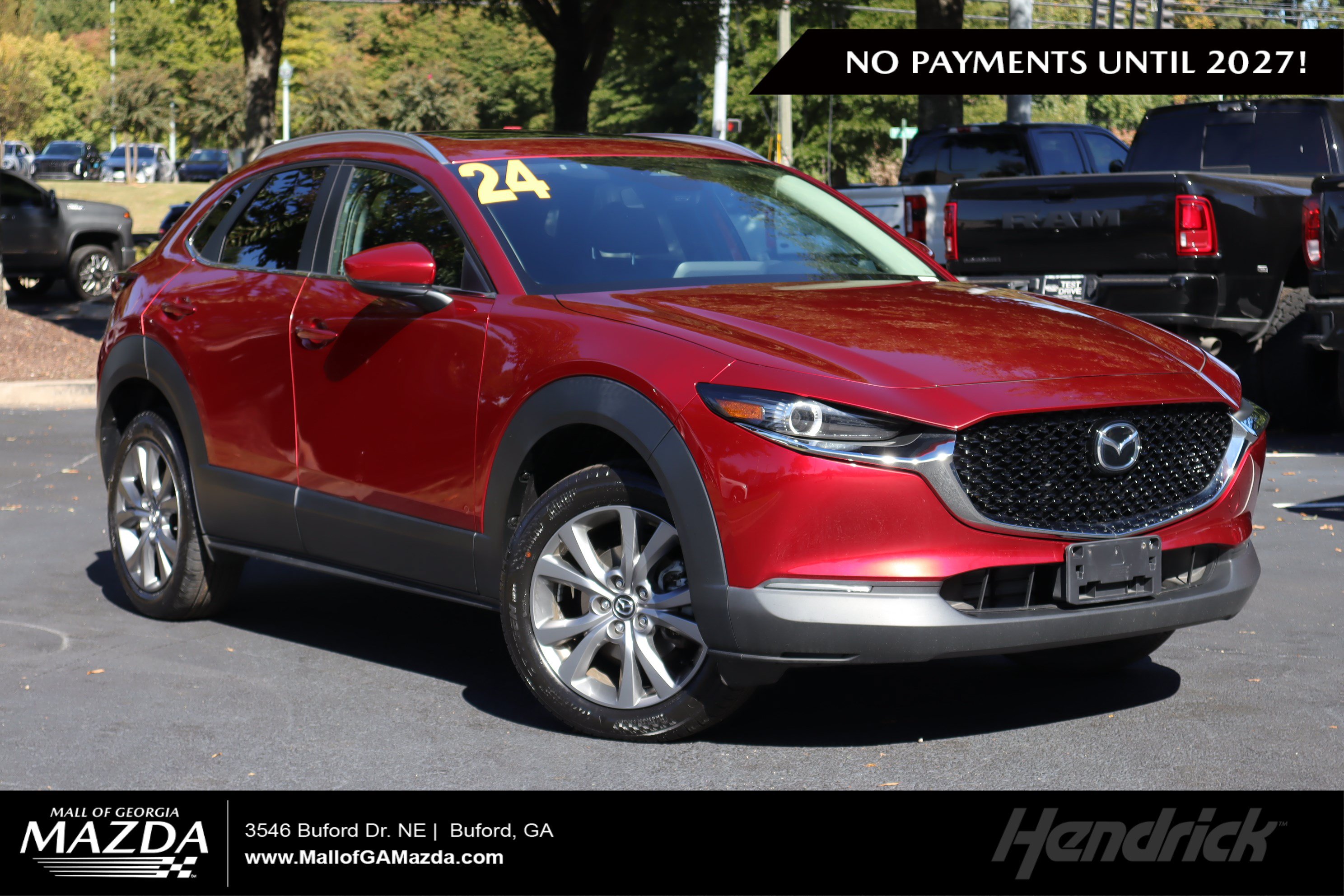
Mazda: CX-30, gasoline, automatic, 51K km, SUV, All Wheels Drive, 2,500 cm3, 191 hp, red, 2.5 S Preferred Package, Used condition, Mexico, In stock

HendrickCars.com
 Buford, United StatesBuford, United StatesBuford, United StatesBuford, United States
 Buford, United StatesBuford, United StatesBuford, United StatesBuford, United StatesBuford, United StatesBuford, United StatesBuford, United StatesBuford, United StatesBuford, United StatesBuford, United StatesBuford, United StatesBuford, United StatesBuford, United StatesBuford, United StatesBuford, United StatesBuford, United StatesBuford, United StatesBuford, United StatesBuford, United StatesBuford, United StatesBuford, United StatesBuford, United States
If you’re in the market for a red car, you’re likely prioritizing standout styling without sacrificing reliability. Whether you’re aiming to buy a compact hatchback for daily commuting or a sportier sedan for weekend drives, this guide helps you evaluate options in your city, understand how mileage and year influence price, and choose configurations that fit your needs. We’ll cover popular brands and models, generation differences, fuel types, and body styles to help you compare red cars effectively in the real world.
Red is a color that can emphasize sportiness or practicality, depending on the model. In a typical market, buyers in cities often search for specific traits: low mileage, clear service history, and a favorable price segment. When evaluating options, consider the brand and model generation, as these determine driving dynamics, interior quality, and resale value. For example, a compact red hatchback from a recent generation may offer modern safety features and efficient fuel consumption, while a red sedan from a trusted brand could provide a smoother ride and higher comfort in longer trips.
Key factors to compare include:
When you search for red cars in your country and city, you’ll encounter a mix of offers. Start by listing three or four models you like, noting their year, mileage, and asking price. Compare the typical depreciation for that model and generation, and check if the car has a full service history. In urban areas, access to service centers and availability of spare parts can influence long-term ownership costs. A red car with a clear maintenance record often wins in resale value, regardless of the exact shade.
If you’re selling, highlight the car’s red color as a visual asset, but focus on tangible details: recent maintenance, replacement parts, tires, brakes, and any recent upgrades. A well-documented history builds buyer trust and can help you command a better price.
By aligning your search with these considerations, you’ll navigate the red-car market more effectively, whether you are buying or selling in your city. It’s about balancing style with value and ensuring the vehicle fits your needs and budget.
 Add as preferred sourceSee more from zvelta in Google Search Add as preferred source