 EN
ENDEALER
27.948 US$DEALER
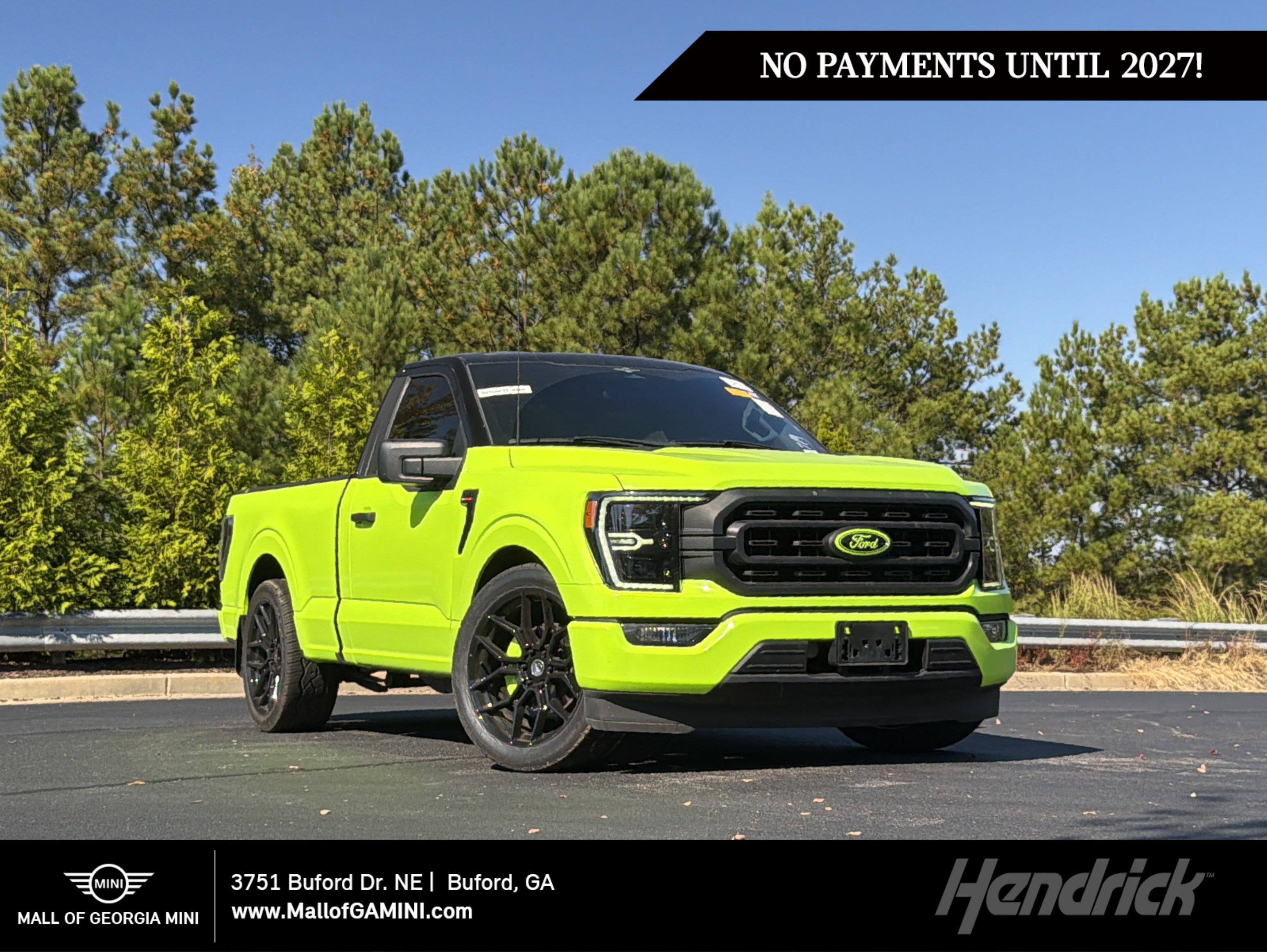
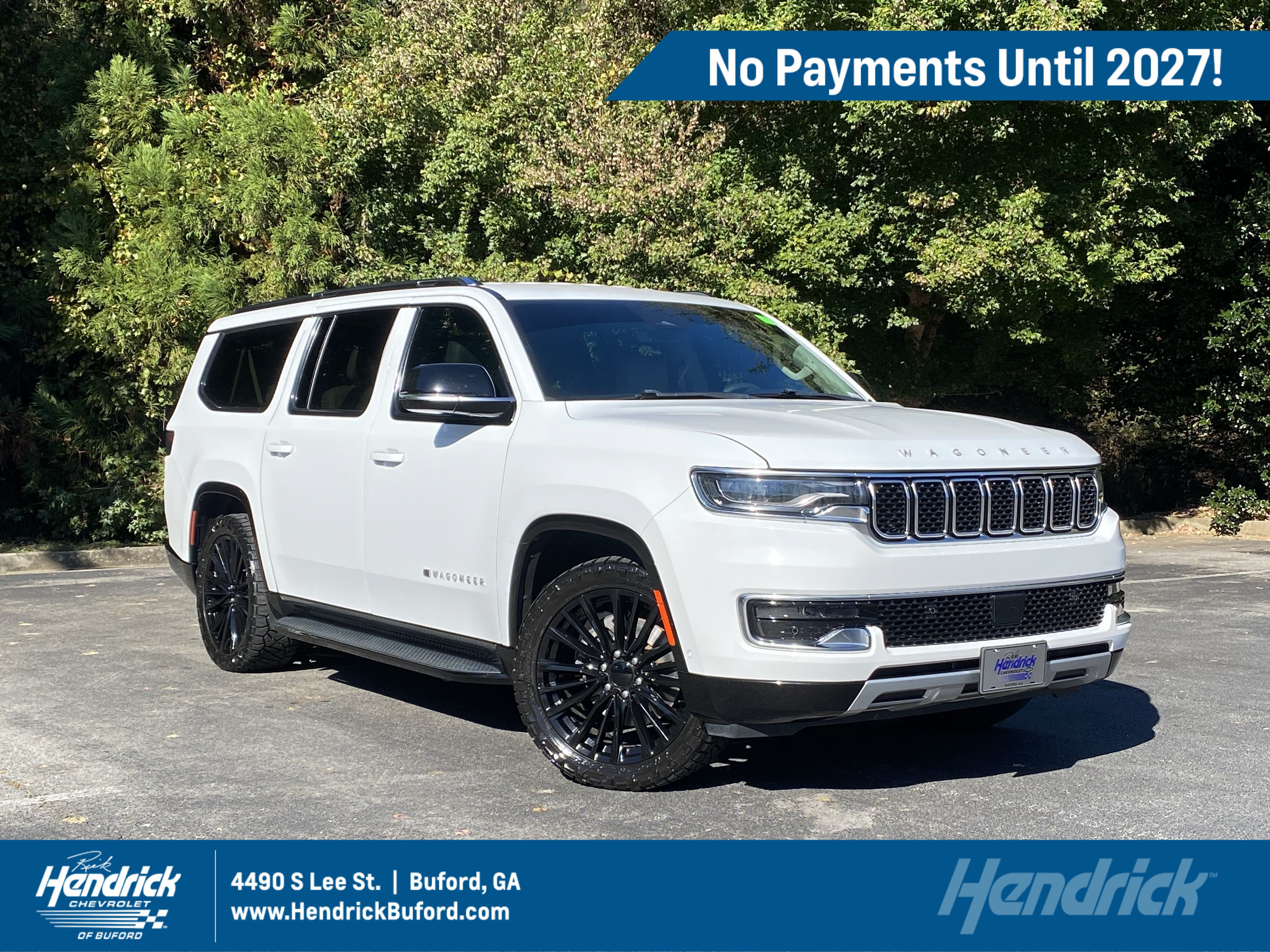
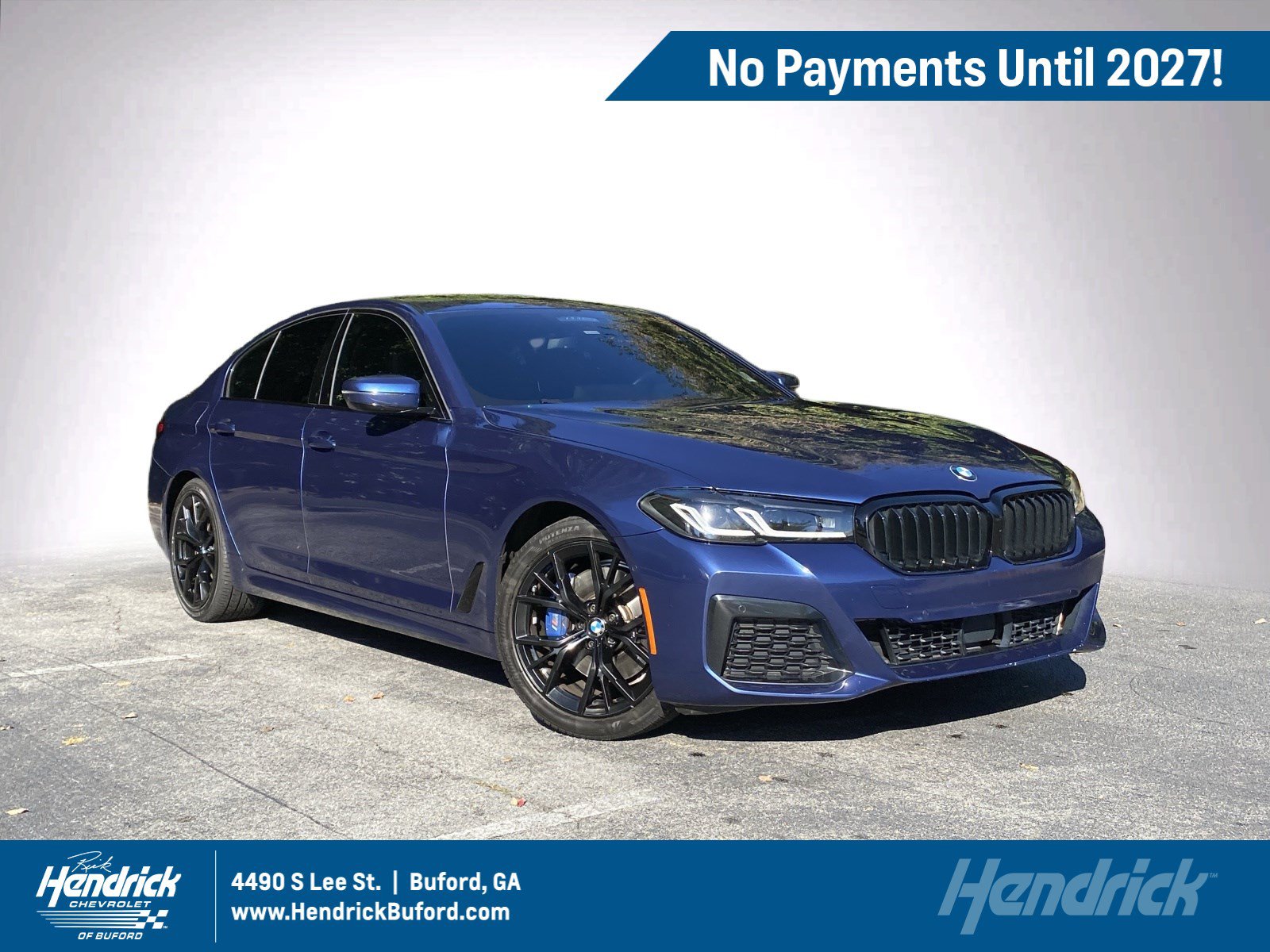
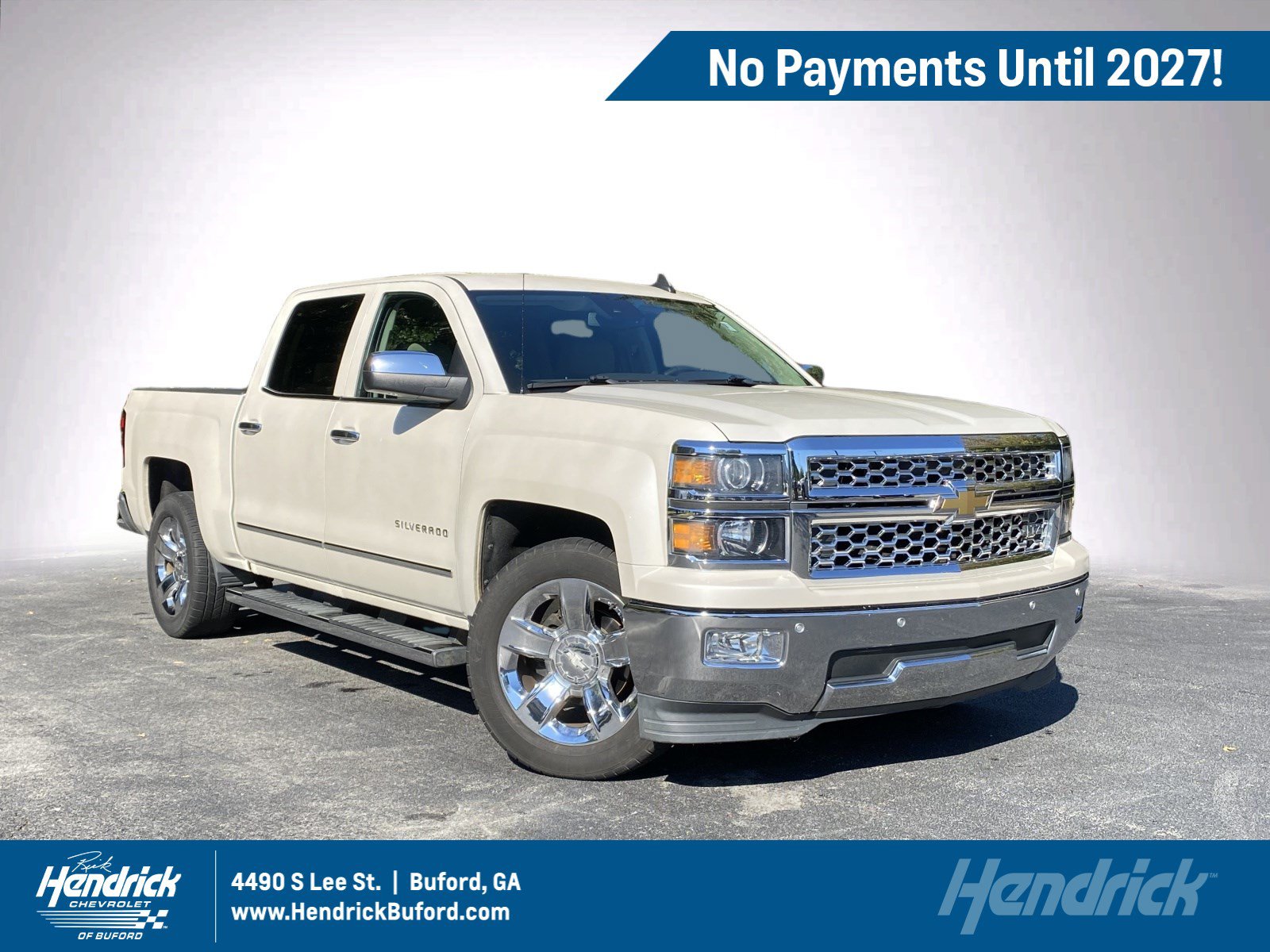
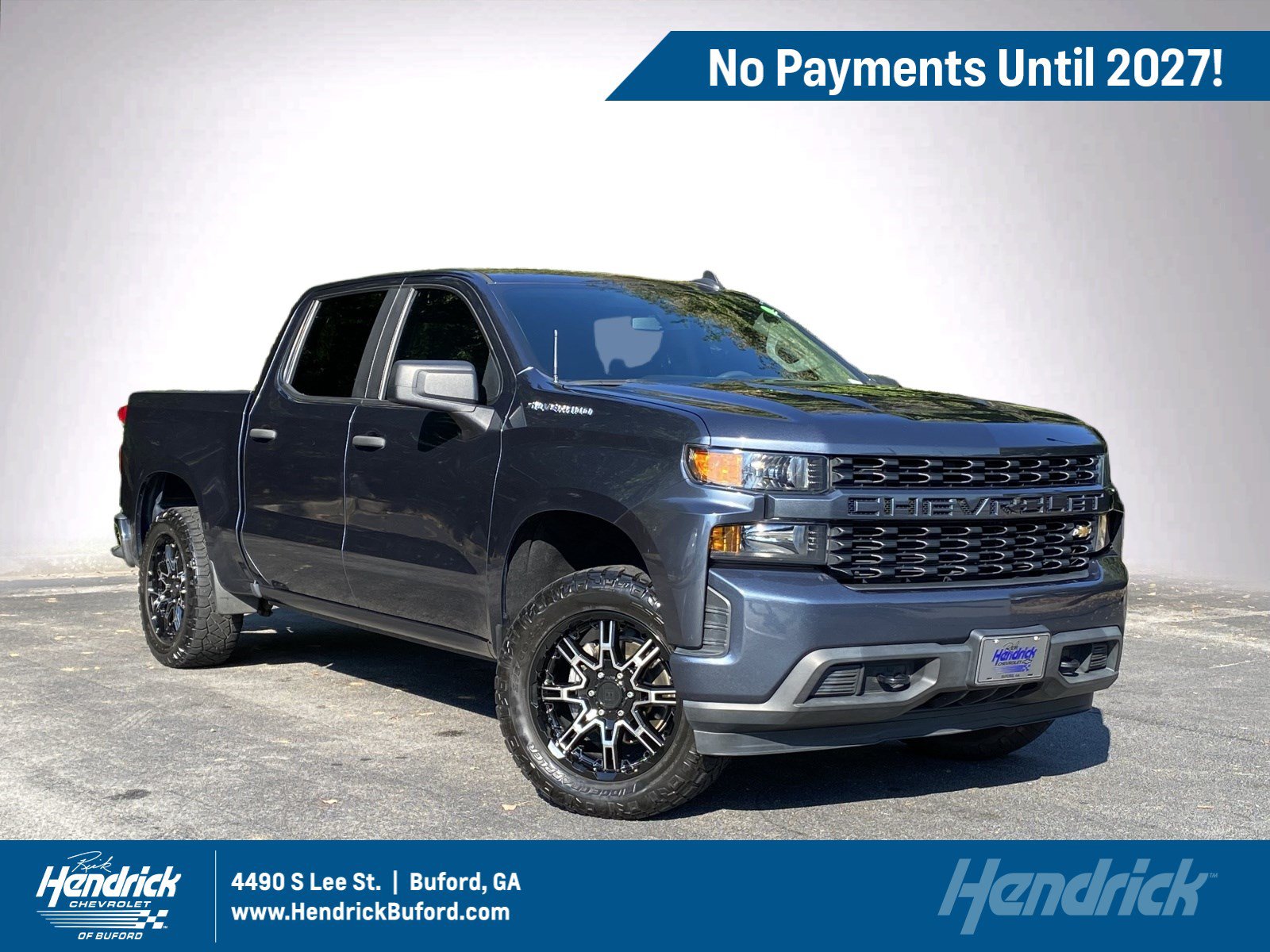
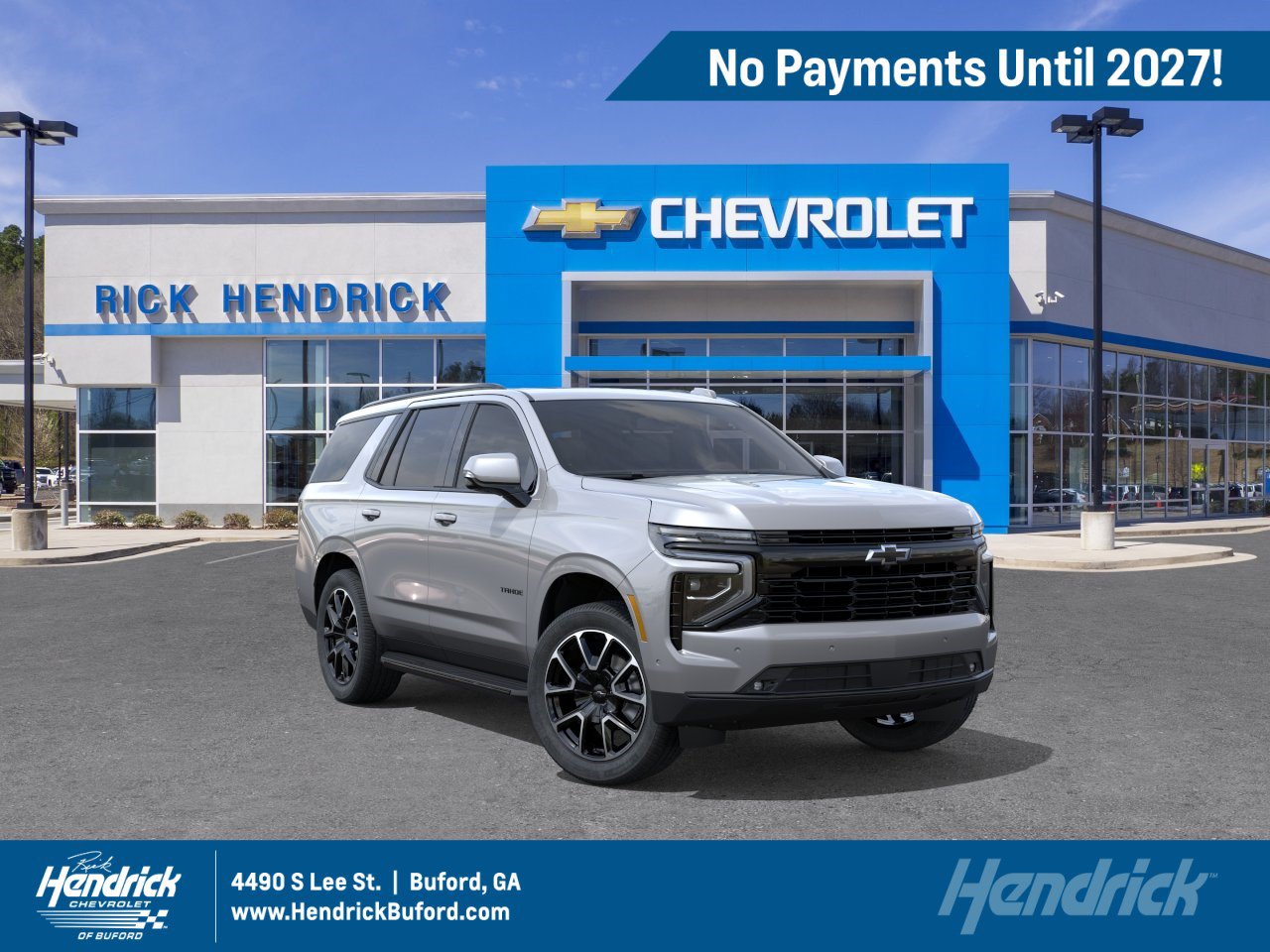
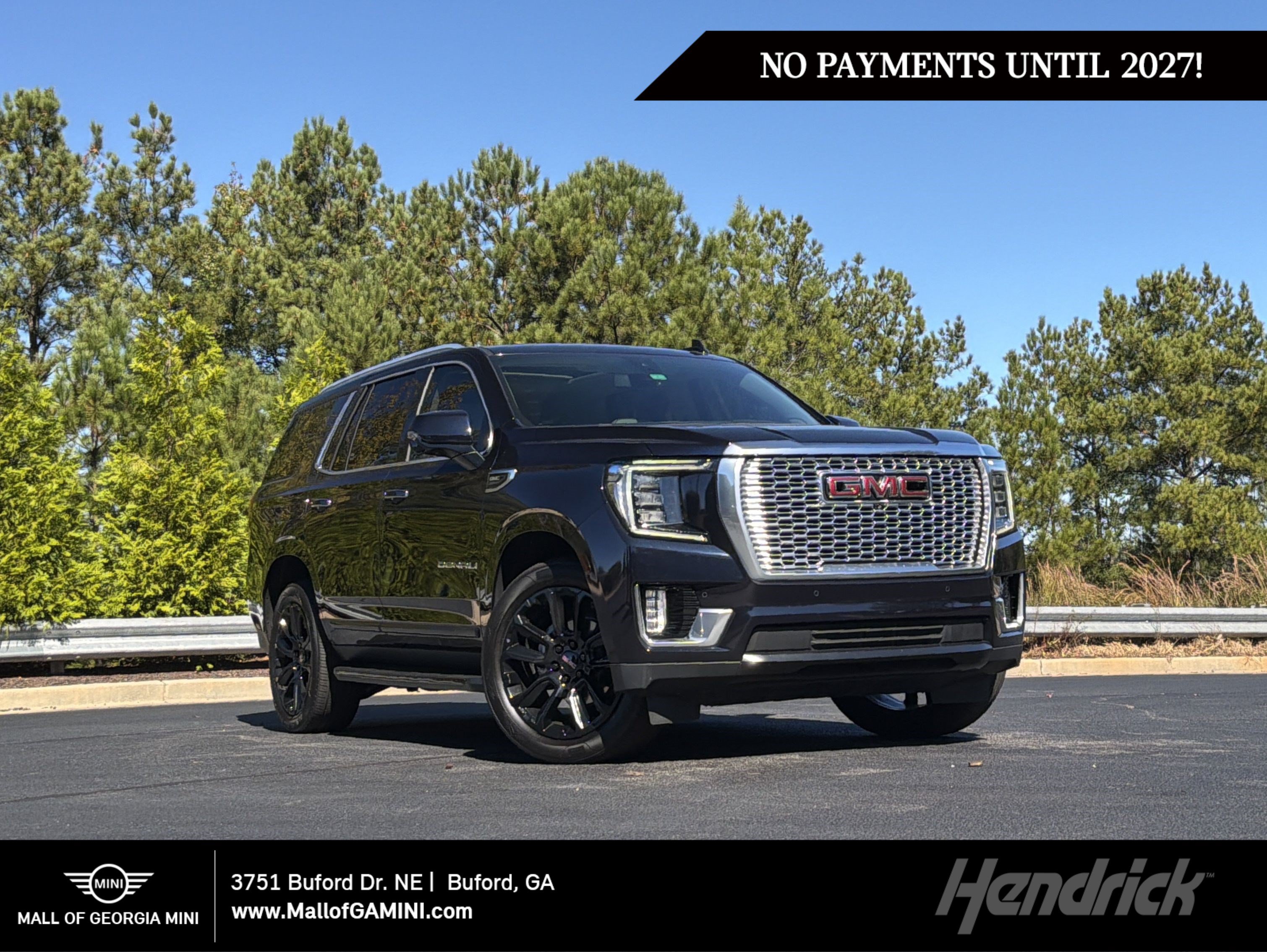
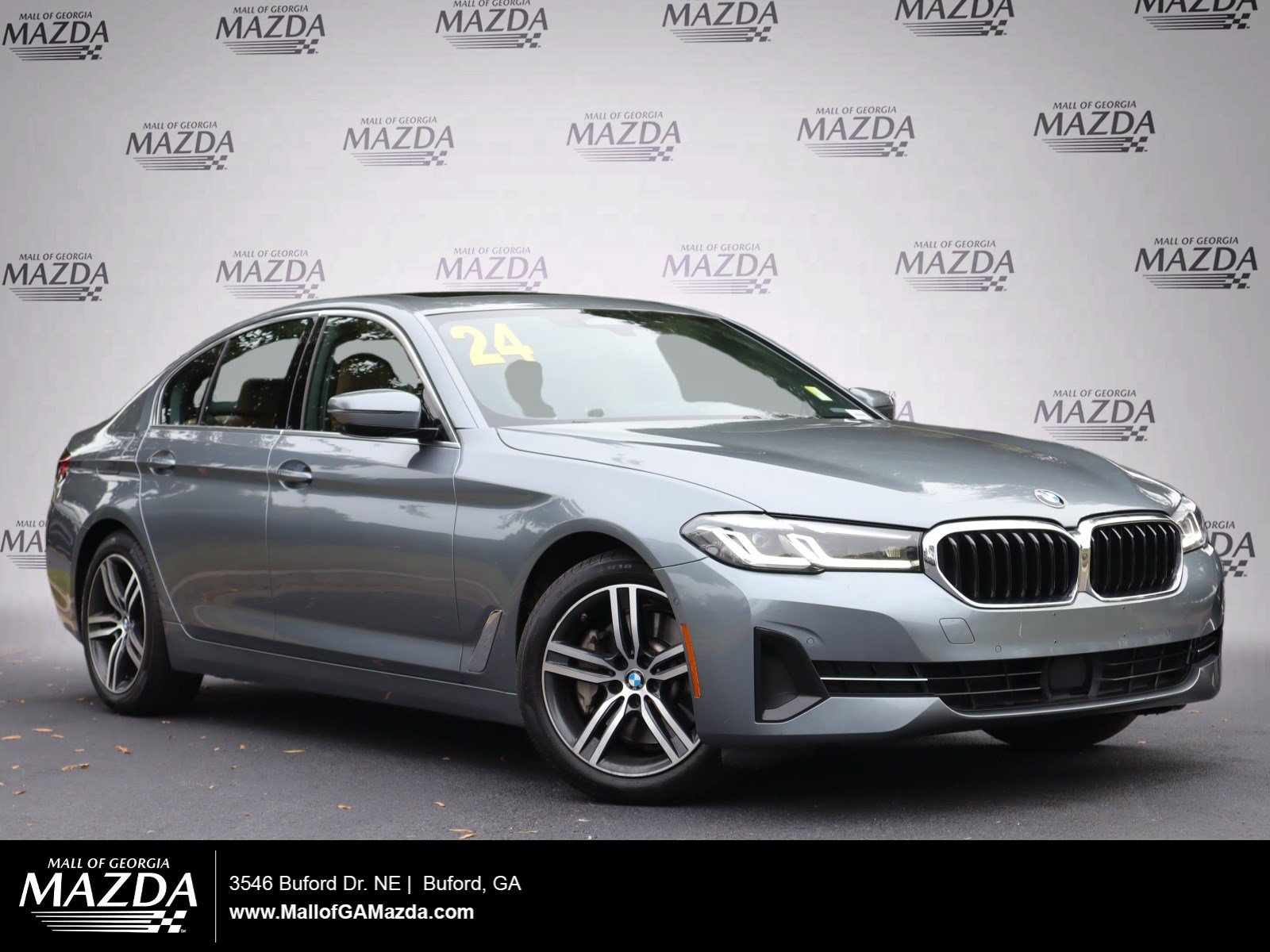
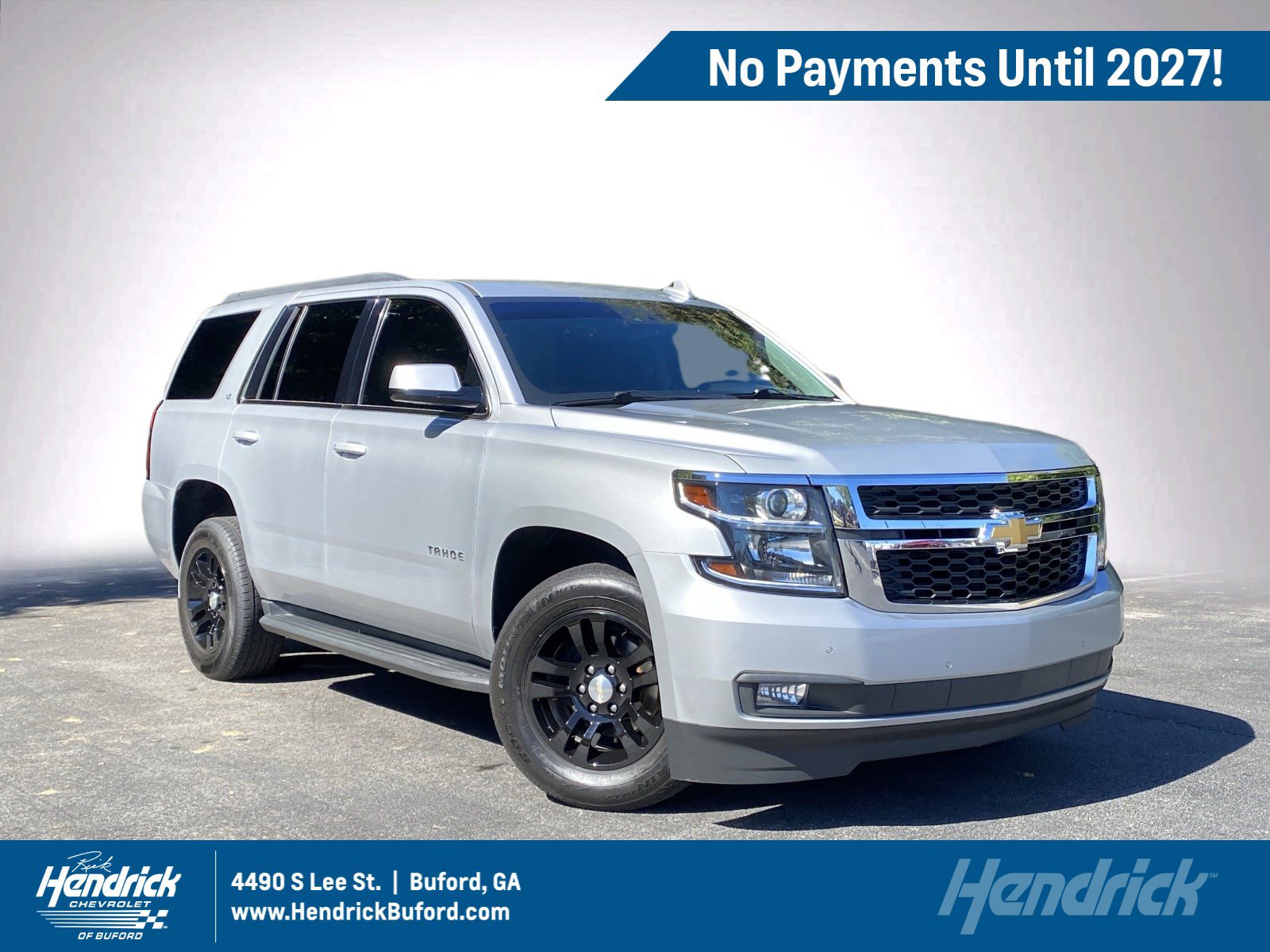
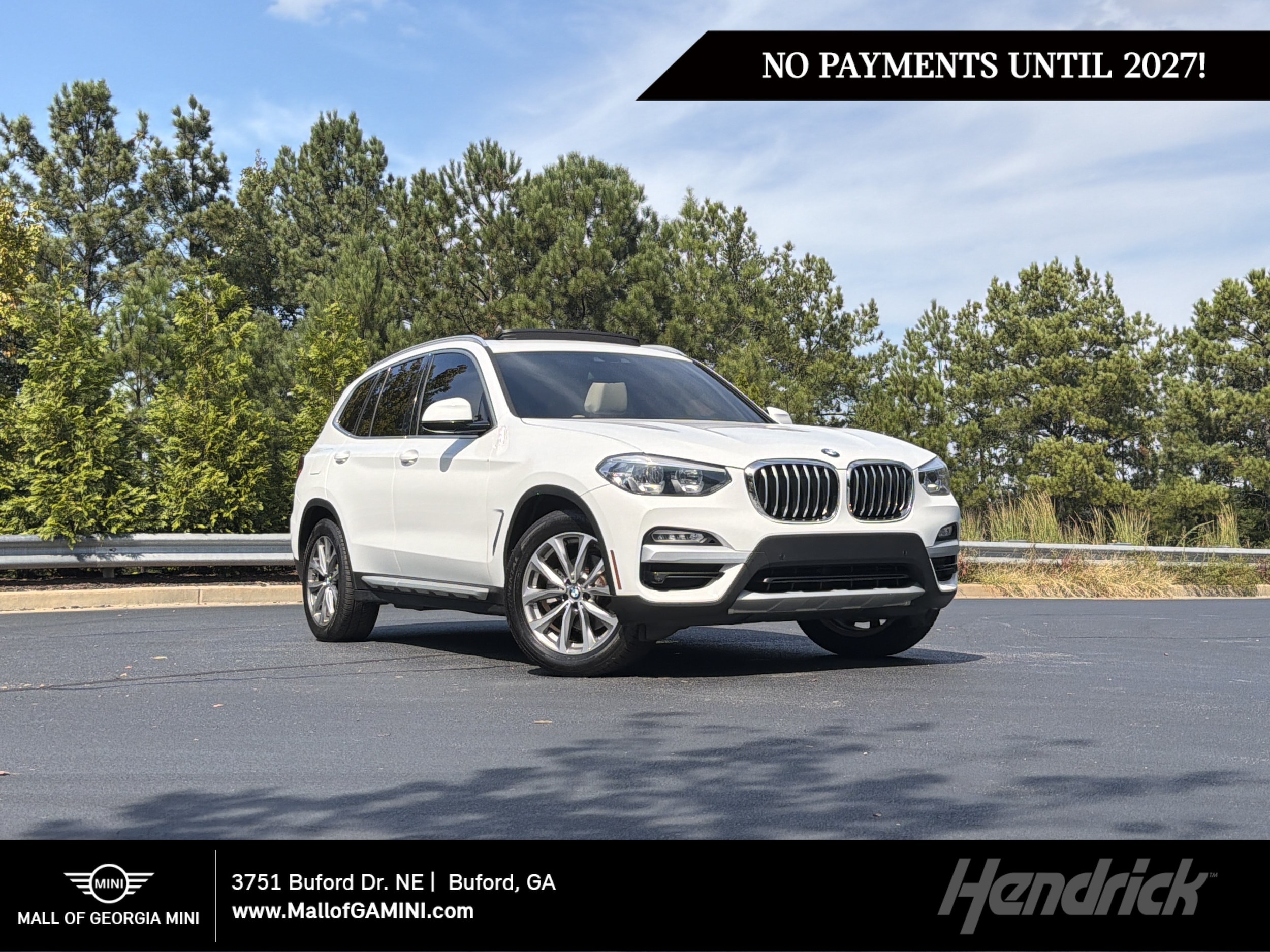
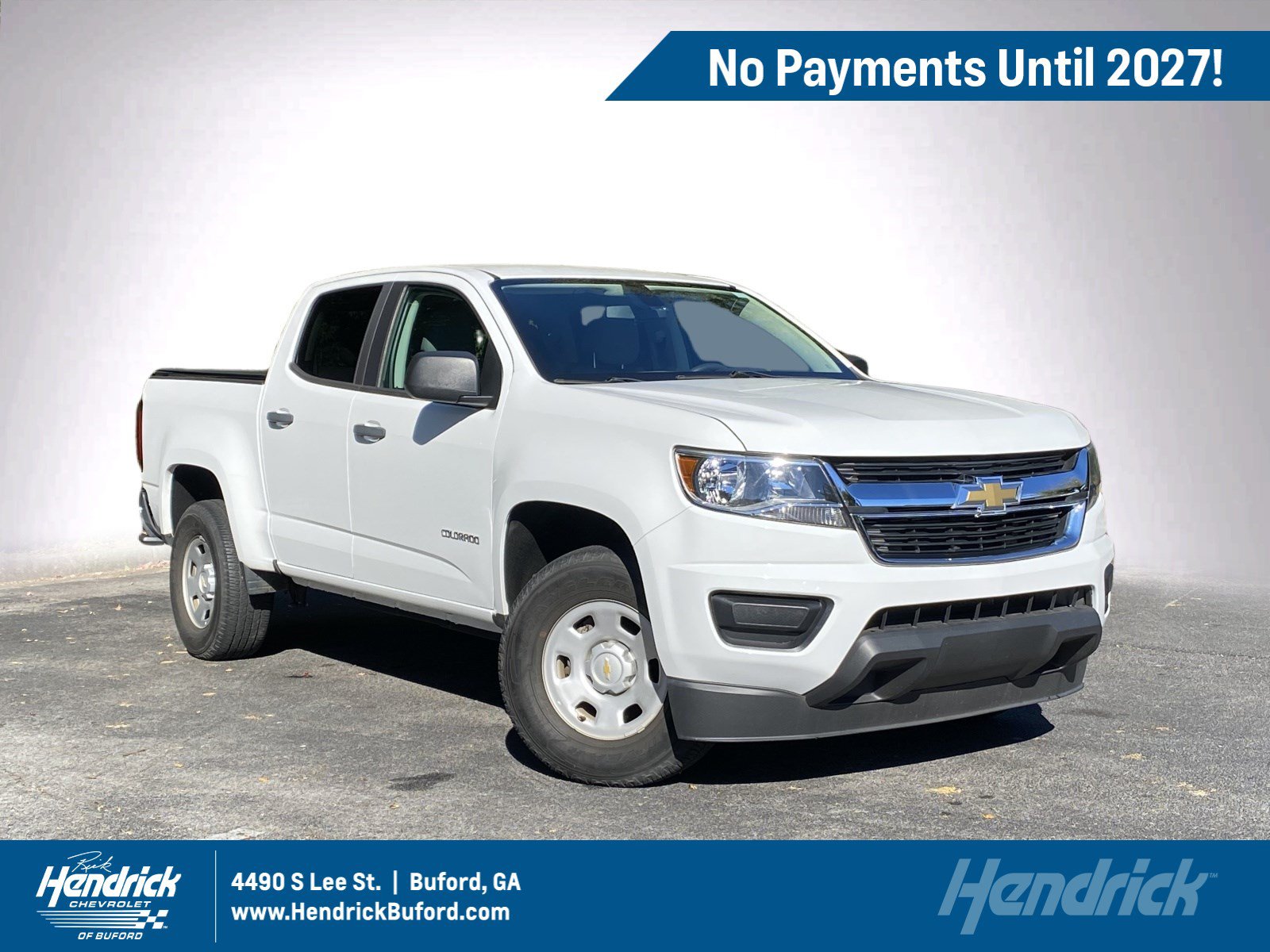
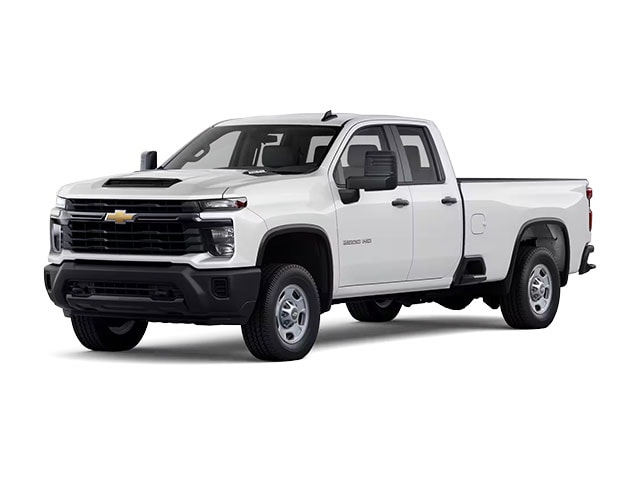
gasoline, automatic, 31K km, pickup, Rear Wheels Drive, 3,600 cm3, 308 hp, white, 2WD Work Truck, Used condition, USA, In stock

HendrickCars.com
 Buford, United StatesBuford, United StatesBuford, United StatesBuford, United StatesBuford, United StatesBuford, United StatesBuford, United StatesBuford, United StatesBuford, United StatesBuford, United StatesBuford, United StatesBuford, United States
 Buford, United States
 Buford, United StatesBuford, United StatesBuford, United StatesBuford, United StatesBuford, United StatesBuford, United StatesBuford, United States
 Buford, United StatesBuford, United StatesBuford, United StatesBuford, United StatesBuford, United StatesBuford, United States
When you’re in the market for a rear-wheel drive (RWD) vehicle, you’re looking at a setup that emphasizes balance, handling, and a classic driving feel. RWD cars are popular among enthusiasts and daily drivers who want engaging driving dynamics, predictable handling in dry conditions, and strong acceleration in many configurations. This guide helps you navigate choosing, comparing, and buying or selling a rear-wheel drive car across different segments, from compact sedans to sporty coupes and practical SUVs.
RWD configurations place the engine’s power to the rear wheels through a driveshaft, delivering advantages such as sharper turning response, better weight distribution, and improved balance when accelerating. It’s a common choice for performance-oriented models and many legacy luxury sedans. Key trade-offs include reduced traction in wet or snowy conditions and typically higher maintenance costs compared to front-wheel-drive equivalents. When shopping, consider your climate, daily commute, and willingness to use winter tires.
If you’re selling a rear-wheel drive car, highlight recent maintenance, battery/alternator checks, and notable wear items. A transparent history helps buyers feel confident about long-term reliability. Whether you’re eyeing a practical sedan, a sporty coupe, or a capable SUV, RWD vehicles offer distinctive driving dynamics that many drivers appreciate for years to come.
 Add as preferred sourceSee more from zvelta in Google Search Add as preferred source