 EN
ENDEALER
56.199 US$DEALER
56.353 US$
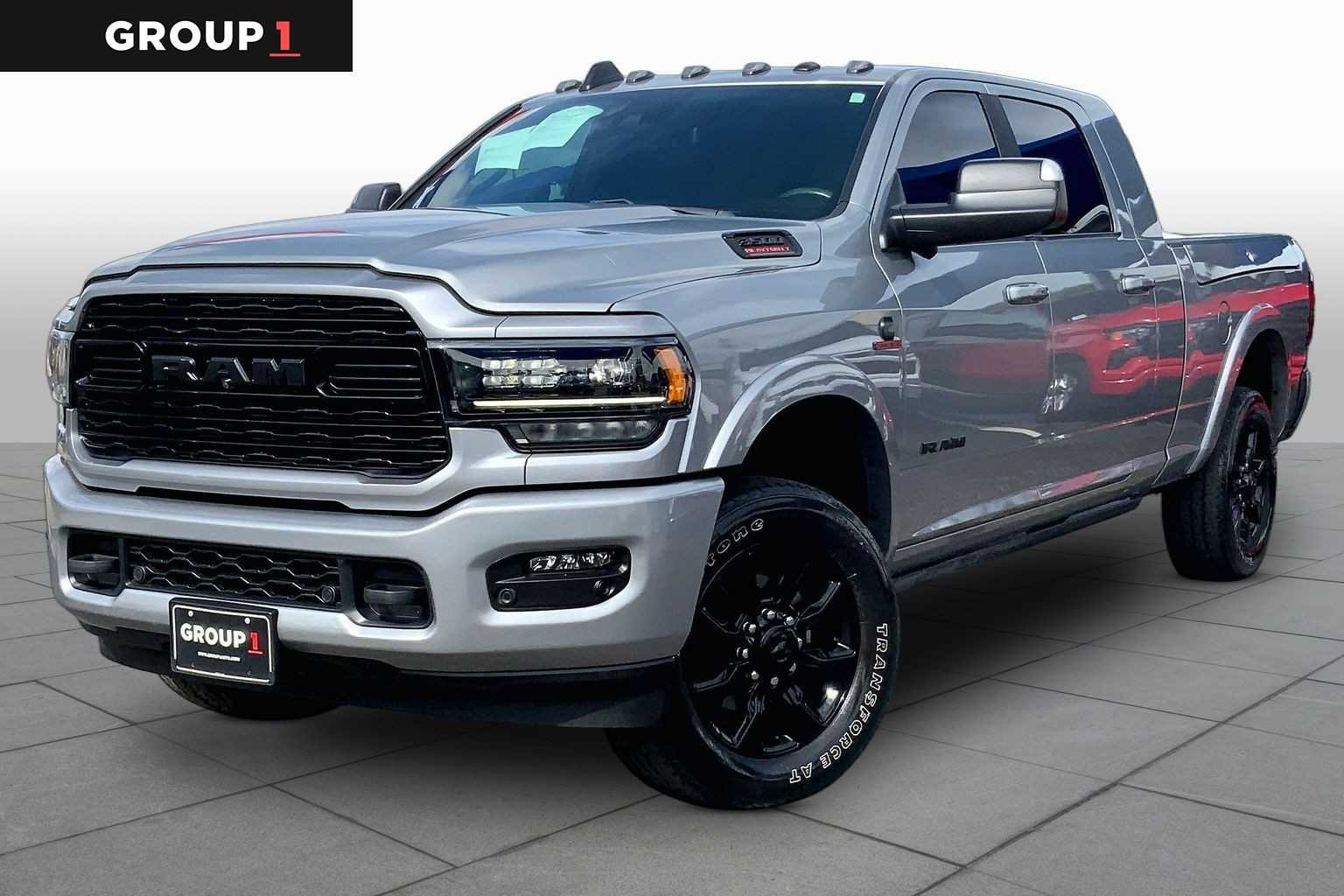
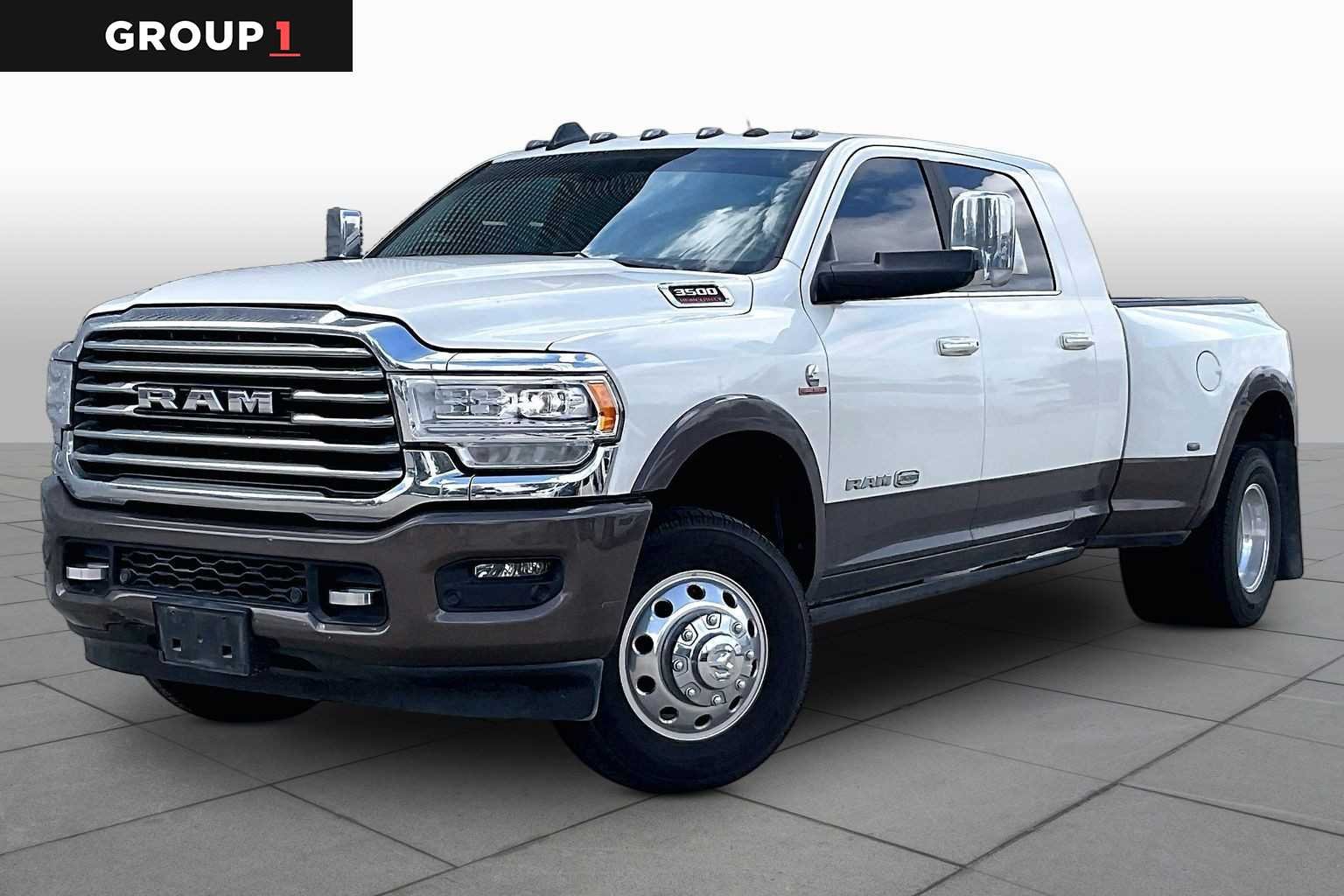
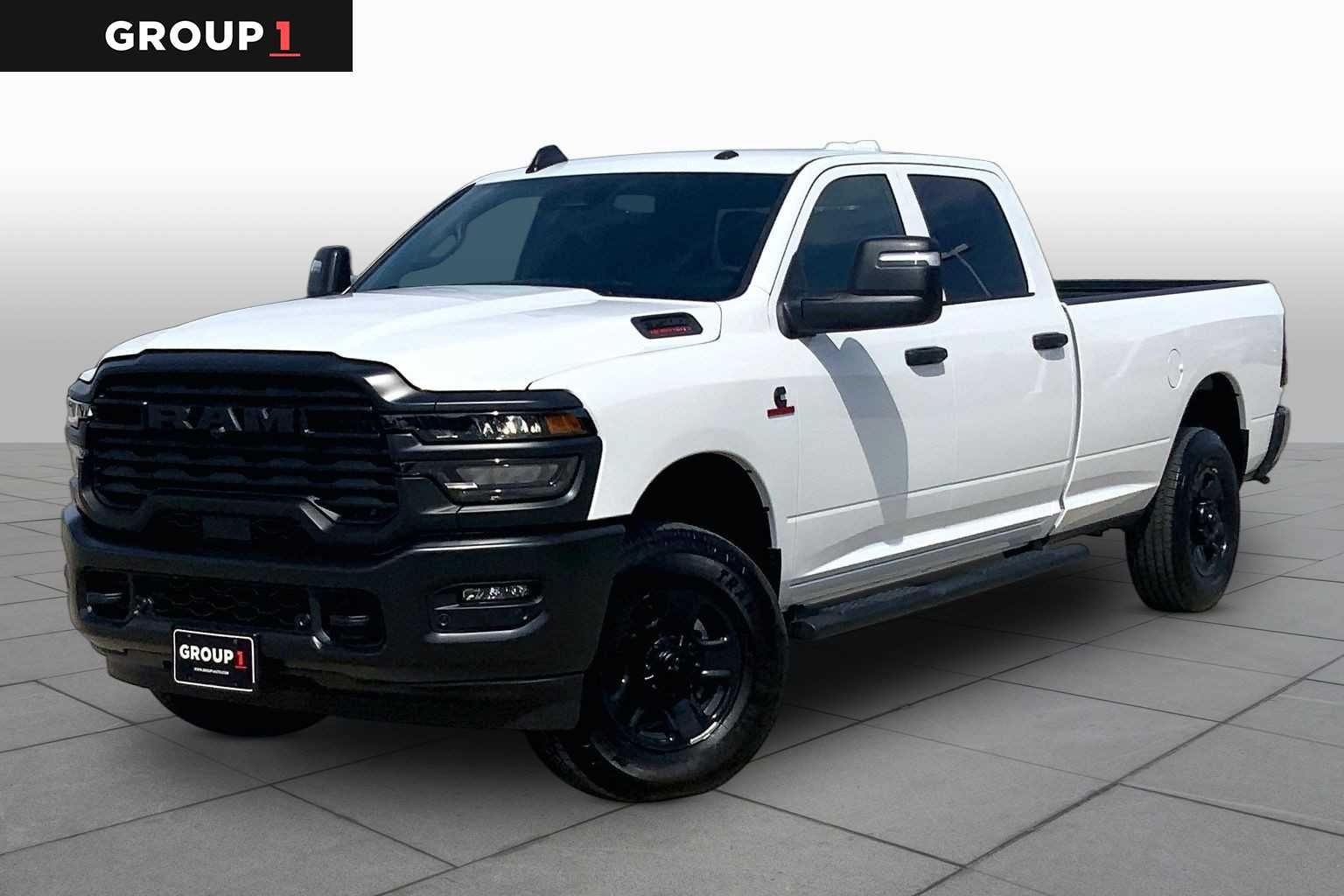
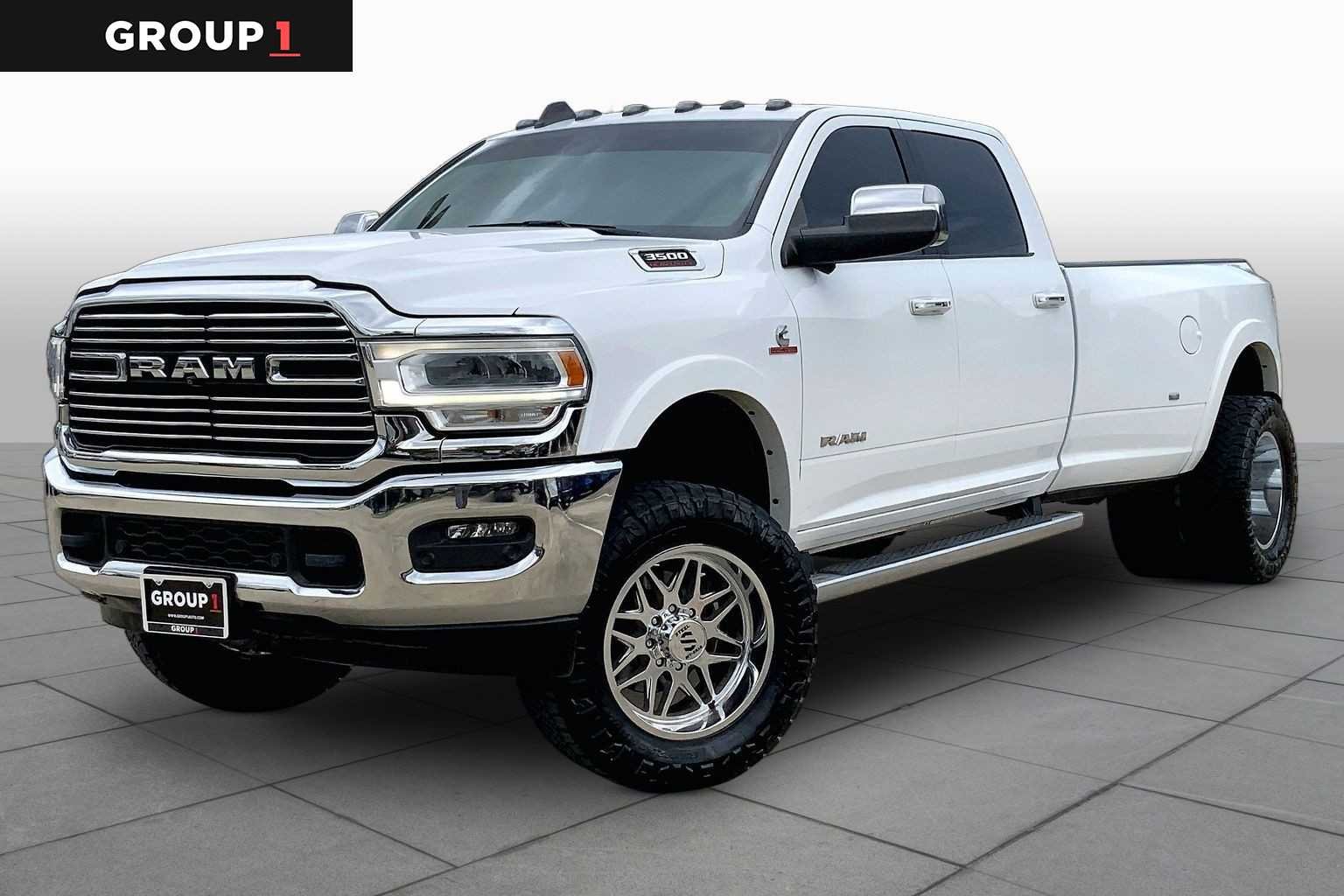
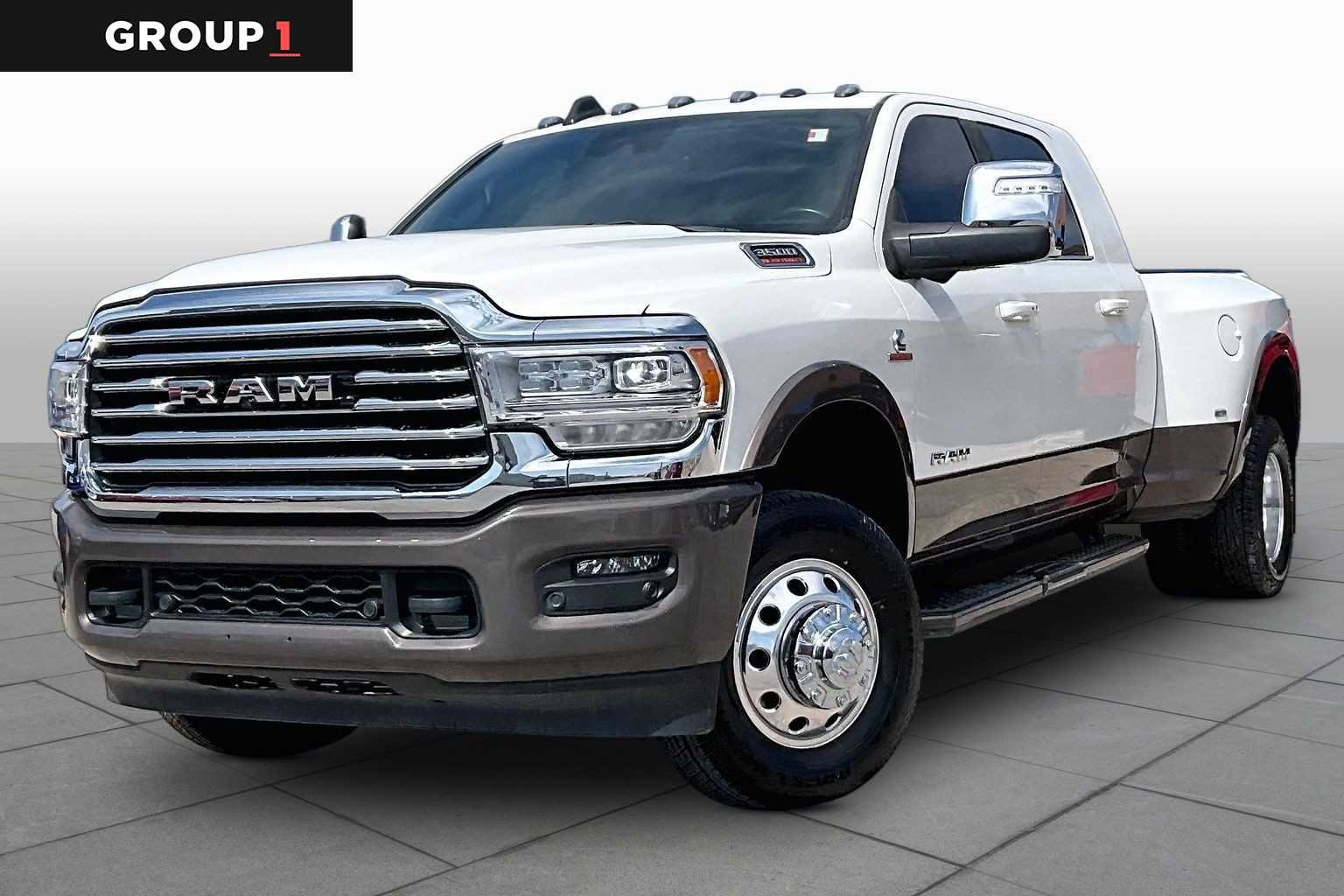
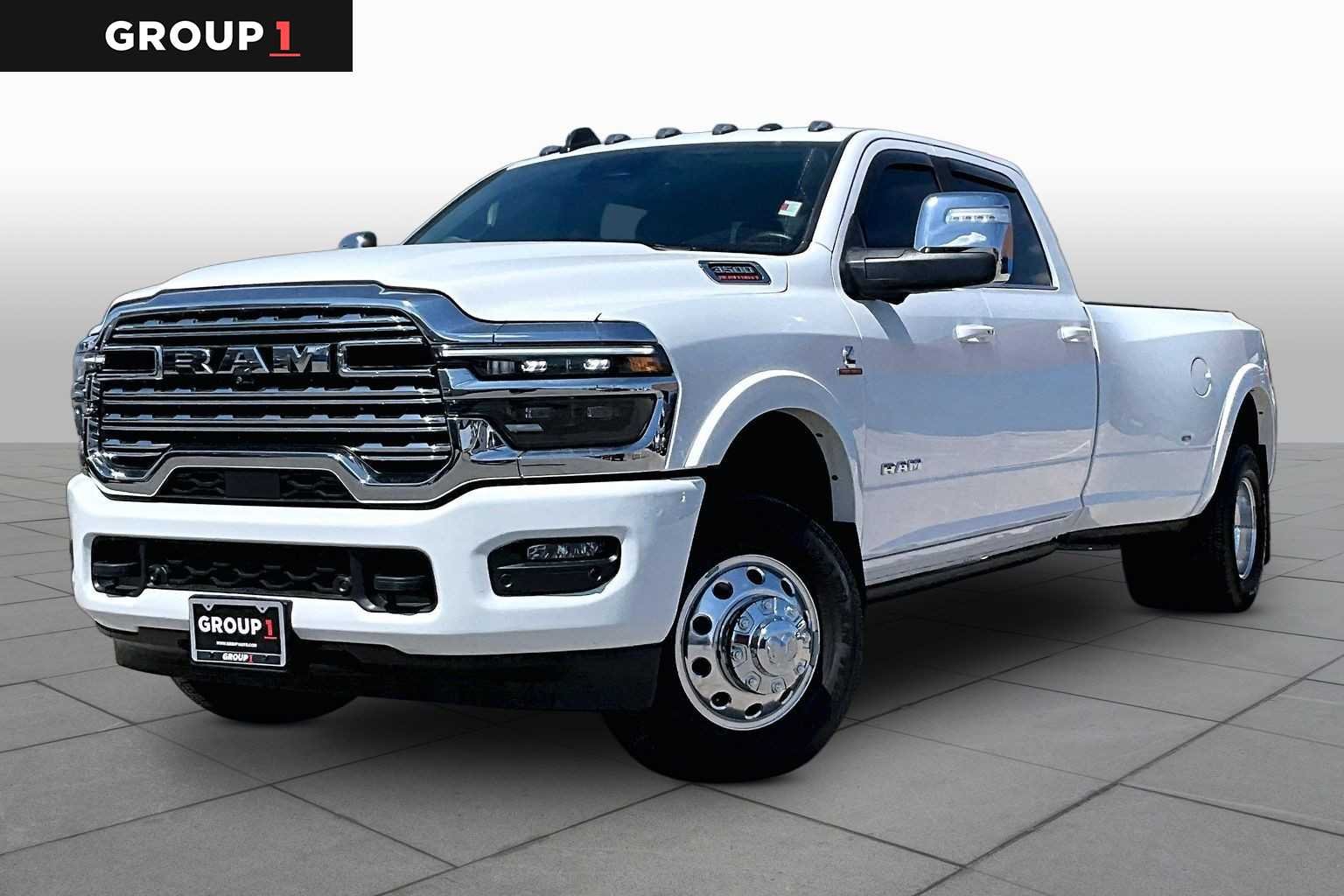
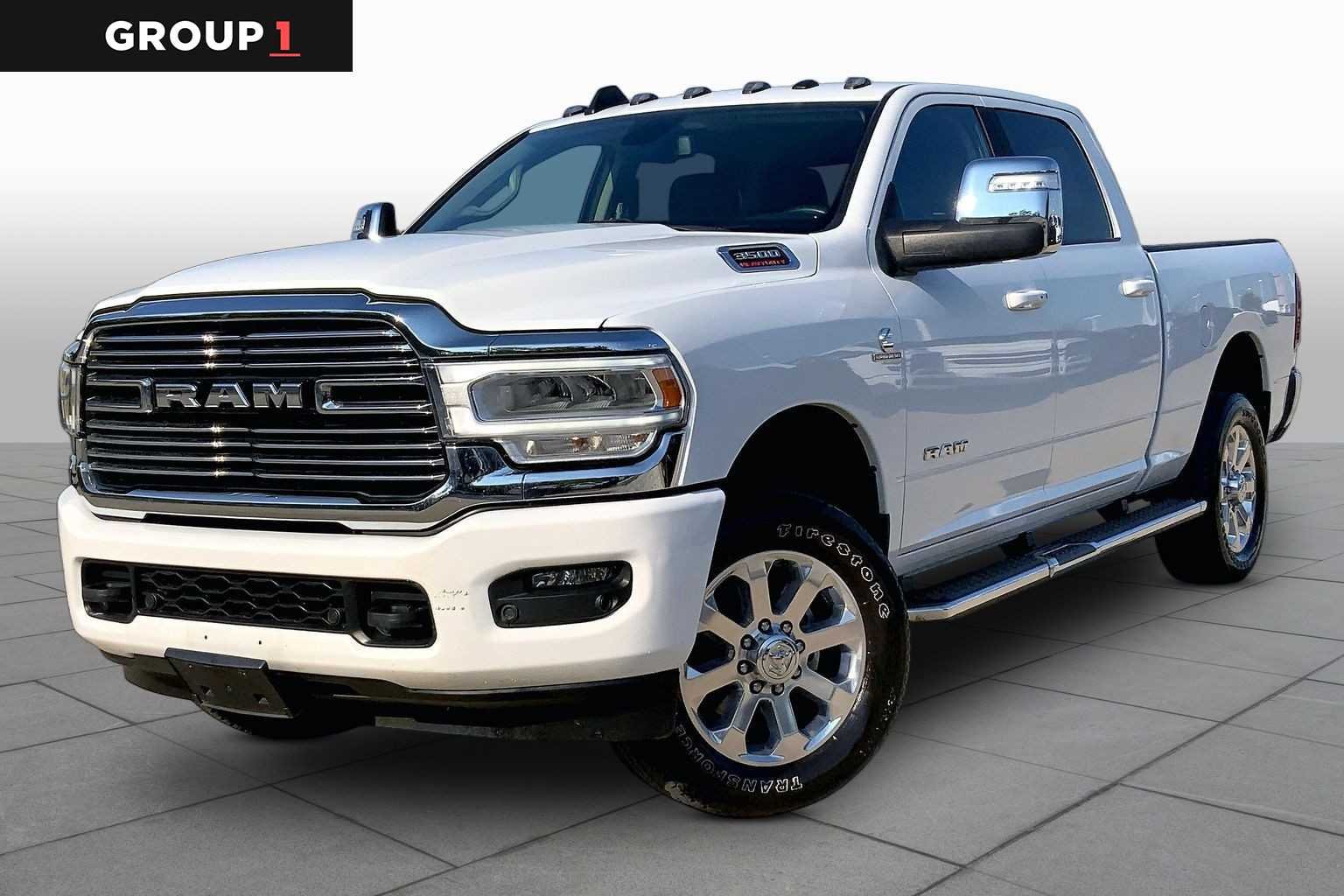
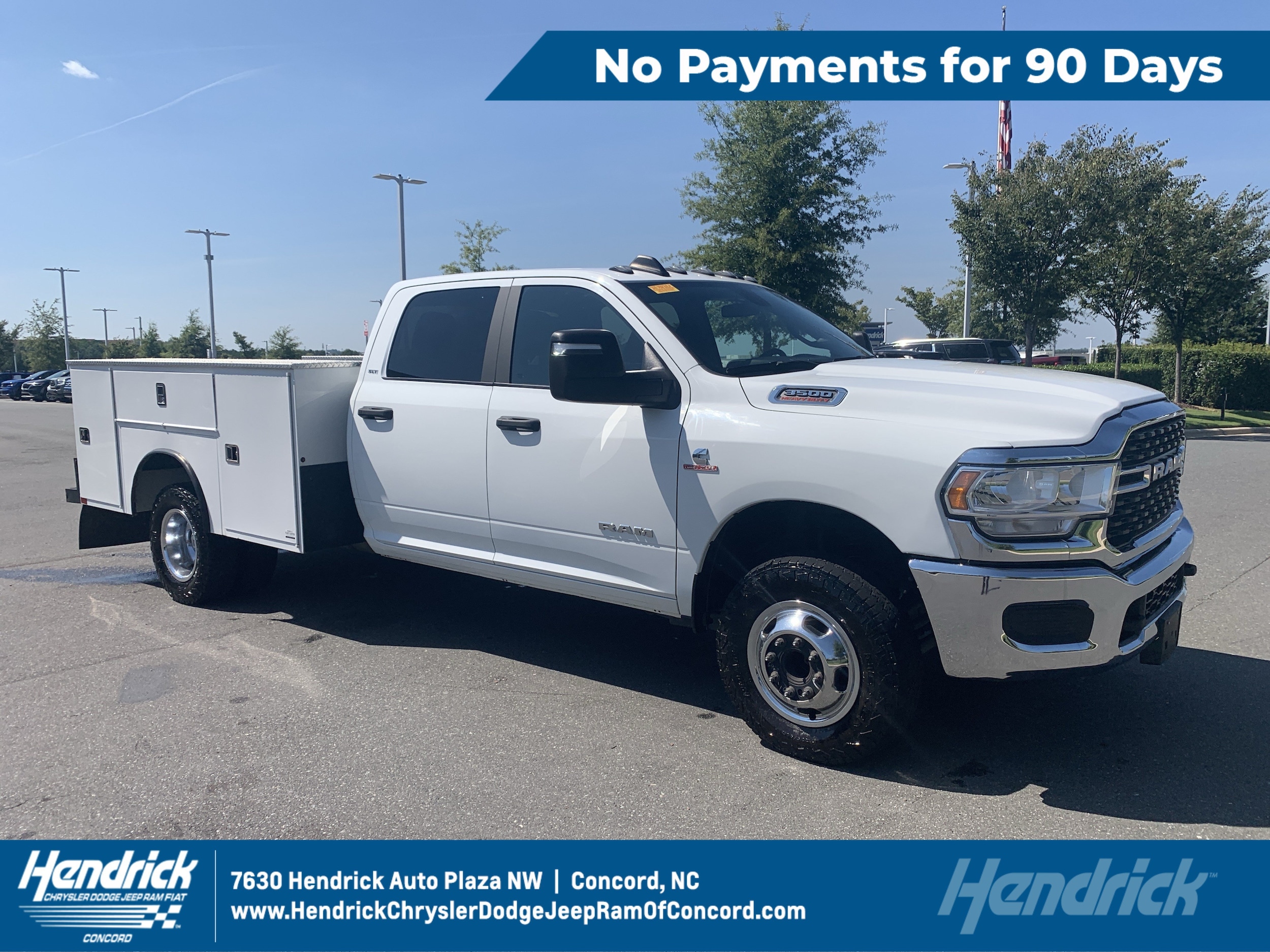
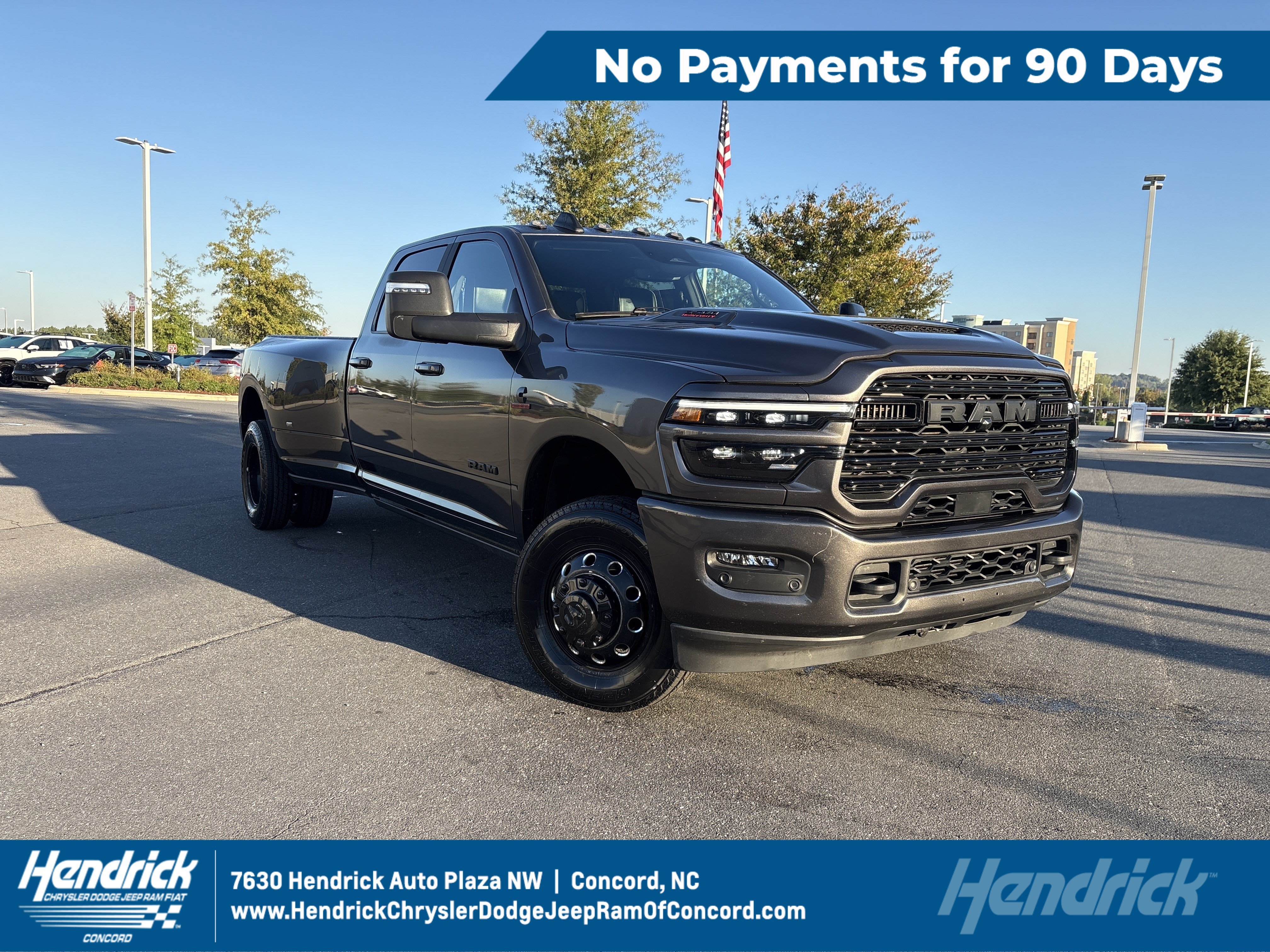
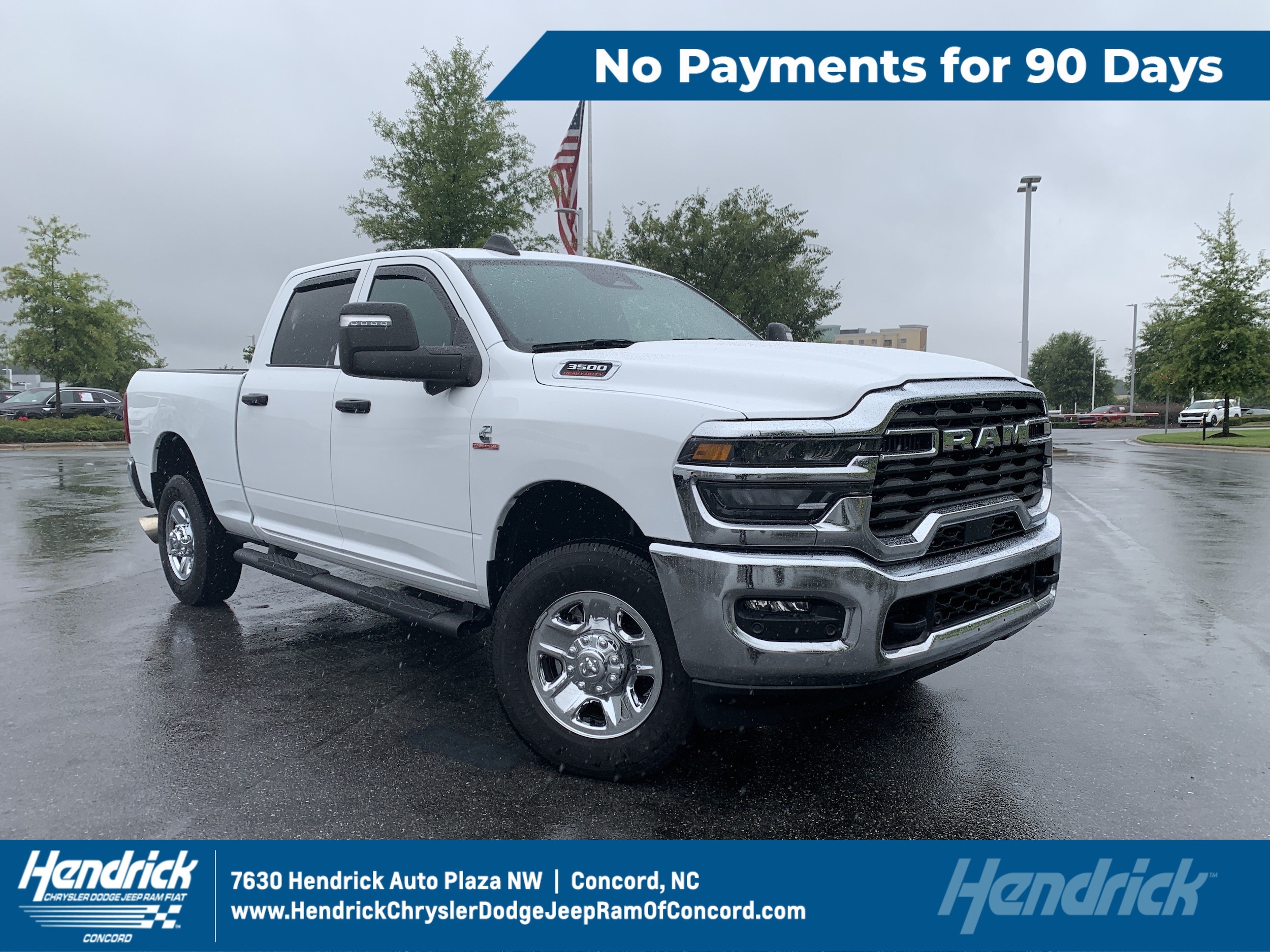
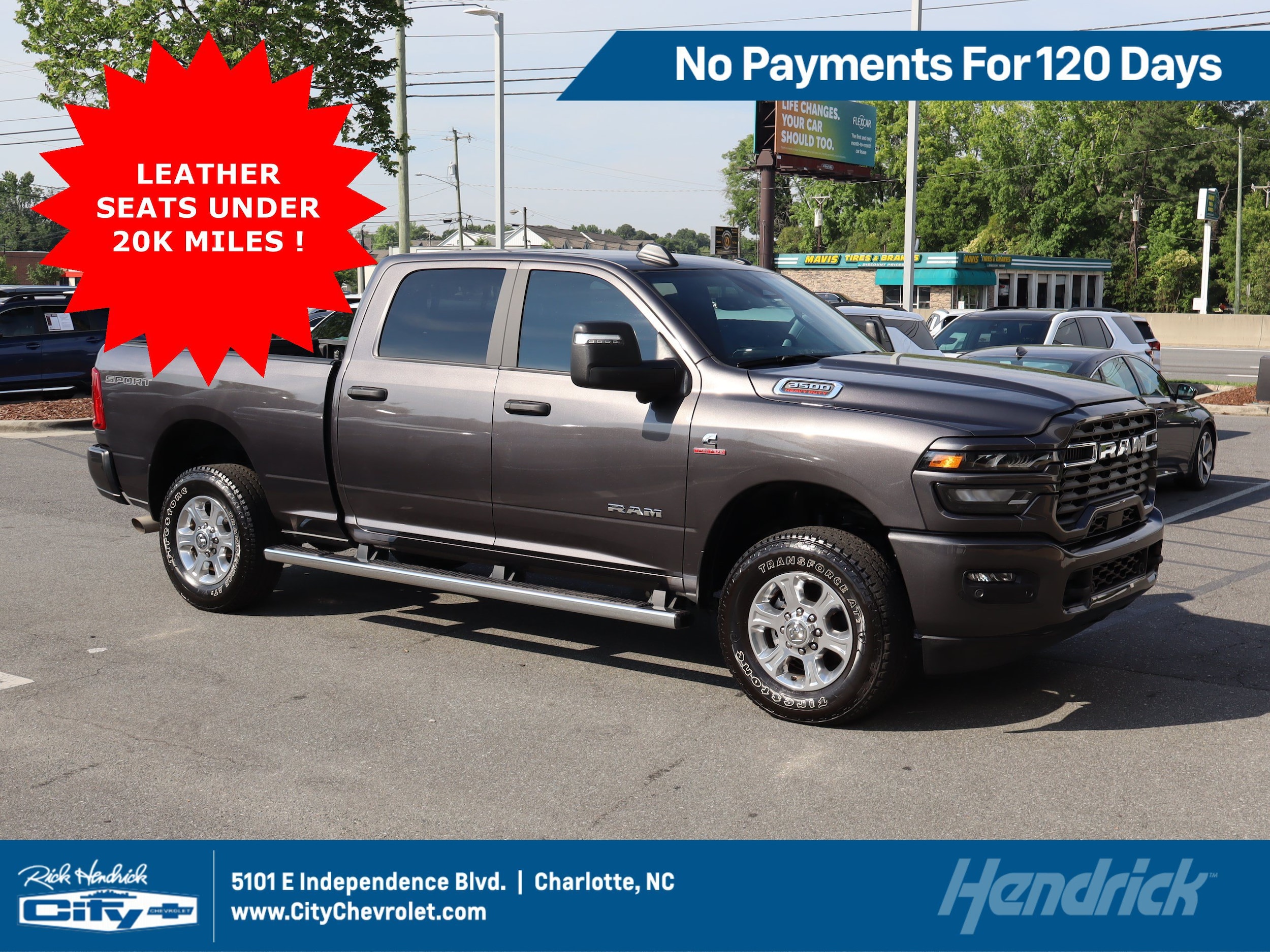
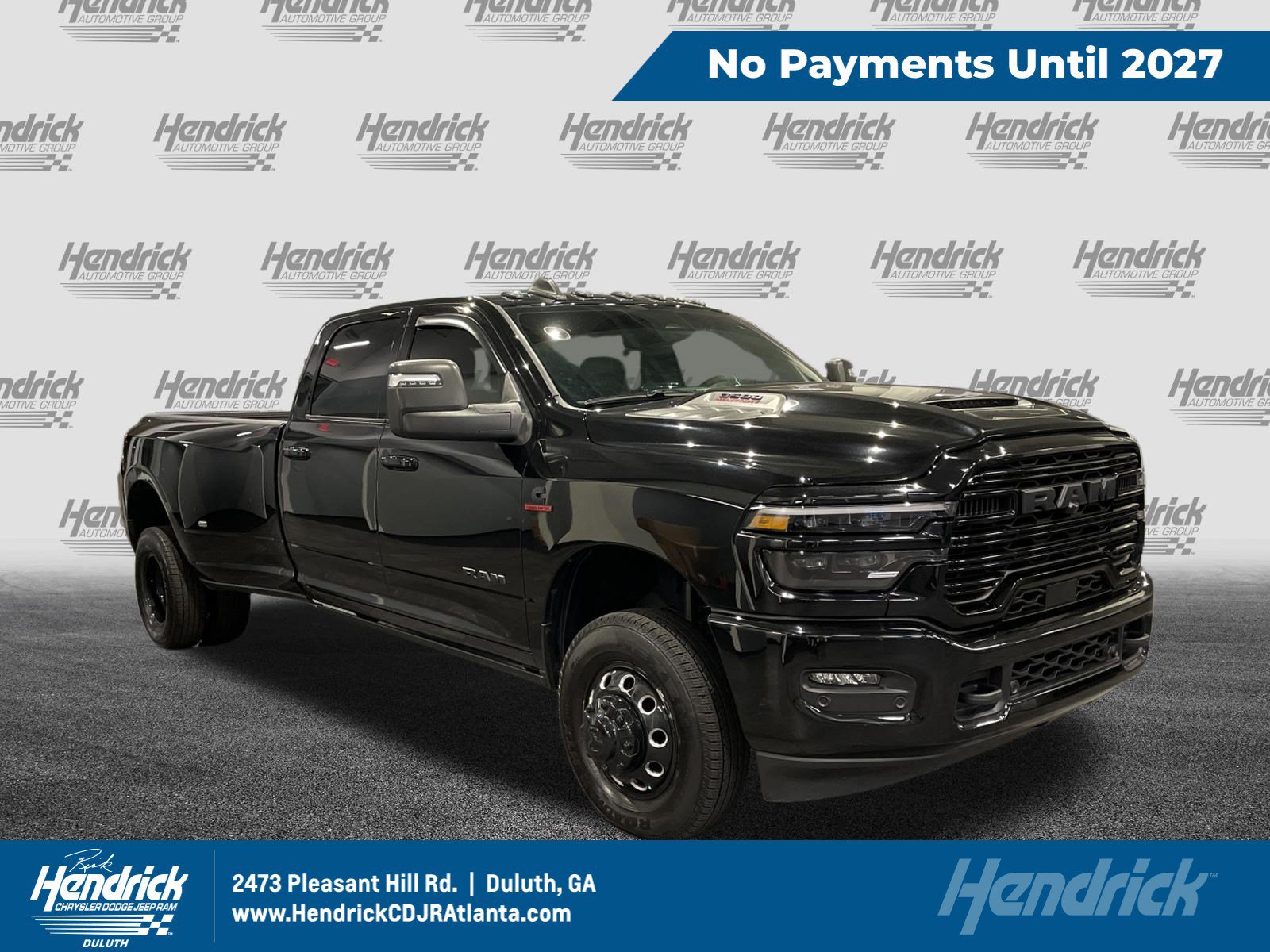
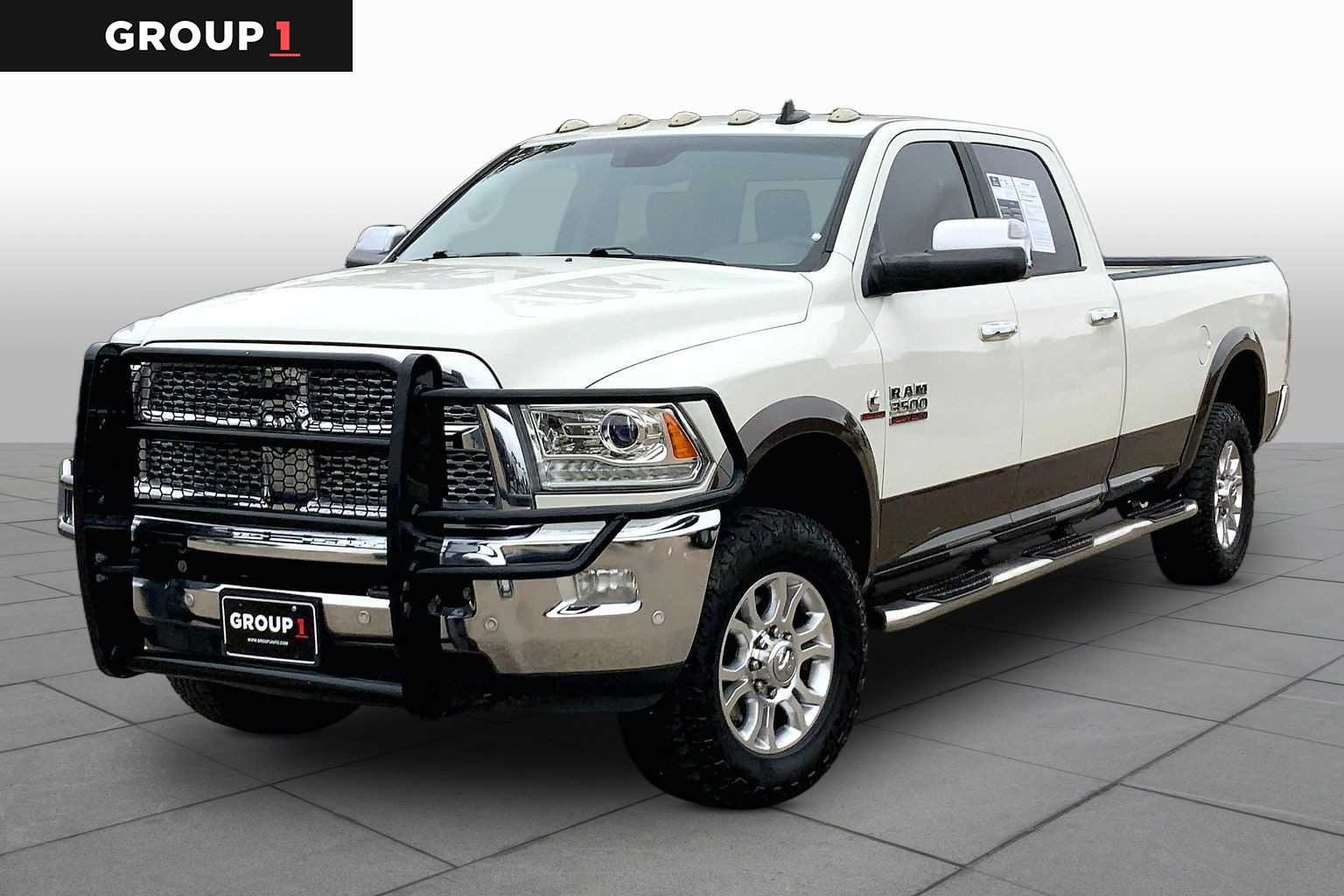
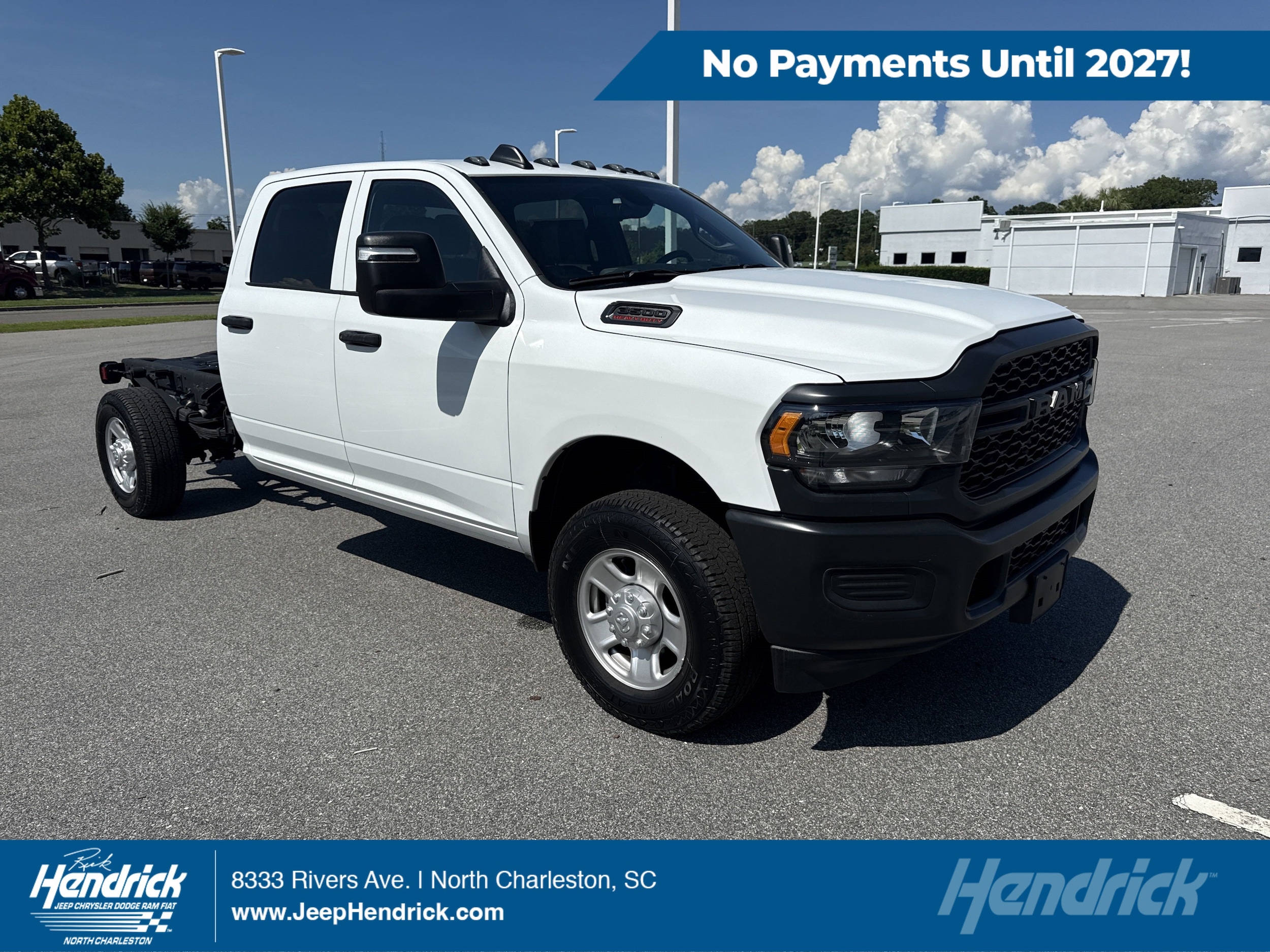
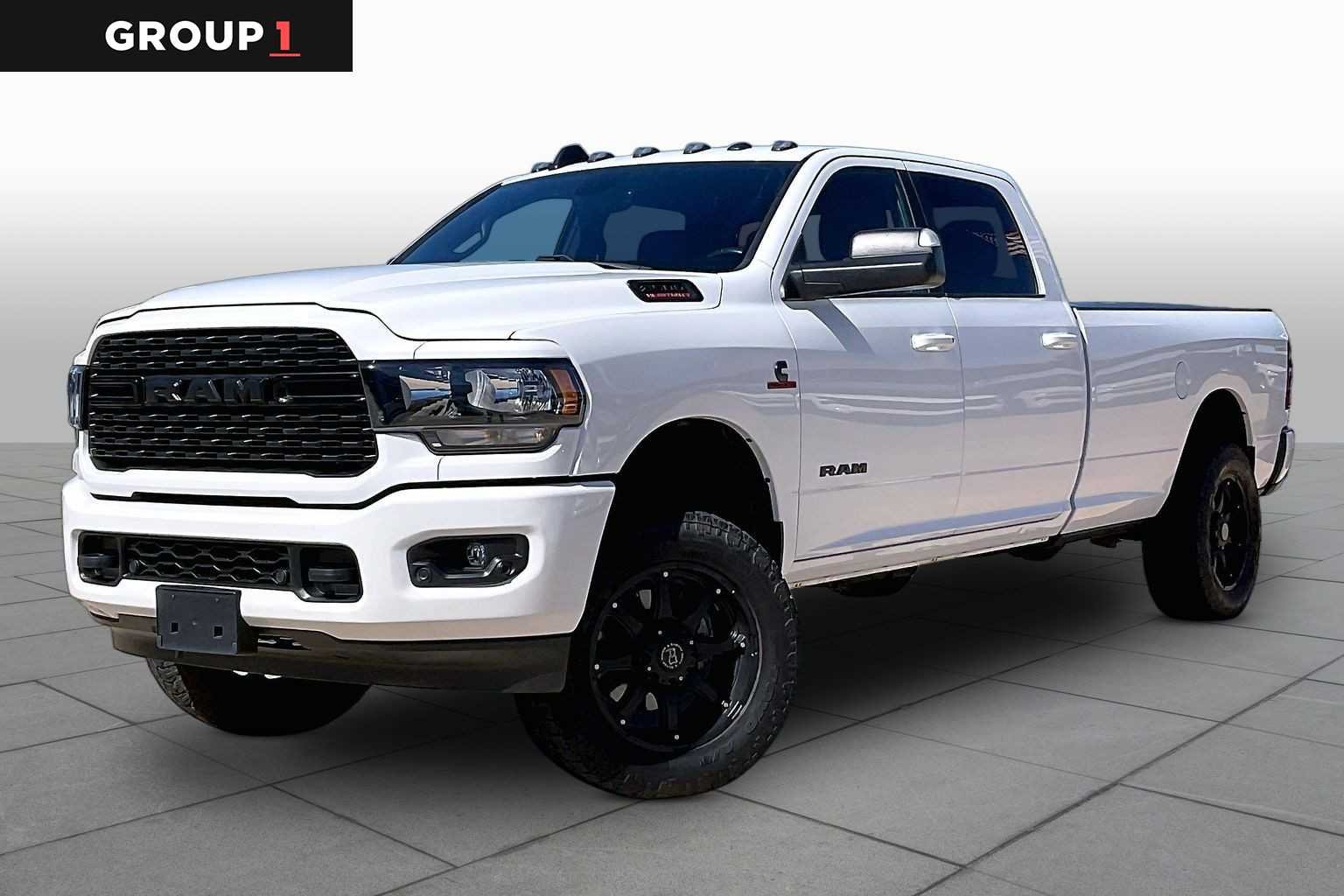
diesel, automatic, 36K km, pickup, All Wheels Drive, 6,700 cm3, 370 hp, white, Big Horn, Used condition, USA, In stock

Group1Auto.com
 Chevrolet, United States
 Chevrolet, United StatesChevrolet, United StatesMain Settlement, United StatesMain Settlement, United StatesMain Settlement, United StatesMain Settlement, United StatesMain Settlement, United StatesMain Settlement, United States
 Ontario, United States
 Concord, United StatesConcord, United StatesConcord, United StatesConcord, United StatesCharlotte, United StatesDuluth, United StatesFord City, United StatesIrondale, United States
 Houston, United StatesHoover, United StatesNorth Charleston, United States
 Paris, United StatesGreenville, United StatesGreenville, United StatesGreenville, United StatesGreenville, United States
The RAM 3500 is a cornerstone of heavy-duty pickups, built for work, towing and durability. If you’re considering buying or selling this model, understanding the different generations, engines, and configurations helps you make a smarter decision. In this guide we explore the RAM 3500’s core strengths, typical price ranges by year and mileage, and practical tips for comparing trims and body styles in major markets.
Attention to detail matters with a RAM 3500, where the right setup can impact performance and resale value. Start by confirming the generation, engine and cab configuration to match your needs. Common options include a Cummins turbo-diesel for high torque and heavy towing, or a gasoline engine for daily driving. Body types vary from crew cab to mega cab, with long or short bed configurations affecting payload and maneuverability. Mileage is a practical indicator of wear, but a well-maintained truck with service records can still offer many years of use.
Key elements to compare:
Selling or buying in different regions can influence price, availability and preferred configurations. In many countries, diesel variants are favored for towing and long-term reliability, while certain markets lean toward higher-trim interiors and user-friendly infotainment systems. If you’re evaluating a RAM 3500 in a city with rugged terrain or frequent heavy-haul tasks, consider a model with advanced towing aids, stability control and payload-friendly equipment. When budgeting, factor maintenance costs, insurance and fuel economy, which, although not the primary strength of a heavy-duty pickup, still affects total ownership costs.
Tips for buyers and sellers:
Whether you’re in a big city or a regional hub, the RAM 3500’s value lies in capability and durability. When buying, define your primary use: worksite hauling, long-distance hauls, or occasional heavy loads. For sellers, emphasize service history, maintenance of the diesel engine, and any aftermarket upgrades that enhance towing or payload.
In summary, the RAM 3500 offers a blend of serious towing capacity, rugged construction, and usable daily practicality. By focusing on year, mileage, engine choice and cab/bed configuration, you can identify solid options and negotiate confidently in your market.
 Add as preferred sourceSee more from zvelta in Google Search Add as preferred source