 EN
ENDEALER
35.937 US$DEALER
40.937 US$
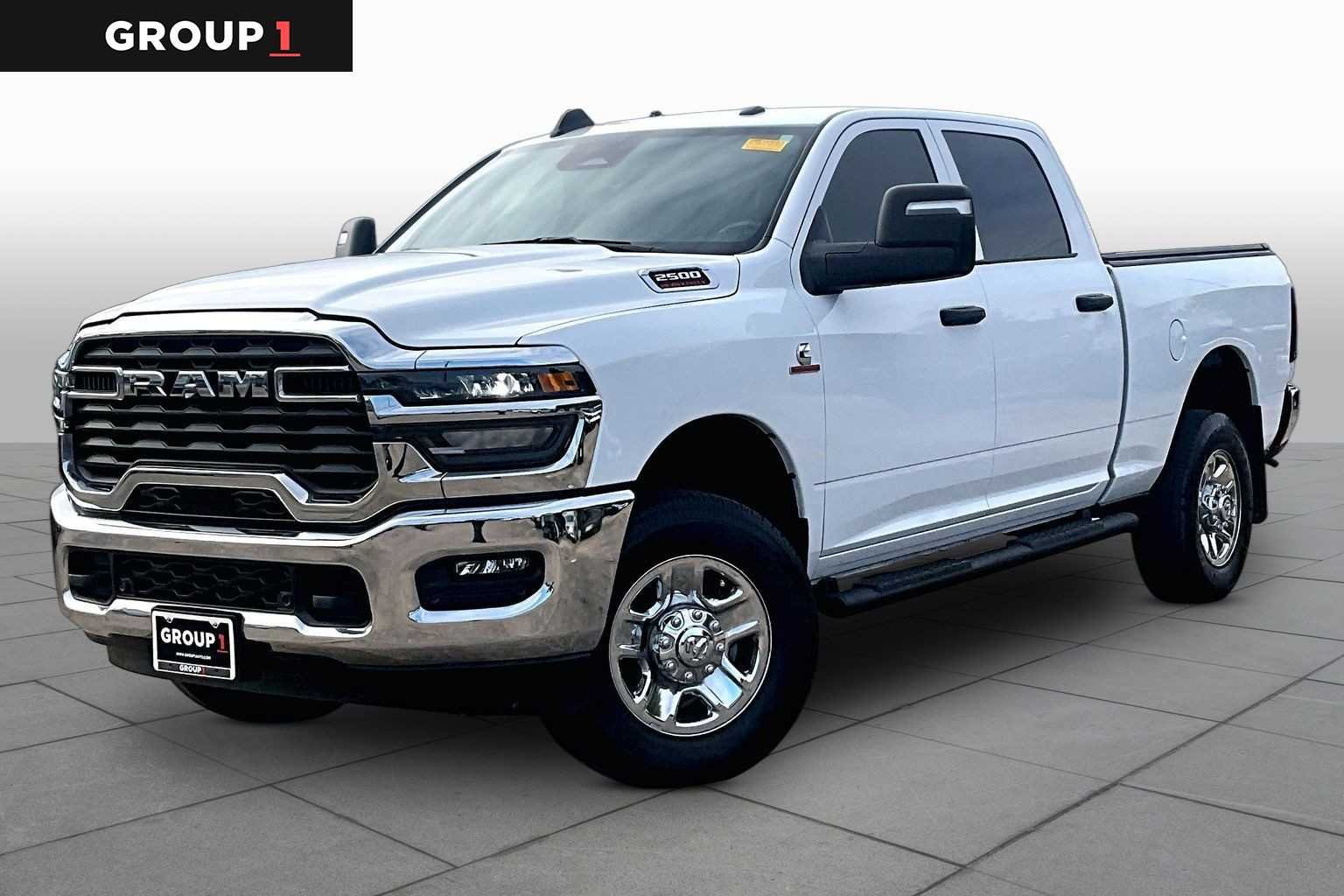
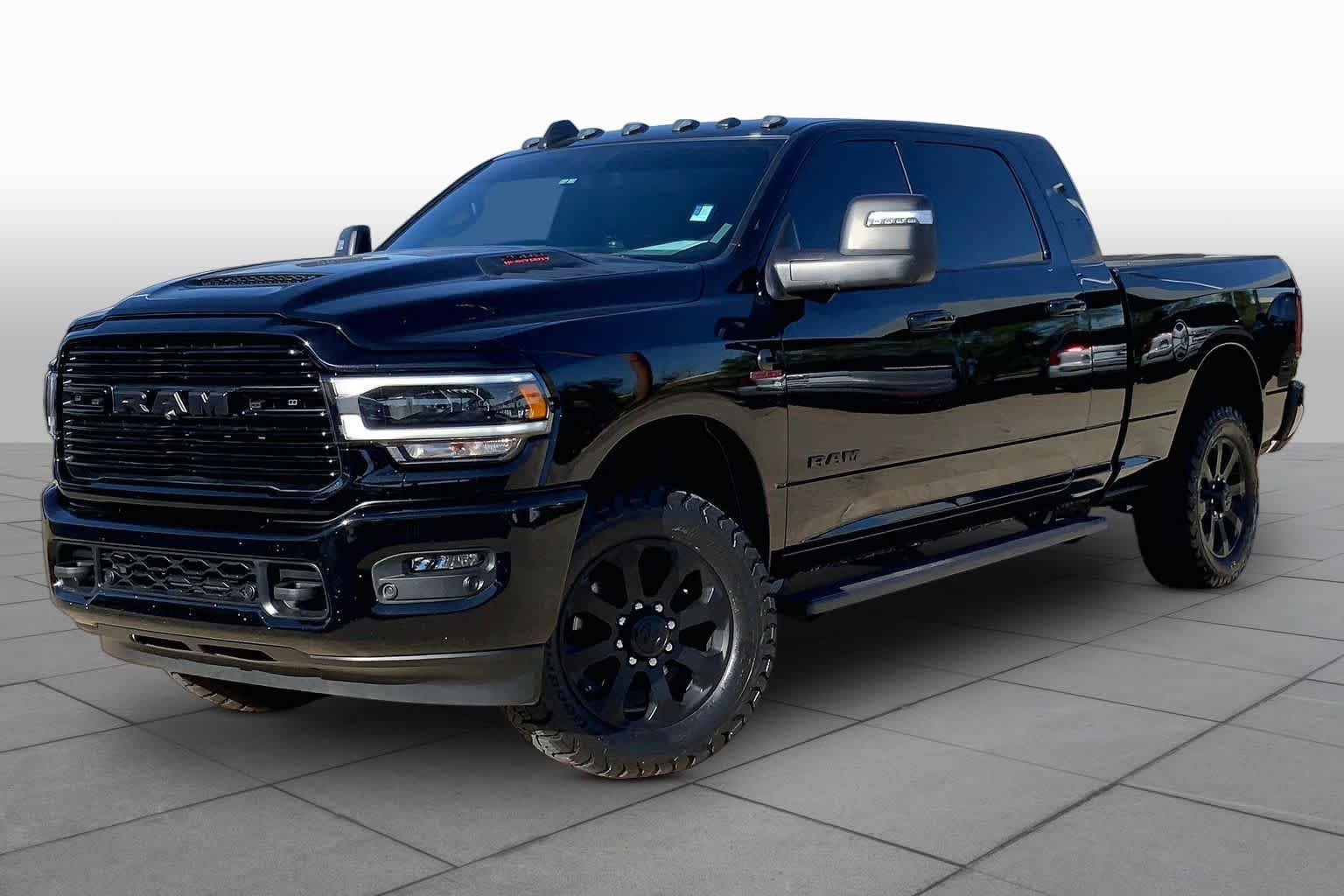
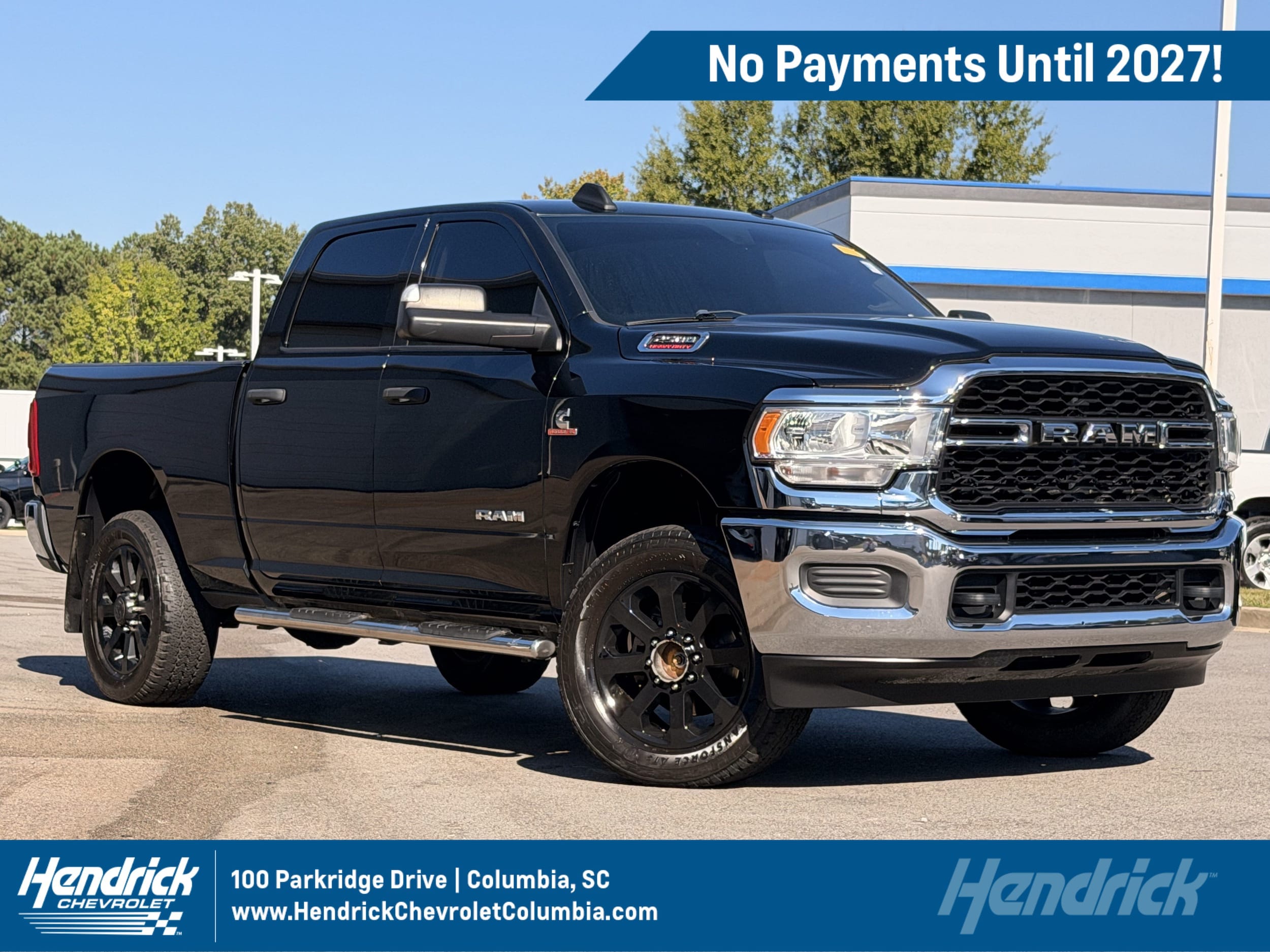
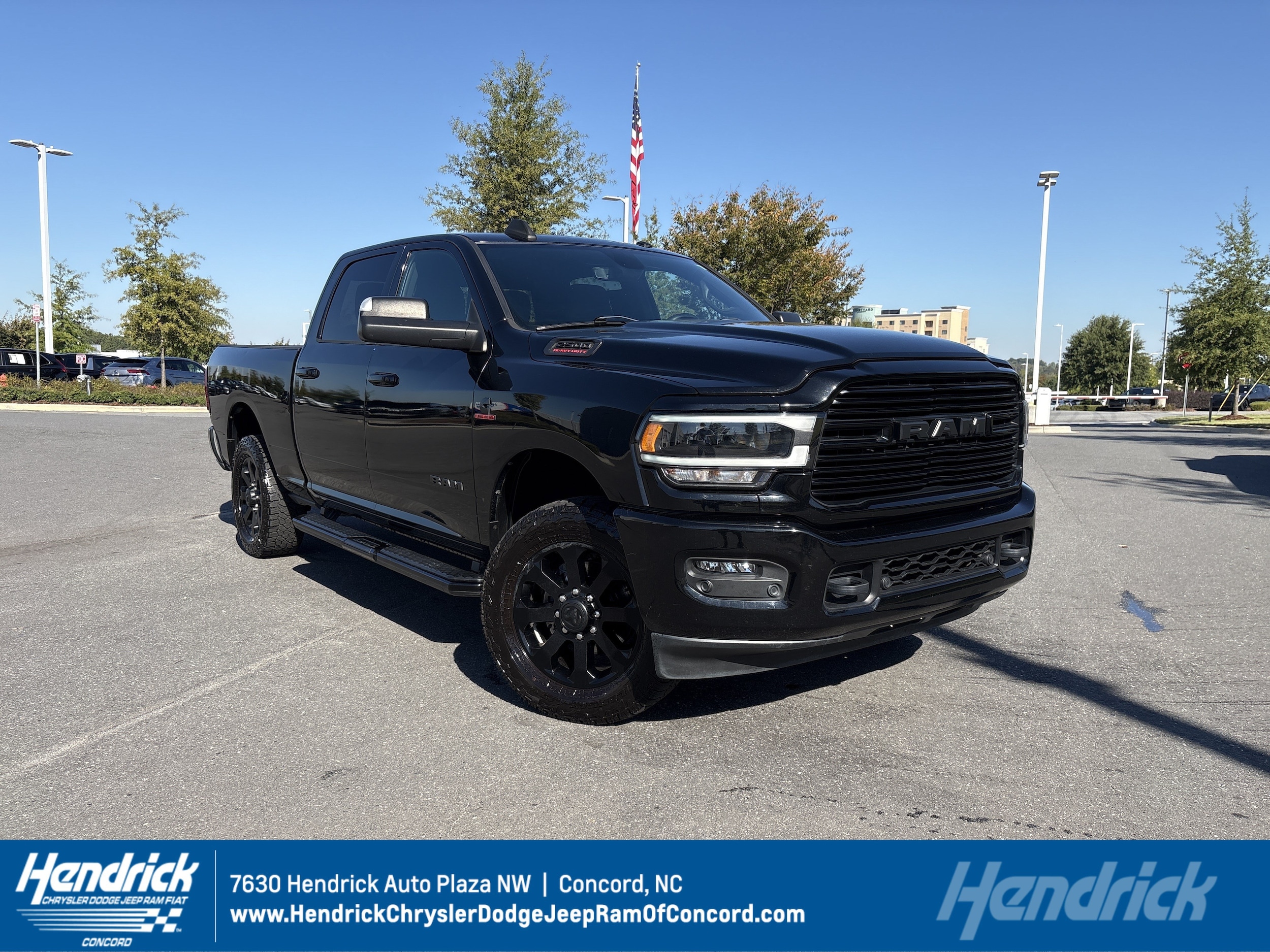
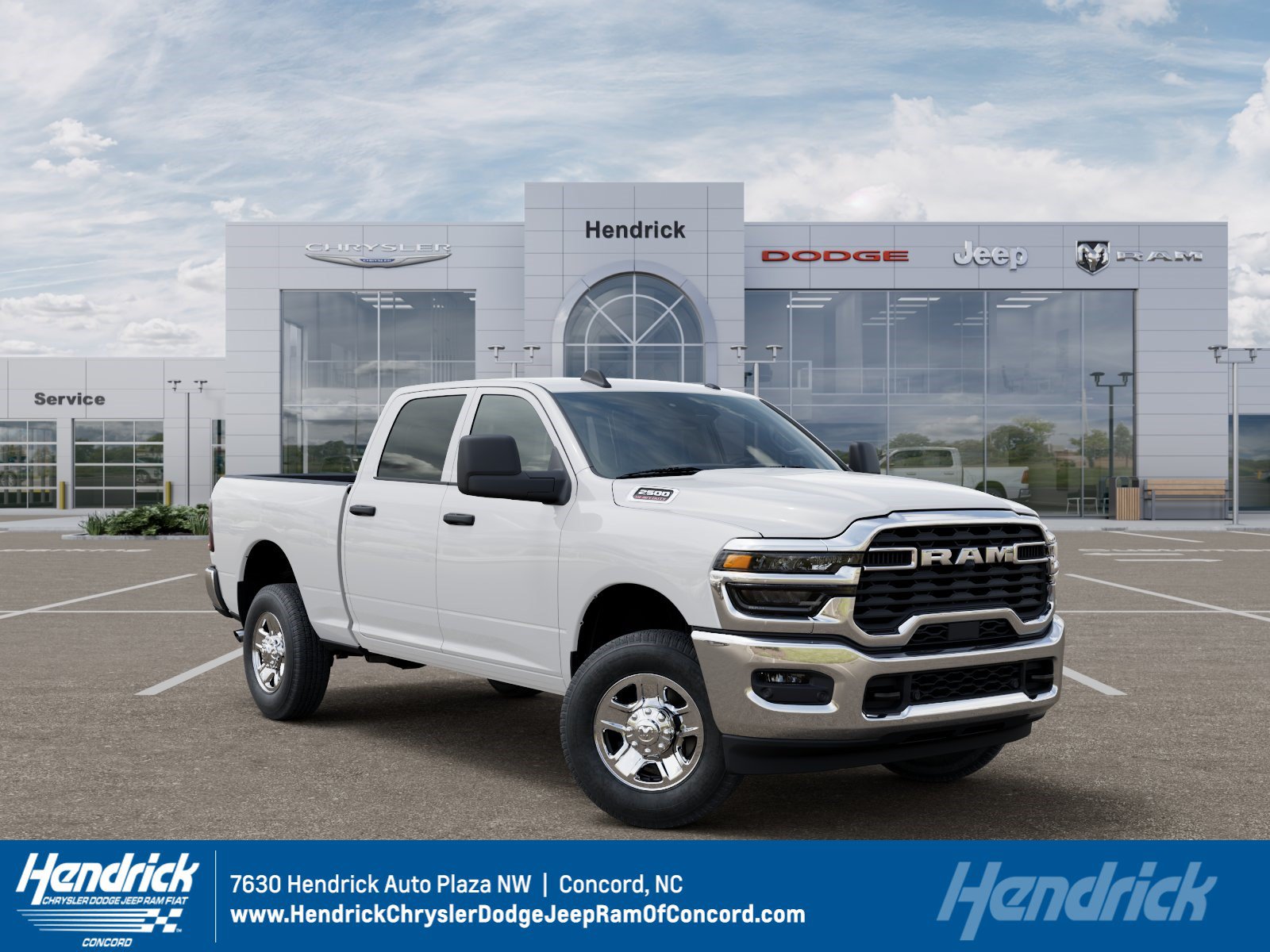
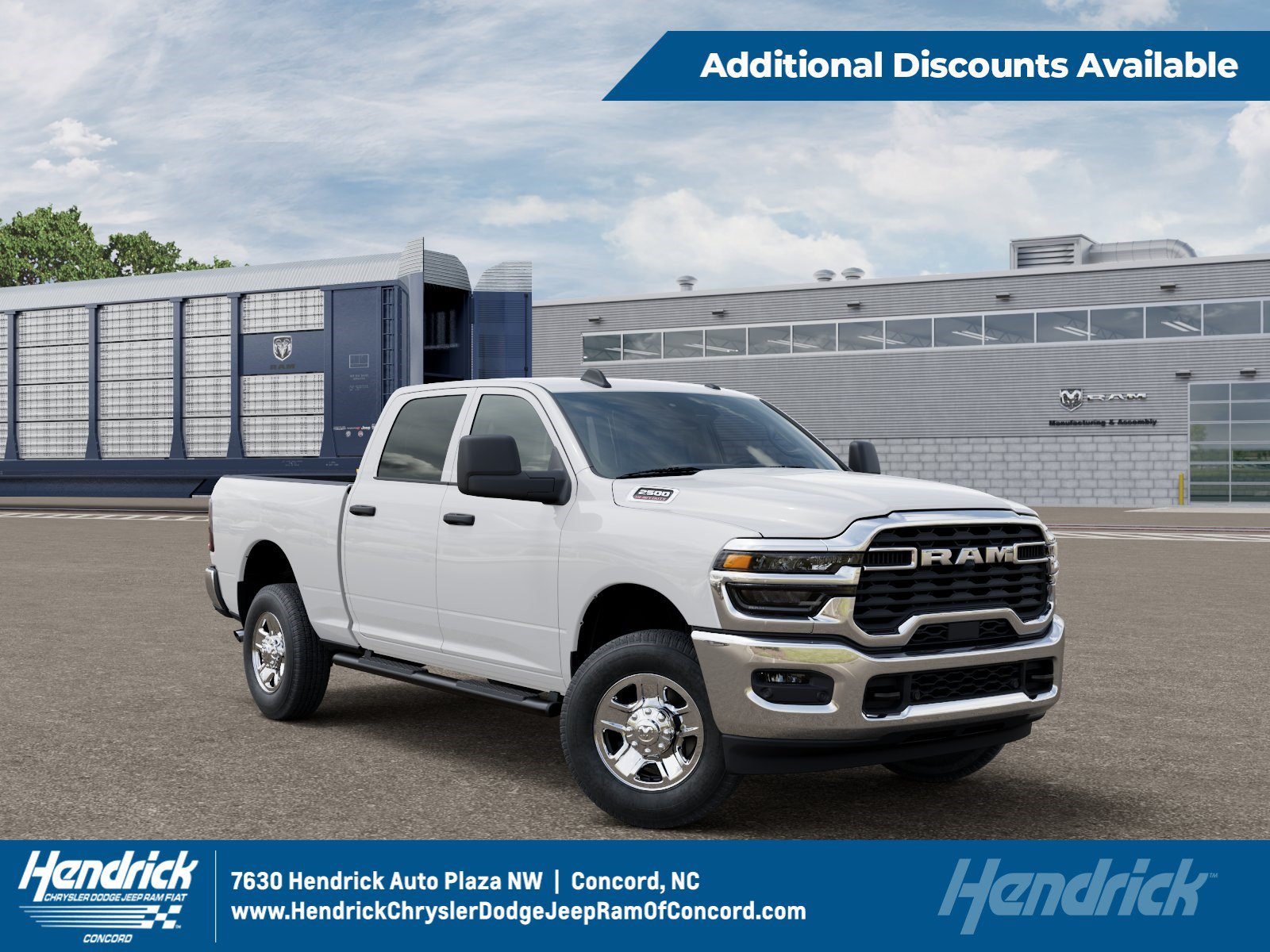
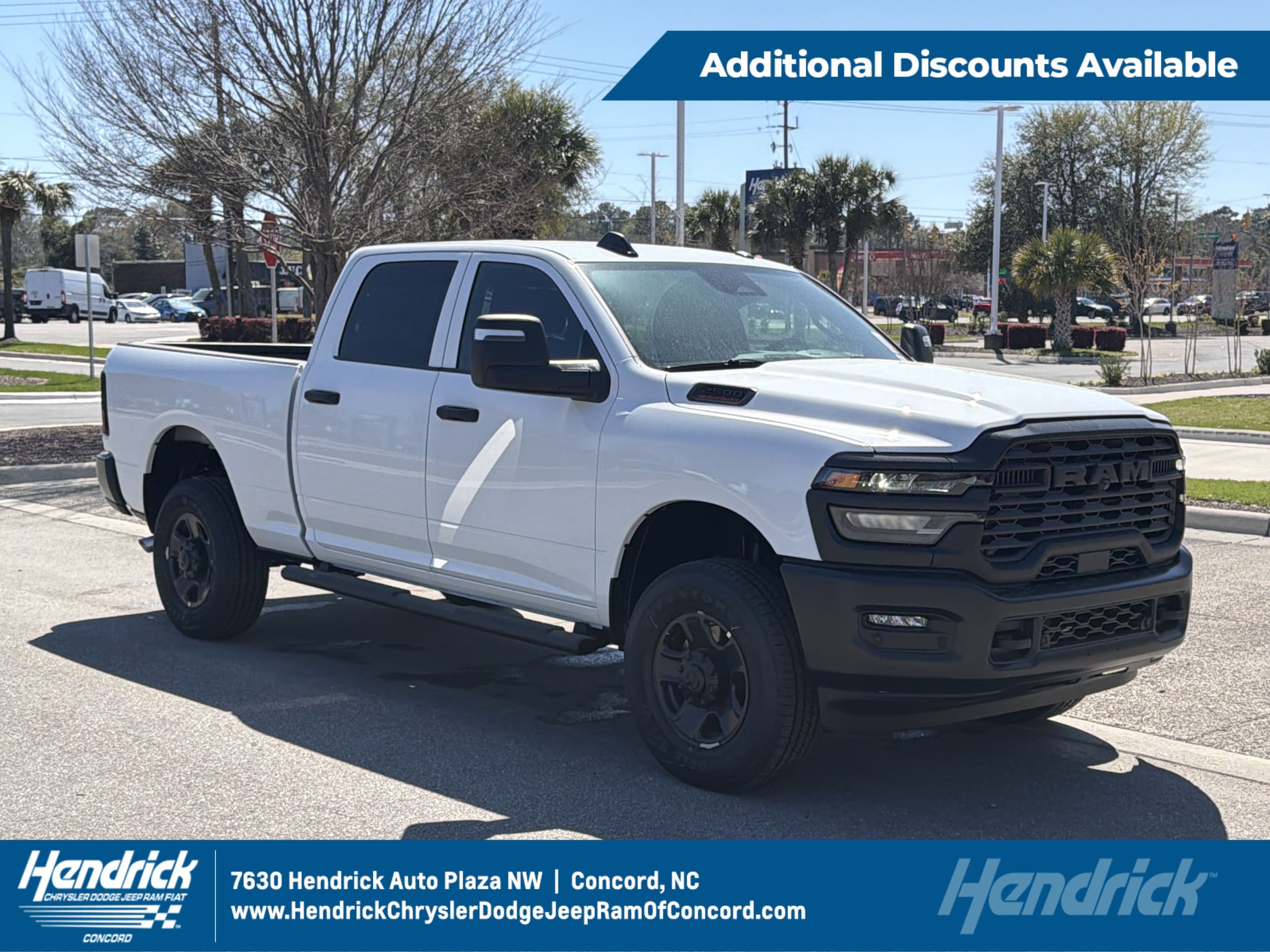
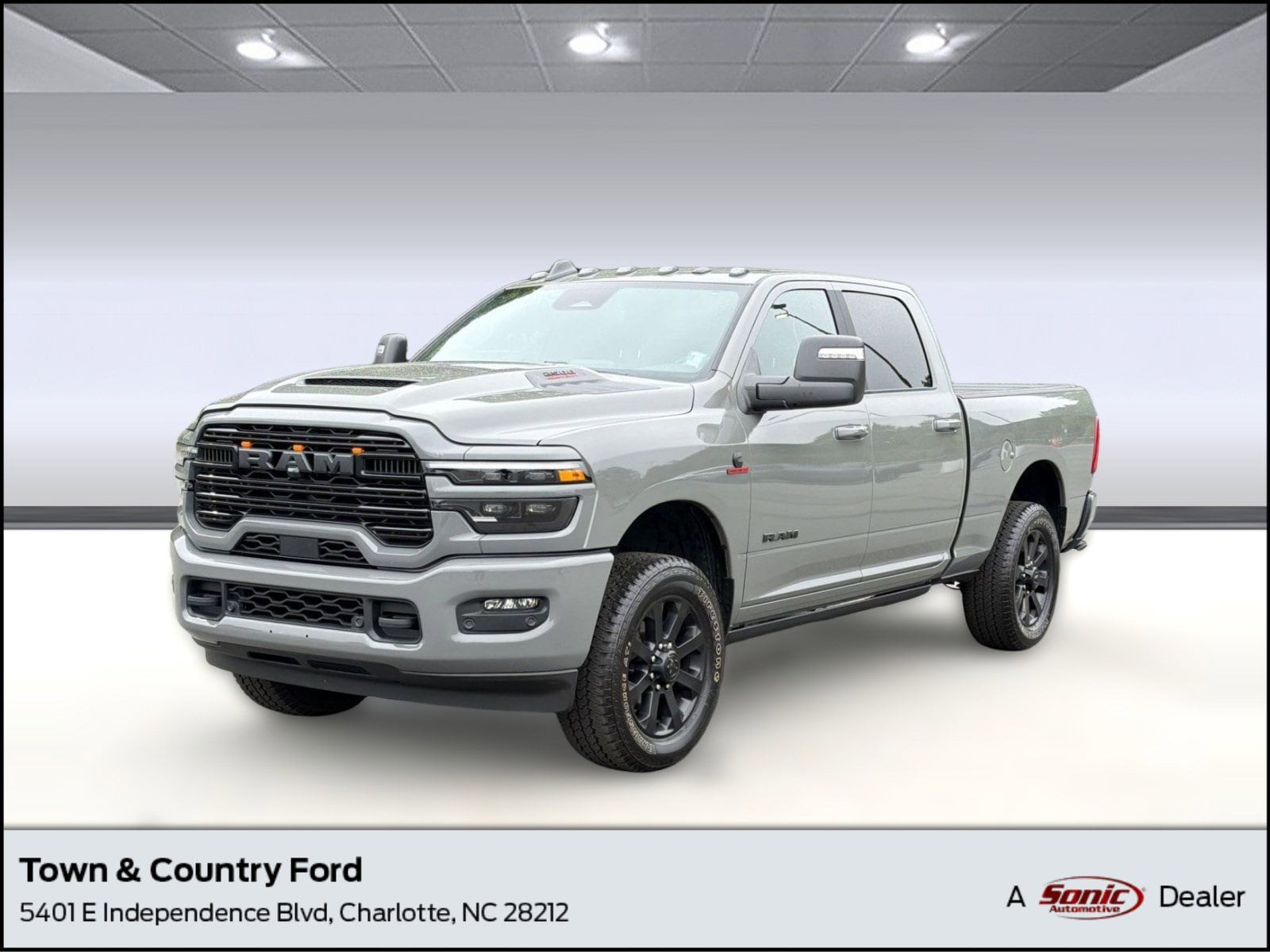
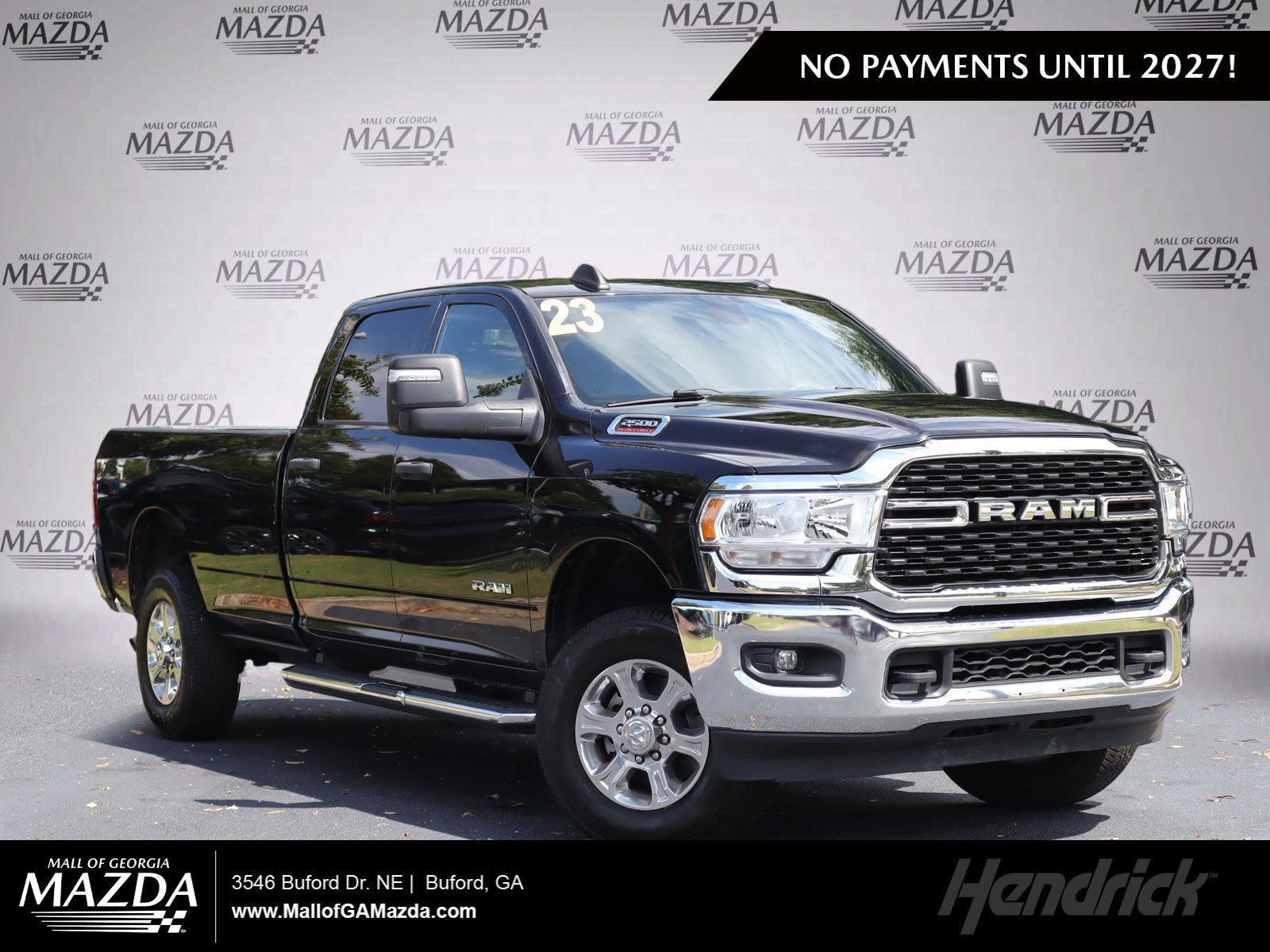
gasoline, automatic, 138K km, pickup, All Wheels Drive, 6,400 cm3, black, Big Horn, Used condition, Mexico, In stock

HendrickCars.com
 Buford, United States
 Buford, United States
 Southwest, United States
 Chevrolet, United StatesChevrolet, United StatesTrade, United StatesAustin, United StatesAustin, United StatesAustin, United StatesMain Settlement, United StatesMain Settlement, United StatesMain Settlement, United StatesFranklin, United States
 Atlanta, United StatesColumbia, United StatesT B, United States
 Concord, United States
 Concord, United StatesConcord, United StatesConcord, United StatesConcord, United StatesConcord, United StatesConcord, United StatesConcord, United StatesConcord, United StatesCharlotte, United States
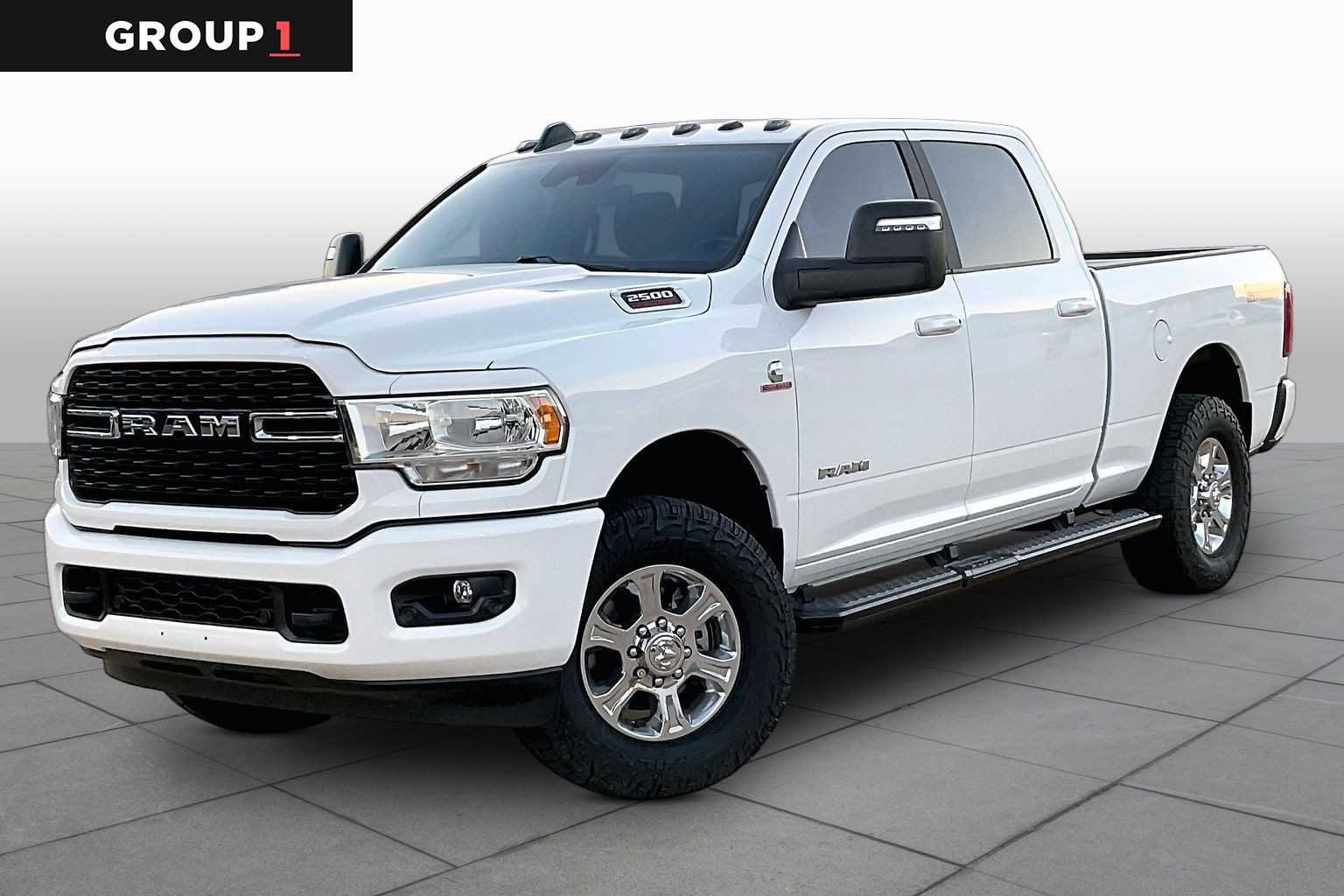
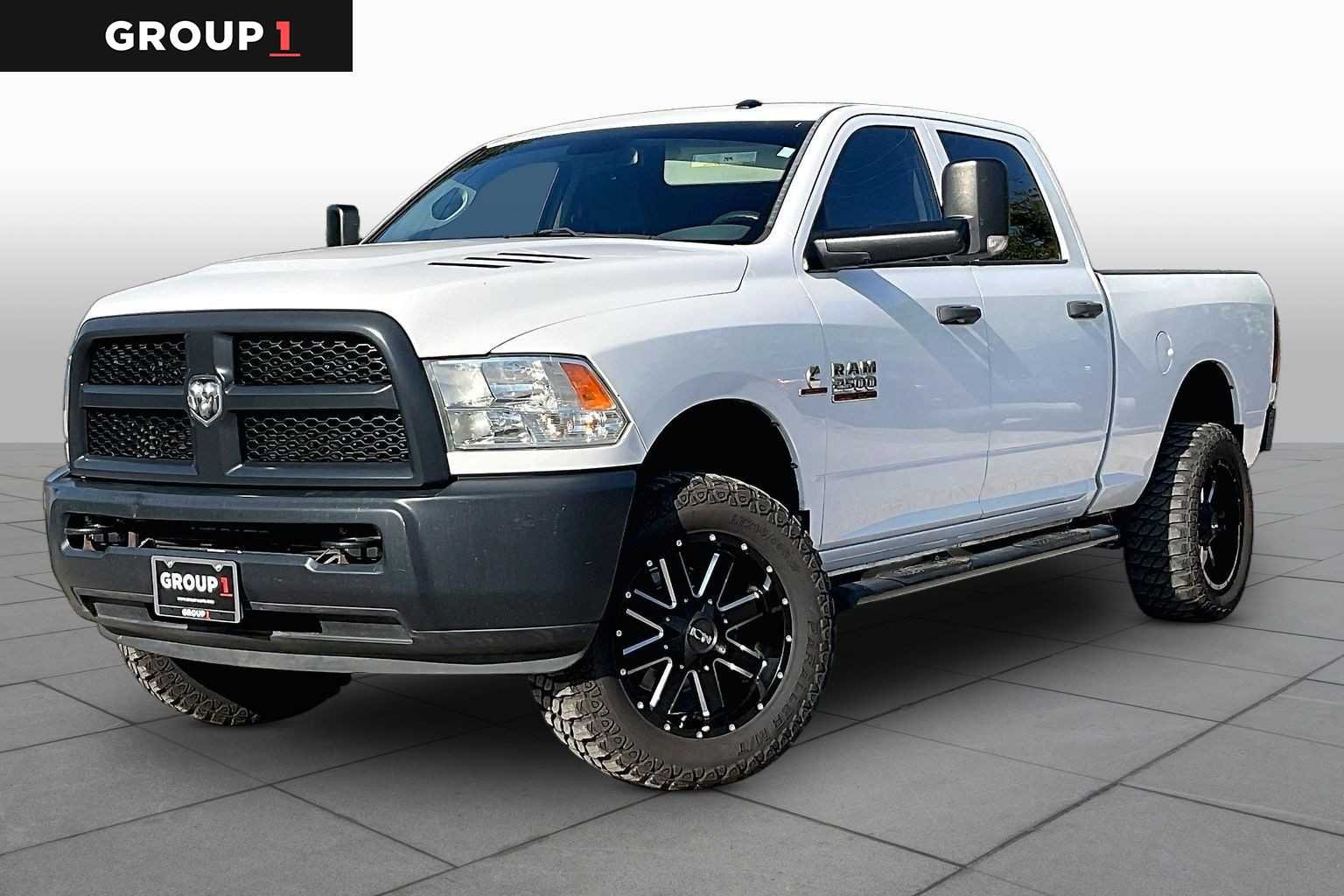
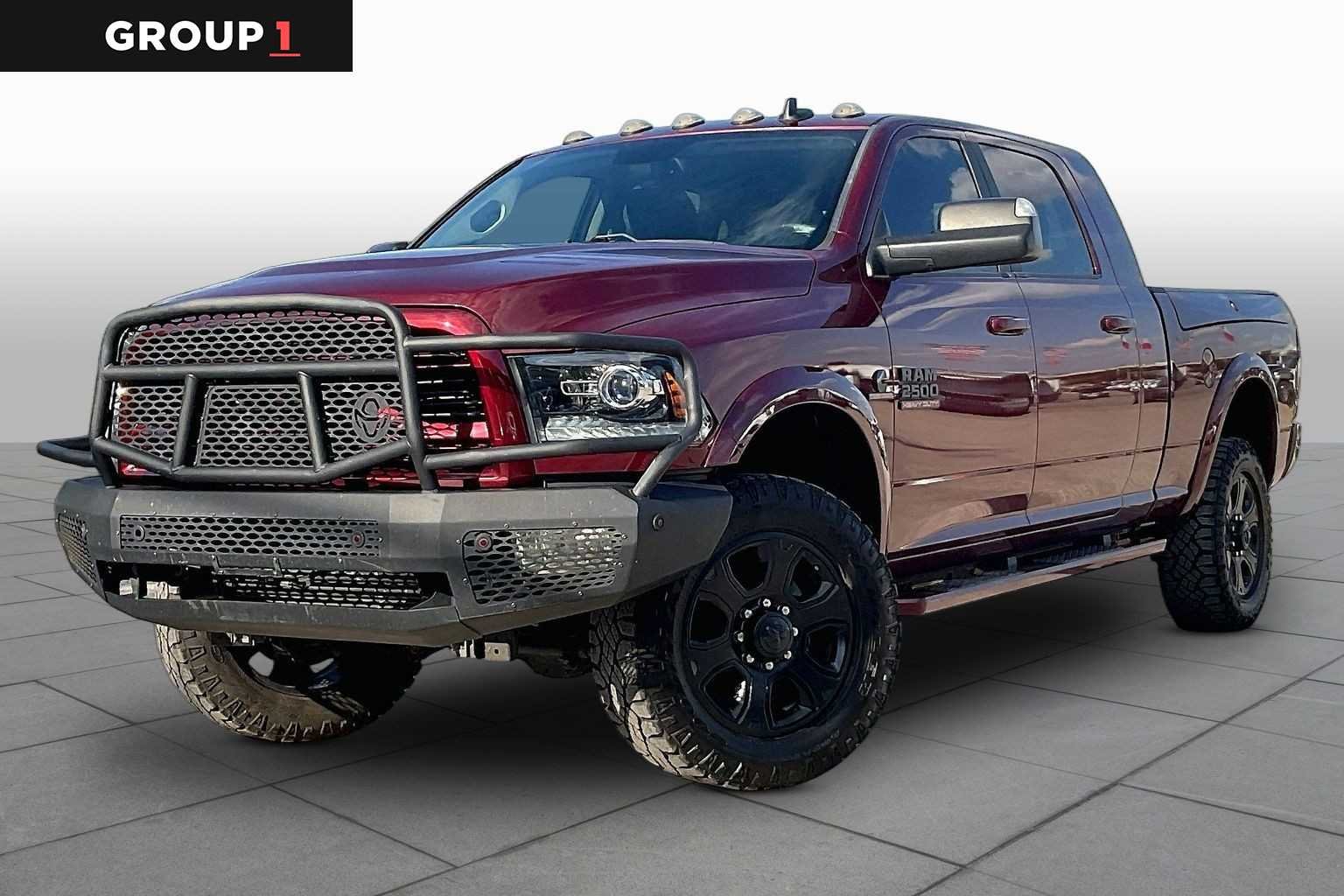
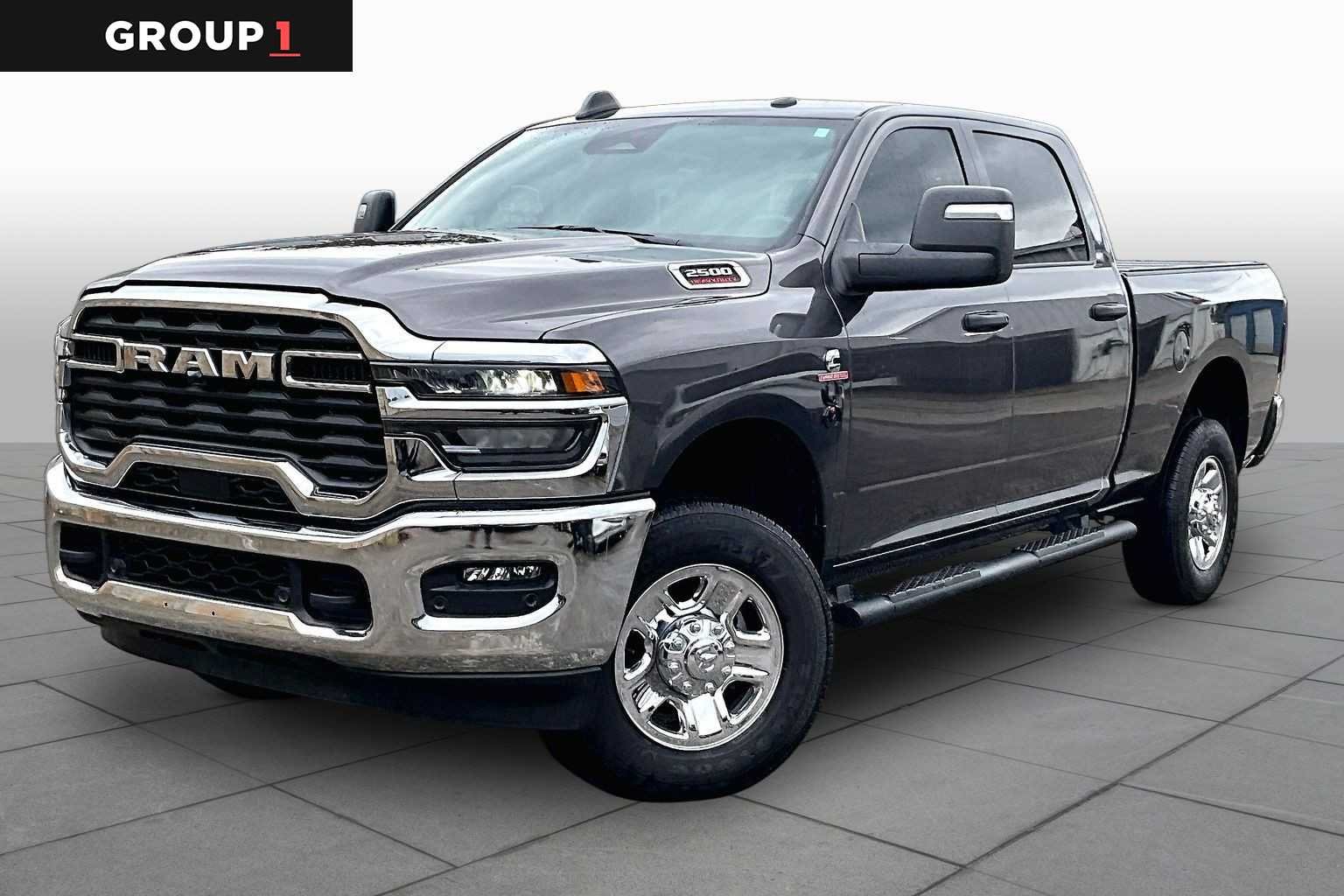
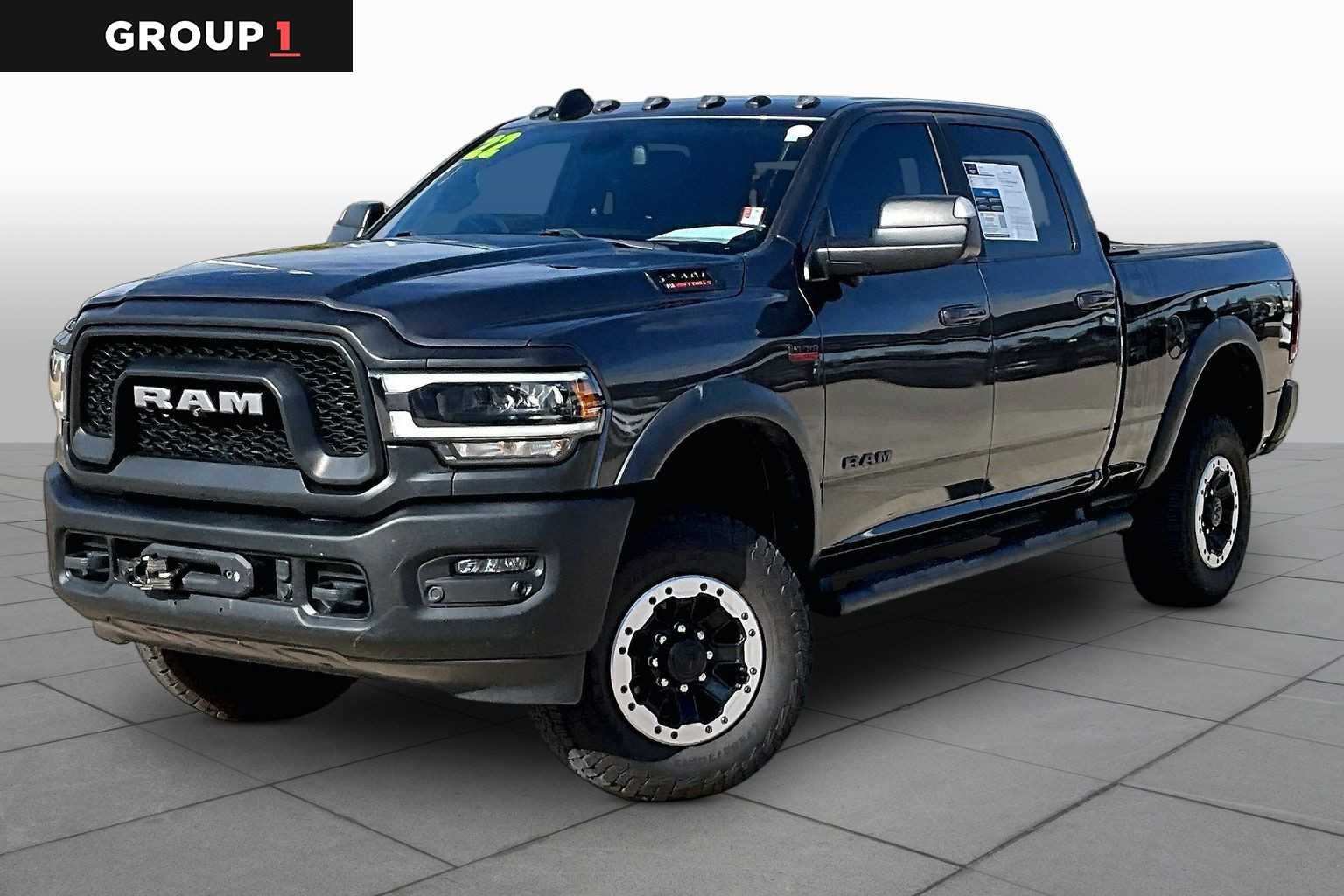
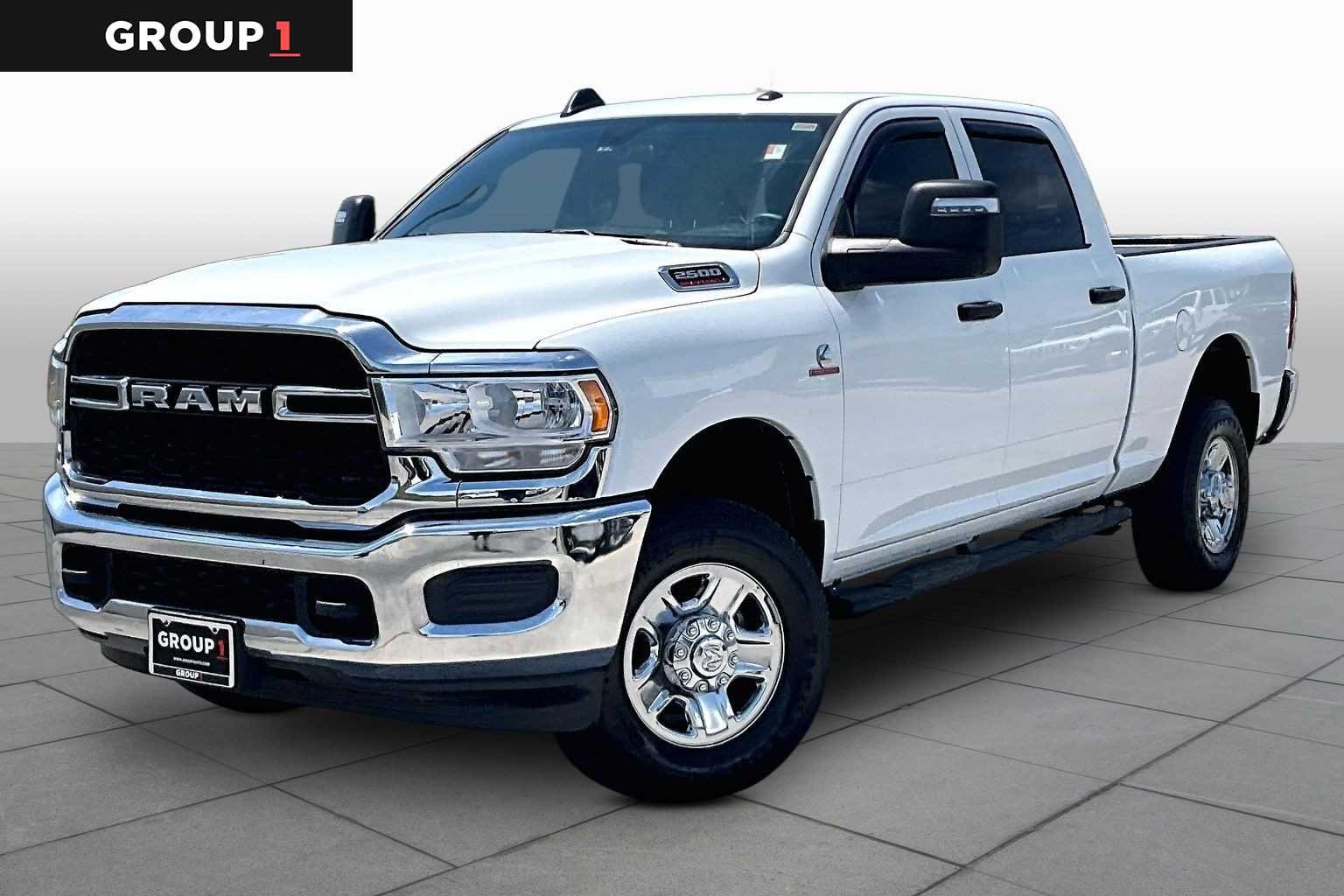
The Ram 2500 is a stalwart option in the heavy-duty pickup segment, known for its robust underpinnings, high towing and payload capacities, and a variety of cab and bed configurations. If you’re considering a Ram 2500, understanding the different generations, engines, body types, and price ranges will help you make a confident decision. This guide focuses on what matters in the real markets of the main cities and countries where buyers and sellers look for the Ram 2500, and it covers key questions like reliability, cost of ownership, and how to evaluate a used truck before purchase.
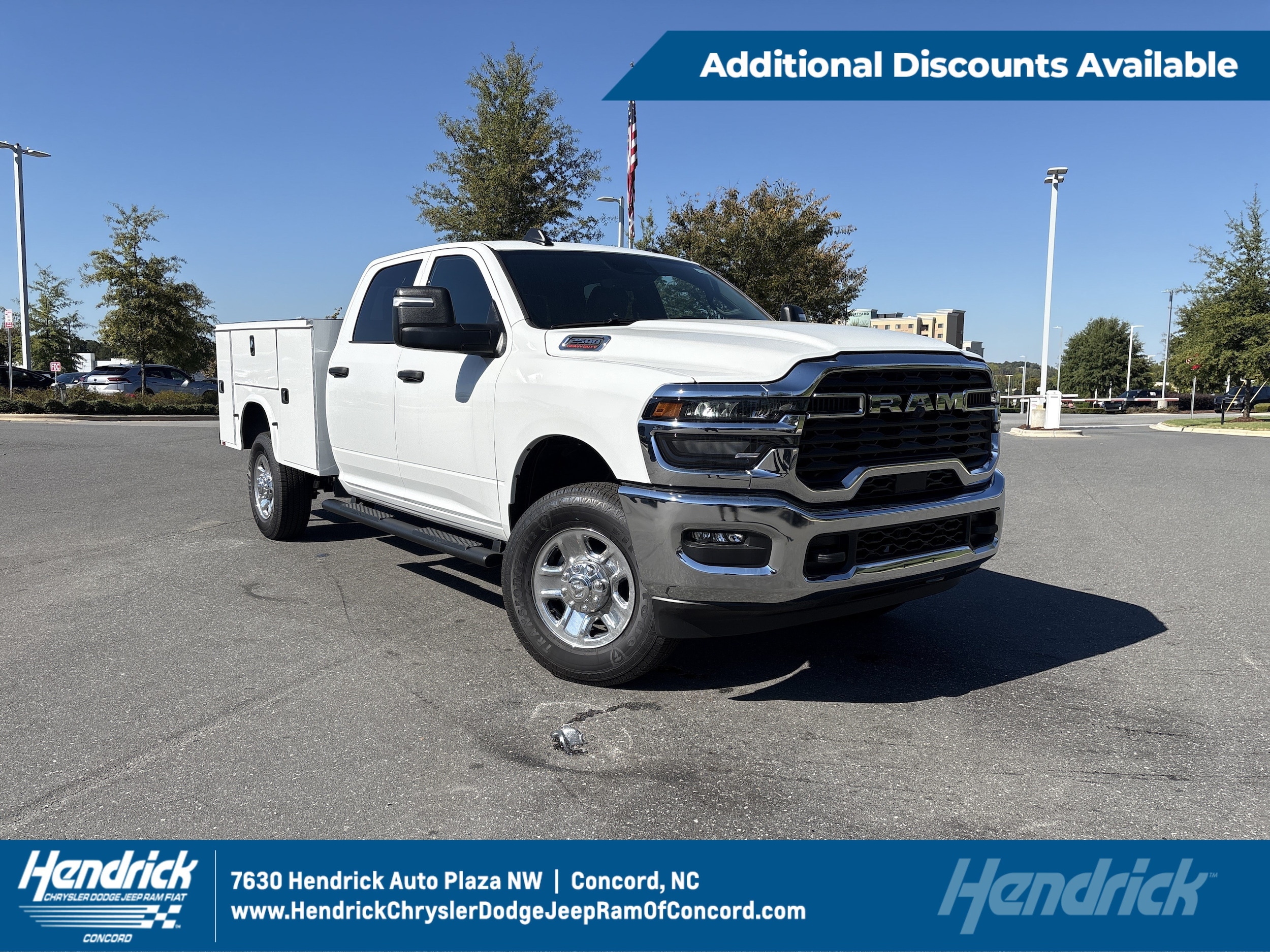
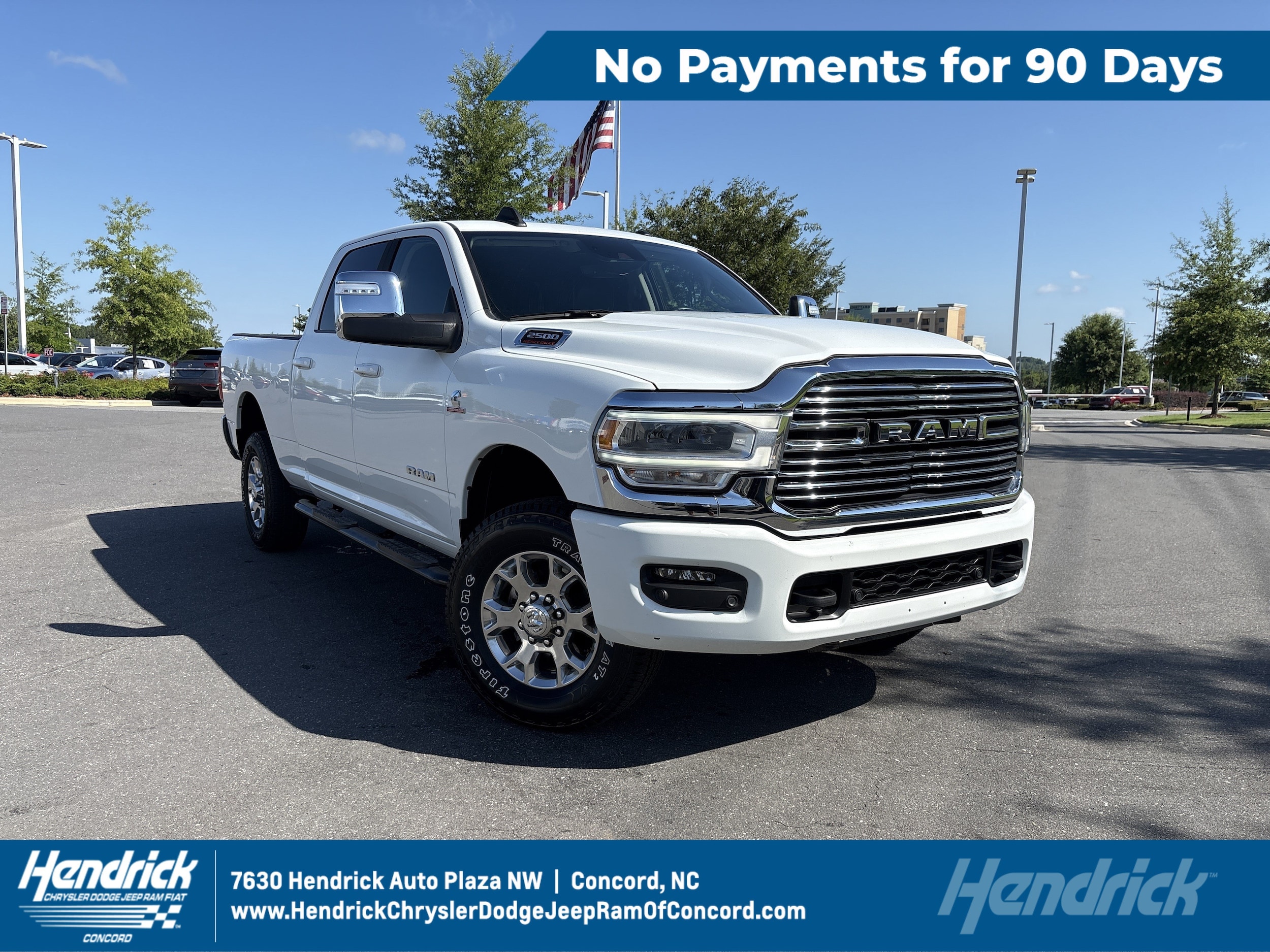
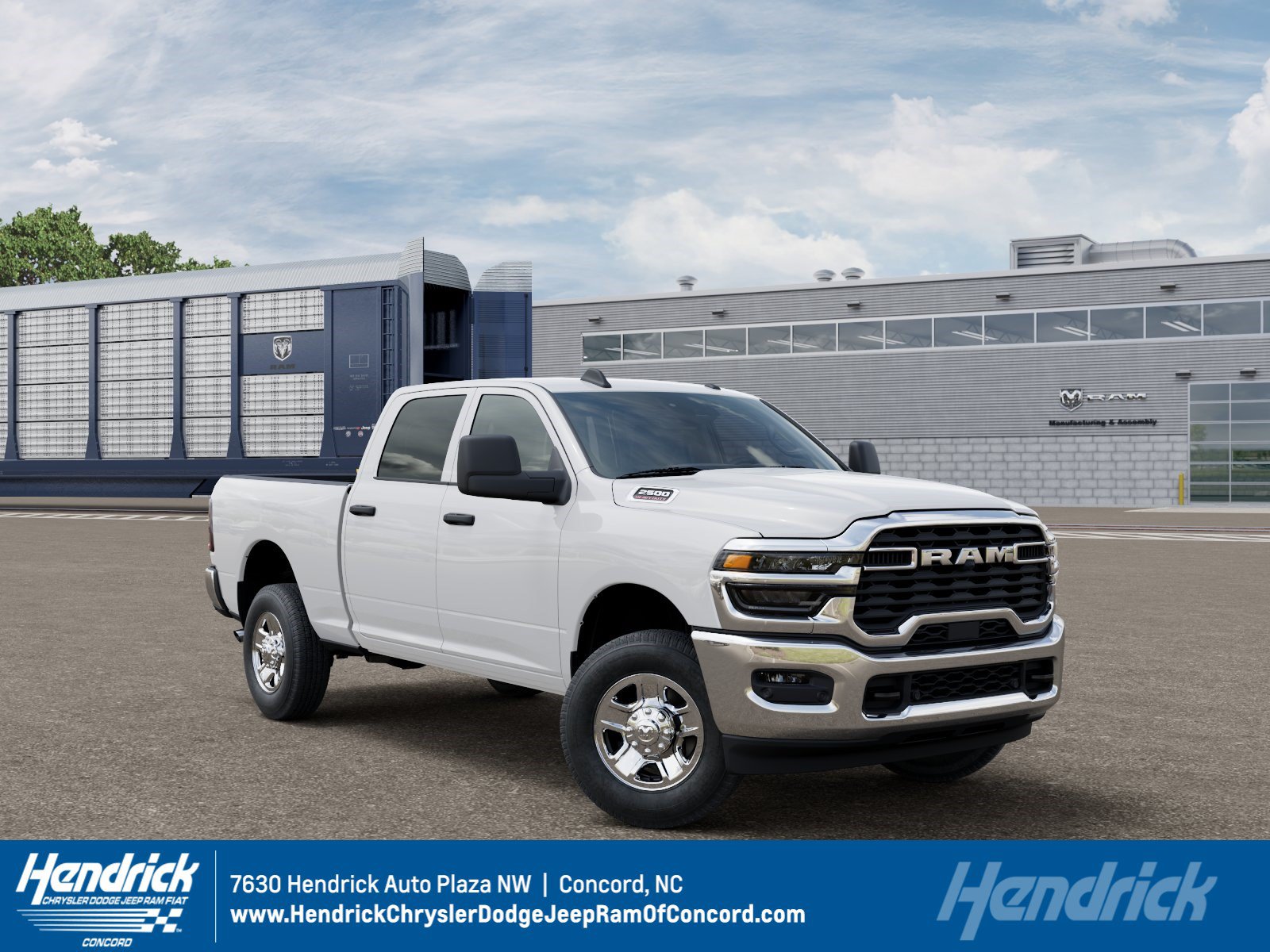
When shopping for a Ram 2500, the most common considerations include generation, fuel type, and body configuration. The model has been offered with multiple engines and transmissions, and it comes in Regular Cab, Crew Cab, and Mega Cab layouts with standard, long, and short beds. Buyers often compare the latest generation against older ones to balance price and capability.
Inspecting a Ram 2500 before purchase helps prevent costly surprises. Focus on drivetrain wear, frame corrosion in regions with winter salt, and the condition of the diesel fuel system if you’re eyeing a Cummins option. For those selling, honest maintenance records and a clean service history can help fetch a higher asking price.
In many markets, Ram 2500 pricing varies with the generation, engine choice, and condition. For new buyers, consider the total cost of ownership including insurance, fuel, and potential diesel maintenance. For sellers, presenting a transparent history, close to market mileage, and honest condition reports can improve offers.
Whether you’re aiming to buy a Ram 2500 for work or sell a well-kept unit, understanding the nuances of the model’s generations, engines, and configurations will help you navigate the market with confidence.
 Add as preferred sourceSee more from zvelta in Google Search Add as preferred source