 EN
ENDEALER

62.908 US$DEALER
63.908 US$
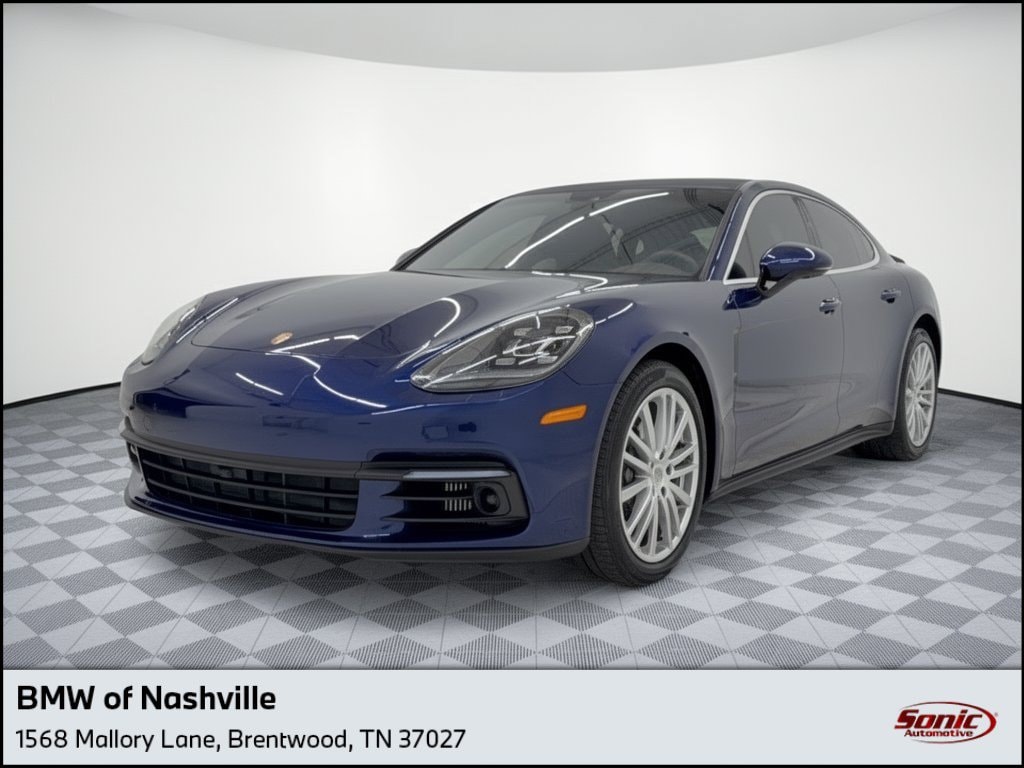
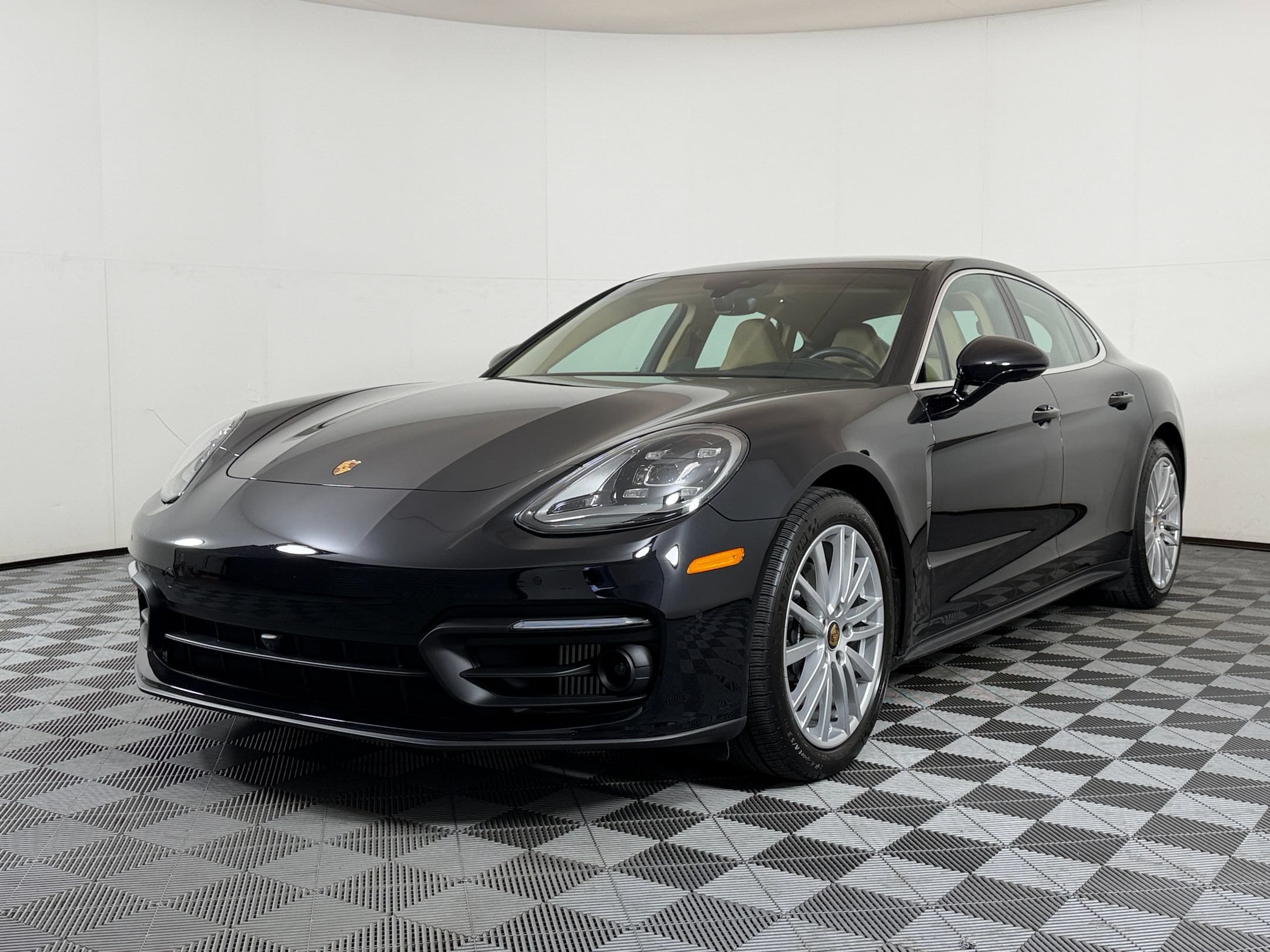
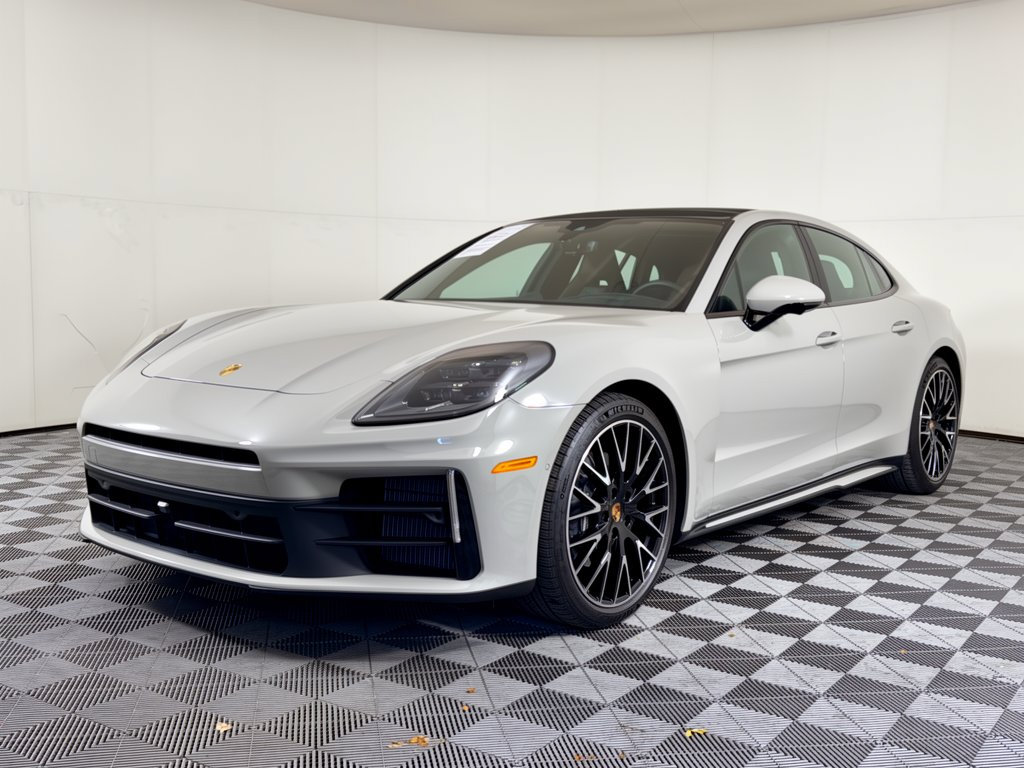
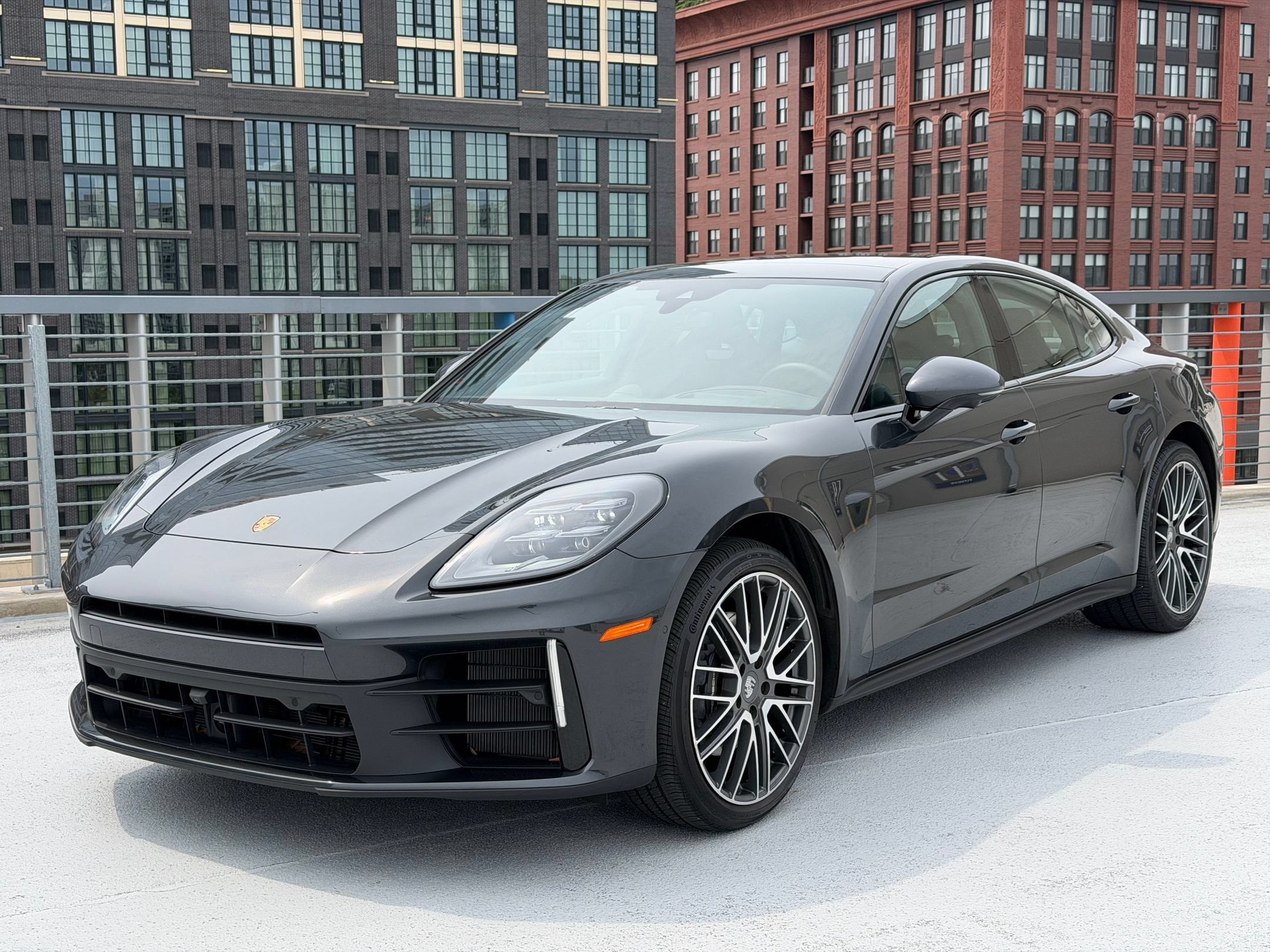
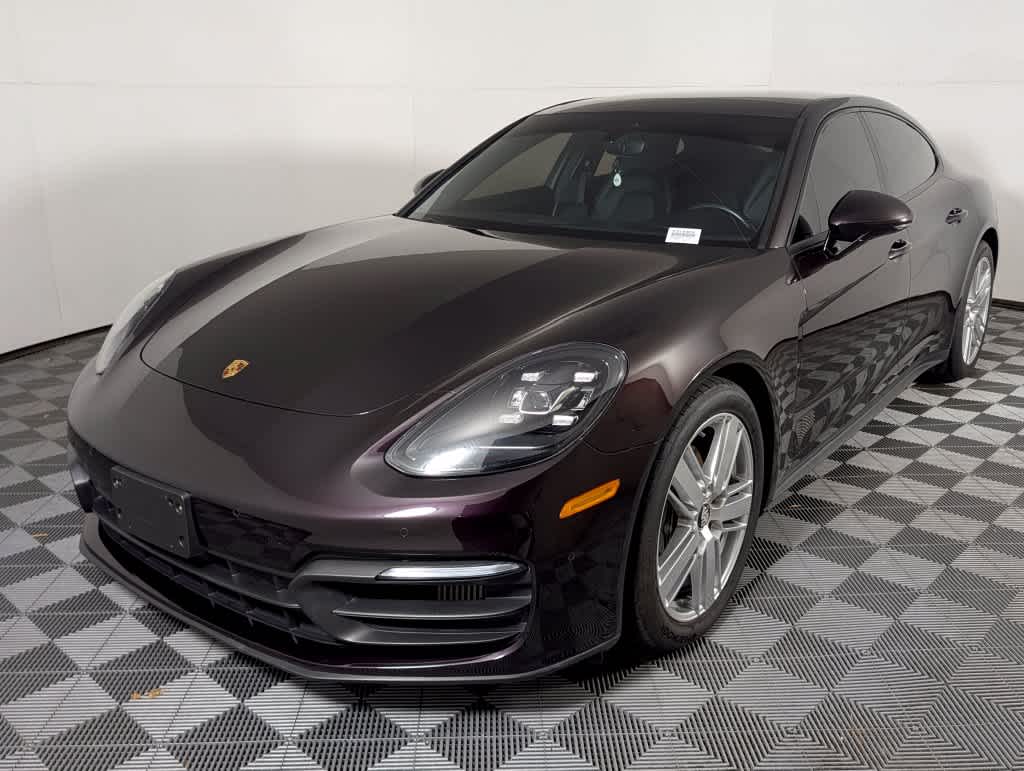
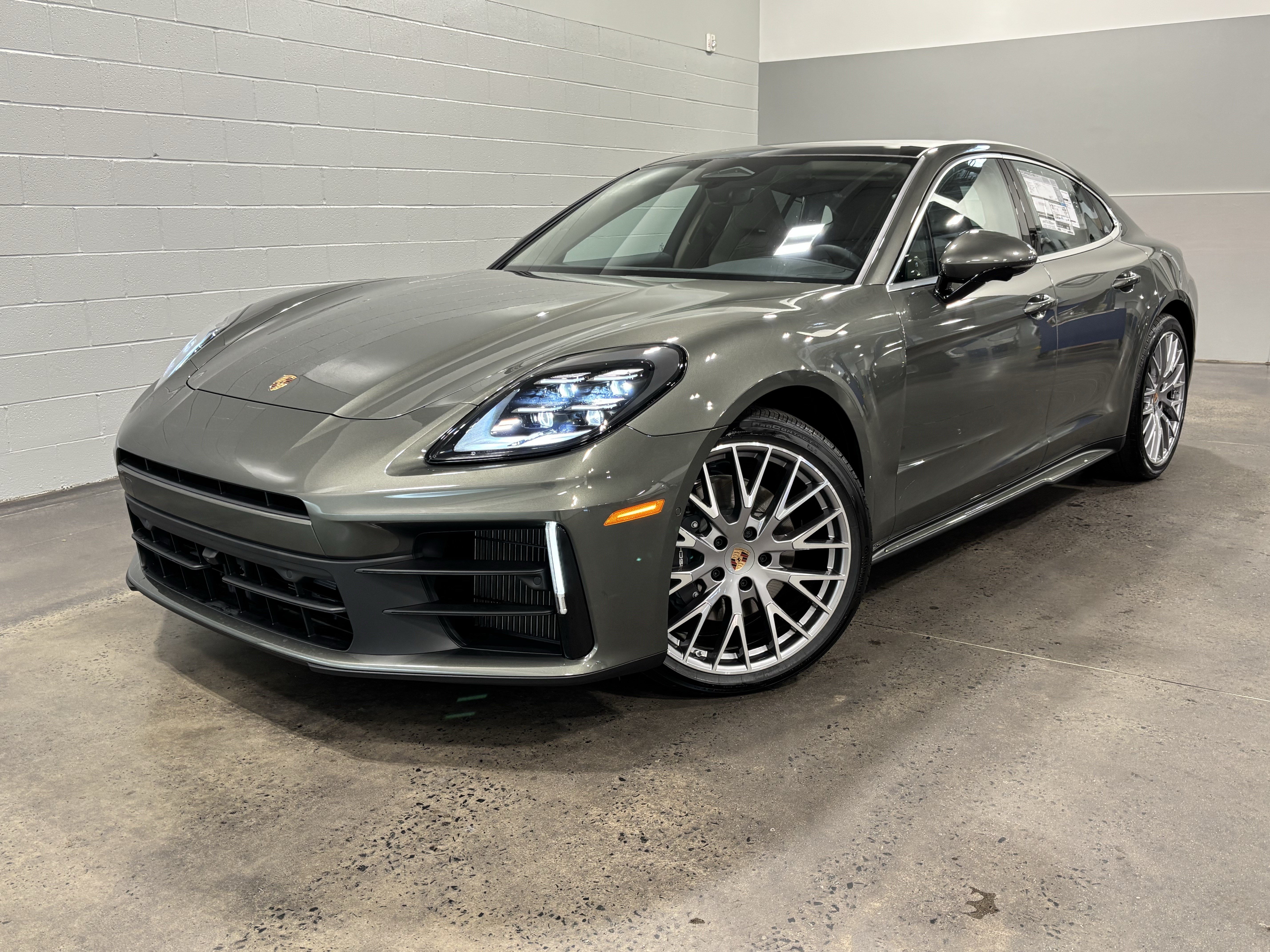
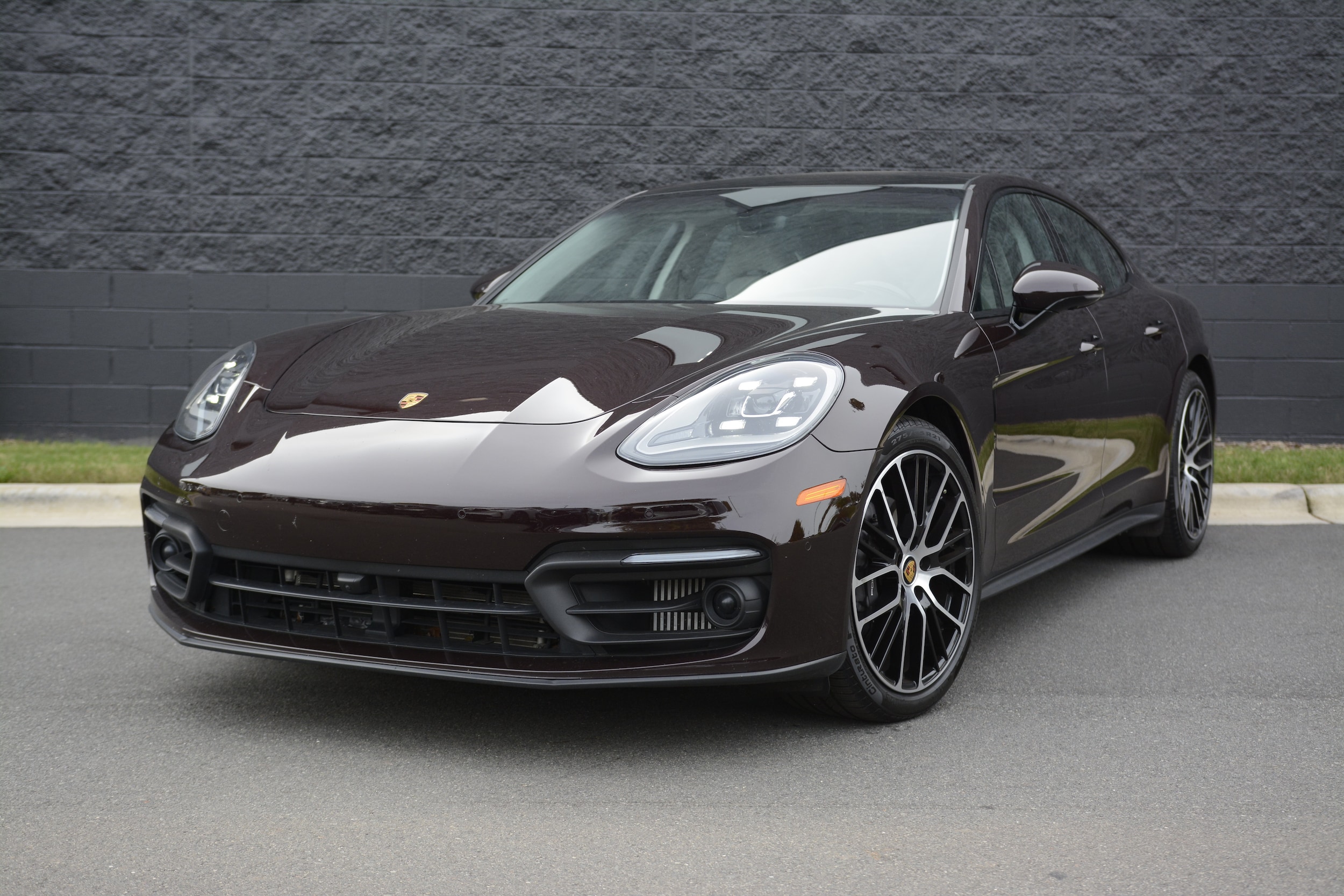
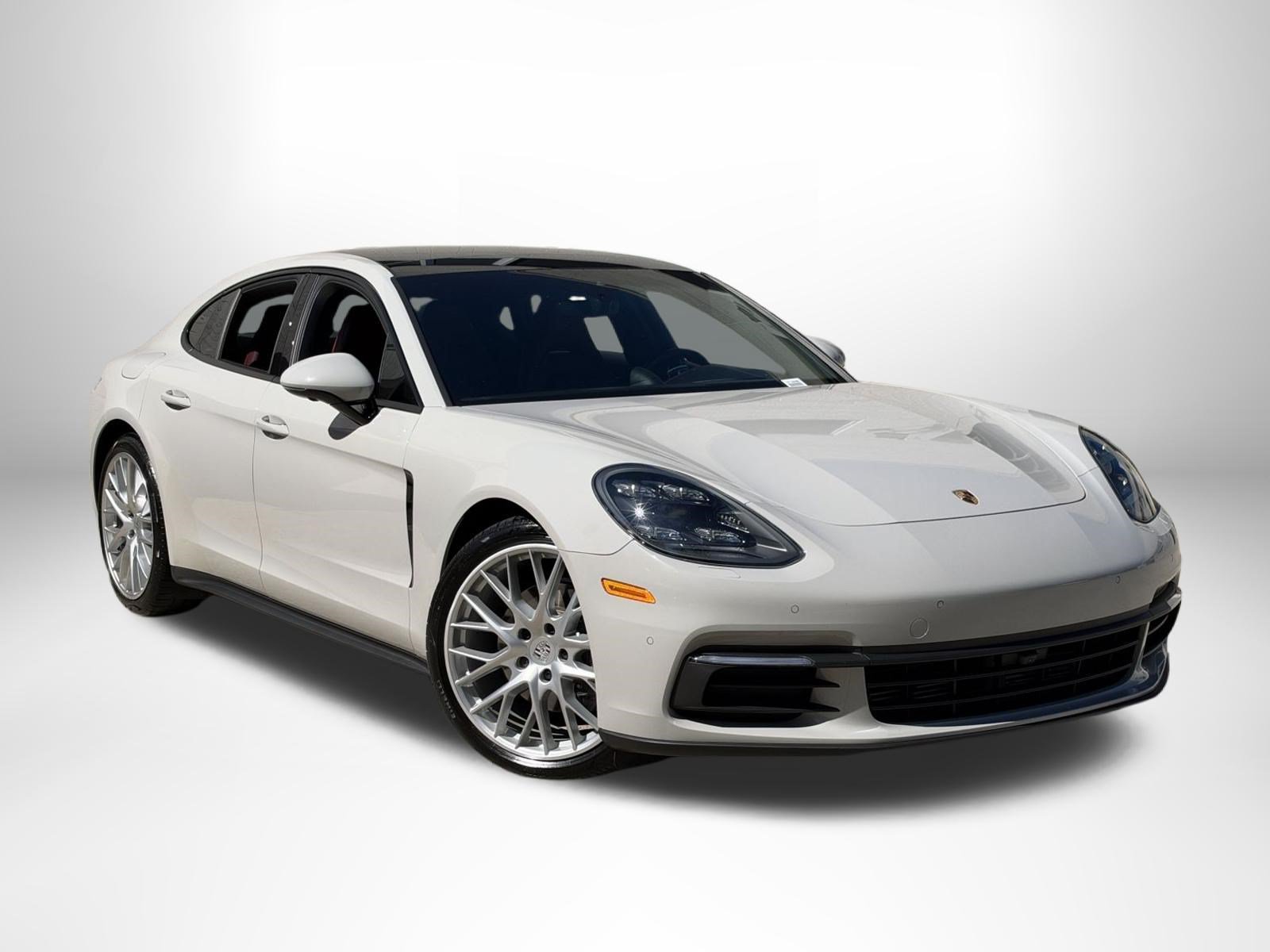
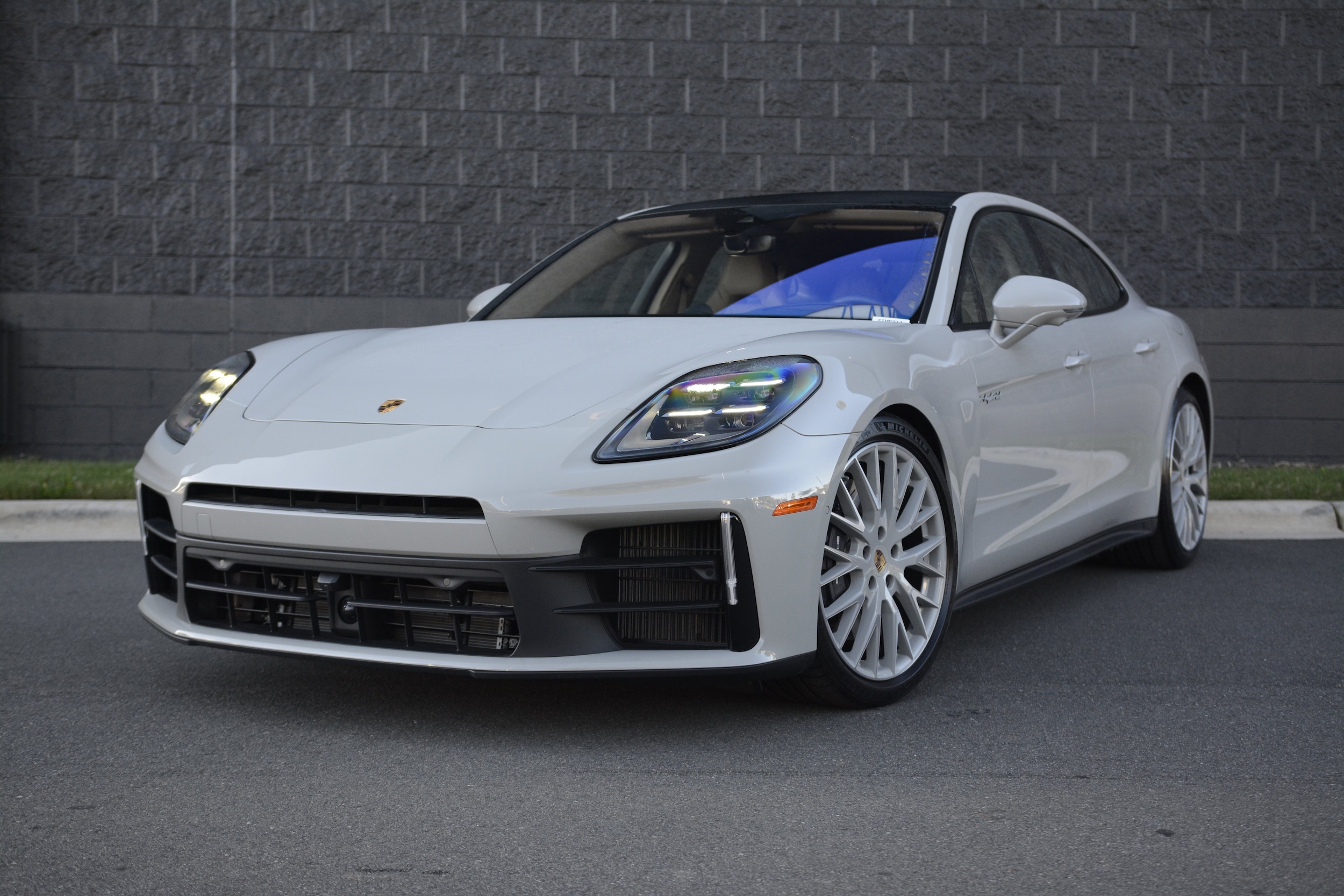
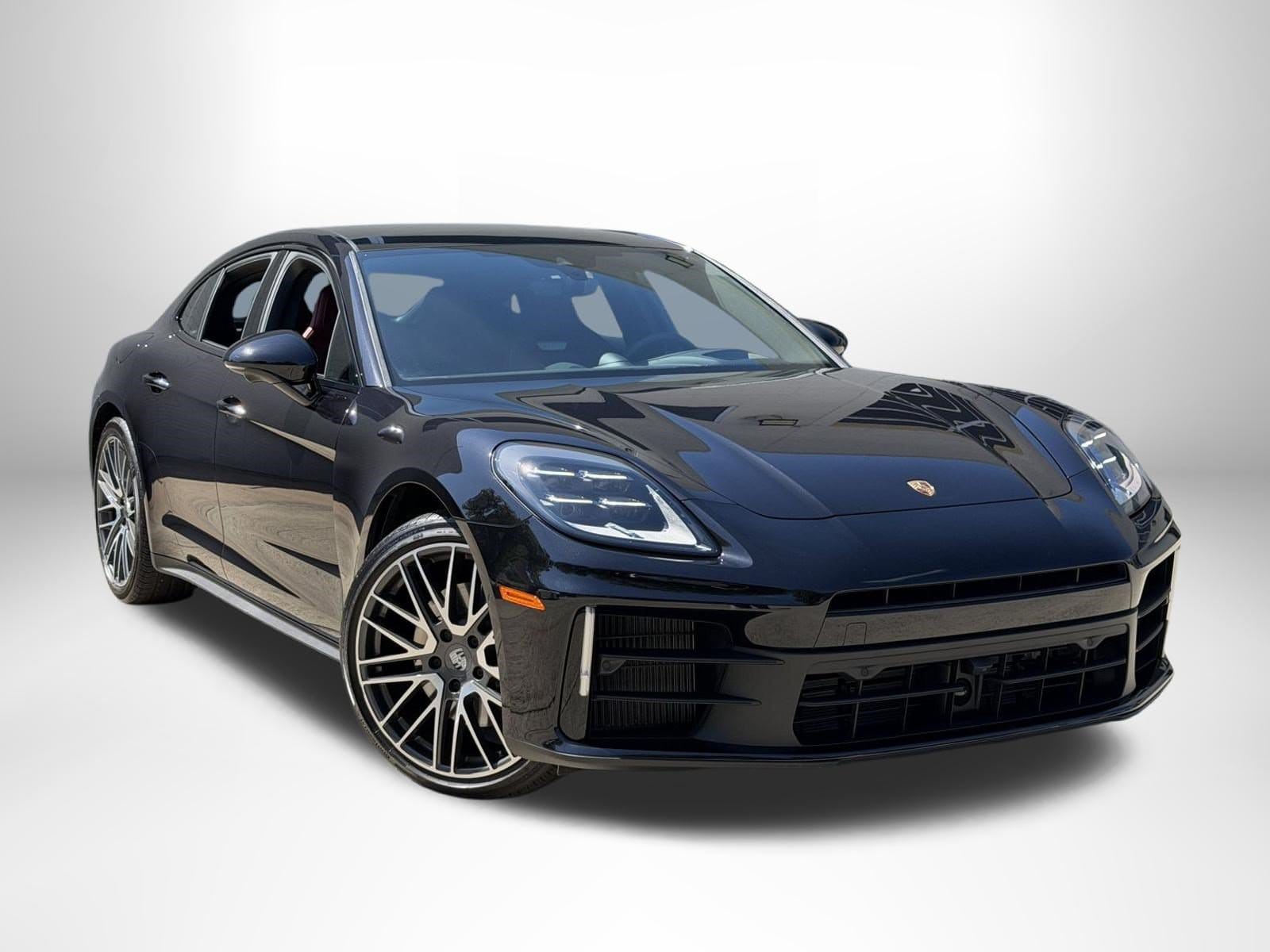
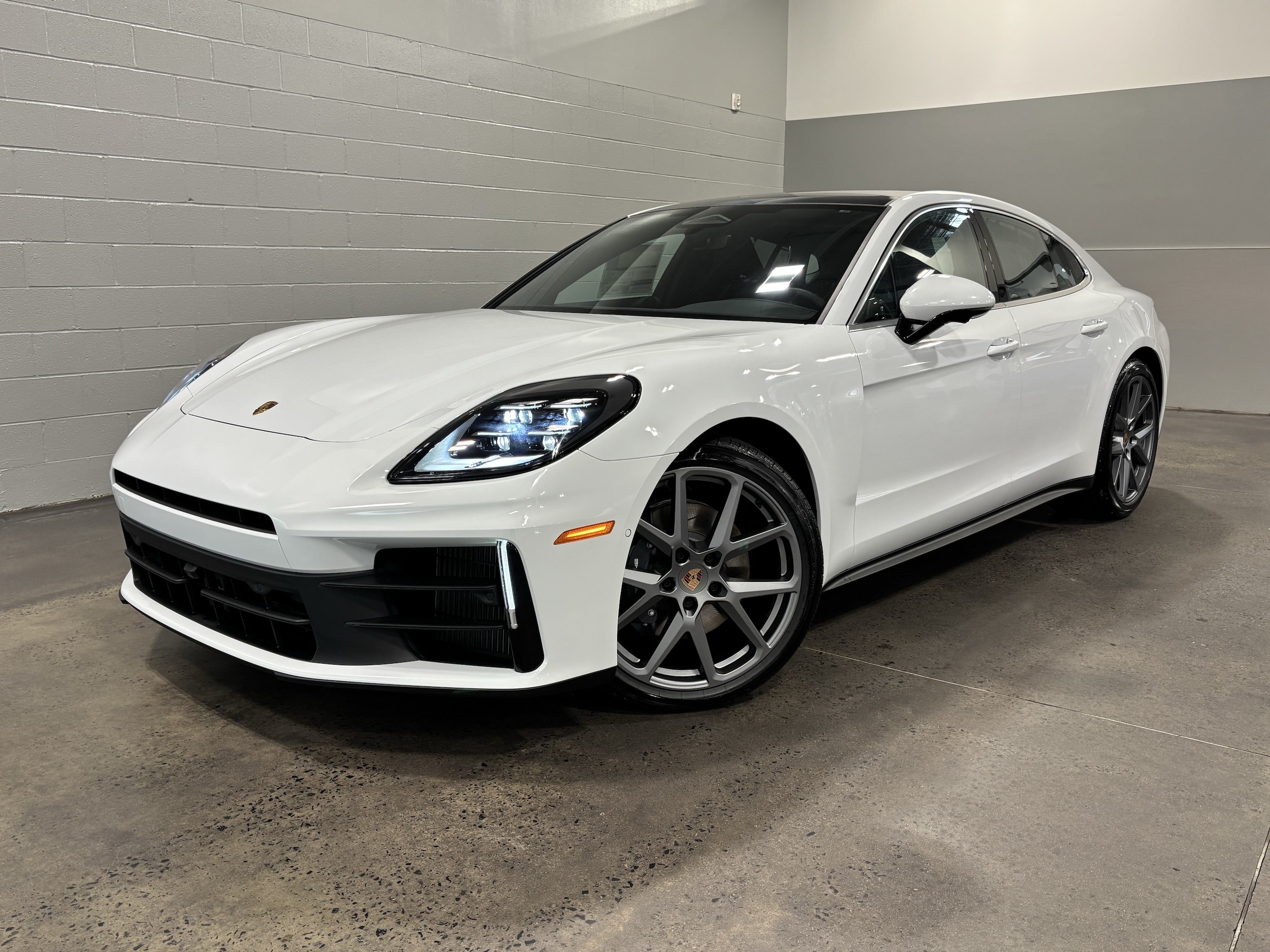
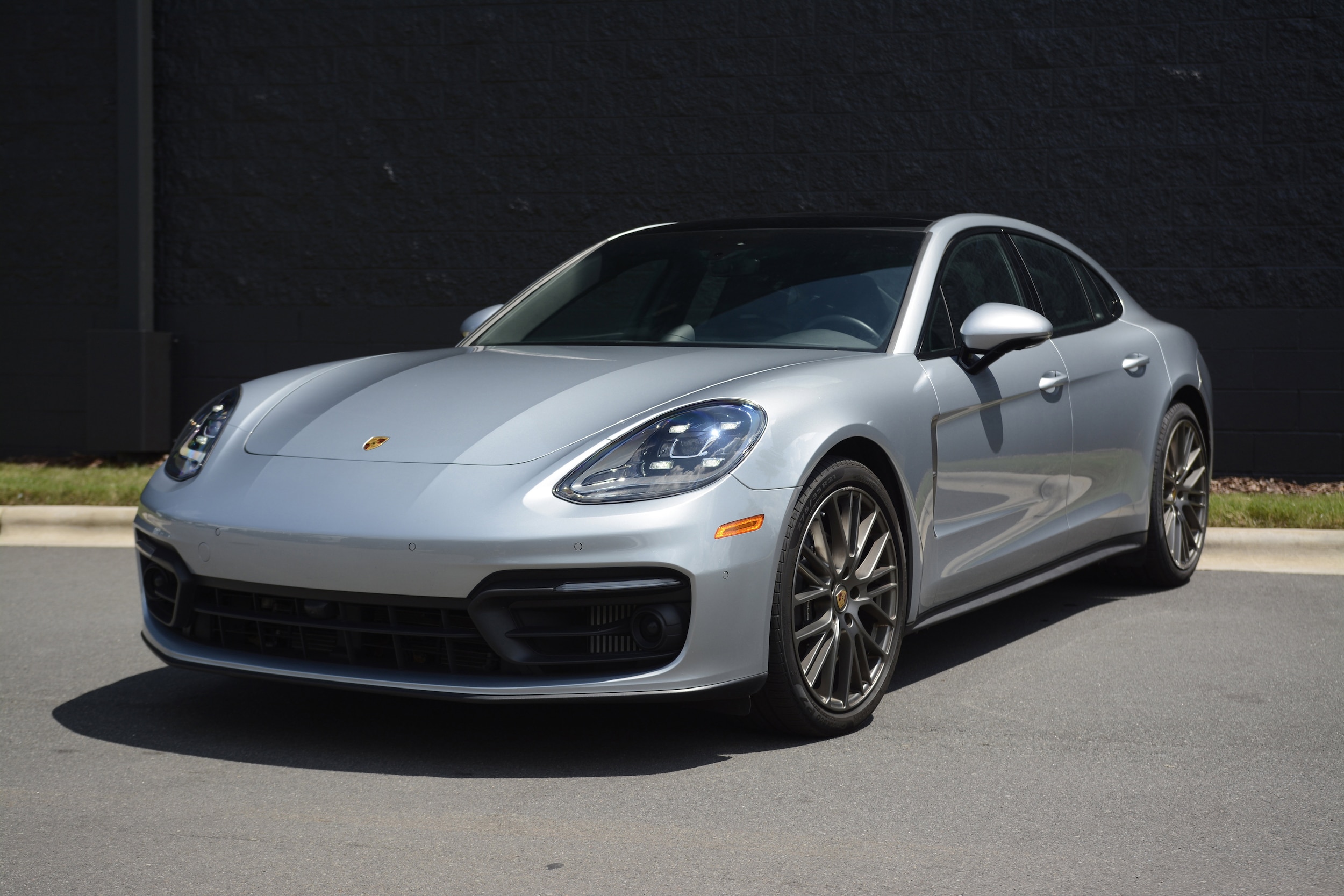
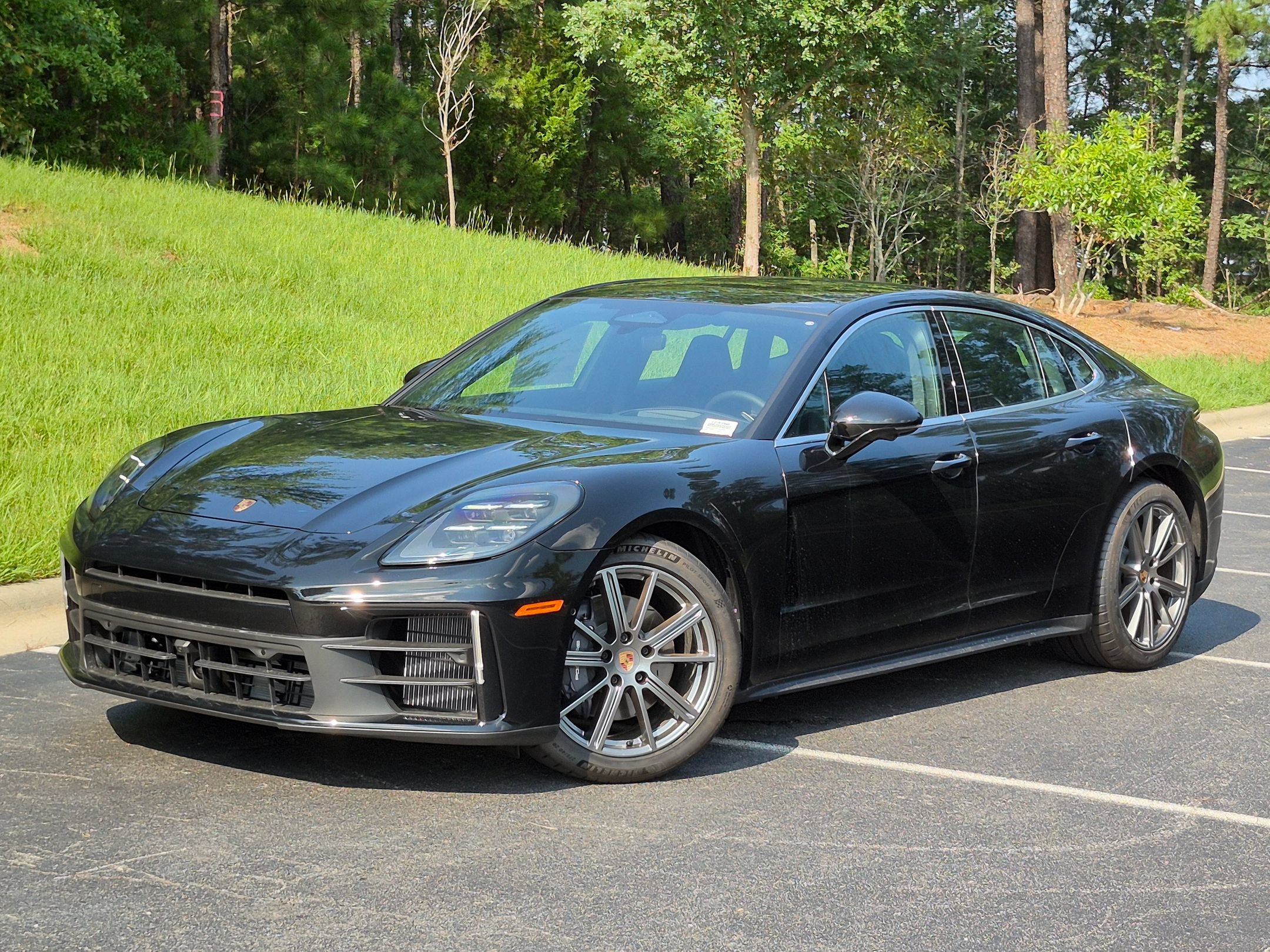
gasoline, automatic, 104K km, sedan, Rear Wheels Drive, 2,900 cm3, 3 hp, black, 2.9L V6 Cylinder Engine, Used condition, USA, In stock

Group1Auto.com
 Georgetown, United States
 Georgetown, United StatesBrentwood, United StatesBrentwood, United StatesBrentwood, United StatesBrentwood, United StatesBrentwood, United StatesNorth Bethesda, United StatesNorth Bethesda, United StatesAtlanta, United StatesAtlanta, United StatesAtlanta, United States
 Atlanta, United States
 Charlotte, United StatesCharlotte, United StatesCharlotte, United StatesCharlotte, United StatesCharlotte, United StatesCharlotte, United StatesCharlotte, United States
 Franklin, United States
 Durham, United StatesDurham, United StatesDurham, United StatesDurham, United StatesDurham, United States
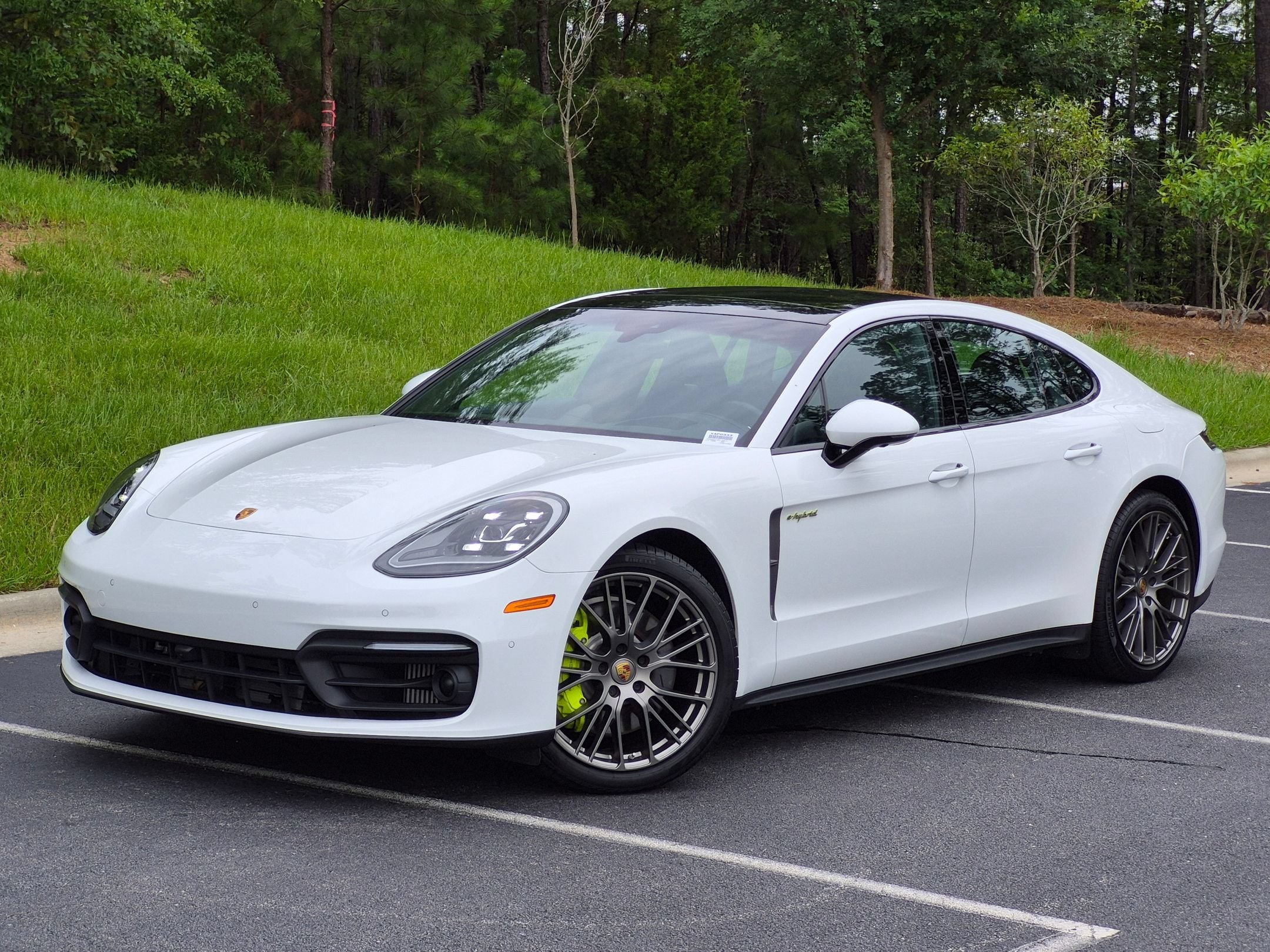
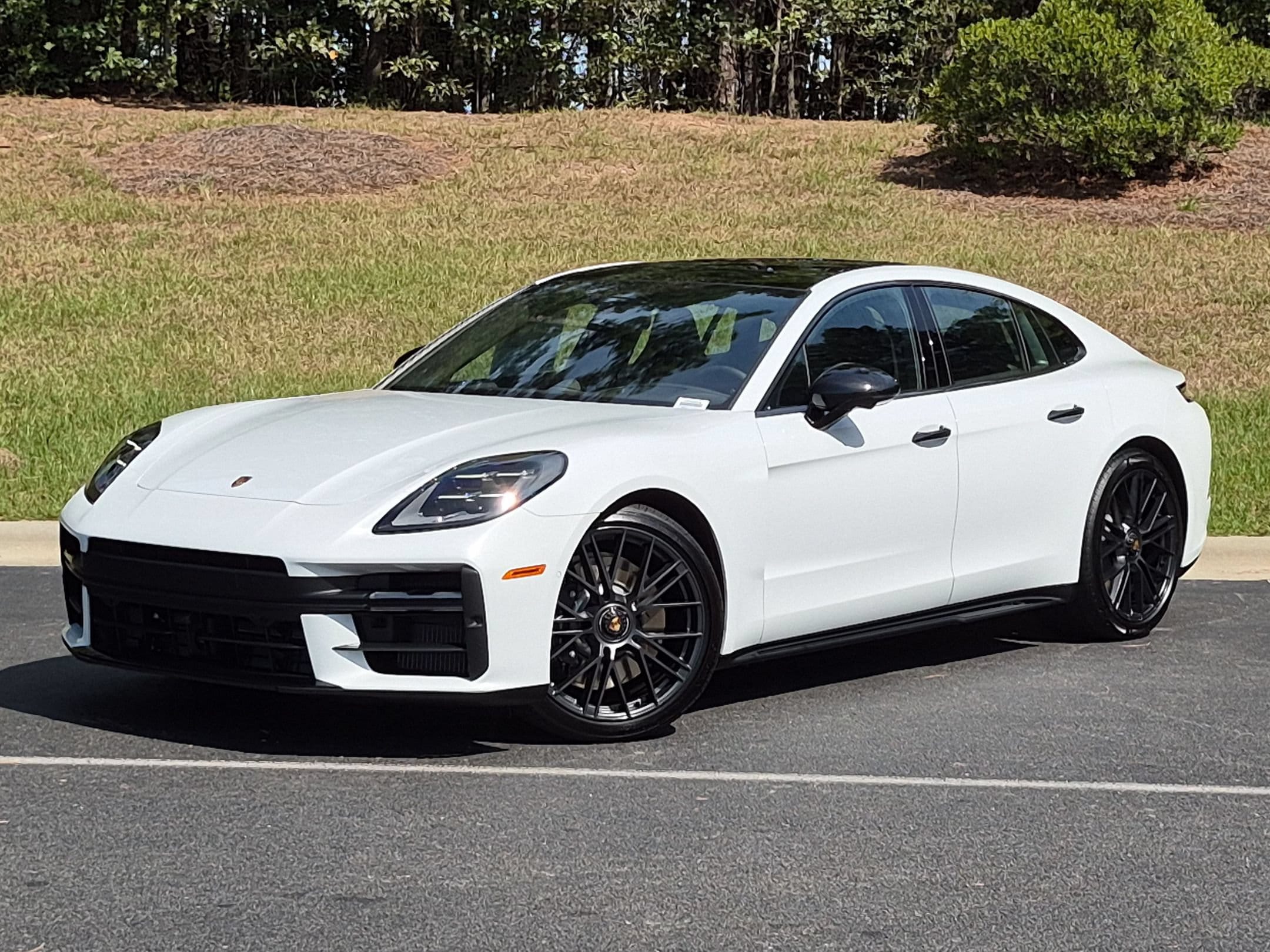
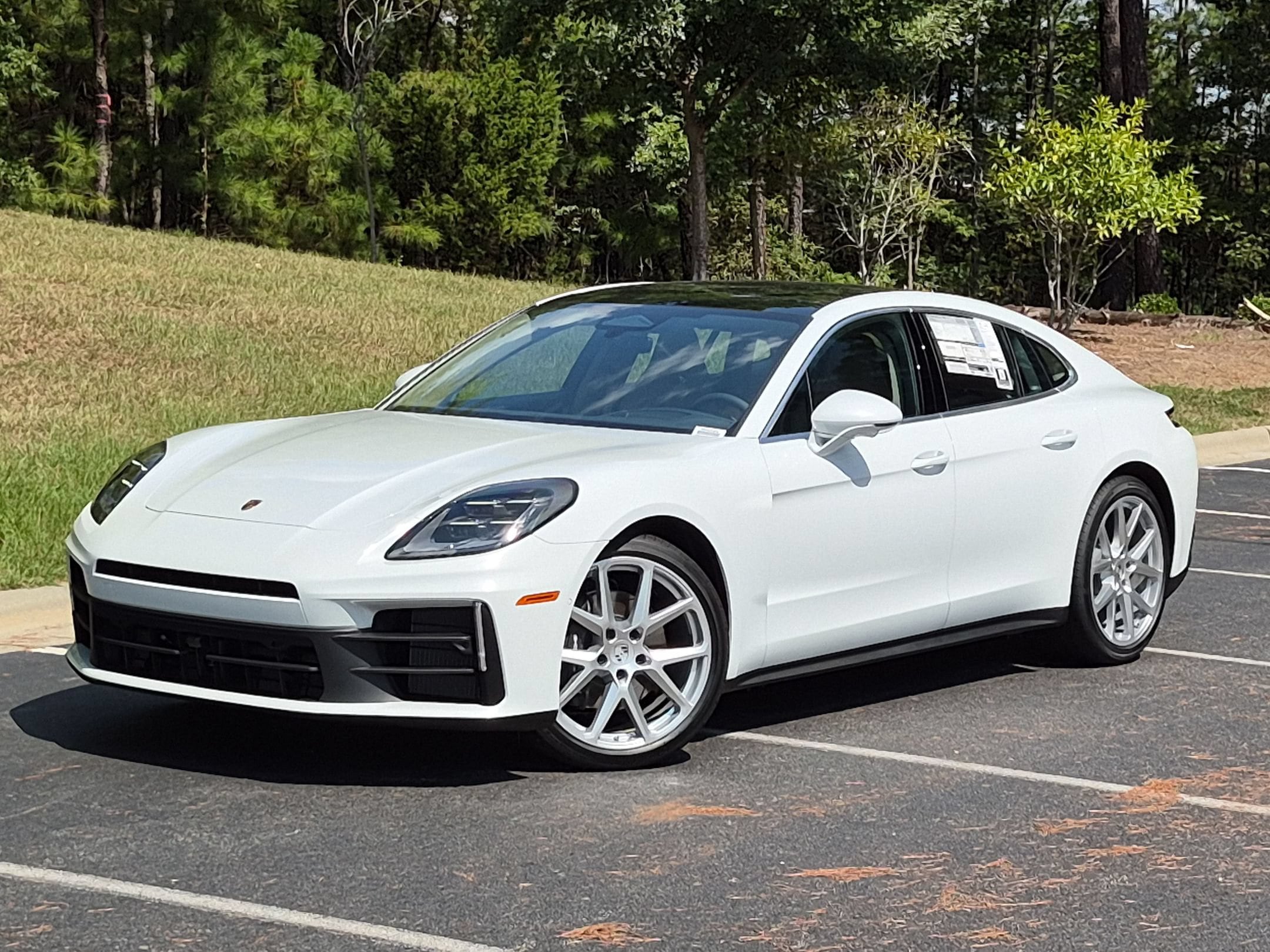
The Porsche Panamera stands out in the luxury four-door market with its blend of performance, practicality, and premium comfort. If you’re considering buying one, you’ll want to understand the available generations, trim levels, and how different configurations affect price, driving dynamics, and daily usability. This guide covers common questions buyers have in markets steeped in automotive passion, from choosing the right engine to evaluating mileage, depreciation, and after-sales considerations in major cities.
The Panamera has evolved through multiple generations, each bringing sharper handling, improved efficiency, and updated interiors. Typical specs include V6 and V8 engines, with plug-in hybrid variants that offer daily usability and moderate electric-only range. When comparing models, pay attention to:
Your choice depends on driving goals and daily use. If you commute long distances in a city or suburb, a plug-in hybrid can reduce fuel costs and emissions while delivering ample power when you need it. For frequent highway trips, a higher-torque engine may feel more satisfying during passing maneuvers. Consider:
Panamera pricing varies by generation, trim, mileage, and condition. Expect lower prices for older generations with higher mileage in regional markets, while late-gen models with modern tech command premium. Typical factors:
Reliability for Panamera depends on maintenance history and the specific engine configuration. Common maintenance considerations include a solid service network, scheduled brake maintenance, and careful attention to battery health for hybrids. When evaluating a used Panamera, request service records, check for accumulated mileage, and assess any signs of excessive wear. Insurance costs can be higher than typical sedans due to performance credentials, so factor that into total ownership costs.
 Add as preferred sourceSee more from zvelta in Google Search Add as preferred source