 EN
ENDEALER
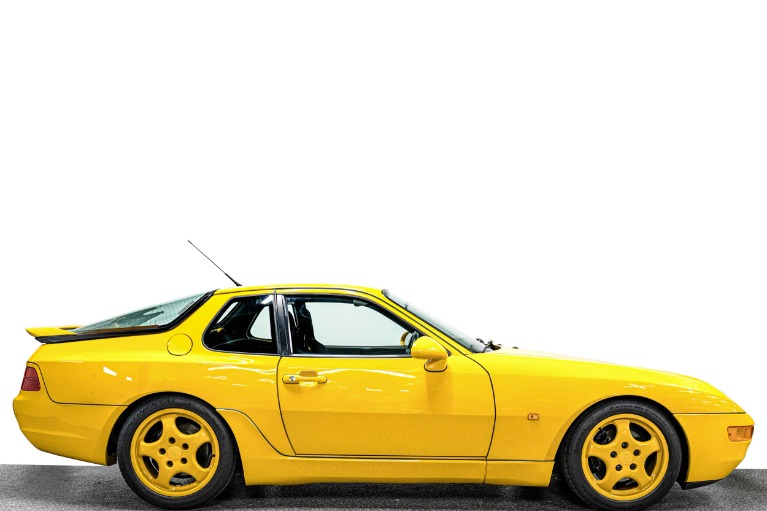
84.900 US$DEALER
1993, 72K km, coupe, Rear Wheels Drive, 3,000 cm3, yellow, Sale Pending, Used condition, USA, In stock

MarshallGoldManoh.com
 United States
 United States
The Porsche 968 stands out as a refined, lightweight, front-engine, rear-wheel-drive sports coupe that blends everyday practicality with a pure driving experience. If you’re considering a Porsche 968, whether for collection, weekend laps, or daily use, you’ll want to understand the key aspects that influence value, reliability, and how to compare options across years, mileage, and condition. This guide covers what to look for when buying or selling a Porsche 968, the most common configurations, and practical steps to secure a fair deal in the market.
The 968 was produced from the early 1990s as the successor to the 924 and 944 lines. It features a front-mounted inline-four engine, typically linked to a lightweight body with a two-door coupe body type. Expect well-balanced handling, a smooth chassis, and a cult following among enthusiasts. When evaluating a Porsche 968, confirm its generation (early 1990s model years vs later iterations), verify the maintenance history, and check for common wear items such as suspension components and braking hardware. Mileage, service records, and rust-free chassis are crucial signals of long-term value.
Prices for a Porsche 968 vary by generation, mileage, and condition. A clean, well-documented example with modest miles typically commands a premium, while higher-mileage or non-original cars may sit at lower price points. When you search, you’ll encounter terms like “restored,” “numbers-matching,” or “well-preserved,” which can affect perceived value. Use seller disclosures and vehicle history reports to validate the claims. For collectors, certain factory options and color combinations can push prices upward. Be prepared to negotiate based on maintenance needs, tire age, and brake components.
Prepare thorough records: service history, part replacements, and any restoration work. Ensure the car is clean, both mechanically and aesthetically, and consider professional inspection to document its condition. High-quality photos, including undercarriage shots and close-ups of the engine bay, help prospective buyers. When pricing, consider recent market examples in your country and city, and be ready to justify your asking price with documentation. Networking with enthusiasts and listing on reputable platforms can improve visibility among genuine buyers.
Whether you’re in a large city or a quieter town, a Porsche 968 can be a gratifying project or a restrained classic with timeless appeal. With careful inspection, solid documentation, and a clear understanding of market values, you’ll be well-positioned to secure a fair deal whether you’re buying or selling this iconic Porsche model.
 Add as preferred sourceSee more from zvelta in Google Search Add as preferred source