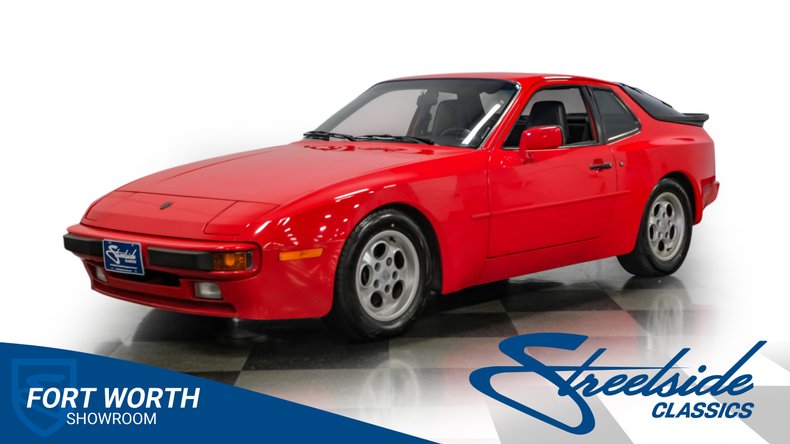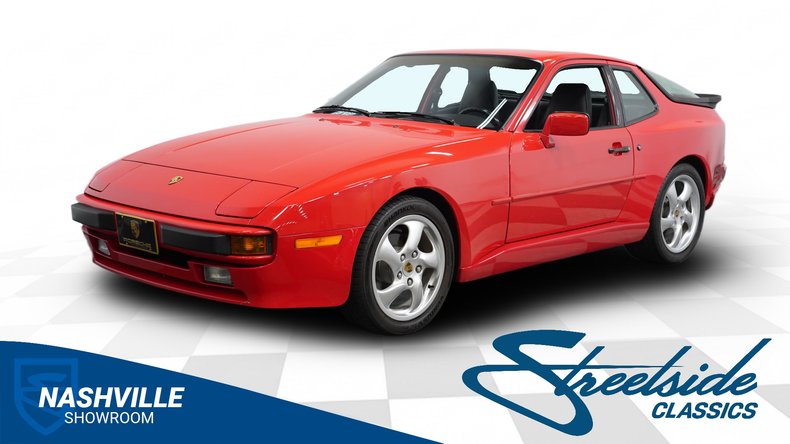
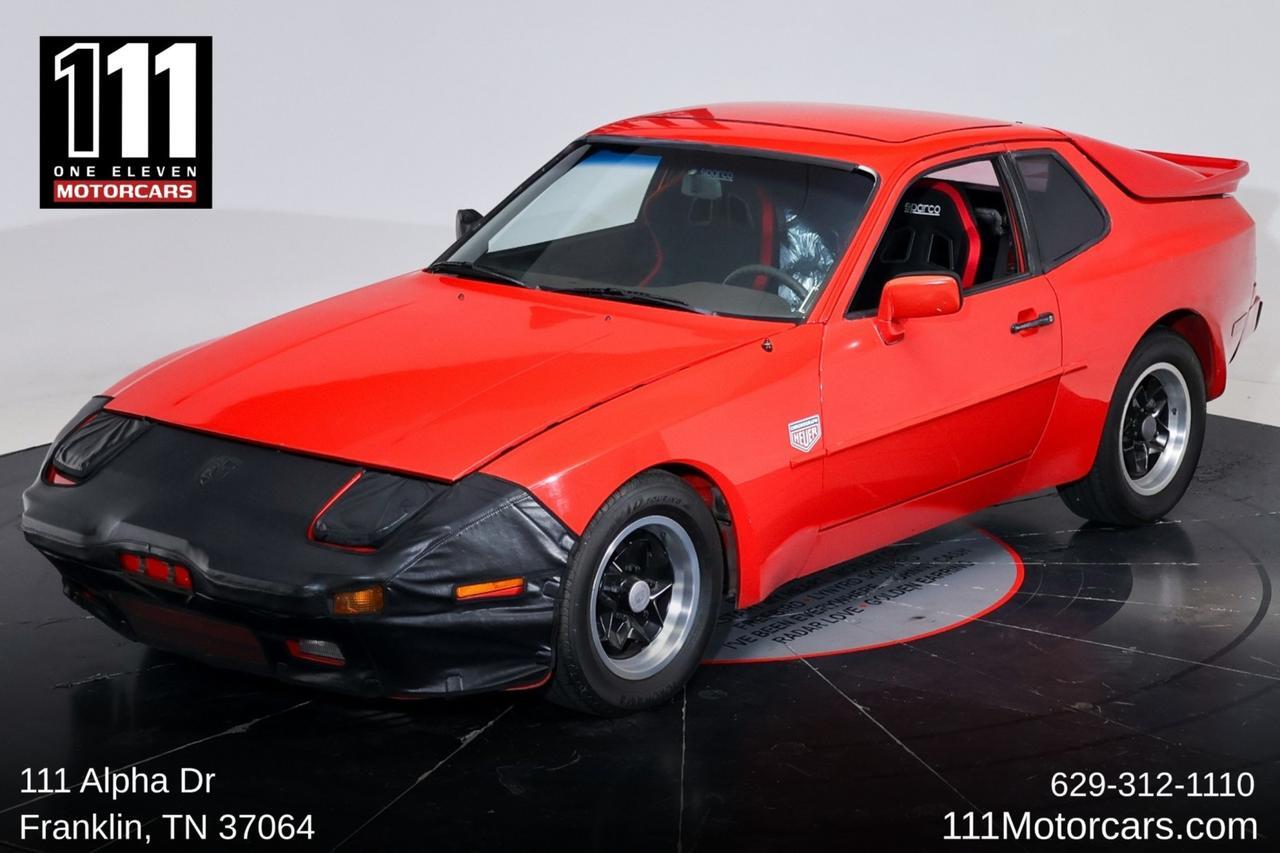
If you’re considering adding a Porsche 944 to your collection or preparing it for sale, you’re joining a community of enthusiasts who value classic engineering and driving feel. The Porsche 944, a front-engine, rear-wheel-drive coupe, spans several generations and configurations that influence price, reliability, and daily usability. This guide highlights what buyers and sellers should know when evaluating a Porsche 944 in common markets, covering model nuances, fuel options, body styles, mileage expectations, and price ranges.
Understanding the Porsche 944 lineup and its appeal
The Porsche 944 came in multiple generations, with variations in engines, transmissions, and body configurations. Key points to consider:
- Model and generation: early 944s emphasize classic steel bodies and poplar inline-four engines, while later variants offer improved aerodynamics and updated interiors.
- Body type: coupes and convertibles appeal to different buyers; coupes are generally more practical for daily use, while convertibles offer open-air enjoyment in good weather.
- Fuel and performance: most 944s use petrol engines with outputs ranging from modest to spirited, depending on the model and condition. Stay mindful of compression, timing belts, and cooling systems during inspections.
What affects price and desirability
Prices for Porsche 944s vary by country and city, but common influencing factors include:
- Year and condition: earlier years in good condition command a premium among collectors, while project cars appeal to restorers.
- Mileage: mileage per year can indicate wear; lower-mileage cars are usually priced higher if maintained well.
- Maintenance history: a well-documented service history with receipts boosts buyer confidence.
- Originality and mods: stock cars with matching numbers tend to hold value better; significant aftermarket upgrades can either enhance or detract depending on buyer preference.
- Market accessibility: availability in major cities with classic car scenes often drives demand and prices.
Practical tips for buyers
- Inspect key systems: cooling, transmission, and suspension can be costly to repair on older Porsche models.
- Check documentation: verify ownership history, title status, and any recalls or service campaigns.
- Test drive with care: pay attention to gearbox feel, steering response, and brake efficiency.
- Verify parts availability: ensure you can source common components like belts, hoses, and trim pieces in your country.
Practical tips for sellers
- Prepare the maintenance file: gather service records, inspection reports, and any restoration work completed.
- Price positioning: compare similar Porsche 944s in your city to set a competitive yet fair price.
- Highlight originality: emphasize stock features and any rare configurations that may attract enthusiasts.
- Create a detailed listing: include clear photos of engine bay, undercarriage, and interior condition, plus notes on prior accidents or repairs.
Buying or selling a Porsche 944 can be a rewarding experience for enthusiasts who appreciate classic sports car dynamics. By understanding the model’s generations, body styles, and maintenance expectations, you can make a confident decision that aligns with your budget and goals.