EN
ENDEALER
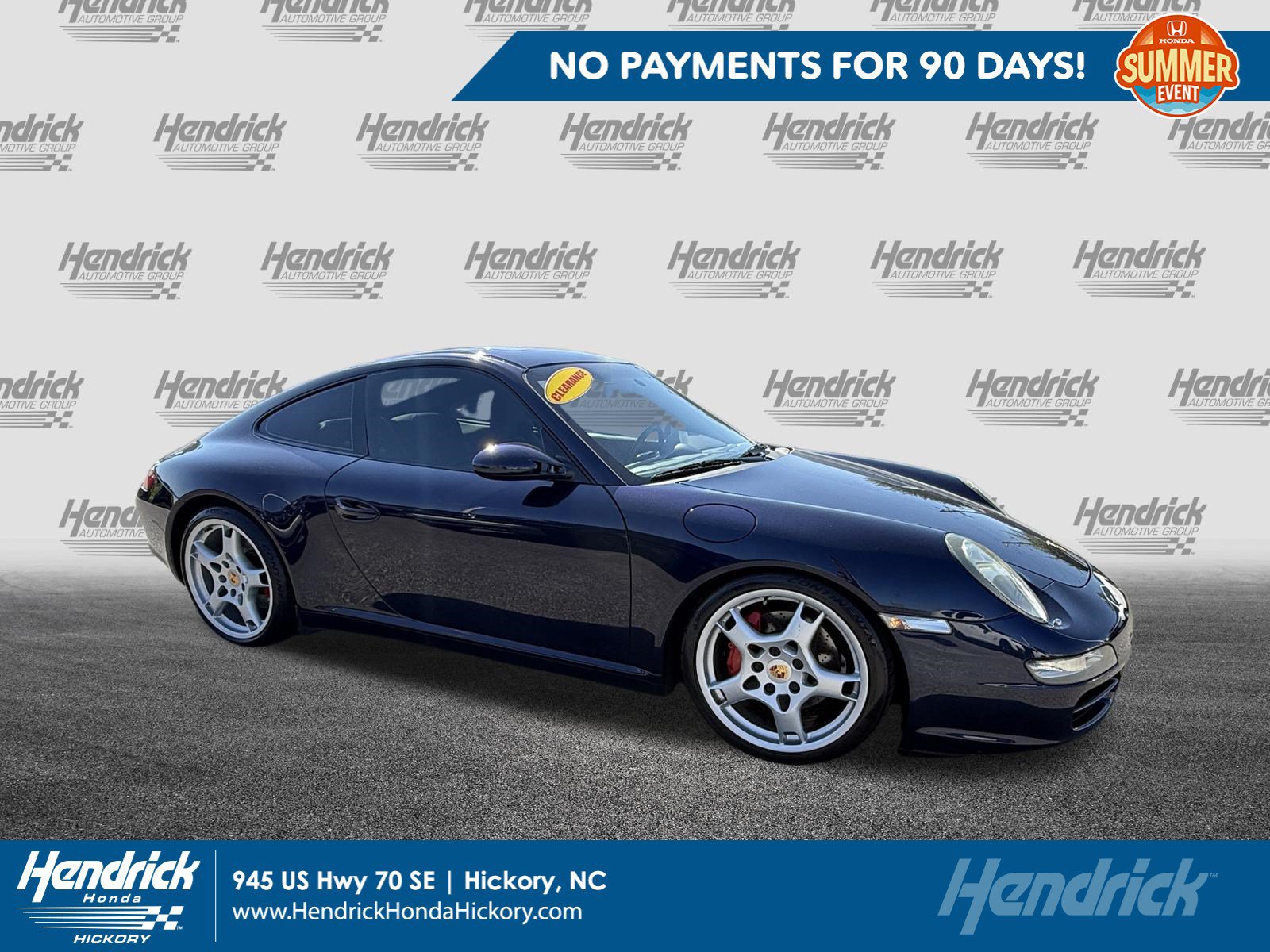
48.459 US$DEALER
48.894 US$
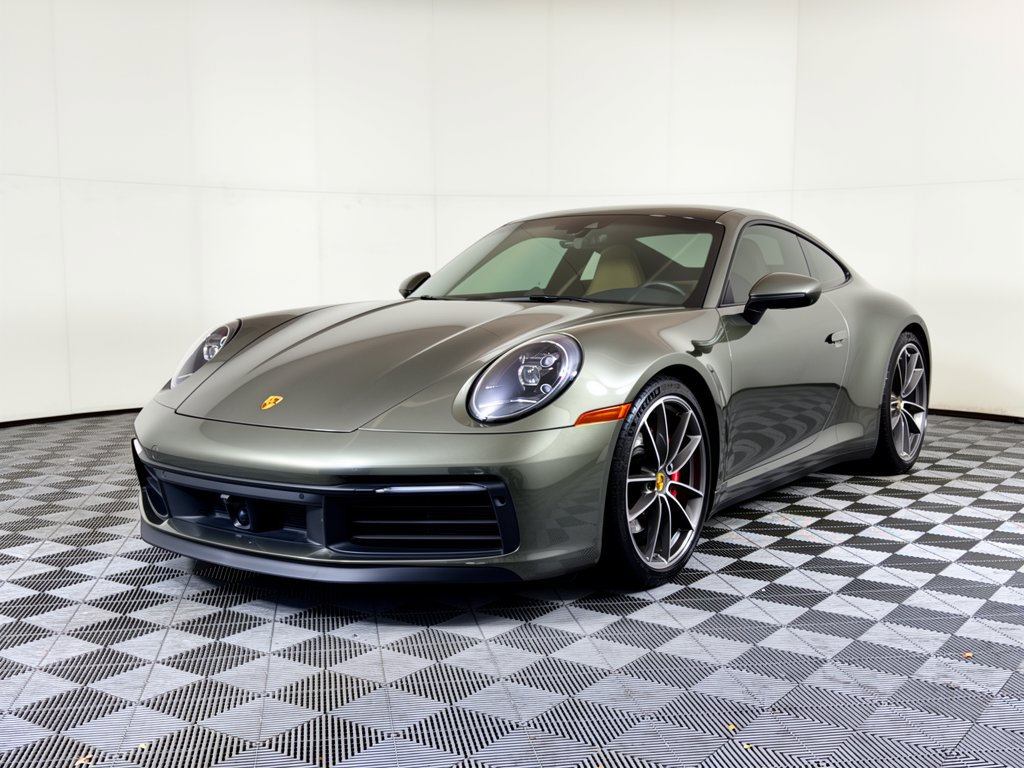
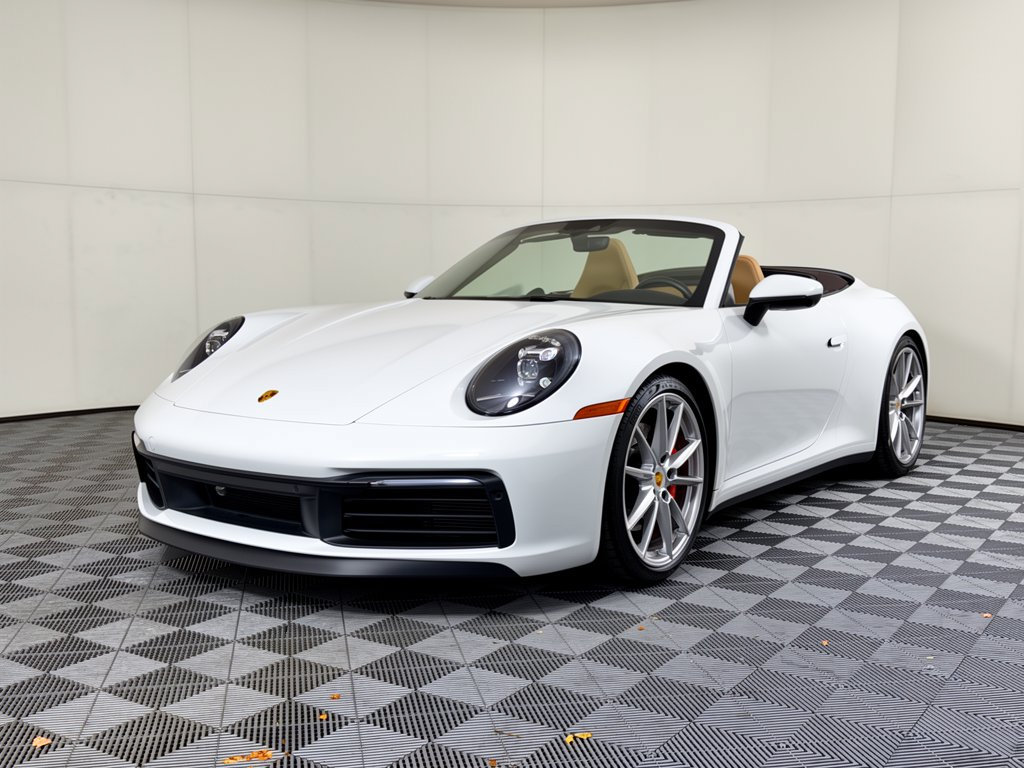
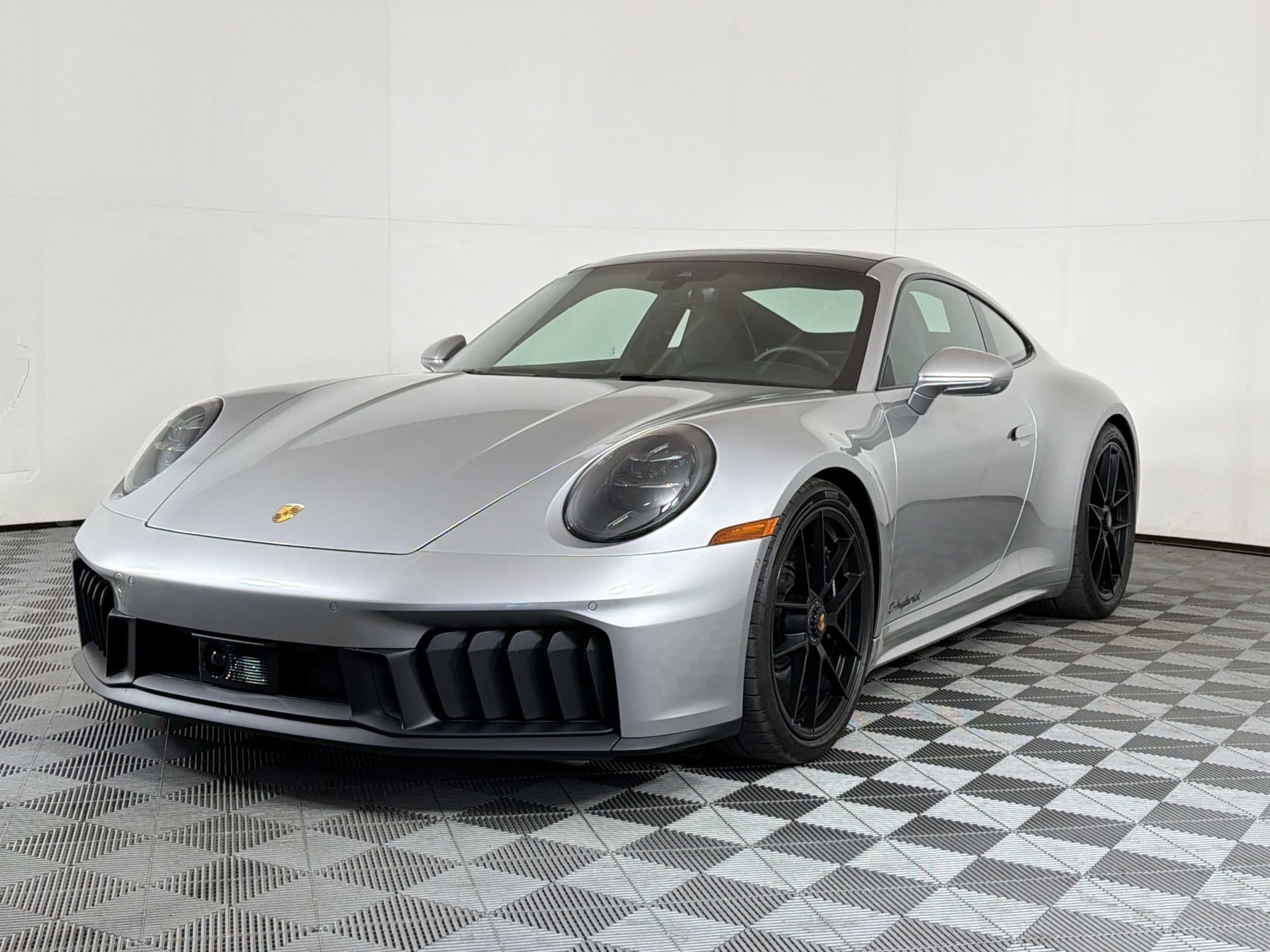
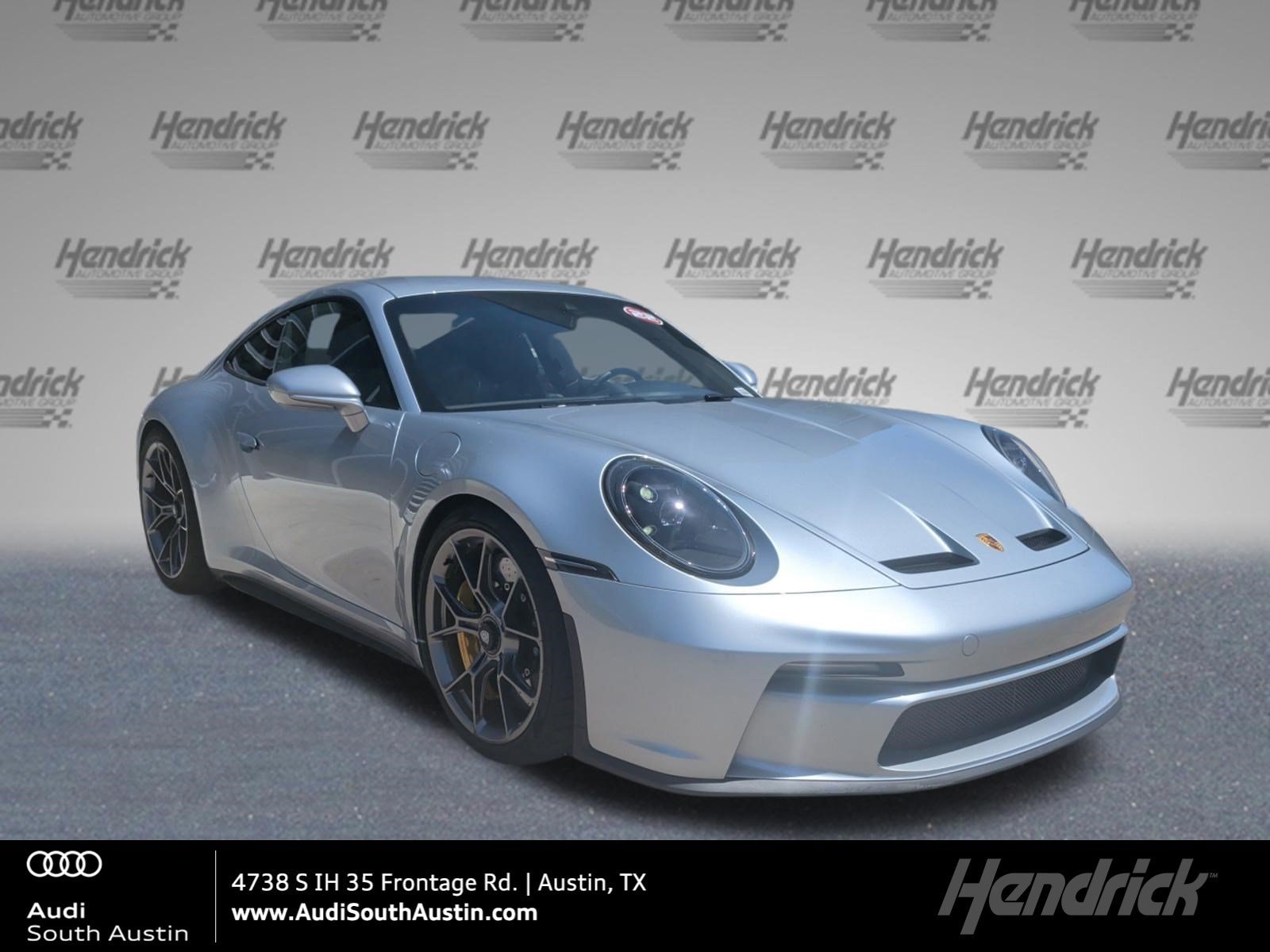
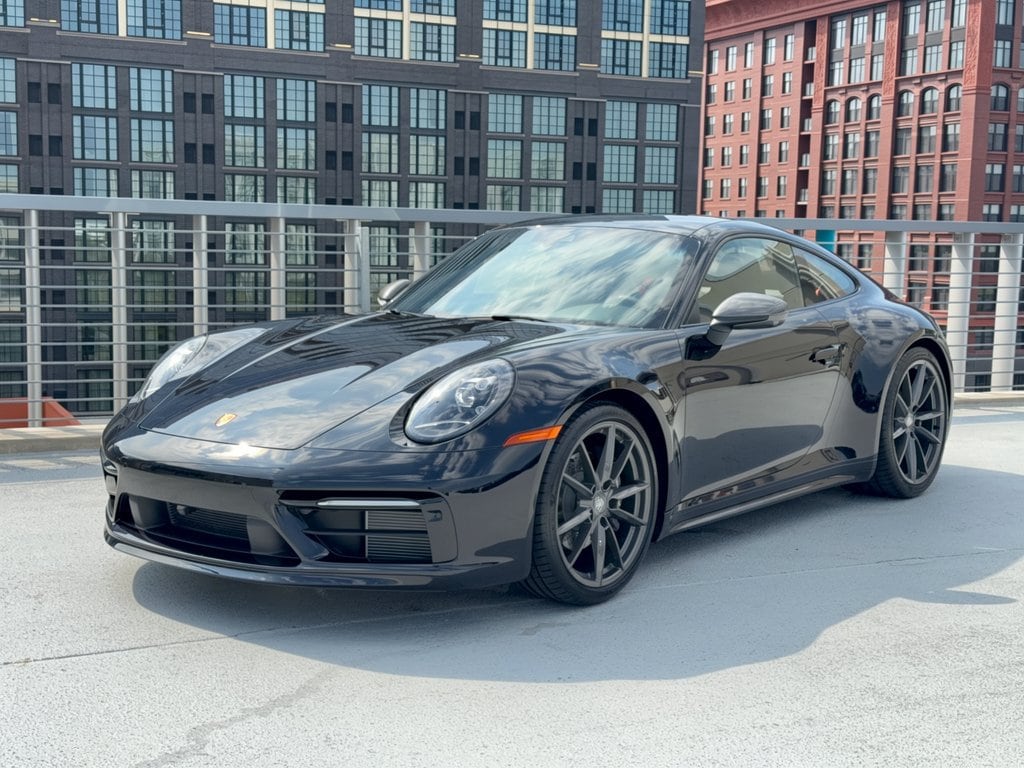
gasoline, automatic, 111K km, coupe, Rear Wheels Drive, 3,800 cm3, blue, Carrera S, Used condition, Europa, In stock

HendrickCars.com
 Hickory, United States
 Hickory, United States
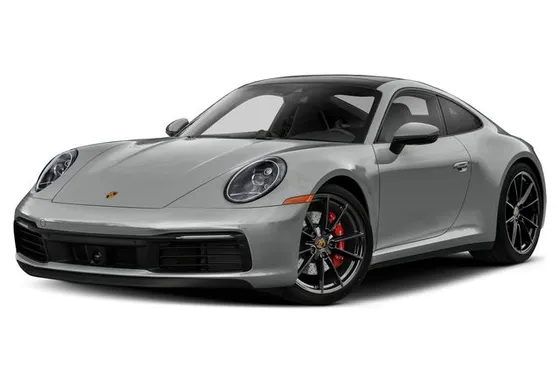 Brentwood, United StatesBrentwood, United StatesBrentwood, United StatesBrentwood, United StatesBrentwood, United StatesBrentwood, United StatesBrentwood, United StatesBrentwood, United StatesBrentwood, United StatesBrentwood, United States
 Chevrolet, United StatesLot, United StatesFairview Heights, United StatesAustin, United StatesMain Settlement, United States
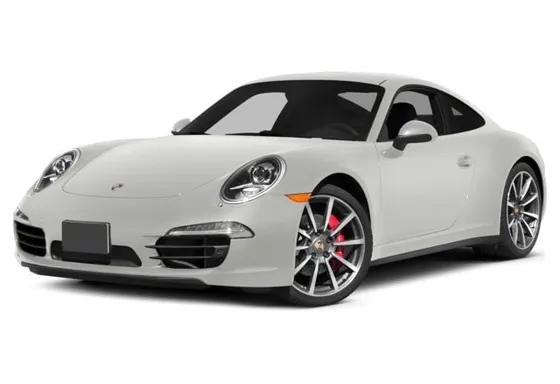 North Bethesda, United States
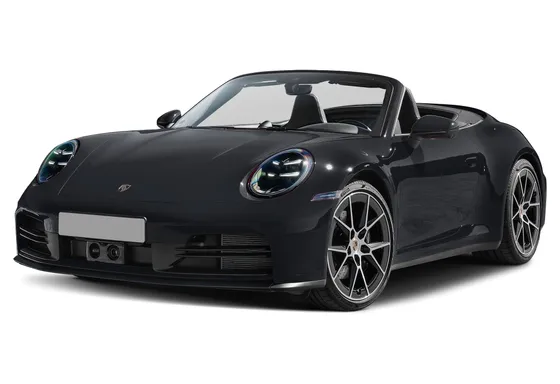 North Bethesda, United StatesNorth Bethesda, United StatesNorth Bethesda, United StatesAtlanta, United StatesAtlanta, United StatesAtlanta, United StatesAtlanta, United States
 Atlanta, United States
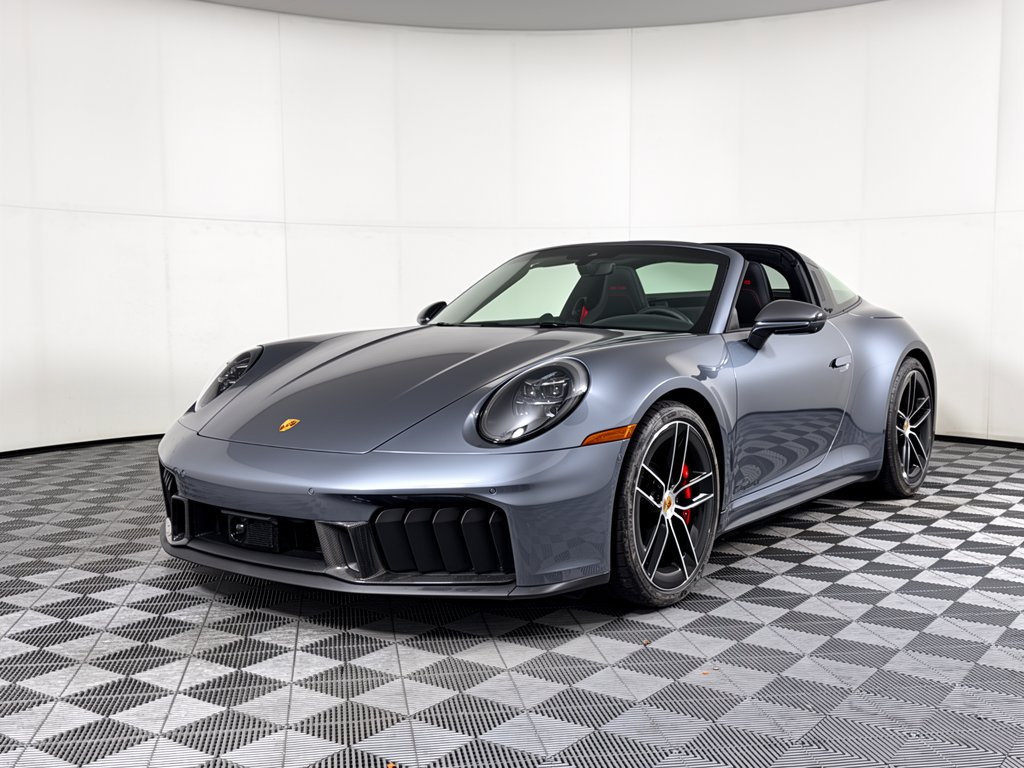
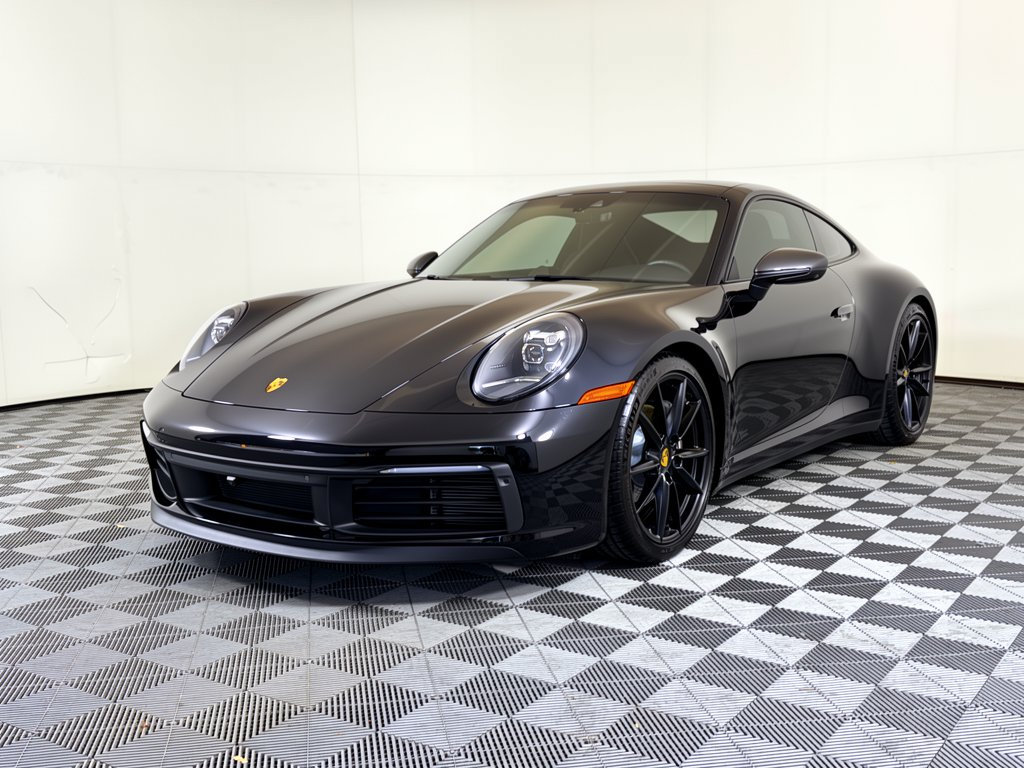
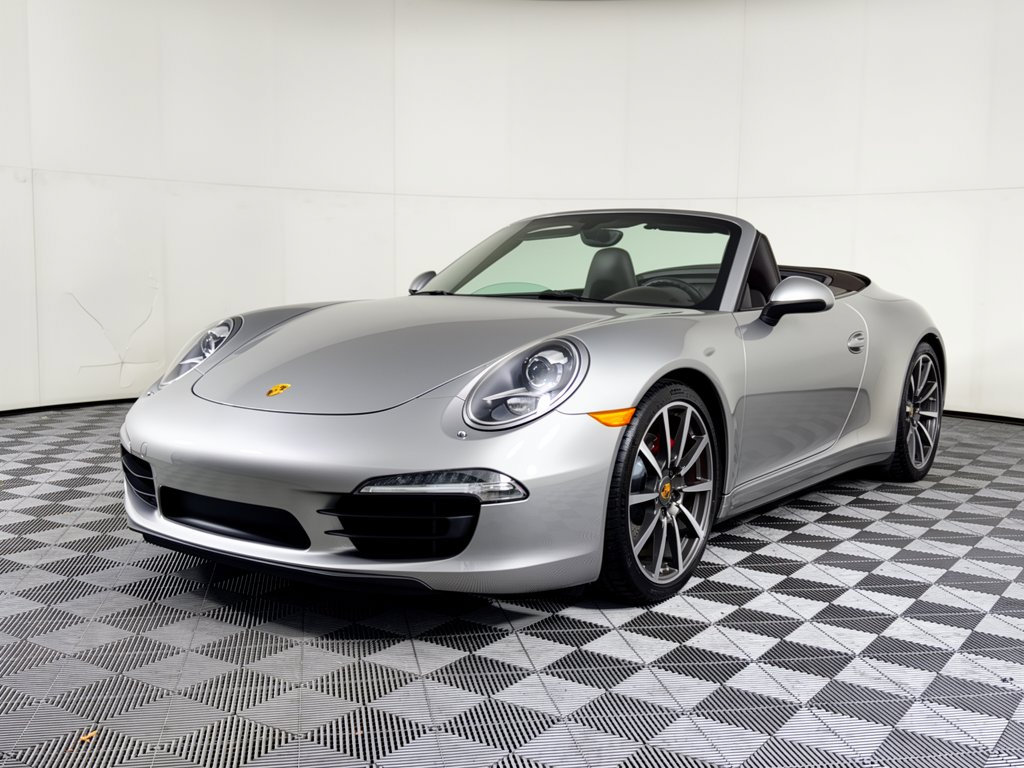
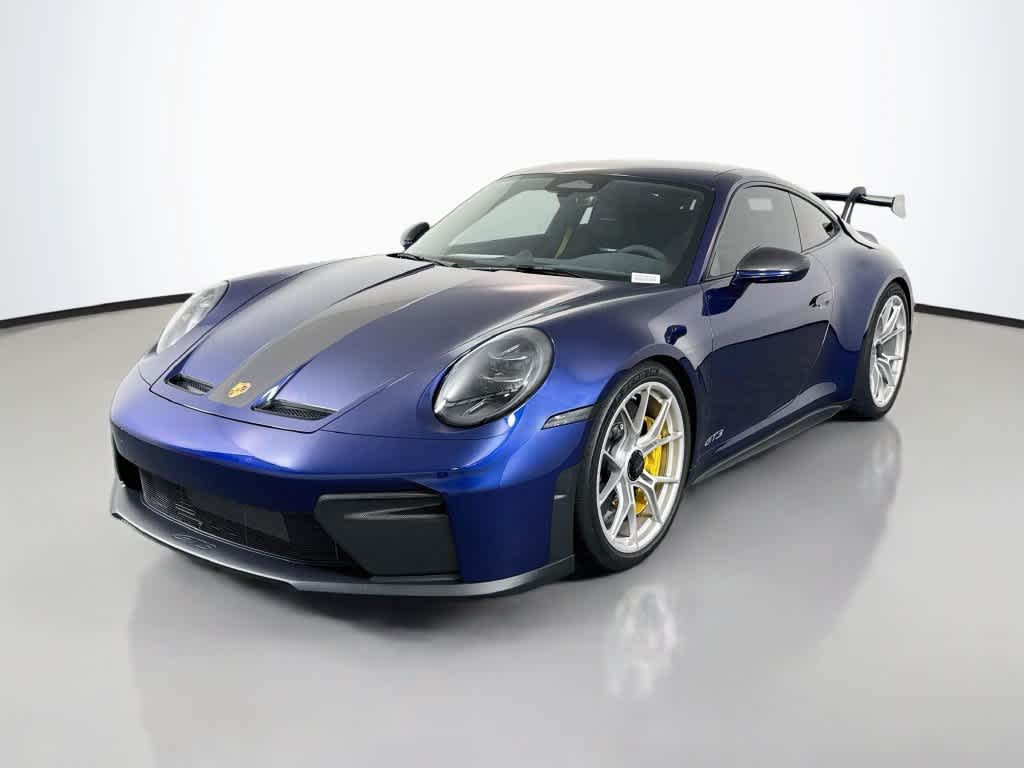
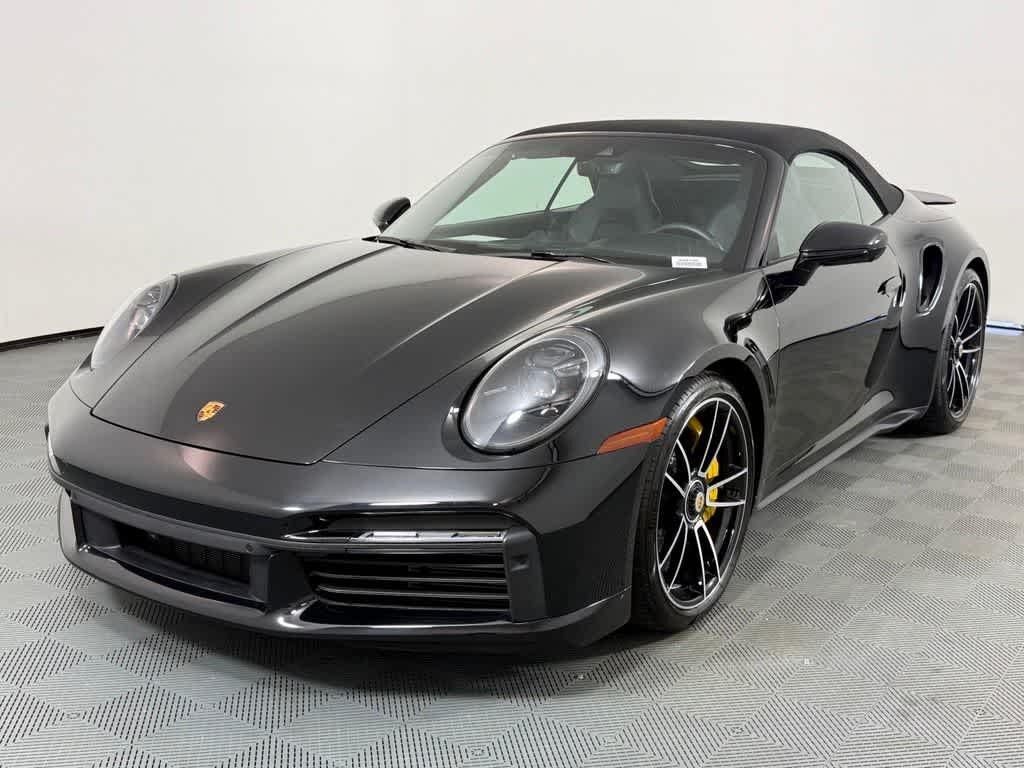
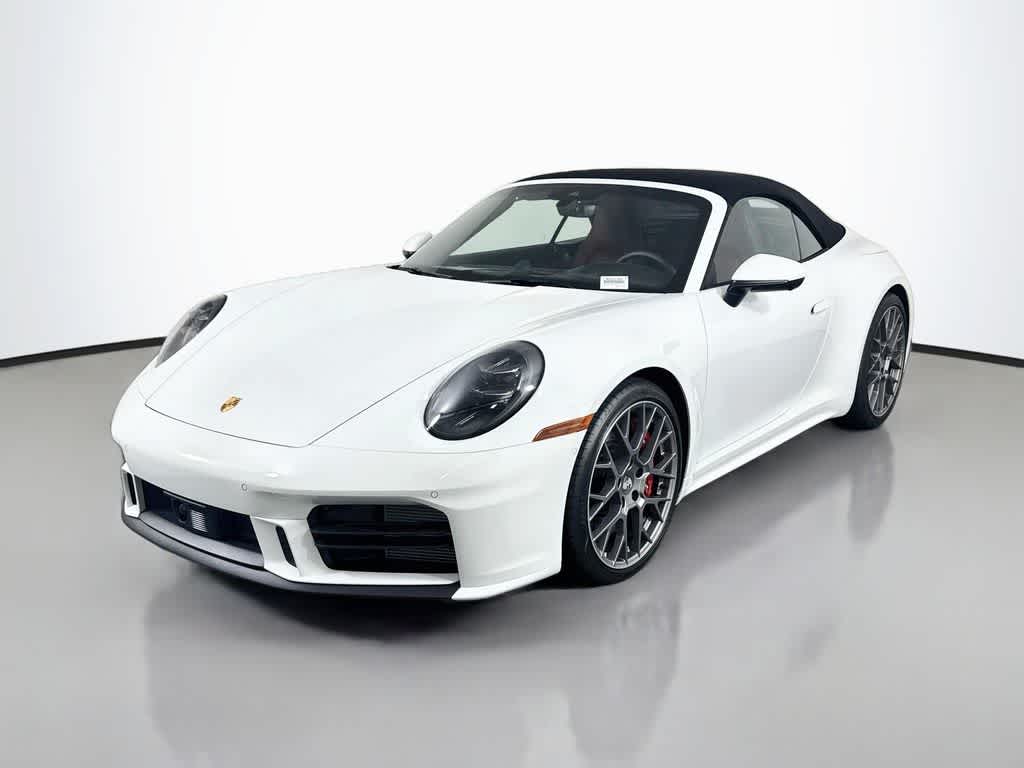
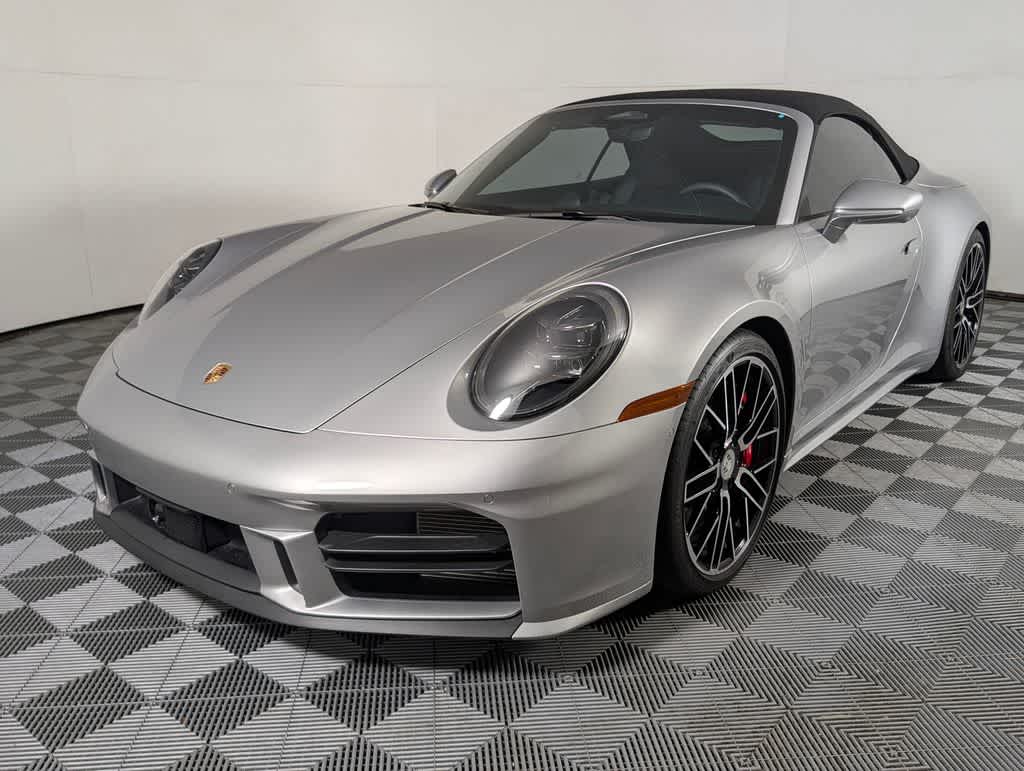
The Porsche 911 stands as a benchmark in sports cars, combining iconic design with modern performance. If you’re considering a Porsche 911, you’re likely weighing different model generations, engine choices, and body styles to fit your budget and driving priorities. This guide helps you navigate the key factors when buying or selling a Porsche 911, focusing on real-world considerations such as model year, mileage, price segments, and regional availability.
The 911 lineup spans multiple generations and configurations, from the air-cooled classics to the current water-cooled models. Start by clarifying your goals: daily usability, track potential, or weekend cruising. Consider the following details:
When evaluating a Porsche 911, price often reflects year, mileage, and condition more than model name alone. Useful benchmarks include:
Regional notes help you gauge availability and pricing. In many markets, a well-kept 991 or 992 generation can be priced differently based on local demand, taxes, and import costs. Always verify service history with Porsche specialists or authorized dealers and request a pre-purchase inspection.
If you’re buying, set a clear budget, ask for a full service log, and confirm recent major maintenance like clutch or transmission work if applicable. If you’re selling, present a transparent history, documented service, and a clean inspection report to justify your asking price. Whether you’re in a city with strong car markets or smaller towns, a Porsche 911 tends to attract enthusiasts who value performance, heritage, and driveability.
Getting expert input from a Porsche-certified mechanic or a trusted dealer can help you distinguish between well-preserved examples and those requiring more investment. A balanced approach considers not only the upfront cost of the car but ongoing costs such as insurance, tires, annual service, and potential depreciation depending on market trends.
 Add as preferred sourceSee more from zvelta in Google Search Add as preferred source