 EN
ENDEALER
2.464 US$DEALER
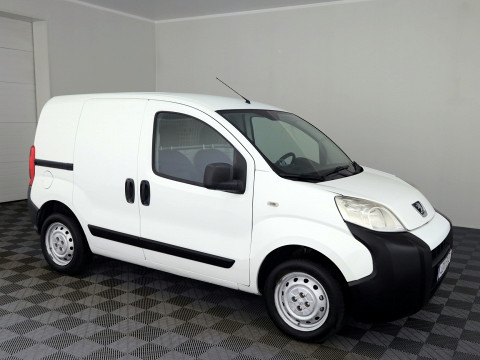
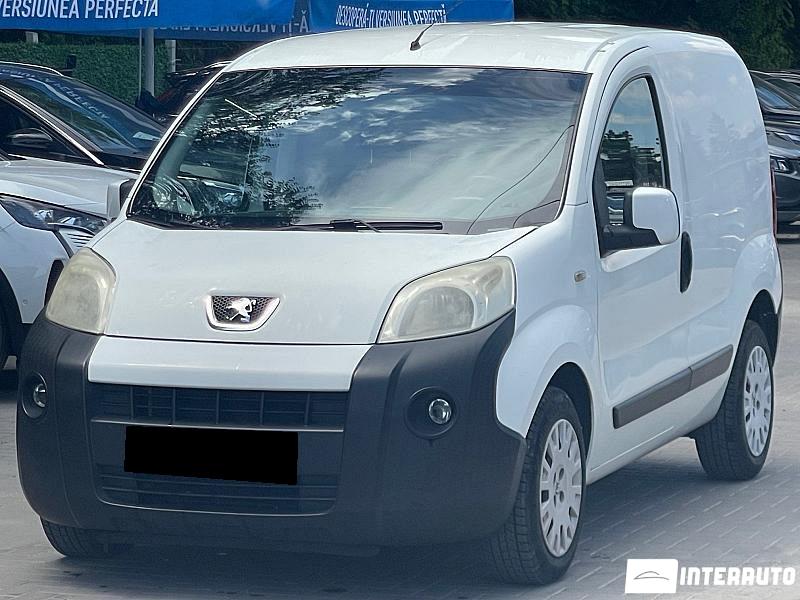
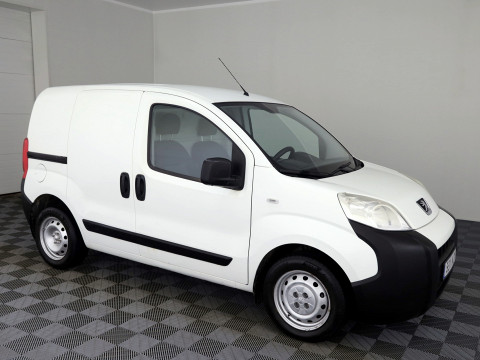
2015, diesel, manual, 158K km, Front Wheels Drive, 1,200 cm3, white, Used condition, Europa, In stock

BaltiCar.com
 Estonia, Harjumaa
 Estonia, HarjumaaEstonia, Harjumaa
 Romania
 Moldova
 Stryi, UkraineUkraine
 Greece, Attica
The Peugeot Bipper is a compact cargo van that many businesses rely on for urban deliveries and light-duty jobs. If you’re in the market to buy or plan to sell a Bipper, understanding the key details—generation, year, mileage, body type, and fuel—helps you make a confident choice. This guide covers what to look for in Peugeot Bipper models, how to assess price ranges, and practical advice for buyers and sellers in different city contexts.
The Bipper has established itself as a small van designed for efficiency and maneuverability in tight city streets. Depending on the generation and year, you’ll find two main body configurations that suit light commercial work. Commonly, buyers consider variations with diesel or petrol engines, with mileage spanning a few tens of thousands to over a hundred thousand kilometers. When evaluating the price range, consider the country and city you’re shopping in, as urban demand and taxes influence value.
If you’re shopping in a specific city, think about nearby marketplaces and the typical demand for light commercial vehicles. The Peugeot Bipper’s compact size makes it a versatile option for urban delivery routes, tradespeople, and small businesses that value cost efficiency and easy maneuverability. Whether you’re upgrading your fleet or selling a high-mileage unit, focusing on generation, engine configuration, mileage, and regional price trends will guide you toward a smart decision.
 Add as preferred sourceSee more from zvelta in Google Search Add as preferred source