 EN
ENDEALER

1.007 US$DEALER
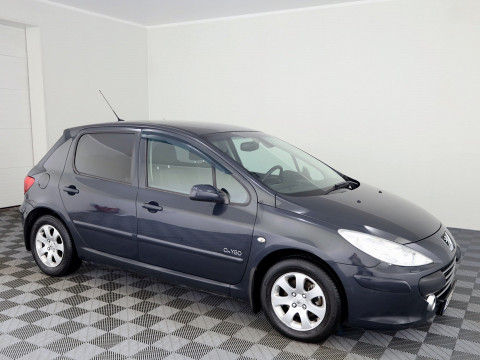
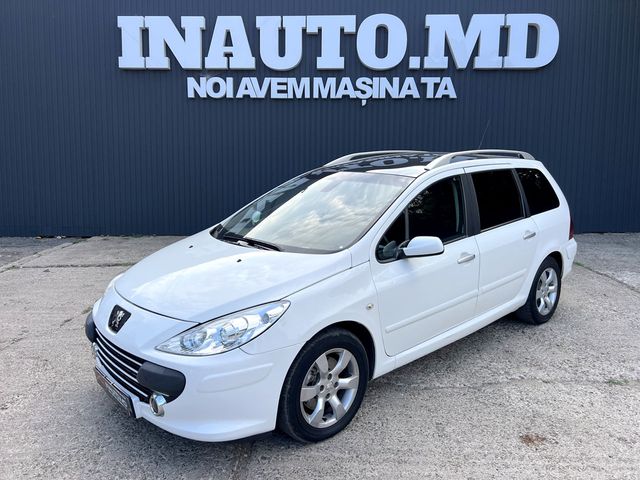
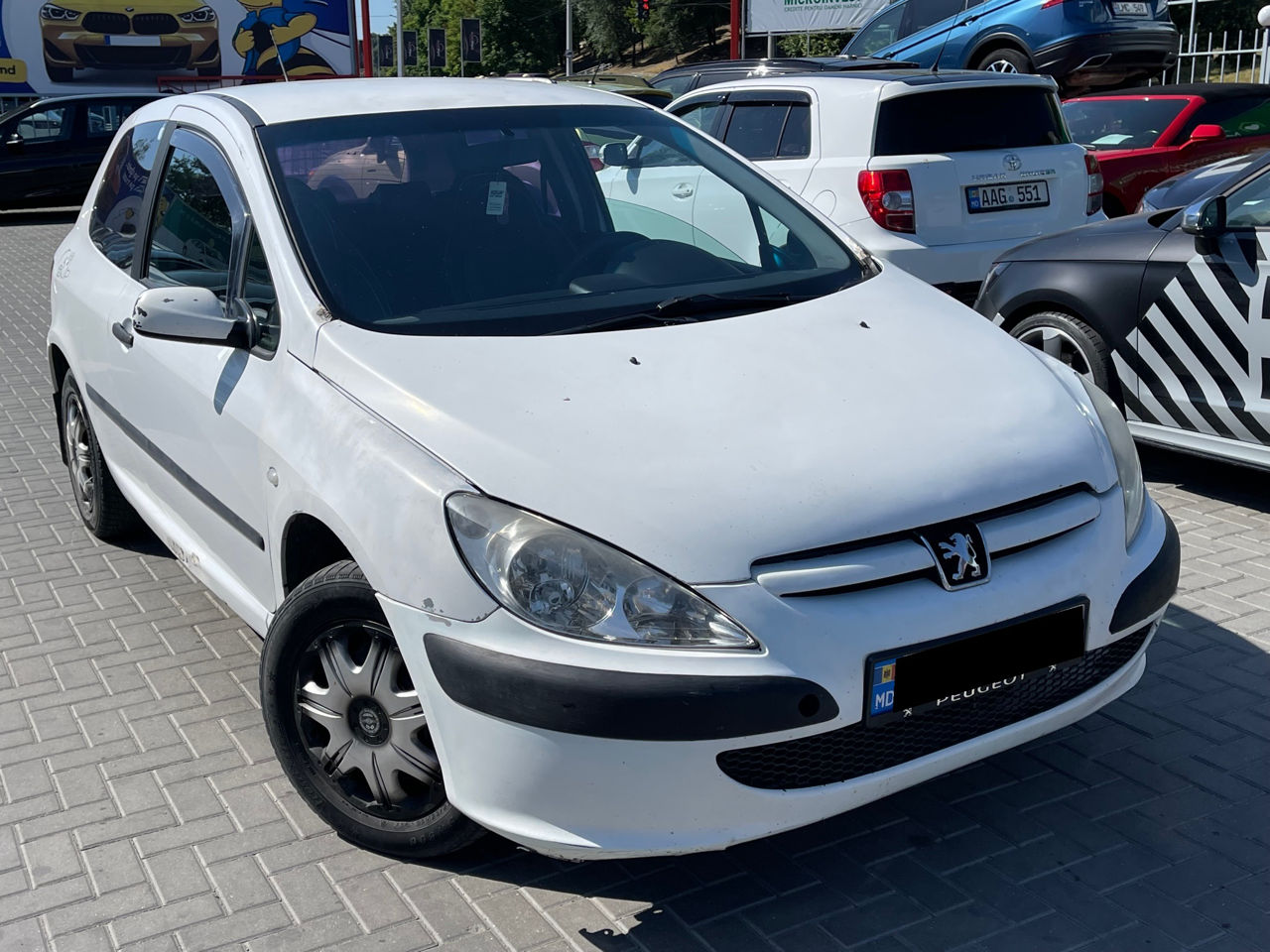
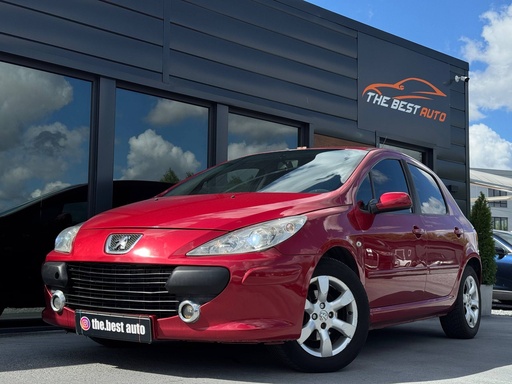
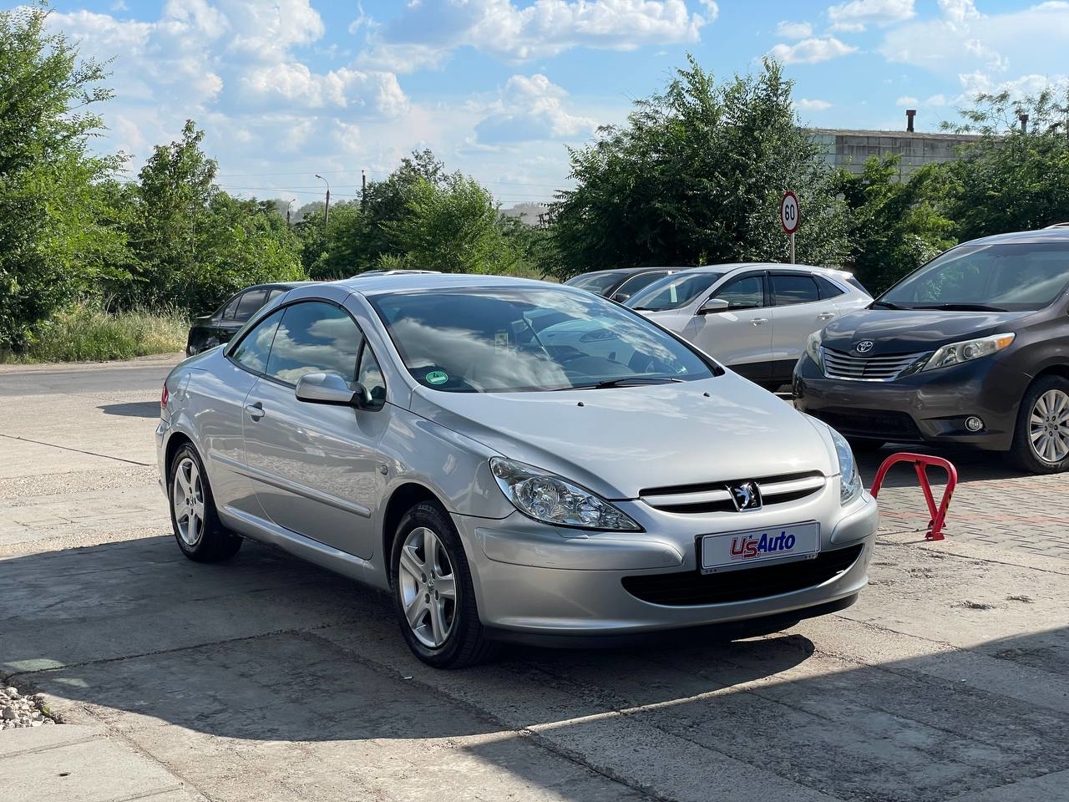
2007, gasoline, manual, 295K km, hatchback, Front Wheels Drive, 1,600 cm3, grey, Used condition, Europa, In stock

BaltiCar.com
 Estonia, Harjumaa
 Estonia, HarjumaaEstonia, HarjumaaEstonia, HarjumaaEstonia, Harjumaa
 Romania, Bacău County
 Romania, Bacău County
 Moldova
 Bălţi, Moldova
 Moldova, Chișinău Municipality
 Ukraine
 Ukraine
 Tiraspol, Moldova
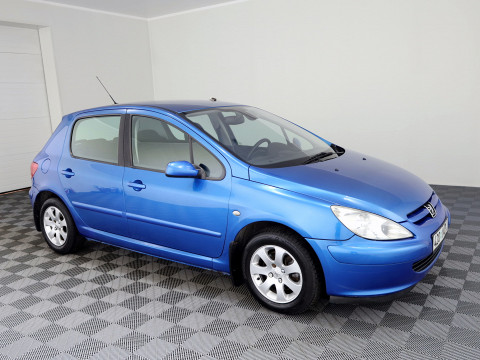
The Peugeot 307 has been a popular compact hatchback for years, offering practical space, decent efficiency, and a comfortable ride. If you’re in the market to buy or sell a Peugeot 307, you’ll want a clear view of what to look for across different generations, engines, and body styles. This guide focuses on real-world considerations for buyers and sellers in key markets, helping you understand the main choices, common concerns, and how to value a car before making an offer.
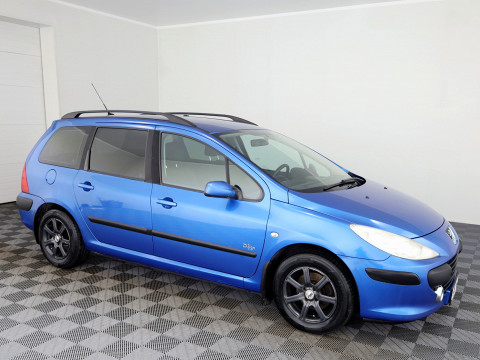
The 307 family includes hatchbacks with different generations and engines. Typical options you’ll encounter include petrol and diesel variants, with body types mainly in 5-door hatchbacks suited for daily use and family needs. When evaluating a Peugeot 307, note the year, mileage, and service history, as these factors strongly influence price and reliability. Common questions from buyers include: which engine is most economical, does a 307 have common electrical issues, and how does the ride compare to earlier models in the same class?
Prices for a Peugeot 307 depend on the country, city, year, and mileage. In many markets, you’ll find hatchback examples from the early to mid-2000s through the early 2010s with mileage that ranges broadly. When comparing offers, consider:
If you’re selling a Peugeot 307, present a detailed history, recent maintenance receipts, and clear photos of the exterior and interior. Highlight the advantages that matter to buyers, such as fuel economy, comfortable seating, and a practical cargo area. A transparent listing with honest notes about any imperfections tends to attract more serious offers and can help you set a fair price that reflects the car’s condition and market demand.
By understanding the main considerations for Peugeot 307 models, buyers can make informed choices and sellers can price their vehicles with confidence. Whether you’re evaluating petrol versus diesel, or simply comparing generations, a thoughtful approach helps you find a good balance between cost, reliability, and driving enjoyment.
 Add as preferred sourceSee more from zvelta in Google Search Add as preferred source