 EN
ENDEALER
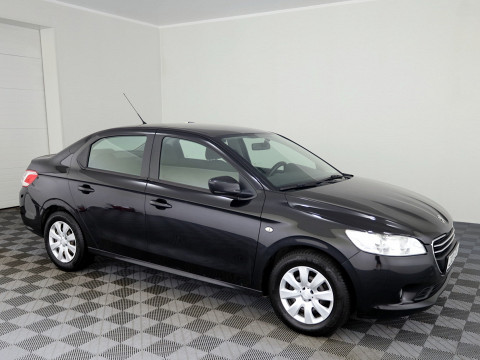
1.680 US$DEALER
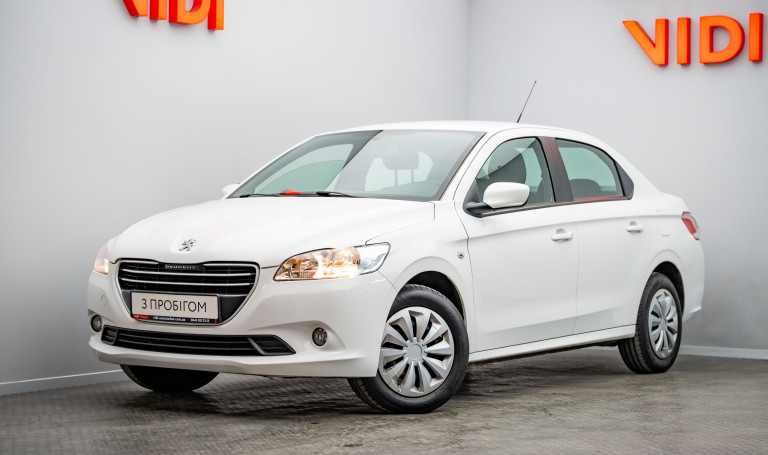
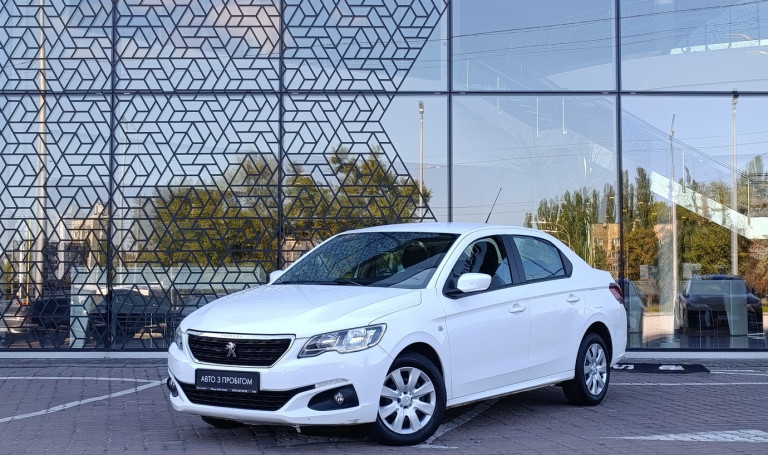
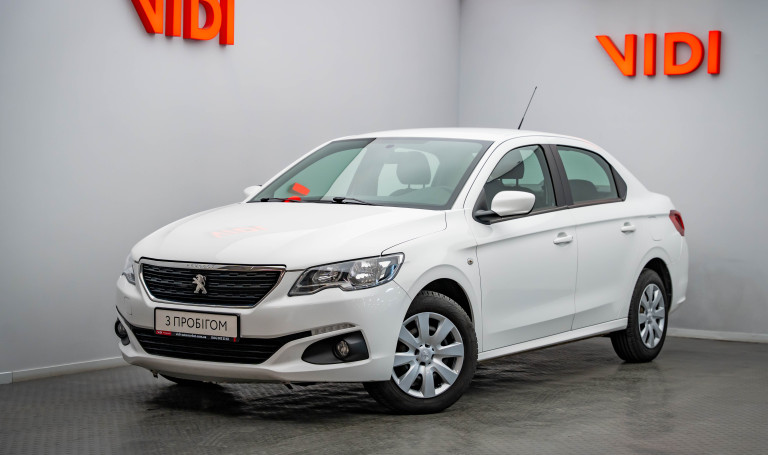
2013, gasoline, manual, 222K km, sedan, Front Wheels Drive, 1,200 cm3, black, Used condition, Europa, In stock

BaltiCar.com
 Estonia, Harjumaa
 Estonia, Harjumaa
 Sofiyivska Borschagivka, UkraineSofiyivska Borschagivka, UkraineSofiyivska Borschagivka, UkraineSofiyivska Borschagivka, UkraineSofiyivska Borschagivka, UkraineSofiyivska Borschagivka, UkraineSofiyivska Borschagivka, UkraineSofiyivska Borschagivka, Ukraine
 Romania
 Romania
 Romania
 Rîşcani, Moldova
 Romania, Buzău County
 Ukraine
 Greece, AtticaGreece, Attica
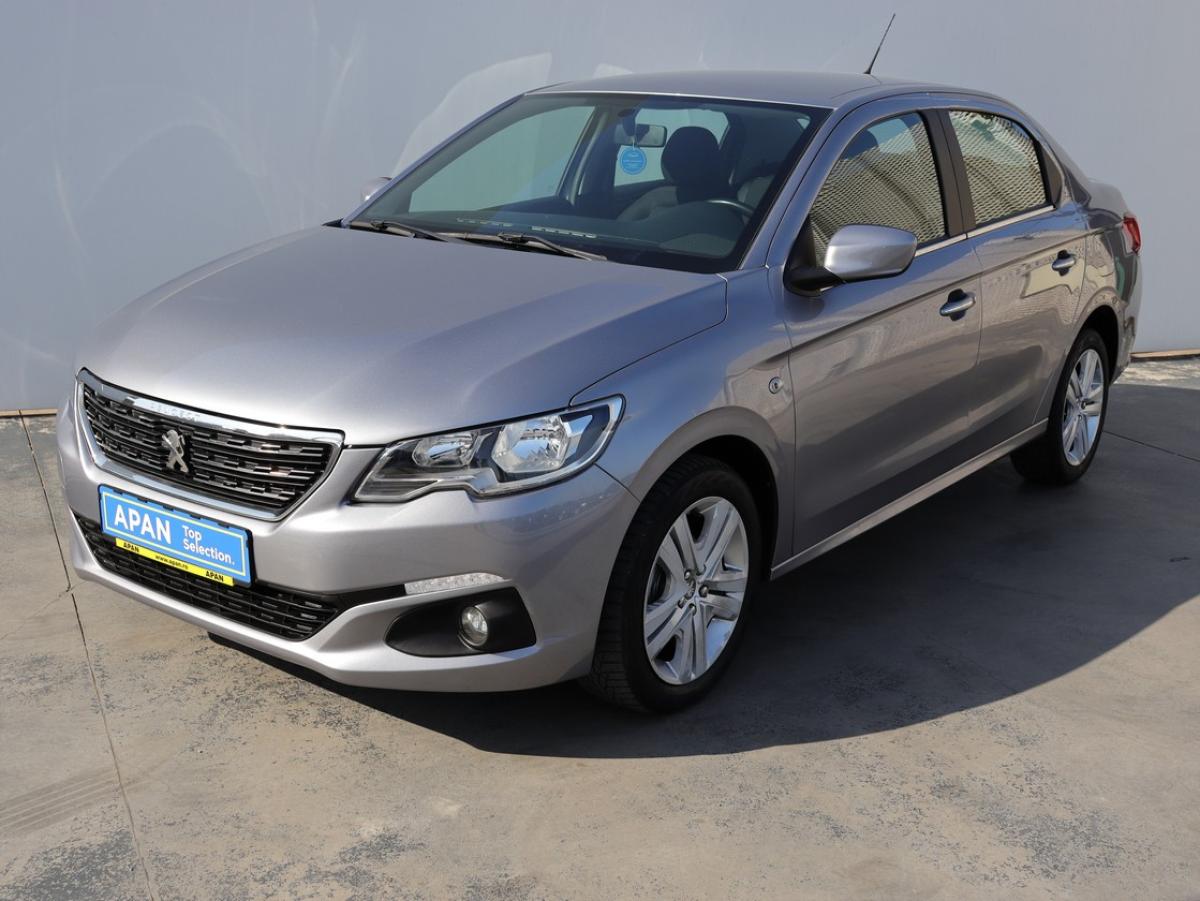
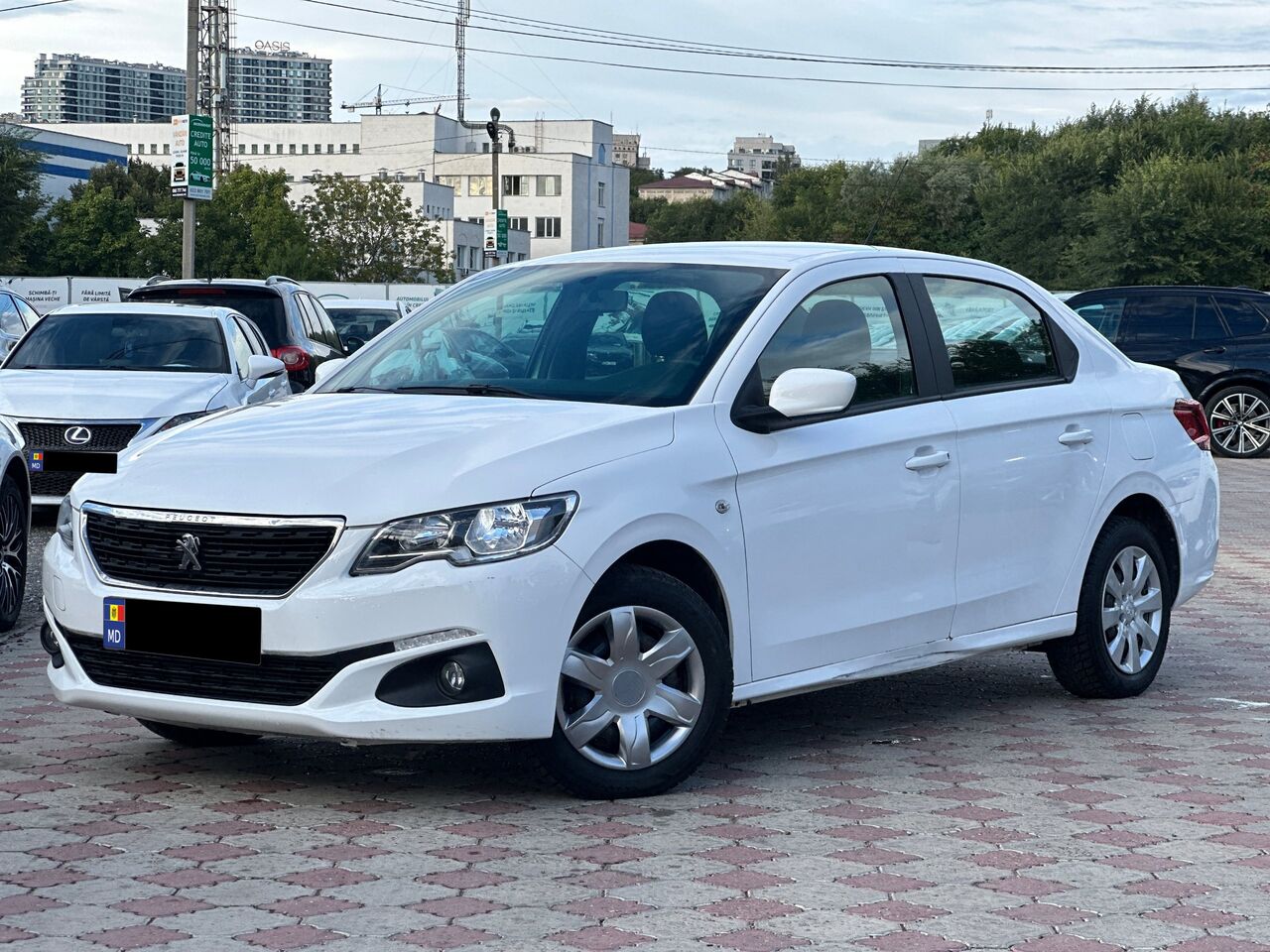
The Peugeot 301 is a compact sedan designed for everyday practicality, offering a comfortable ride and efficient performance in a compact package. If you’re considering buying a Peugeot 301, it helps to understand the model’s generations, body style, typical mileage, and what to expect in different markets. Here we cover key factors to help you compare offers, evaluate condition and value, and choose the right configuration for your needs in your country and city.
The 301 is a small sedan with a roomy cabin, decent trunk space, and a focus on fuel economy. It’s commonly chosen by buyers who want a reliable, economical car for commuting, running errands, or family trips. Common questions include which engine option to pick, how many kilometers you can expect from a well-maintained engine, and which trim levels balance price and features. In many markets you’ll find petrol variants that emphasize efficiency and city driving, with diesel or automated options less common but available in certain generations.
When evaluating a Peugeot 301, pay attention to the year and generation, as design, technology, and safety equipment evolve over time. Look for:
To find the best Peugeot 301 deal, focus on:
Whether you’re buying to replace another car, upgrading your daily driver, or looking for a reliable family sedan, the Peugeot 301 can offer practical value when you compare generations, engines, and condition carefully. Start with a clear checklist, verify maintenance history, and test drive multiple units to ensure you choose the option that best fits your city’s roads and your budget.
 Add as preferred sourceSee more from zvelta in Google Search Add as preferred source