 EN
ENDEALER

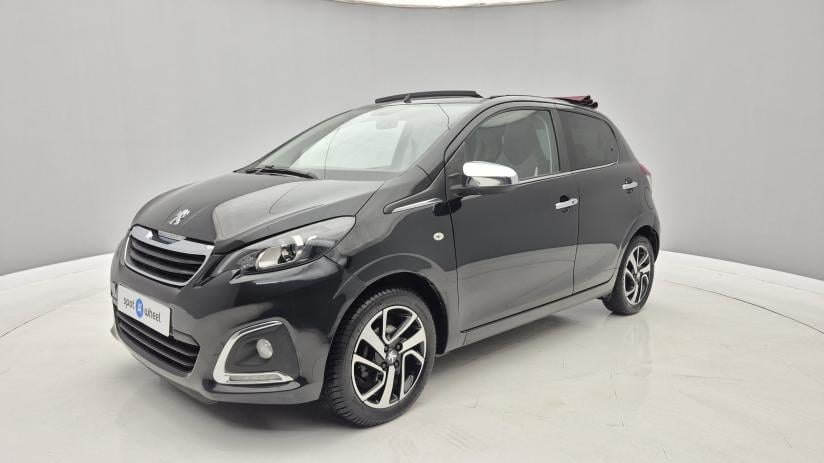
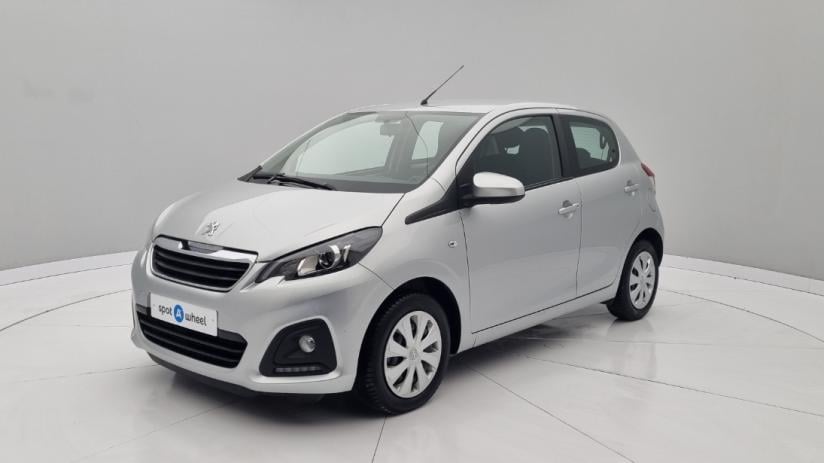
2019, gasoline, automatic, 20K km, hatchback, 998 cm3, 72 hp, grey, 1.0 e-VTi Active, Used condition, Europa, In stock, sale date 27.10.2026 11:15

CarOutlet.eu
 Netherlands
Auction starts
27 Oct, 11:15
 NetherlandsNetherlandsNetherlands
 Chervonohrad, Ukraine
 Greece, AtticaGreece, AtticaGreece, AtticaGreece, AtticaGreece, AtticaGreece, Attica
The Peugeot 108 stands out as a compact city hatch designed for nimble urban driving. If you’re considering buying or selling this model, you’ll want to weigh its economy, size, and versatility against your daily needs. With various trim levels, engine choices, and body configurations, the 108 offers a friendly entry point into the Peugeot lineup that’s easy to park and manage in busy environments. Whether you’re navigating busy city streets in a place like Paris, Berlin, or Milan, this car’s small footprint can be a real advantage. In this guide, we’ll cover what buyers should look for, common questions, and practical tips for both purchasing and marketing a Peugeot 108 in local markets.
The 108 is known for its compact exterior and efficient fuel use, making it a sensible choice for daily commutes and short trips around town. Key considerations for buyers include year and mileage, which greatly influence price segments and remaining value. A newer 108 with lower mileage tends to sit in a higher price bracket, while older generations focus on affordability. Body types are typically hatchback with small dimensions that fit tight parking spaces, contributing to lower ownership stress in crowded centers.
If you’re comparing generations, the early models prioritize straightforward engineering and reliability, while later variants may offer improved tech features, enhanced infotainment, and safer driving aids. When evaluating a used Peugeot 108 in cities like Kyiv, Warsaw, or Prague, look for service history, consistent maintenance, and evidence of timely parts replacement. Fuel choices usually include petrol, with automatic or manual transmissions depending on the trim, so consider which configuration aligns with your driving style and local fuel prices.
When you’re shopping for a Peugeot 108 in a market like Poland, Ukraine, or Romania, it helps to compare local listings from both dealers and private sellers. Look for consistent pricing within the same generation and mileage range, and consider total ownership costs, including insurance, maintenance intervals, and potential parts availability. If you’re selling, emphasize recent service, a clean interior, and honest disclosures about any past accidents or repairs. A well-presented car with complete records usually attracts more interest and can command closer to asking price.
By focusing on mileage, maintenance history, and the specific city market you’re in, you can make a well-informed decision whether purchasing or selling a Peugeot 108. This compact hatch remains a practical option for drivers who prioritize maneuverability and efficient daily commuting.
 Add as preferred sourceSee more from zvelta in Google Search Add as preferred source