 EN
ENDEALER
671 US$DEALER
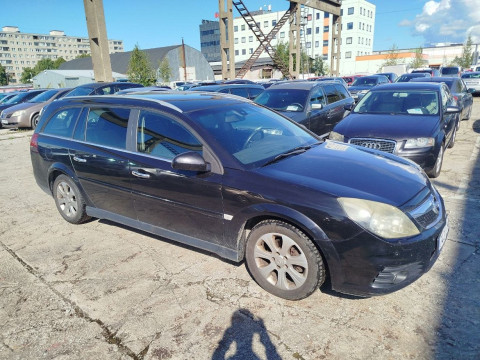
2008, diesel, automatic, 362K km, wagon, Front Wheels Drive, 1,900 cm3, black, Used condition, Europa, In stock

BaltiCar.com
 Estonia, Harjumaa
 Estonia, HarjumaaEstonia, Harjumaa
 Romania, Bihor County
 Ukraine
 UkraineUkraineUkraineUkraineUkraineUkraineUkraineUkraineUkraineUkraineIvano-Frankivsk Raion, Ukraine
 Romania, Buzău County
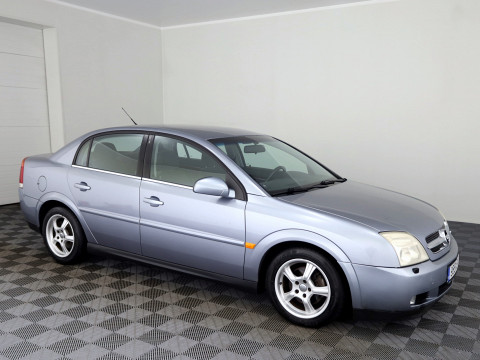
Opel Vectra has long stood as a practical sedan option for families and daily commuters. If you’re in the market to buy or sell a Vectra, understanding the model’s generations, typical fuel configurations, body styles, and regional pricing can make a big difference. This guide focuses on real-world considerations when evaluating Opel Vectra, including common generations, engine choices, mileage expectations, and how price segments shift by country and city. Whether you’re comparing trims, deciding which engine to choose, or preparing a listing for sale, the goal is to help you make informed decisions that fit your needs and budget.
When shopping for a Vectra, think about the generation and body type that match your plans. The Opel Vectra family has included various generations with sedan and estate body styles that appeal to active families and practical buyers. Common engine choices range from petrol four-cylinders to diesel variants, each with different fuel economy and maintenance profiles. Buyers often weigh upfront price against long-term running costs, insurance considerations, and potential repair needs as the car ages.
For sellers, highlighting the Vectra’s reliability history, mileage, service records, and any remaining factory warranties or recent maintenance can attract serious buyers. A clear, honest description of the car’s condition, combined with transparent pictures of the engine bay, interior, and boot space, helps build trust and can lead to quicker negotiations.
In many markets, pricing for Opel Vectra tends to fall into a mid-range segment, influenced by year, mileage, and trim level. For example, a late-generation Vectra with reasonable mileage may fetch a favorable price in suburban areas where practical sedans are in steady demand, while in larger cities, buyers may seek lower-mileage examples or variants with efficient diesel engines for heavy commuting. When comparing similar options, consider:
When evaluating listings, look for consistent information: model generation, year, mileage, body style, engine, transmission, and price. Compare similar years and mileages to estimate what a fair market value should be. If you’re selling, price competitively by presenting a comprehensive spec sheet, high-quality photos, and details about recent maintenance like timing belt changes, brake work, or suspension repairs.
Buying or selling a Opel Vectra requires balancing upfront price with long-term costs, understanding the specific model’s strengths, and choosing a configuration that fits your daily needs. With careful consideration of generation, engine choice, mileage, and regional price dynamics, you can enter negotiations with confidence and find a deal that aligns with your budget and lifestyle.
 Add as preferred sourceSee more from zvelta in Google Search Add as preferred source