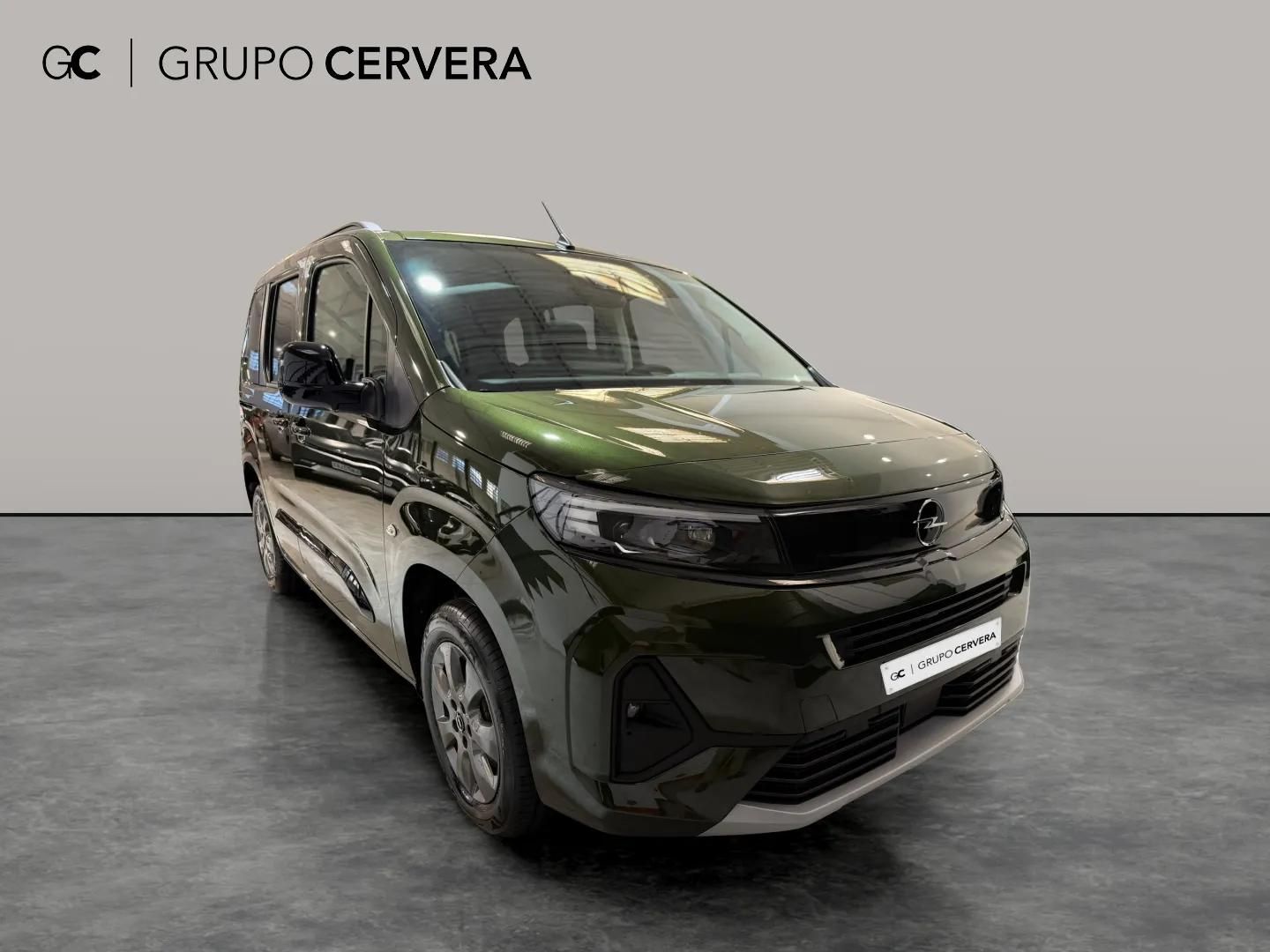
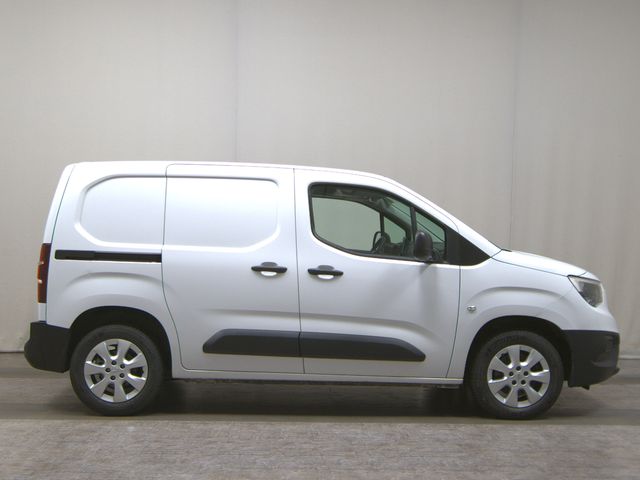
 EN
ENDEALER
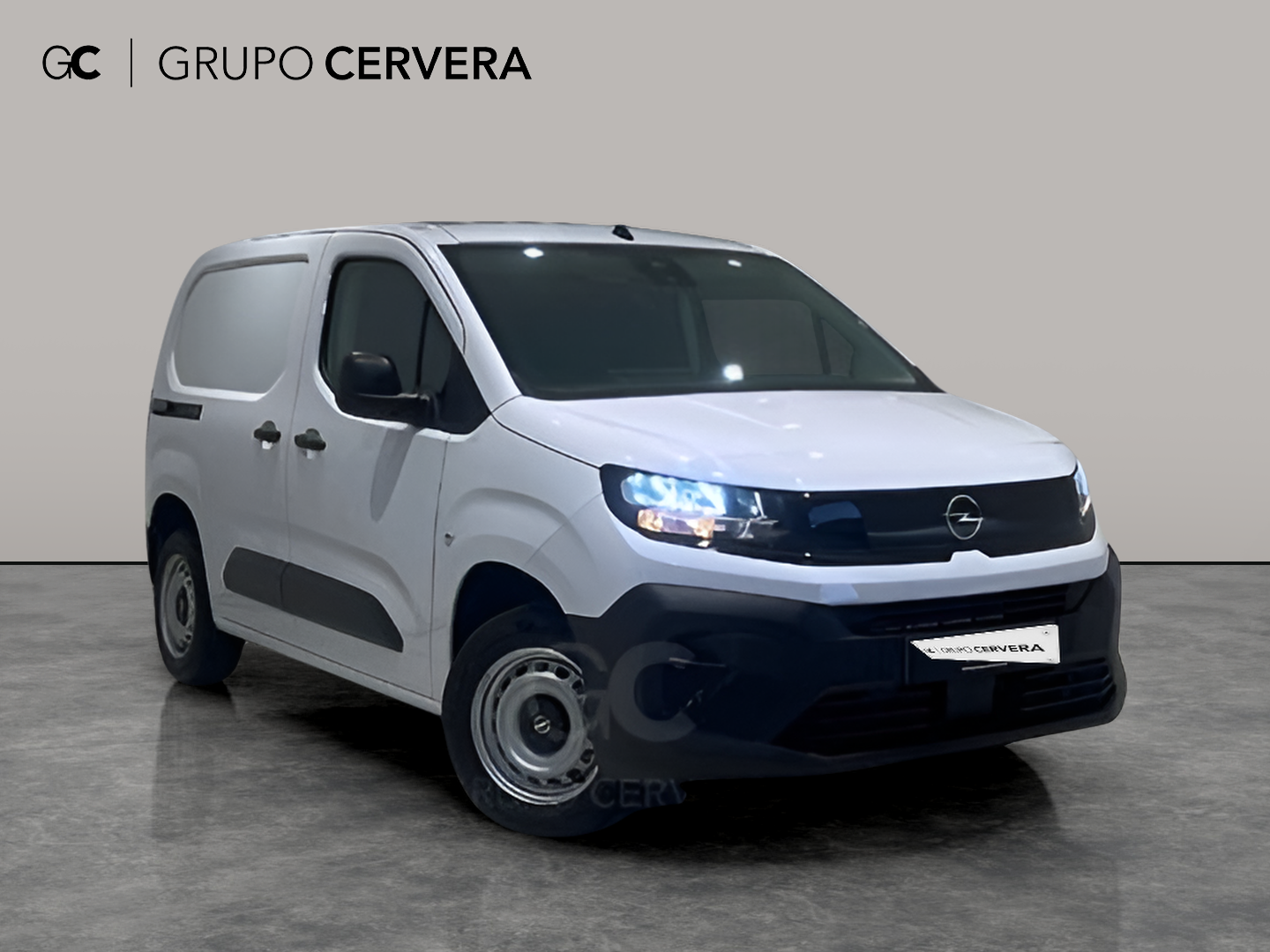
23.082 US$DEALER
2026, manual, 5 km, Front Wheels Drive, 1,499 cm3, 102 hp, Euro 6, white, 1.5 Diesel S&S M 650kg 75 kW (102 CV), New condition, In stock

GrupoCervera.com
 Spain, Castille and León
 Spain, Castille and LeónSpain, Castille and LeónSpain, Castille and León
 SpainSpainSpainSpainSpainSpainSpainSpainSpainSpainSpainSpain
 BelgiumBelgium
 FranceFranceFranceFranceFranceFranceFrance
 Germany, Lower Saxony
The Opel Combo is a practical choice for families, tradespeople, and city drivers who need reliable space and versatile design. Whether you are eyeing a compact panel van or a small MPV, understanding the variations across generations, engines, and body styles can save you time and money when buying or selling in urban centers and beyond. In this guide we cover key aspects such as model generations, typical mileage ranges, fuel types, and pricing signals to help you compare options in your city.
Opel released several generations of the Combo, each bringing its own balance of cargo space, passenger comfort, and efficiency. The early models focused on compact dimensions and easy maneuverability, while newer generations offer modern infotainment, improved safety features, and better load management. When shopping, note the generation- and body-type differences, such as panel van versus compact passenger variants, which affect interior layout and resale value.
Common body types include:
Dimensional and cargo considerations matter. Check load length, wheelbase, and payload capacity, especially if you plan to carry tools, appliances, or bulky goods. Engine choices range from smaller petrol engines to efficient diesel units, and some markets offer modern turbocharged options that balance power with fuel economy. You may also see versions with automatic or manual transmissions; your daily driving style and maintenance preferences will guide your choice.
Fuel type impacts running costs and availability. Diesel variants historically offer higher torque and better fuel economy for longer trips or heavier loads, but may be subject to future regulatory changes in some regions. Petrol options tend to be cheaper upfront and simpler to service, while newer hybrids or mild-hybrid variants, if available in your market, aim to reduce emissions and improve urban efficiency. Maintenance expectations for Opel Combo models center on routine service intervals, brake wear, and timing belt or chain checks depending on the engine. With any used Opel Combo, it’s wise to obtain a full service history, inspect the clutch if a manual transmission is present, and review safety-related items such as airbags and braking systems.
When you search for Opel Combo listings, buyers typically consider price range, mileage, year, and overall condition. Here are practical tips to help you evaluate options:
For sellers, highlighting recent maintenance, documented service intervals, and any upgrades (entertainment system, tires, brake components) can improve perceived value. Clear photos of cargo space, seating flexibility, and interior condition help buyers make informed decisions.
In summary, the Opel Combo remains a versatile option for urban and practical needs. By focusing on the generation, body type, fuel choice, and mileage, you can identify the best match for daily use, business tasks, or family trips, while aiming for a fair price in your local market.
 Add as preferred sourceSee more from zvelta in Google Search Add as preferred source