EN
ENDEALER

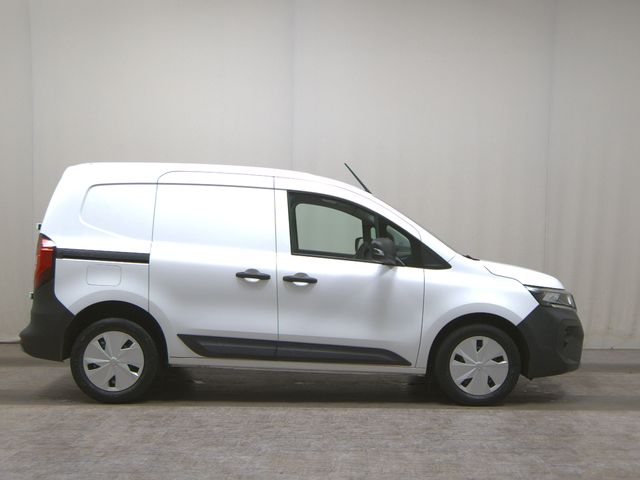
2023, 137K km, Used condition, Europa, In stock, sale date 26.10.2026 08:00

CarOutlet.eu
 Spain
SpainAuction starts · 26 Oct, 08:00
Current bid€9,339
 SpainSpainSpainSpain
 Germany, Lower Saxony
 Poland, Lesser Poland
The Nissan Townstar is a compact, versatile choice for families and small businesses alike. When considering a Townstar, buyers typically weigh generation updates, engine options, body configuration, and practical features that make daily life easier. This guide covers what to look for when buying or selling a Townstar, with a focus on common questions such as price ranges, reliability, and ideal configurations for different uses.
The Townstar is available in multiple generations, each offering improvements in efficiency, cargo space, and technology. For buyers in various markets, important considerations include the year, mileage, fuel type, and body style. The most common Townstar variants include front-wheel-drive configurations with practical cargo areas, making them popular in city settings where maneuverability and cargo capacity matter.
If you are comparing Townstar models, you might ask:
Common configurations include a compact MPV-style footprint with flexible seats and a roomy interior, along with small cargo variants suitable for urban delivery tasks. When evaluating a Townstar, pay attention to service history, typical maintenance costs, and whether the vehicle has had timely belt, brake, and tire replacements.
For buyers, the first steps are setting a price range based on the model year, mileage, and condition, then comparing Townstar listings in your city. In many markets, you’ll find Townstars with varying mileage, often in the range of moderate to high use. Prospective buyers should request a full maintenance log and verify that the vehicle has not suffered past frame or structural damage. For sellers, presenting a clear history report, recent servicing, and transparent documentation can help secure a favorable price.
Key factors to consider:
This Nissan Townstar-focused guide helps you navigate the market with practical questions and solid criteria, whether you are buying a Townstar for family use, business needs, or resale.
 Add as preferred sourceSee more from zvelta in Google Search Add as preferred source