 EN
EN
13.900 US$
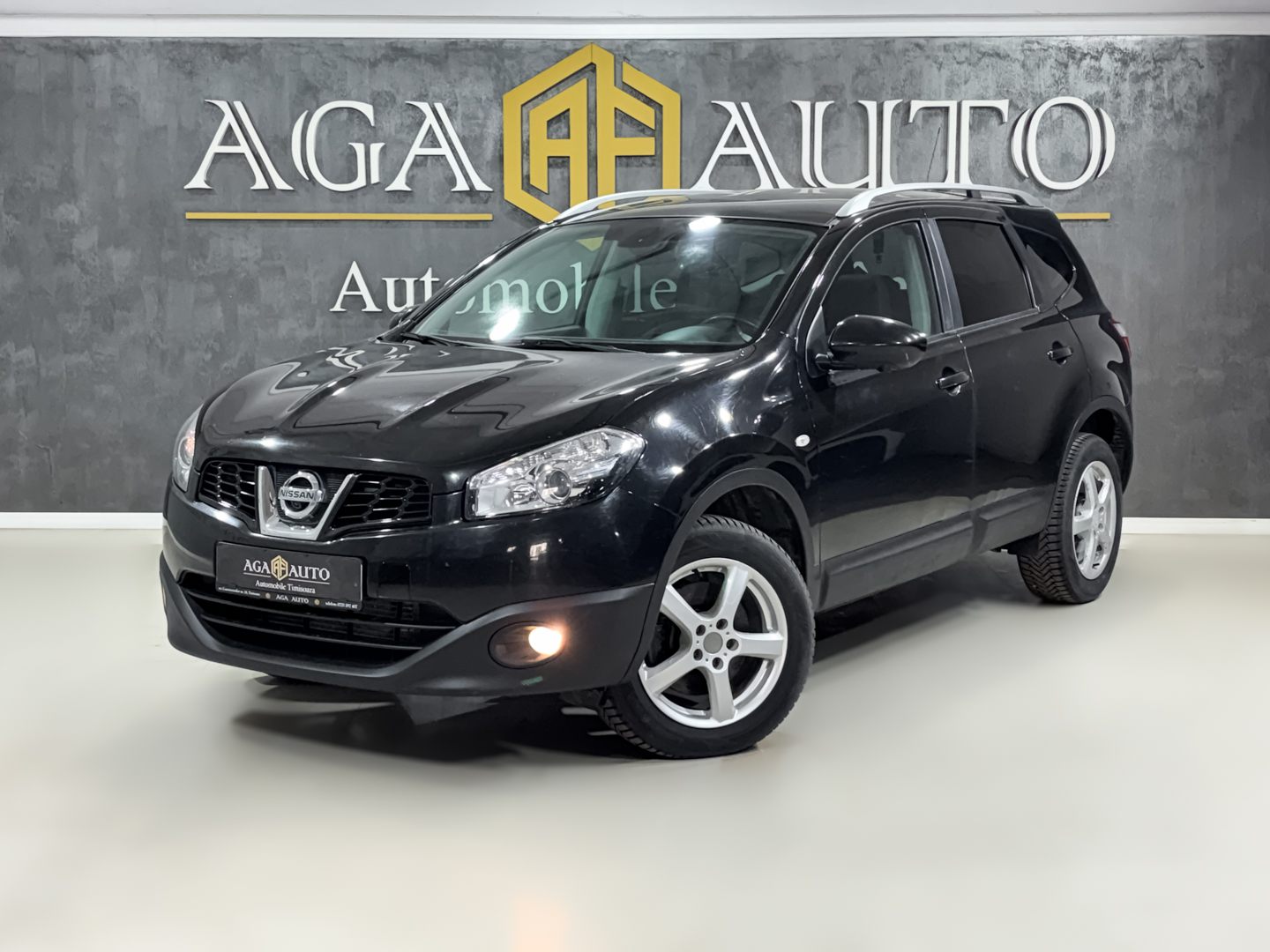
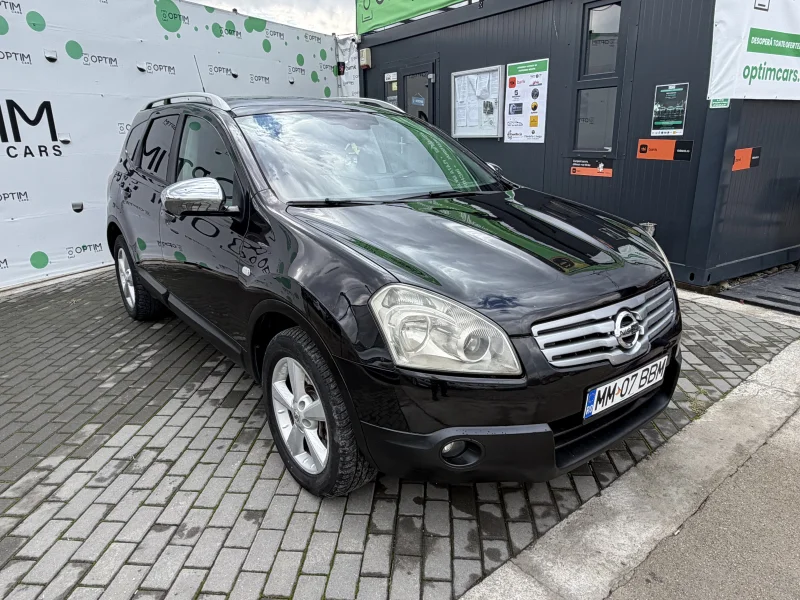
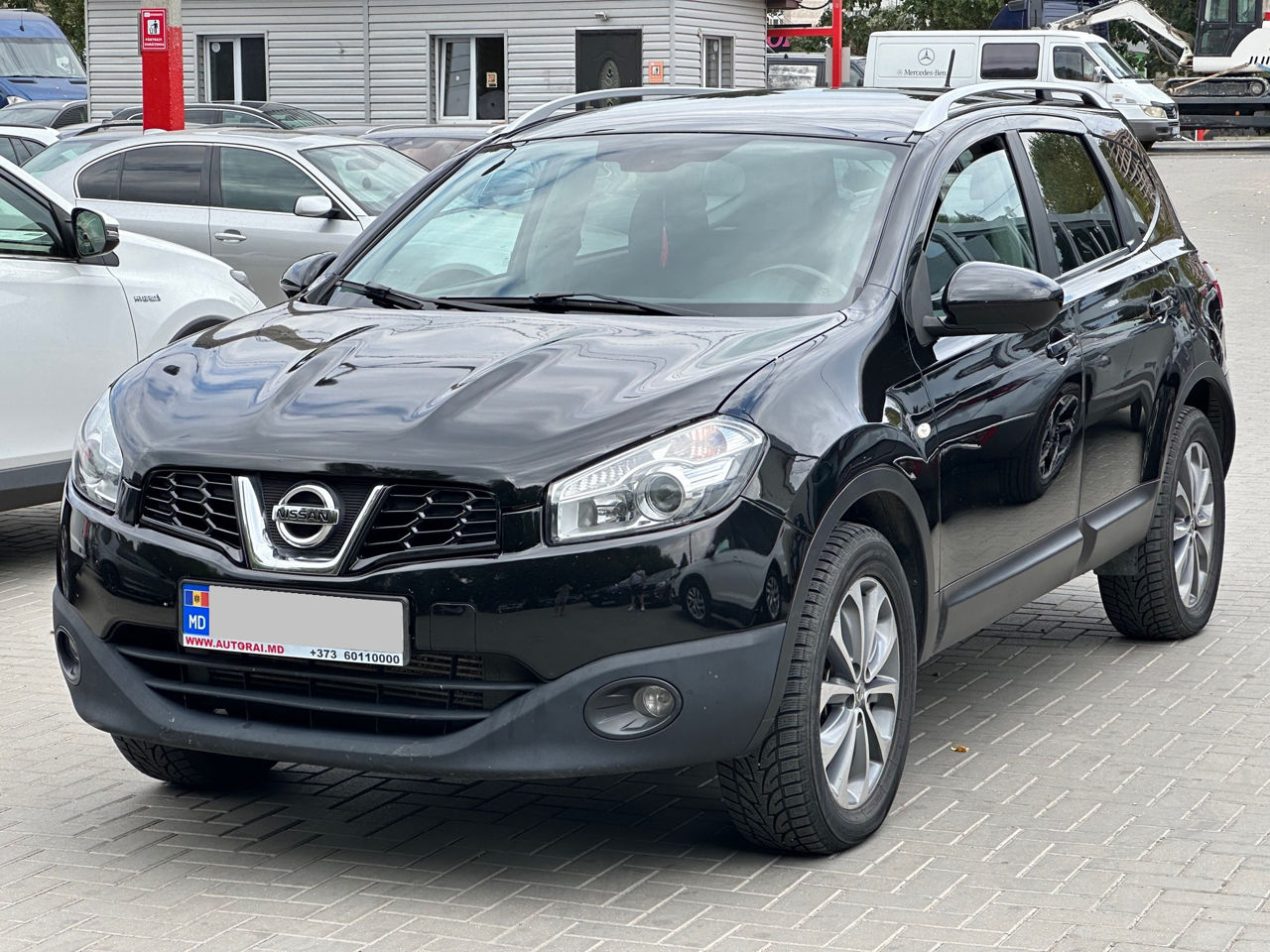
diesel, manual, 140K km, SUV, Front Wheels Drive, 1,500 cm3, black

BossAutoUkraine.com.ua
 Lvivskyi Raion, Ukraine
 Lvivskyi Raion, Ukraine
 Romania, Arad County
 Romania, Timiș County
 Lazu Baciului, Romania
 Romania, Maramureş
 Romania, Mureș County
 Romania, Sibiu CountyRomania, Sibiu County
 Sofiyivska Borschagivka, Ukraine
 Romania, Bacău CountyRomania, Bacău CountyRomania, Bacău CountyRomania, Bacău County
 Moldova, Chișinău MunicipalityMoldova, Chișinău MunicipalityMoldova, Chișinău Municipality
 UkraineUkraineChernivtsi, UkraineUkraineKolomyia, UkraineUkraineUkraineUkraineUkraine
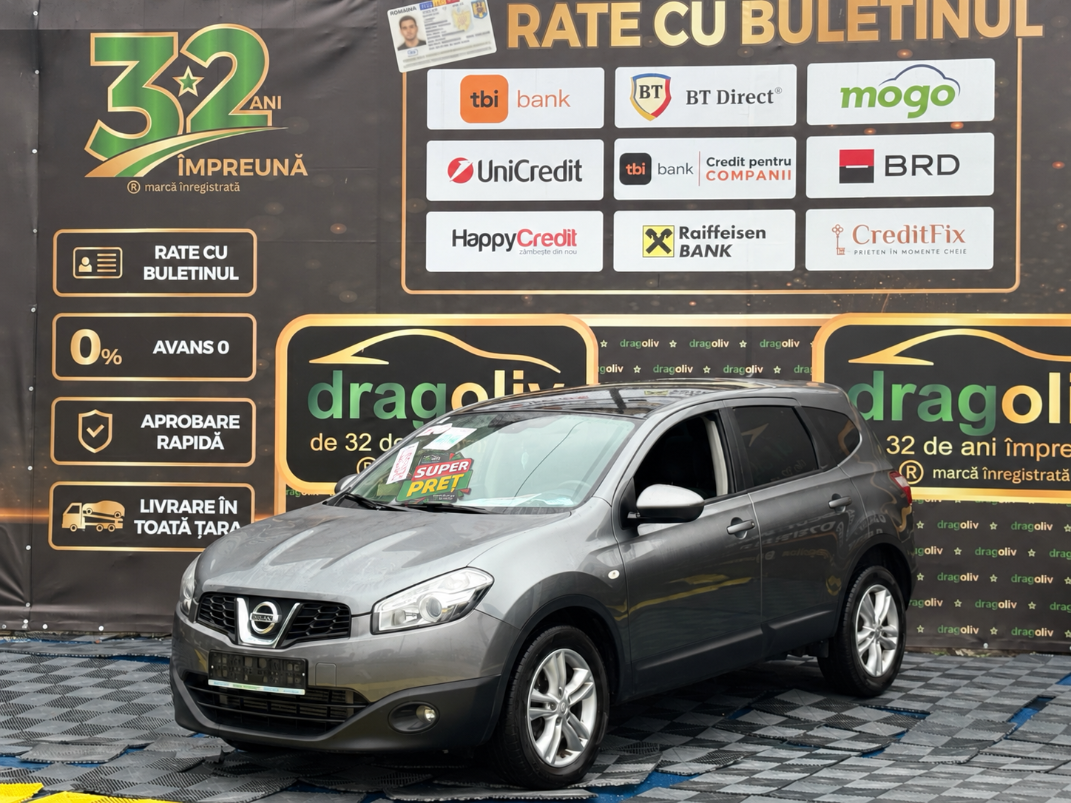
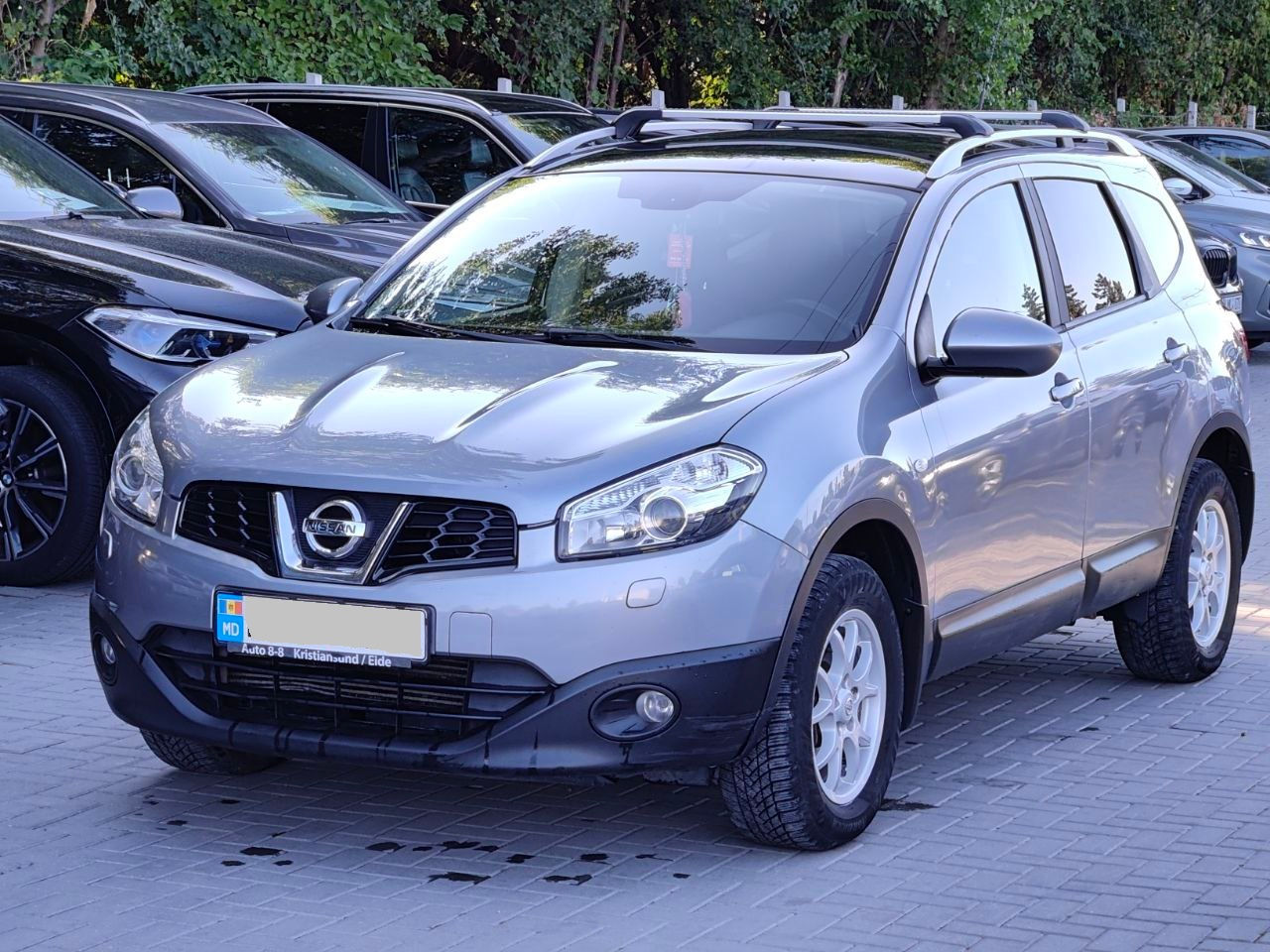
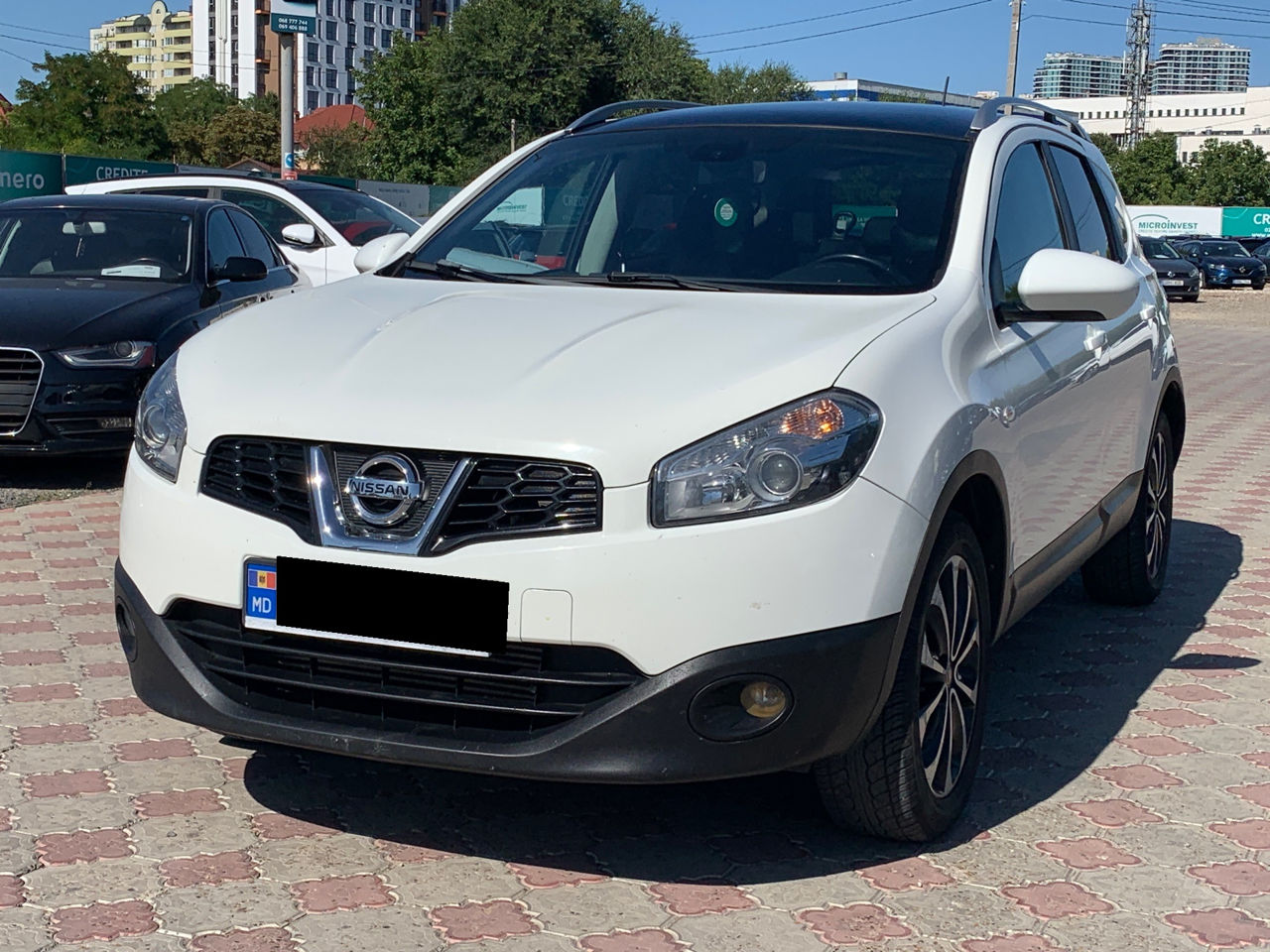
The Nissan Qashqai+2 is a versatile compact SUV designed to blend everyday usability with enough space for passengers and luggage. If you’re considering a Nissan Qashqai+2, you’ll likely be weighing model generations, engine choices, fuel options, and how the car fits your city or regional driving needs. Whether you plan to buy new or used, understanding common configuration details helps you compare offers more effectively and avoid surprises at the dealership.
When evaluating a Qashqai+2, buyers usually focus on the generation, mileage, year of manufacture, and the balance between price and equipment. Common questions include: which engine provides the best blend of performance and economy, is the four-wheel-drive version worth the extra cost for urban or rural use, and how much cargo and passenger space you get in each body style. For many buyers in urban areas, the practicality of a five- or seven-seat configuration matters most, along with fuel efficiency and maintenance costs.
Prices for a Nissan Qashqai+2 vary by country, city, generation, and trim level. To get a realistic sense of value, compare offers that include similar mileage, year, and equipment lists. Look for common selling points such as cargo space, passenger comfort, and the availability of modern infotainment features. In many markets, the price segment for a well-maintained Qashqai+2 falls within affordable family SUV ranges, with depreciation influenced by engine choice and overall reliability.
Before finalizing a purchase, consider a pre-purchase inspection to verify engine condition, transmission performance, and suspension wear. For sellers, preparing maintenance records and showcasing low-mileage, clean interiors can help command a better price. If you’re upgrading from a smaller car, you’ll appreciate the extra seating and cargo flexibility the +2 model provides, especially for family use or weekend getaways.
Whether you’re focusing on a specific year, mileage, or trim, writing down your must-haves—such as fuel type, seating arrangement, and tech features—helps you navigate listings with confidence. By understanding the main considerations around the Nissan Qashqai+2, you’ll be better prepared to choose a vehicle that matches your daily routine, budget, and lifestyle.
 Add as preferred sourceSee more from zvelta in Google Search Add as preferred source