 EN
EN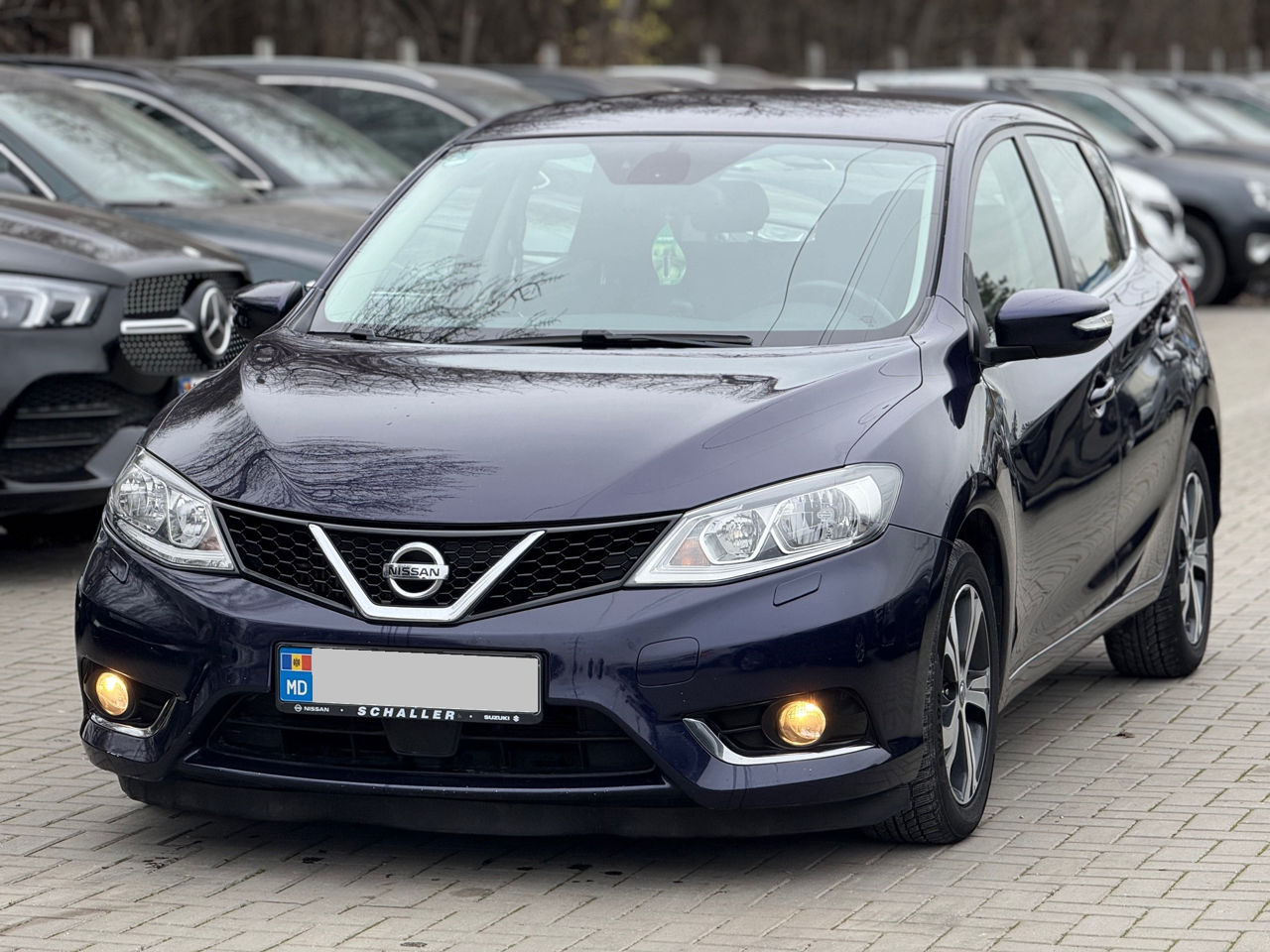
9.523 US$
10.073 US$
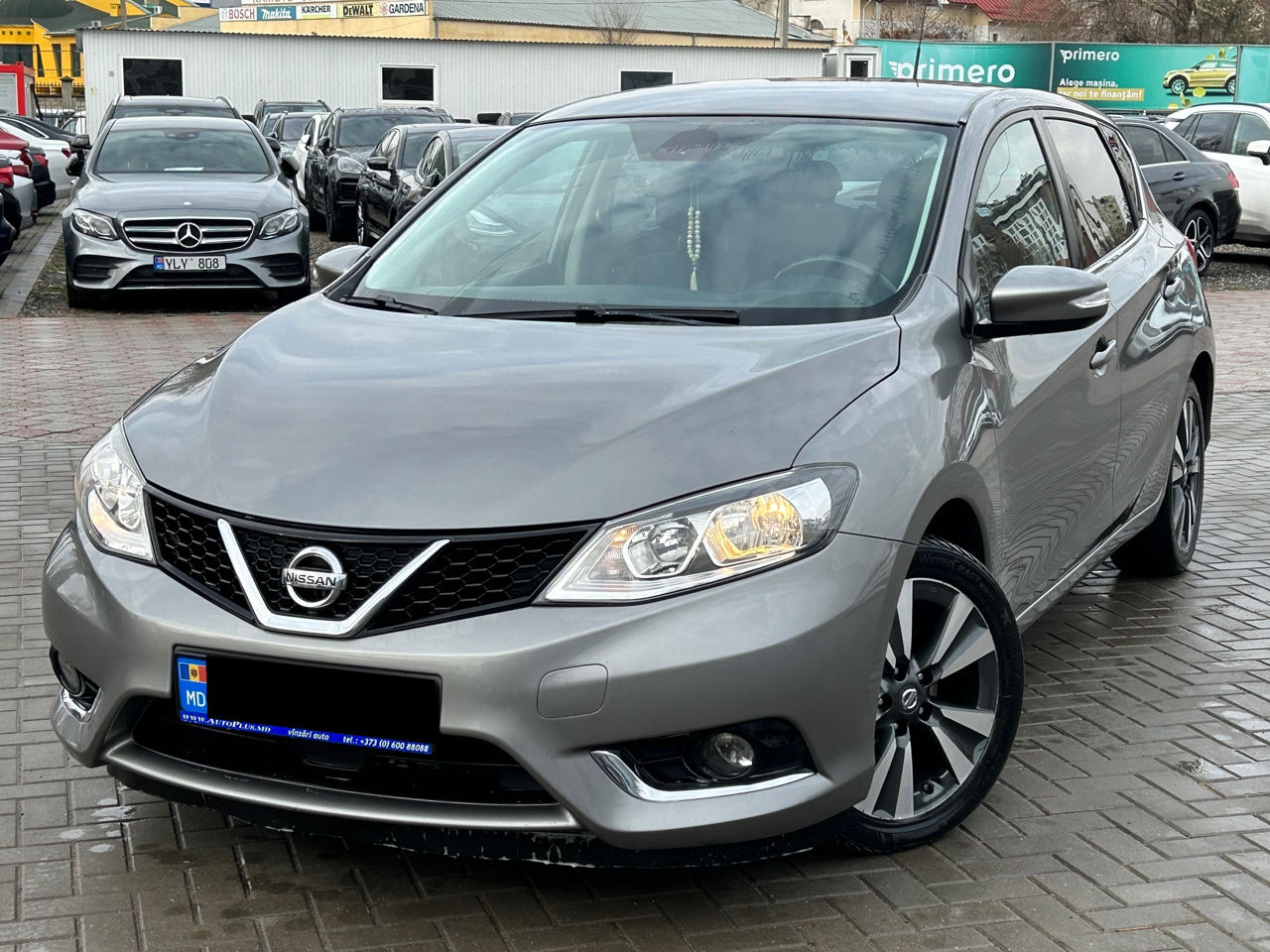
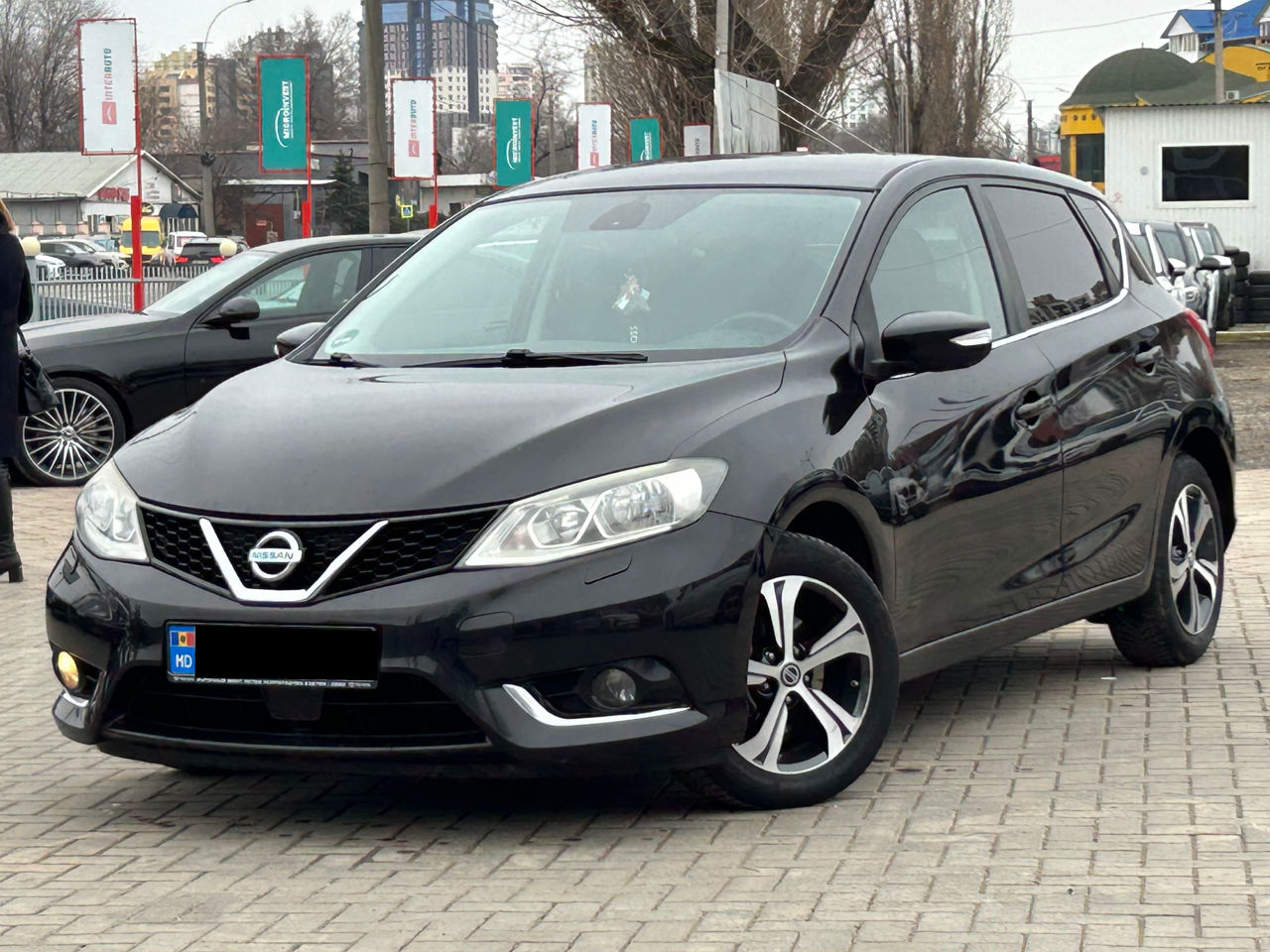
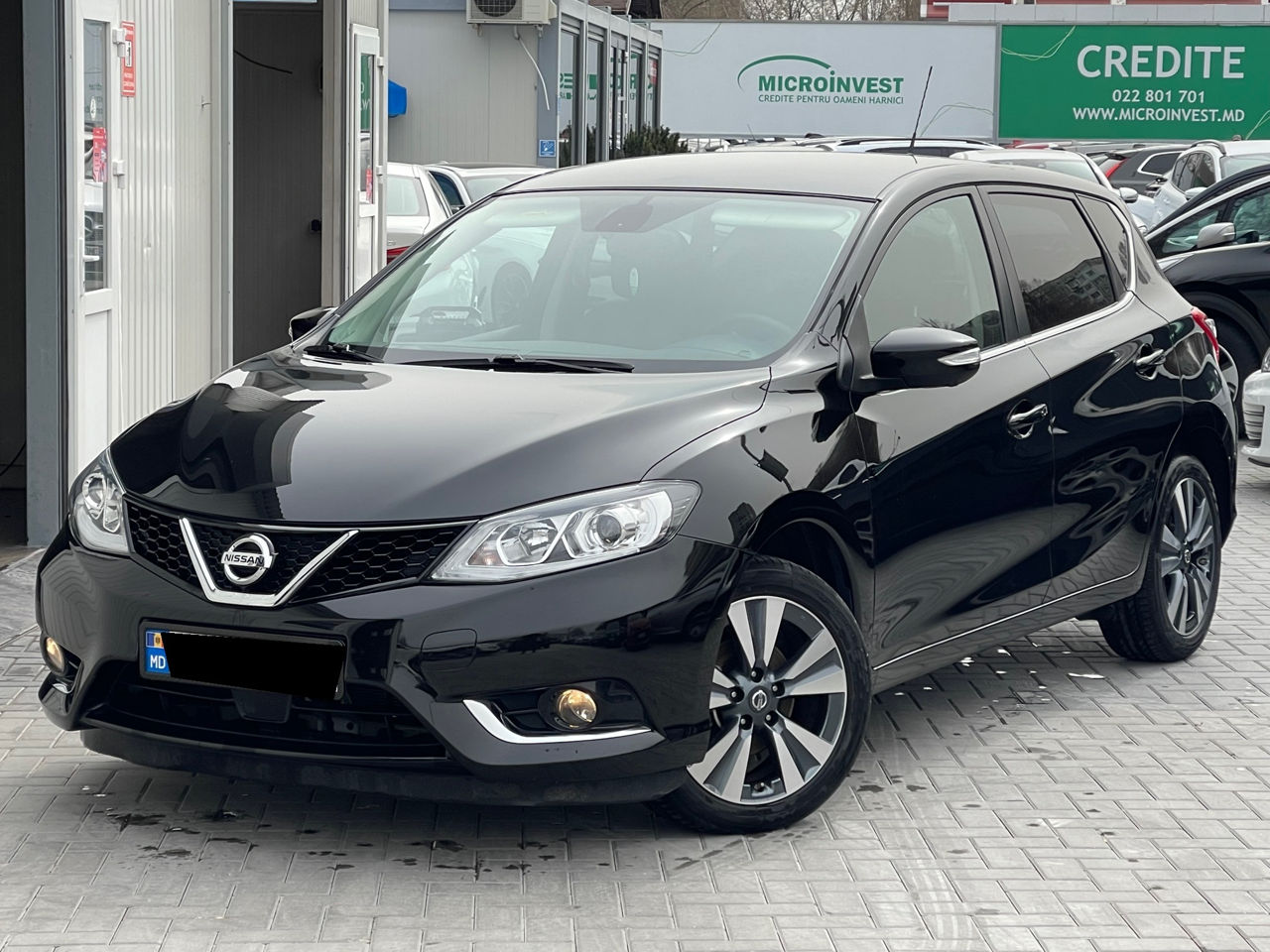
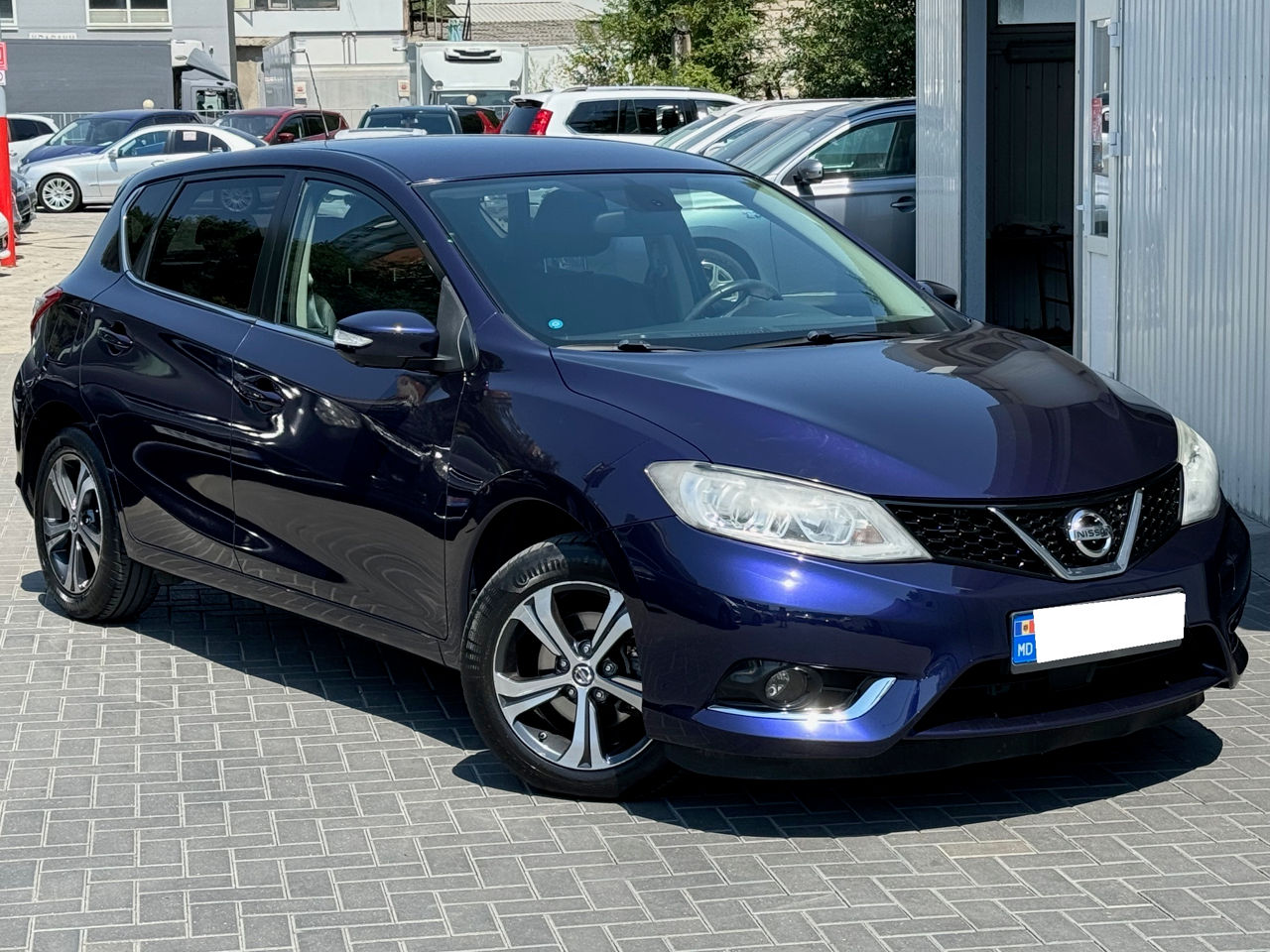
2014, diesel, manual, 177K km, hatchback, Front Wheels Drive, 1,500 cm3, 110 hp, blue, Used condition, Europa

InterAuto.md
 Moldova, Chișinău Municipality
 Moldova, Chișinău MunicipalityMoldova, Chișinău MunicipalityMoldova, Chișinău MunicipalityMoldova, Chișinău MunicipalityMoldova, Chișinău Municipality
 Greece, AtticaGreece, AtticaGreece, AtticaGreece, Attica
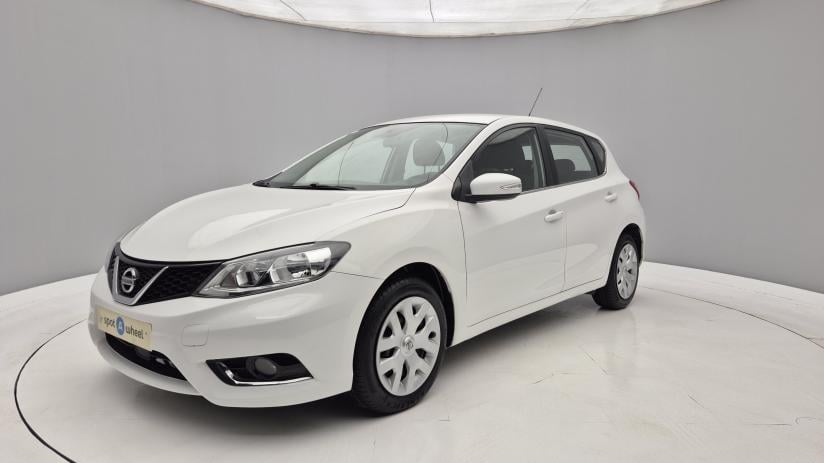
The Nissan Pulsar has long been a practical choice for buyers who want a compact hatch with reliable performance and sensible features. If you’re considering a Nissan Pulsar, you’ll want to understand the key options across generations, fuels, and body styles, along with what affects price in different markets. This guide helps you compare used Pulsar models and decide when to buy, where to look, and which configurations fit your needs in major markets.
The Pulsar line spans several generations and configurations, mostly focused on compact hatchback practicality. When evaluating a used Pulsar, pay attention to: the generation (and its design changes), the engine and fuel type, the body style, mileage, and service history. Common engines range from efficient petrol units to turbocharged options in certain trims. A typical Pulsar affects city commuting with comfortable ride quality and adequate cargo space for daily tasks. For buyers in various cities, the availability of parts and service networks matters as well as the overall maintenance cost.
If you’re selling a Pulsar, highlight recent maintenance, clean interior, verified mileage, and a thorough service history. Good photos, an honest description of any wear, and a transparent price range based on your local market will help attract buyers quickly.
 Add as preferred sourceSee more from zvelta in Google Search Add as preferred source