 EN
ENDEALER

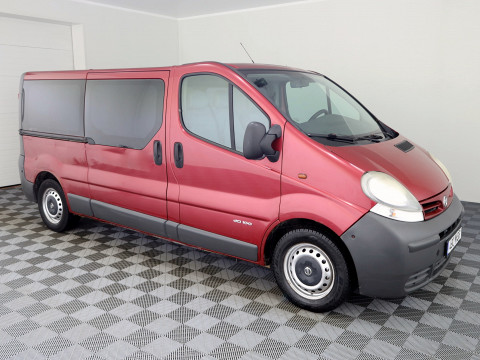
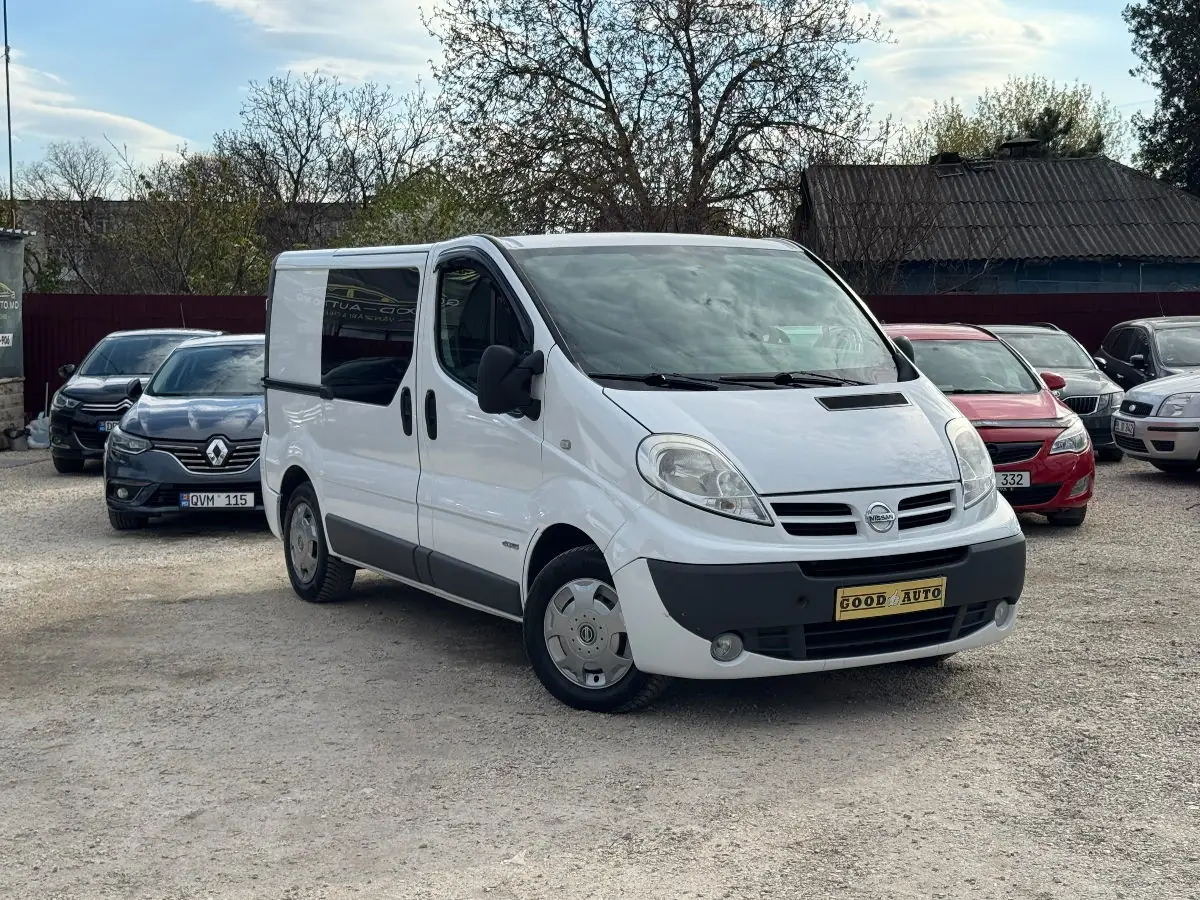
2025, diesel, automatic, 38K km, VAN, 1,997 cm3, 150 hp, 2.0 dCi 30 L1H1 N-Connecta 110 kw., Used condition, In stock, sale date 28.10.2026 06:00

CarOutlet.eu
 Belgium
Auction starts
28 Oct, 06:00
 BelgiumBelgiumBelgium
 Estonia, Harjumaa
 Moldova
 Ukraine
The Nissan Primastar remains a popular choice for small businesses and urban deliveries, thanks to its versatile cargo space, efficient engines, and manageable size. If you’re aiming to buy or sell a Nissan Primastar, understanding the key factors that influence price and reliability helps you make a smarter decision. This guide covers common questions buyers and sellers ask, including how to evaluate different generations, what mileage levels signal, and how city and country markets affect price.
When you search for a Nissan Primastar in strong markets like urban centers, you’ll often compare different generations, body styles, and configurations. Typical questions include: which year and mileage balance offers the best value, which engine choices deliver reliability, and which body type fits your cargo needs. Prospective buyers should consider:
When evaluating Nissan Primastar listings by city and country, price usually reflects age, mileage, and condition. Look for:
Sellers can improve attractiveness by presenting a clear history, up-to-date service records, and high-quality photos of cargo space. A well-documented vehicle usually commands stronger interest and a smoother negotiation.
Urban buyers frequently prioritize maneuverability and reliability. Here’s how to approach city-focused Primastar options:
For sellers targeting fleet buyers, emphasize durability and service history. Highlight routine maintenance, wheel alignment records, and any fleet-specific features that support daily courier or trades work.
In conclusion, a Nissan Primastar offers practical transport for businesses and individuals needing dependable cargo capacity. By assessing year, mileage, engine choice, and city-market pricing, buyers and sellers can navigate listings with confidence and reach favorable deals.
 Add as preferred sourceSee more from zvelta in Google Search Add as preferred source