EN
ENDEALER

2021, gasoline, manual, 83K km, VAN, 1,193 cm3, 71 hp, white, 1.2 Cool+, Used condition, Europa, In stock, sale date 28.10.2026 06:15

CarOutlet.eu
 Netherlands
Auction starts
28 Oct, 06:15
 NetherlandsNetherlandsNetherlandsNetherlandsNetherlandsNetherlands
 Cisowa, Poland
 Romania, Timiș County
 Romania
 RomaniaRomania
 Romania, Bacău CountyRomania, Bacău County
 Cărpineni, Moldova
 Romania, Buzău County
 Rîşcani, Moldova
 Greece, AtticaGreece, AtticaGreece, Attica
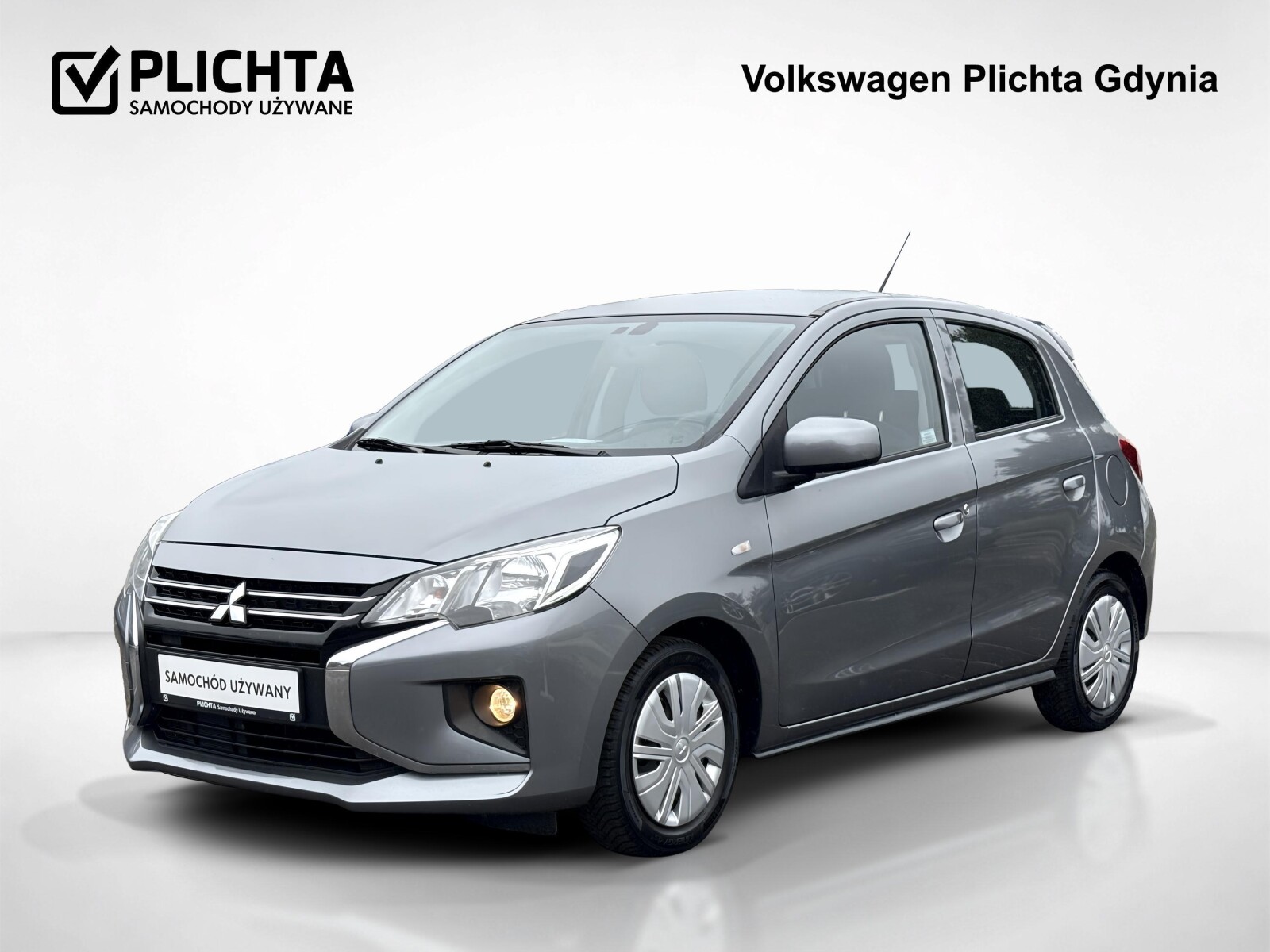
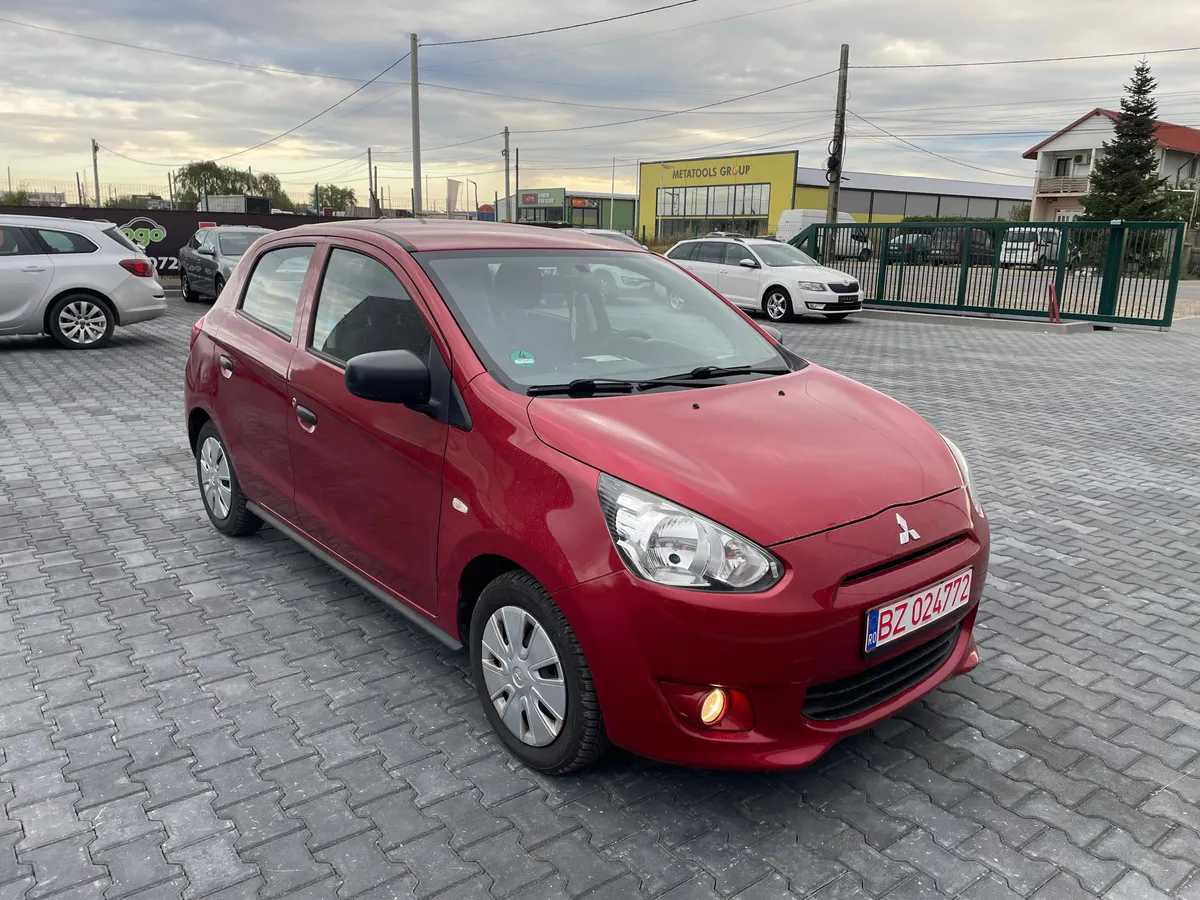
The Mitsubishi Space Star is a compact hatchback designed for city life, offering affordable ownership and easy maneuverability. If you’re searching for a reliable urban car, this model line provides a sensible balance between price, practicality, and efficiency. In this guide, we’ll explore buying and selling considerations for the Space Star, focusing on the model’s generation options, fuel types, body styles, typical mileage, and how these factors influence price and ownership costs in different markets.
The Space Star is known for its compact footprint, good visibility, and efficient engines. It’s a popular choice for those who need a small car that’s easy to park, cheap to run, and inexpensive to maintain. When evaluating a Space Star offers in cities like major hubs or regional centers, many buyers look at the year, mileage, and trim level to determine value. Common questions include: What’s the best year for reliability? Which engine offers the best balance of performance and fuel economy? How does mileage affect resale value in urban markets?
For buyers, a clear checklist helps avoid surprises. Consider the generation, fuel type, and transmission, along with maintenance records. Common questions include: Is the Space Star reliable over 100k kilometers? Do later generations bring improved safety features or better fuel efficiency? Are there known issues with clutch wear or CV joints in certain markets?
When comparing models, note the following factors:
Price segments for the Space Star vary by country and city, influenced by demand, taxes, and local depreciation. In many urban markets, buyers compare Space Star listings by year, mileage, and condition. Typical questions include: What is the right price for a Space Star with 2015–2019 production? How does mileage around 60,000–100,000 km affect resale value? Are newer trims worth a premium in busy metro areas?
For sellers, presenting a transparent history helps secure a fair deal. Include: year of manufacture, exact mileage, service records, and any notable maintenance completed. Clean, verified ownership and a clear title often speed up negotiations and improve buyer confidence.
Whether you’re purchasing or selling a Mitsubishi Space Star, understanding the model’s generation options, fuel variants, and typical market values helps you make informed decisions. By focusing on year, mileage, and condition, you can find a Space Star that fits urban needs while keeping costs predictable and reasonable.
 Add as preferred sourceSee more from zvelta in Google Search Add as preferred source