 EN
ENDEALER
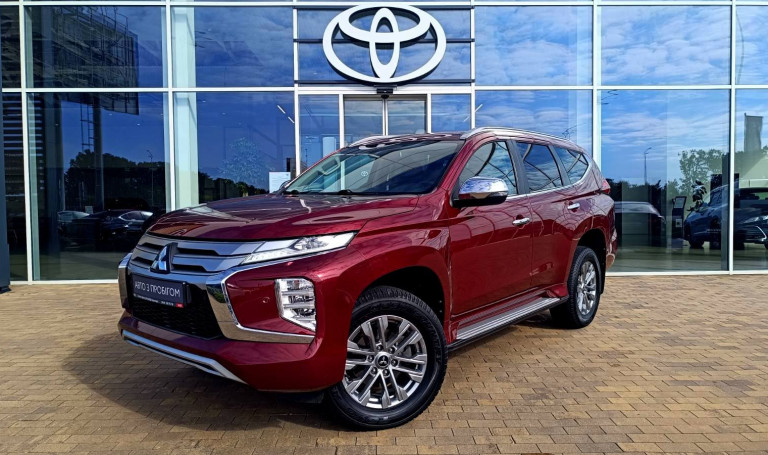
30.632 US$DEALER
2021, diesel, automatic, 91K km, SUV, All Wheels Drive, 2,400 cm3, 181 hp, red, Mitsubishi Pajero Sport 181 к.с., Used condition, In stock

vidi.ua
 Poselok Hora, Ukraine
 Poselok Hora, Ukraine
 MoldovaMoldova, Chișinău MunicipalityMoldova, Chișinău Municipality
 Moldova, Chișinău Municipality
 UkraineUkraineUkraine
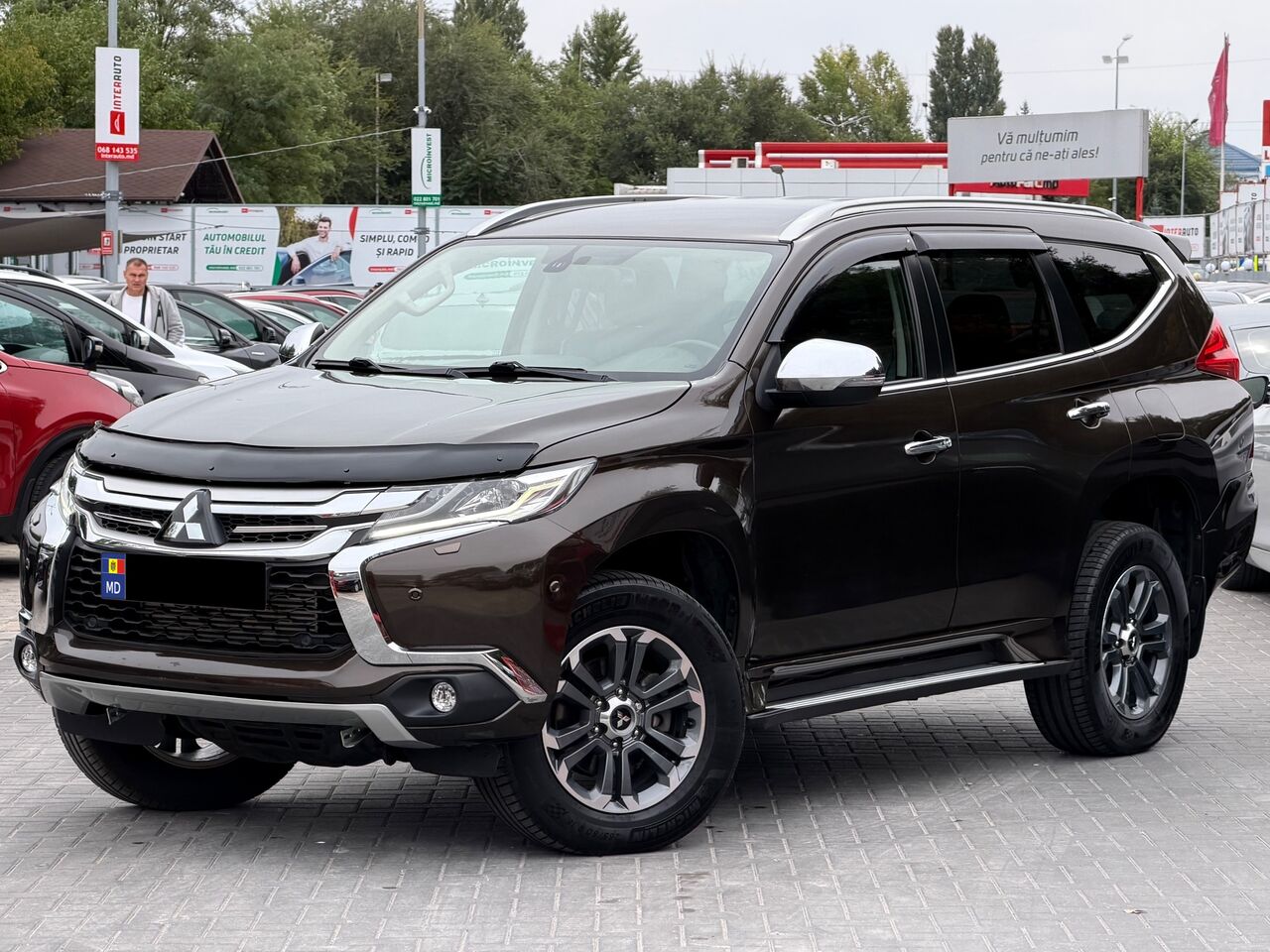
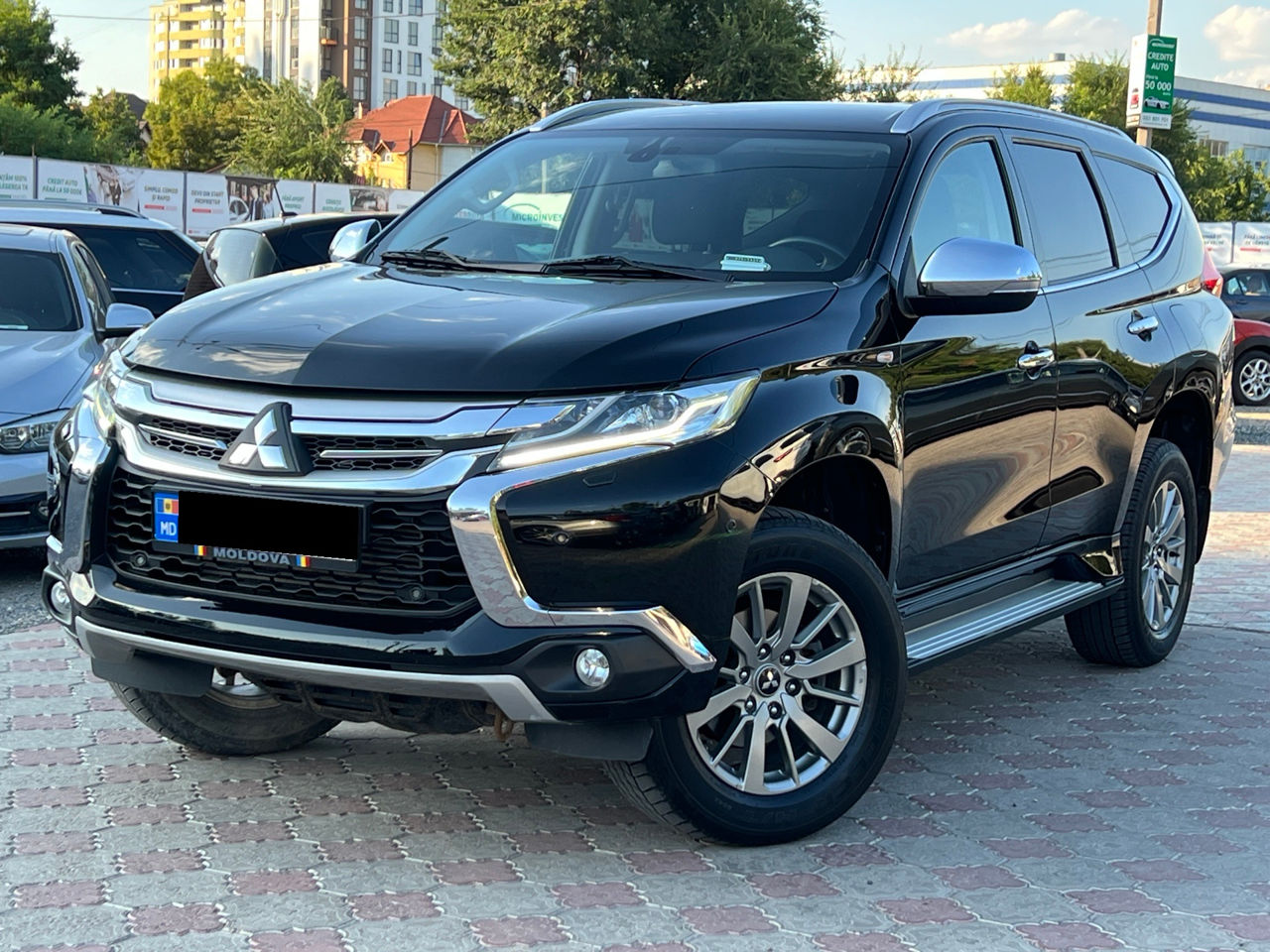
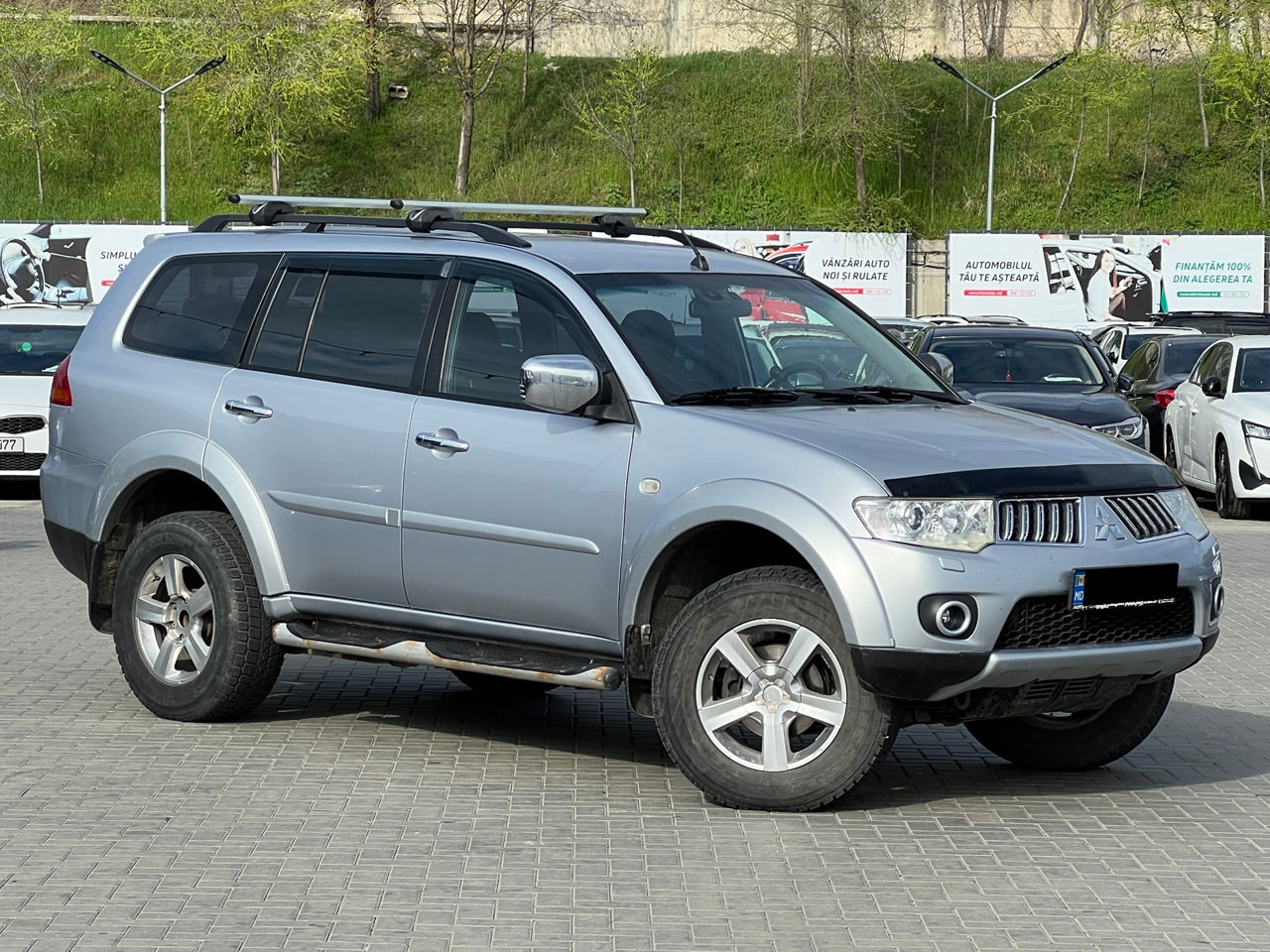
The Mitsubishi Pajero Sport stands out as a rugged yet comfortable SUV designed for families and adventures alike. If you’re considering purchasing this model, you’ll want to know about its generations, engine options, body styles, and how mileage and price shape your decision. This guide focuses on real-world buying and selling tips, helping you compare trims, evaluate condition, and choose the right Pajero Sport for your needs.
The Pajero Sport is a mid-size SUV available in different generations and configurations. Common choices include turbocharged diesel and gasoline engines, with four-wheel drive options aimed at off-road capability and on-road practicality. Body types typically feature a robust SUV silhouette with a practical interior, suitable for family duties, sport activities, and long trips. When you’re shopping in urban markets or regional hubs, factors like year, mileage, and price segment influence your options.
When you’re buying, start by listing priorities: city commuting versus weekend off-roading, passenger space, and your typical load. Look at year and mileage to estimate maintenance needs. A well-maintained example with a complete service history usually commands a steadier price. For those selling, highlight recent maintenance, tire condition, and any upgrades that improve drivability and safety.
Prices for the Pajero Sport vary by country, year, and mileage. A lower-mileage, late-generation model tends to sit at the higher end of the price spectrum within its segment, while older or higher-mileage examples offer more affordable entry points. When selling, setting a realistic price requires honest appraisal of the vehicle’s condition, service history, and any aftermarket enhancements.
If you’re deciding between trims or generations, map your priorities: cargo space, off-road capability, and daily comfort. The Pajero Sport’s blend of rugged performance with family-friendly practicality remains a strong selling point in many markets, making it a sensible choice for buyers who need a capable SUV without sacrificing everyday usability.
 Add as preferred sourceSee more from zvelta in Google Search Add as preferred source