 EN
ENDEALER
11.084 US$DEALER
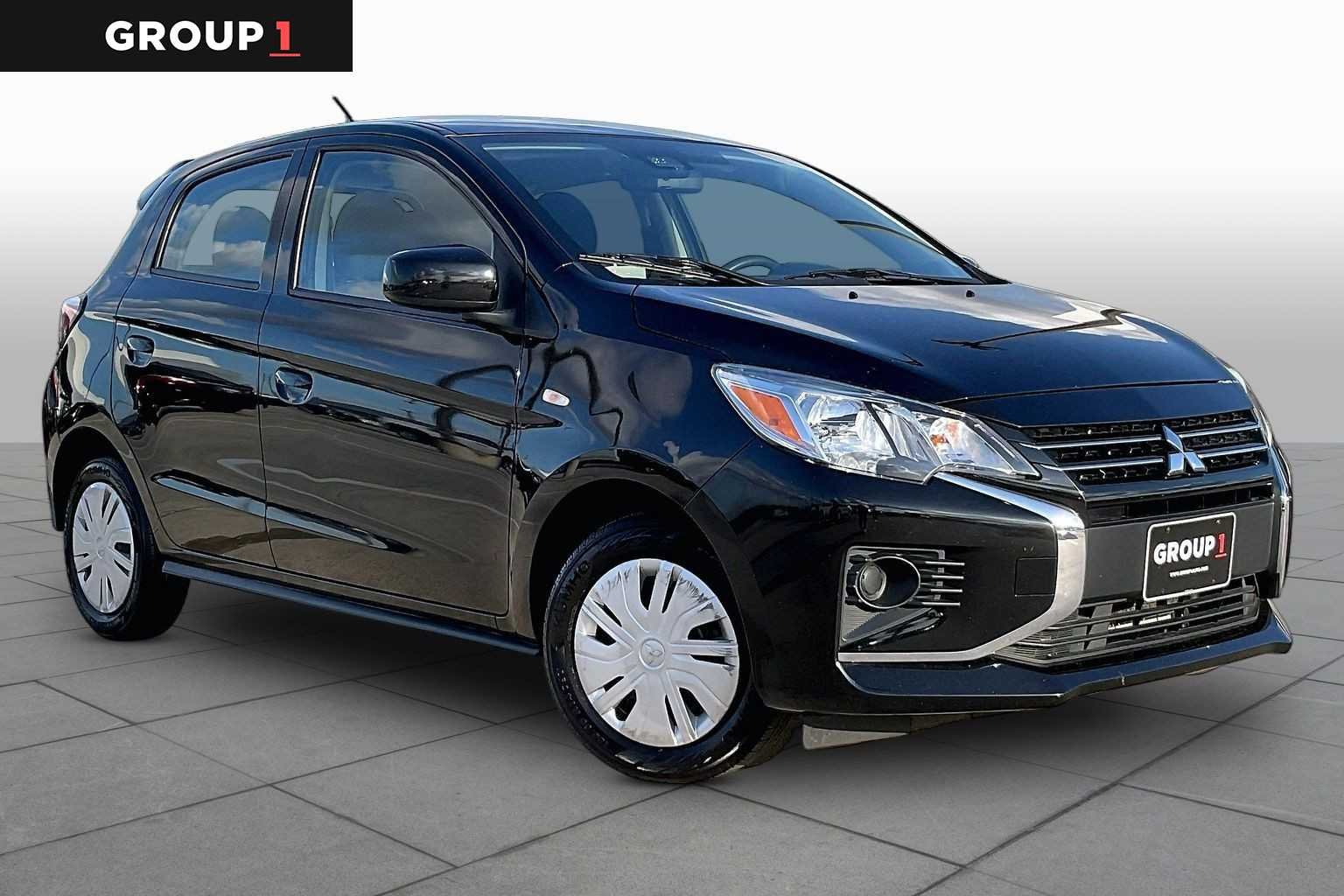
gasoline, automatic, 112K km, sedan, Front Wheels Drive, 1,200 cm3, 78 hp, red, Used condition, USA, In stock

Group1Auto.com
 Southwest, United States
 Southwest, United StatesChevrolet, United StatesShop Springs, United States
 Oakhurst, United StatesAdams Crossroads, United StatesAdams Crossroads, United StatesAdams Crossroads, United StatesAdams Crossroads, United States
 Jacksonville, United StatesJacksonville, United StatesShady Acres Trailer Park, United StatesShady Acres Trailer Park, United States
 United States
 United States
 United States
 United States
 United StatesCity of Grand Prairie, United StatesCity of Grand Prairie, United StatesCity of Grand Prairie, United StatesCity of Grand Prairie, United StatesCity of Grand Prairie, United StatesCypresswood Court, United StatesFreiheit, United StatesLas Vegas, United States
If you’re considering a compact car that blends efficiency with everyday practicality, the Mitsubishi Mirage is worth a closer look. This guide helps you understand what to expect when buying or selling a Mirage, with a focus on popular generation options, fuel choices, body styles, and real-world price ranges in different markets. Whether you’re eyeing the hatchback or looking for a reliable commuter, here are the essentials to help you make an informed decision.
The Mirage is a small, lightweight car known for its excellent fuel economy and easy maneuverability in urban settings. Common configurations include the 5-door hatchback body style and engines that prioritize efficiency over brute power. When shopping, consider generation differences, mileage expectations, and the balance between upfront price and ongoing maintenance costs. In many markets, you’ll find Mirage models from around the early decade up to recent used examples, with mileage varying based on wear and ownership history.
When you compare Mirages, structure your assessment around reliability, running costs, and resale value. Look at: mileage per year, maintenance records, service intervals, and whether the car has received necessary recalls or advisories. If you’re evaluating multiple years, create a side-by-side comparison of mileage, price, and notable features like updated infotainment or safety equipment.
If you’re putting a Mirage on the market, emphasize verifiable maintenance history, clean exterior and interior, and any recent improvements. Gather service receipts, proof of ownership, and a detailed list of recent replacements (tires, brakes, battery, spark plugs). Transparent documentation can boost buyer confidence and help you achieve a fair sale price. Additionally, highlighting fuel efficiency and practical city-use attributes can attract value-conscious buyers who prioritize economy over sportiness.
Buying or selling a Mitsubishi Mirage can be a straightforward process when you align expectations with the right market data. By understanding generation differences, choosing the right fuel option, and presenting a well-documented vehicle, you’ll be better positioned to negotiate and close a deal that reflects the car’s true value.
 Add as preferred sourceSee more from zvelta in Google Search Add as preferred source