 EN
ENDEALER
32.270 US$DEALER
33.170 US$
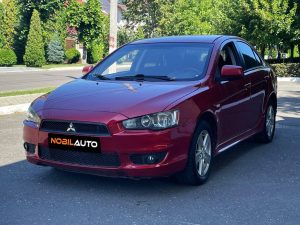
2015, manual, 119K km, sedan, red, Evolution GSR, Used condition, USA, In stock

PenskeAutomotive.com
 United States
 United States
 Moldova
 Moldova
 Ukraine
 UkraineUkraineUkraineUkraine, ZakarpattiaUkraineUkraineUkraineUkraine
 Tiraspol, MoldovaTiraspol, MoldovaTiraspol, Moldova
 Greece, Attica
 Kazakhstan
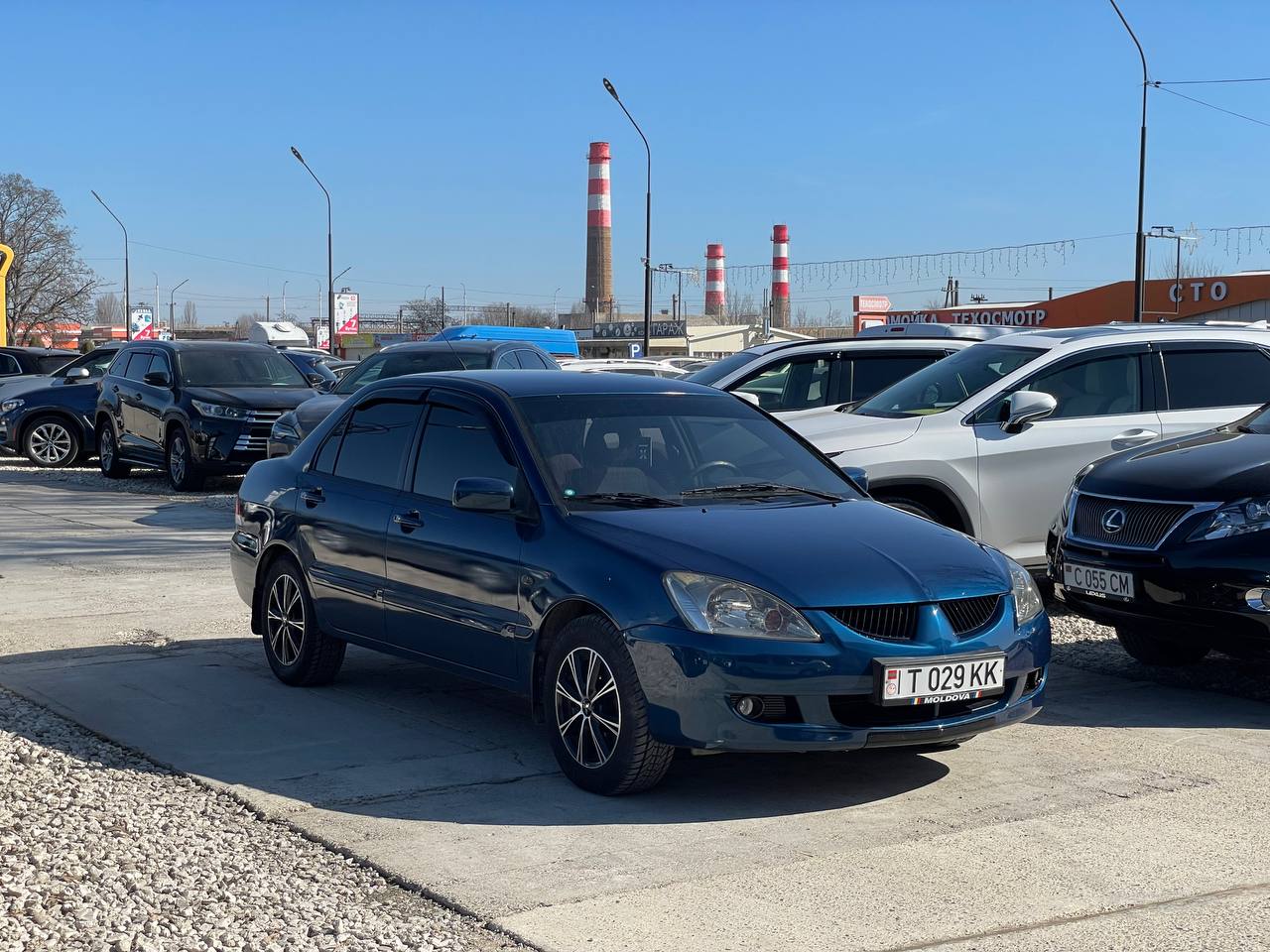
The Mitsubishi Lancer remains a benchmark for compact car enthusiasts who value a balanced blend of sportiness, practicality, and everyday usability. Whether you’re eyeing a classic generation or a newer model within a specific year range, understanding the key specs helps you make a smart decision. This guide focuses on Mitsubishi Lancer options, including different generations, fuels, body types, and typical price ranges in urban markets like major cities where buyers and sellers frequently connect.
The Lancer’s reputation centers on nimble handling, reliable mechanicals, and a sporty silhouette that remains appealing decades after its debut. If you plan to own or trade a Lancer, consider the most common configurations: sedan body type, manual or CVT transmissions, and engines that range from economical four-cylinders to more spirited turbocharged units in some generations. Pros include strong aftermarket support and easy availability of replacement parts, while cons may involve tighter rear space in older light-duty trims and the ever-present challenge of locating well-preserved examples in certain markets.
Prices vary by country and city, but in many markets you’ll find well-kept Lancers in the mid-range segments—affordable for enthusiasts and practical buyers alike. Turbo variants tend to command higher prices and stronger resale values, while base engines emphasize low running costs. When selling, highlight recent maintenance, replacement parts, and any notable upgrades to maximize appeal.
This guide helps you approach the Mitsubishi Lancer with a clear sense of generations, engines, and typical market dynamics so you can make informed decisions whether you are buying, comparing, or selling in your local area.
 Add as preferred sourceSee more from zvelta in Google Search Add as preferred source