 EN
ENDEALER

2017, diesel, manual, 77K km, Used condition, Europa, In stock, sale date 26.10.2026 08:15

CarOutlet.eu
 Spain
SpainAuction starts · 26 Oct, 08:15
Current bid€13,200
 Spain
Spain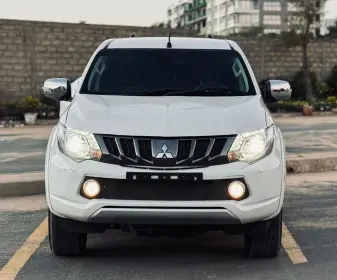

 Senegal
 Romania, Maramureş
 Municipiul Slatina, RomaniaMunicipiul Slatina, RomaniaMunicipiul Slatina, RomaniaMunicipiul Slatina, Romania
 Chisinau, Moldova
 Lvivskyi Raion, Ukraine
 Greece, AtticaGreece, Attica
When you start shopping for a Mitsubishi L200, you’re aiming for a reliable workhorse that blends cargo practicality with everyday usability. The L200 is a compact pickup known for its durability, comfortable cabin, and capable performance in a range of conditions. Whether you’re in a big city or a rural area, understanding the key factors—generation, fuel type, body style, year, mileage, and price segment—helps you make a confident choice.
The L200 has evolved through several generations, each with its own strengths. If you’re after modern convenience, look for models with updated infotainment, improved suspension, and stronger engines. Common body styles include double cab and king cab, both offering practical cargo space and seating for work crews or family use. Important buying considerations include:
For work and family errands, the L200’s compact footprint and robust build offer versatile use. In urban scenarios, the pickup’s maneuverability is a plus, and the cargo bed adapts to tools, equipment, or outdoor gear. In rural or construction settings, 4x4 capability, high ground clearance, and towing potential become decisive advantages. When evaluating options, compare on:
When you inspect listings, pay attention to the model generation, engine type, and mileage. Ask for maintenance records, proof of service, and the condition of the bed and payload capacity. Useful negotiation points include:
If you’re buying in large markets or regional hubs, you’ll likely find several Mitsubishi L200 options across different price segments. Whether you’re prioritizing budget, mid-range, or premium configurations, a careful comparison helps you balance upfront cost with long-term reliability and resale potential.
 Add as preferred sourceSee more from zvelta in Google Search Add as preferred source


