
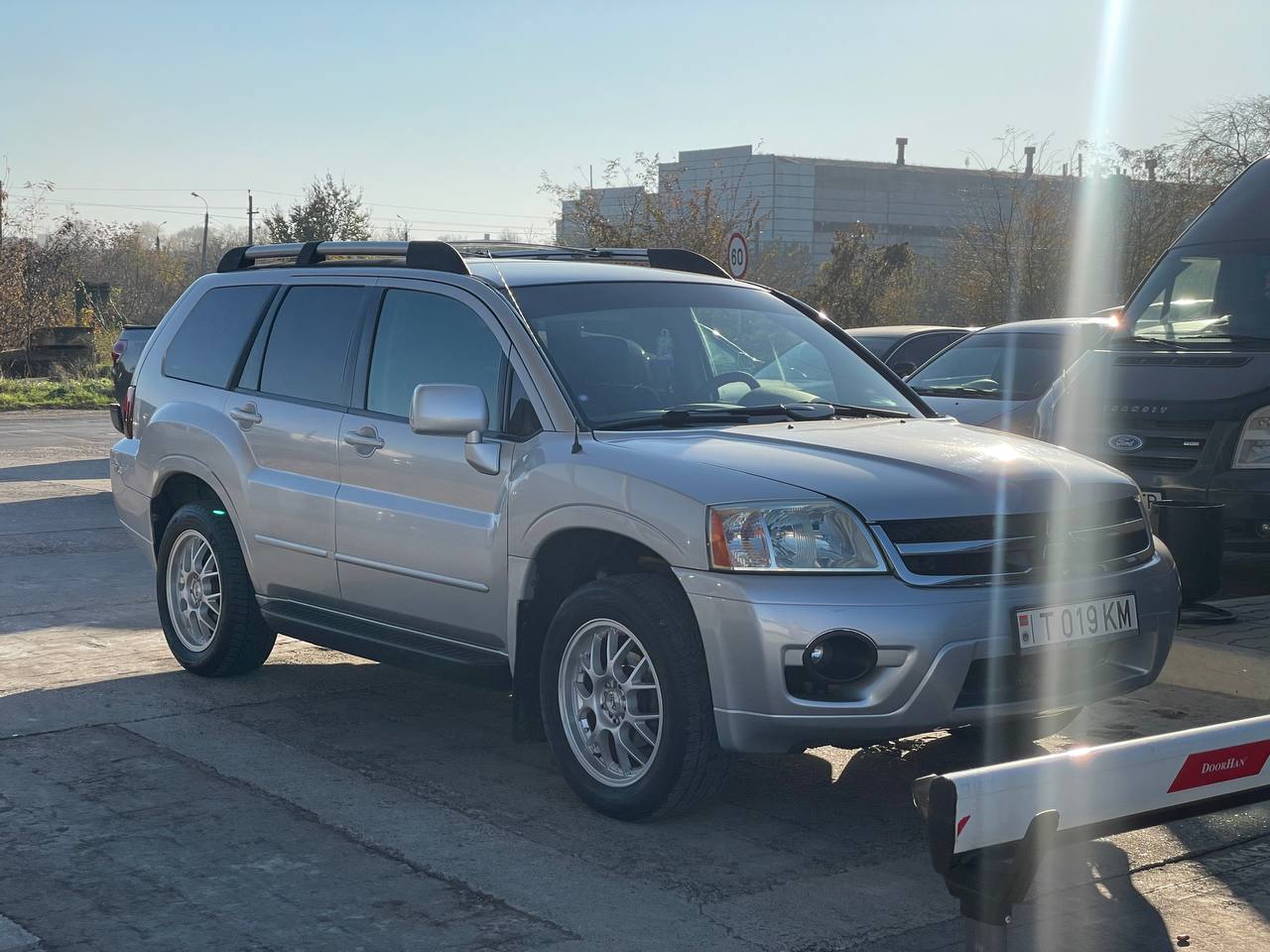

If you’re in the market for a Mitsubishi Endeavor, you’ll want a clear picture of what to expect at different generations, trims, and configurations. This mid-size SUV blends practicality with a reliable family-friendly design, and understanding its evolution helps you decide whether to buy used or sell your own model. Here we cover key aspects like generations, common engines, body types, regional pricing, and practical tips for negotiating value in markets where the Endeavor is available.
Generations, engines and body styles
The Endeavor spans several generations, each bringing design updates and new engines. Early models leaned on straightforward V6 power and roomy interiors, while later versions offered refined transmissions and improved fuel efficiency. Most Endeavors you’ll encounter are built as 5-door SUVs with options that include all-wheel drive and varying trim levels. When shopping, check the engine type (for example, V6 versus newer efficient options), transmission, and whether your preferred configuration includes third-row seating or extra cargo space.
Common engine and fuel choices
- V6 gasoline engines for robust acceleration and smoother highway cruising
- Early diesel or alternative-fuel variants were rare, so gasoline remains the standard in most markets
- Transmission options typically include automatic gearing with good shift feel in mid-range models For longevity, inspect the intake manifold, timing belt/chain service intervals, and the condition of the radiator and cooling system. Mileage will influence price across generations, with higher-mileage examples generally priced lower but requiring closer maintenance scrutiny.
Buying, selling, and price expectations by market
Prices for Mitsubishi Endeavor models depend on year, mileage, condition, and location. In many regions, a 6–12 year-old Endeavor with moderate mileage can offer solid value, while newer units with low mileage command premium pricing. When evaluating, compare:
- Year and generation to confirm feature availability and resale value
- Mileage and service history, including timing belt/chain replacements and major repairs
- Trim level, interior condition, and added equipment such as navigation, leather seats, and advanced safety packs
- Body condition, especially for aging paint, rust, and undercarriage wear If you plan to sell, prepare a transparent history: accident records, service receipts, and any after-market enhancements. A well-documented history often raises buyer confidence and can lead to a smoother sale.
Practical tips for buyers and sellers
- Research local market prices for the specific year and generation you want; compare with similar SUVs in the same segment
- Have a trusted mechanic inspect the vehicle before purchase to identify hidden issues
- Take a thorough test drive: listen for unusual engine noises, check transmission shifts, and verify HVAC comfort in both hot and cold conditions
- For sellers, present a clean, well-maintained vehicle, provide service records, and consider minor cosmetic improvements to improve perceived value
Quick checklist for your Envy Endevor listing or purchase inquiry
- Confirm brand: Mitsubishi; model: Endeavor; generation and year
- Body type: 5-door SUV, with or without third-row seating
- Engine and fuel: gasoline V6 typically, confirm the exact engine code
- Mileage, maintenance history, and recent major services
- Location: city and country influence price brackets and downtime on the market
- Set a realistic price range based on comparable listings in your region and the vehicle’s condition