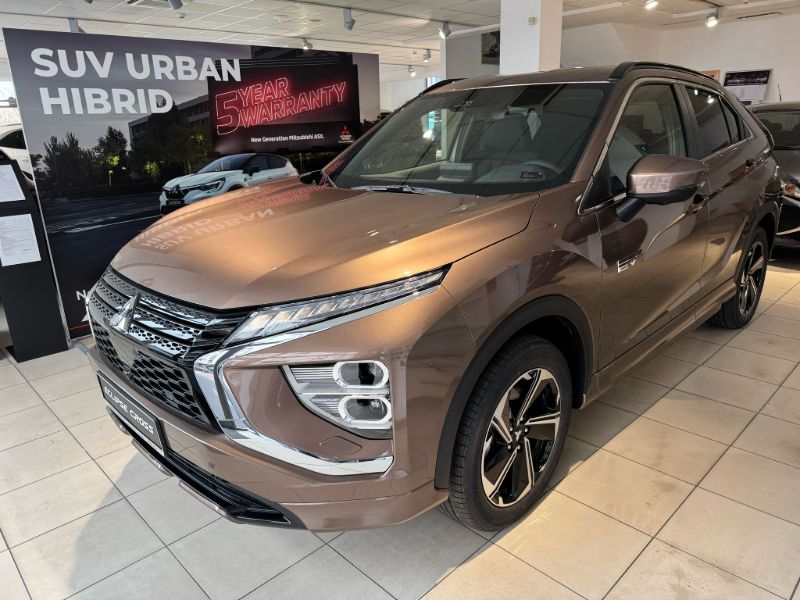

The Mitsubishi Eclipse has long attracted drivers who value a sporty silhouette combined with practical daily usability. If you’re looking to buy, sell, or simply compare generations of the Eclipse, understanding the key details helps you make a smarter decision. Below we cover what matters most for buyers and sellers in typical markets where this model appears, and how to navigate choices like fuel type, body style, year, mileage, and price segments.
Key considerations for buying a Mitsubishi Eclipse
When you search for a Mitsubishi Eclipse, you’ll encounter different generations, each with its own quirks. Common questions include: which engine offers the best balance of performance and fuel economy, how the ride comfort compares across body styles, and what the typical price range is for your preferred year and mileage. Most buyers focus on:
- Brand and model: Mitsubishi Eclipse, generation details, and notable updates across releases.
- Fuel type and engine: petrol vs possible turbo options, horsepower ranges, and maintenance needs.
- Body type: coupe or hatch variants, which influence practicality and resale value.
- Year and mileage: earlier generations may pair lower purchase prices with higher potential maintenance costs; later models often bring better reliability but at a higher upfront cost.
- Price segment: understand what you should expect to pay in your country and city, and how mileage affects value.
Set your priorities before negotiating. If you’re in a city with a strong enthusiast community, you may find more options for sportier trims and well-kept examples. If reliability and lower running costs are your main goals, compare maintenance histories and common issues across generations.
How to compare Mitsubishi Eclipse models before you buy
A good comparison approach includes:
- Generation and year: identify the exact generation you’re considering and compare the updates that came with each facelift or redesign.
- Mileage and condition: a lower mileage vehicle with clean service records often presents a better value than a higher mileage example with fewer details.
- Fuel and performance: look at fuel economy numbers, turbo options, and how they align with your driving needs.
- Price and ownership costs: factor insurance, taxes, and potential repair costs into the total ownership price.
- Resale value: some generations retain value better due to demand among collectors and enthusiasts.
When you’re finalizing a choice, request a full service history, a test drive, and a pre-purchase inspection from a qualified mechanic. This helps uncover potential issues with the engine, transmission, or suspension that could influence overall ownership costs.
Selling your Mitsubishi Eclipse with confidence
If you’re selling, present a clear, honest snapshot of the car’s condition and history. Potential buyers care about:
- Documentation: service records, title status, and any accident history.
- Original parts and updates: proof of parts used for maintenance, especially if you’ve addressed turbo or喷 issues in higher-performance models.
- Condition and mileage: be transparent about cosmetic and mechanical state, and provide a recent inspection report if possible.
- Market positioning: highlight the most desirable configurations for your region, including fuel type and trim levels that buyers tend to prioritize.
A well-structured listing with high-quality photos, a concise description of features, and a transparent mileage figure can attract more serious inquiries and help you secure a favorable price in your country or city.
If you’re curious about specific price ranges or availability in your area, you’ll want to compare local listings for Mitsubishi Eclipse by year, mileage, and condition. This gives you a realistic sense of what buyers are paying and what sellers are asking, enabling you to negotiate from a position of knowledge.