EN
ENDEALER

16.947 US$DEALER
17.301 US$
2020, gasoline, manual, 125K km, SUV, Front Wheels Drive, 1,998 cm3, 150 hp, white, Used condition, Japan, left steering wheel

plichta.com.pl
 Cisowa, Poland
 Cisowa, Poland
 Lasnamäe linnaosa, Estonia
 Estonia, Harjumaa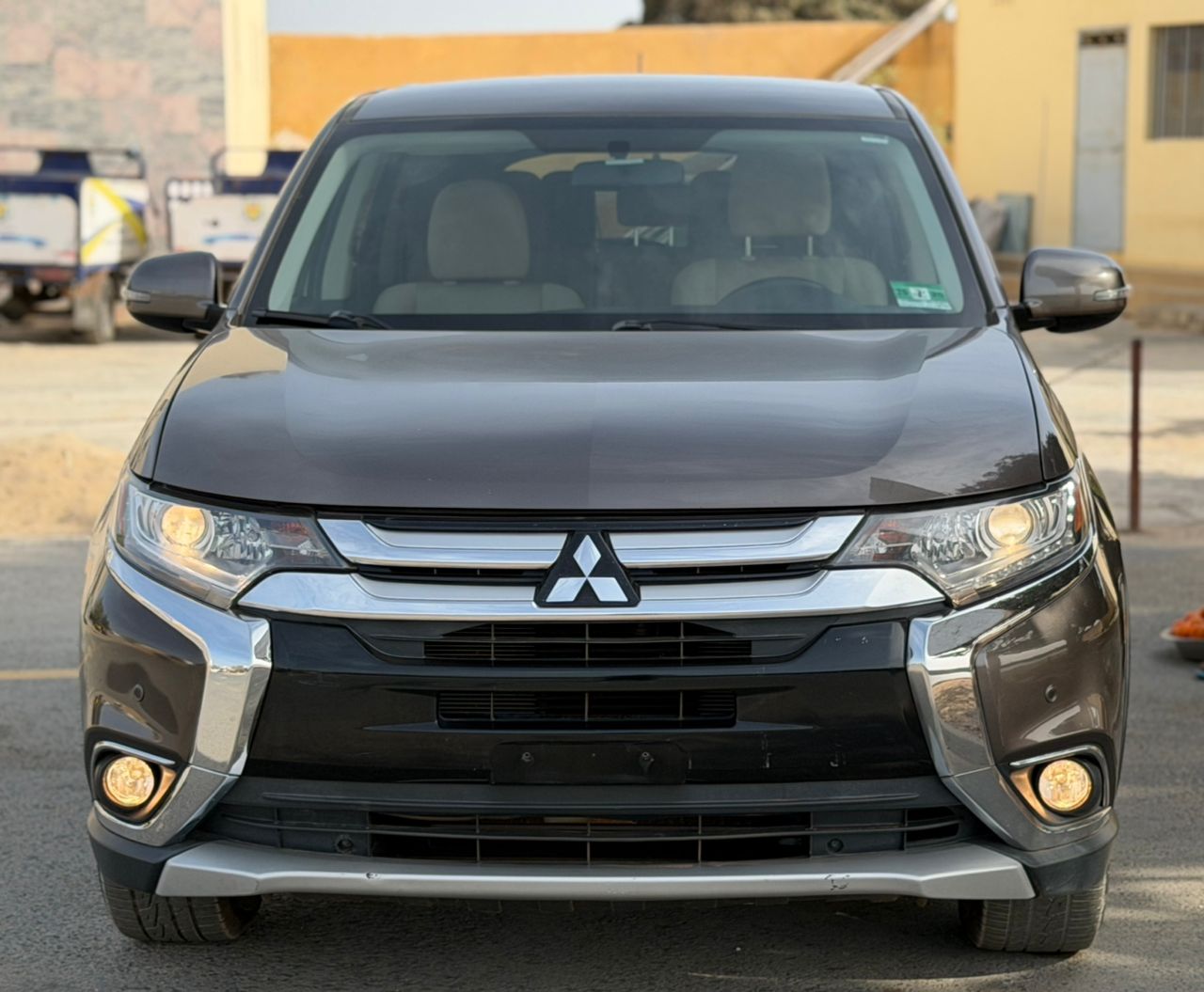

 Mérina Dakar, Senegal
 Miškiniai, Lithuania
 Poland, Lesser Poland
 Marghita, Romania
 Romania, Bihor CountyRomania, Timiș CountyRomania, Timiș County
 Lazu Baciului, Romania
 Romania, Maramureş
 Romania, Cluj County
 Romania, Cluj County
 Romania, Mureș CountyRomania, Mureș CountyRomania, Mureș CountyRomania, Mureș County
 Romania, SuceavaRomania, SuceavaRomania, SuceavaRomania, Sibiu County
 Sofiyivska Borschagivka, Ukraine
 Romania
 Romania
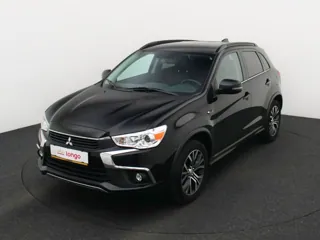
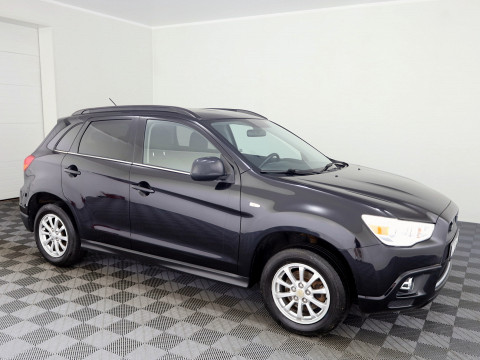
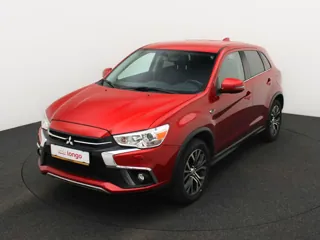
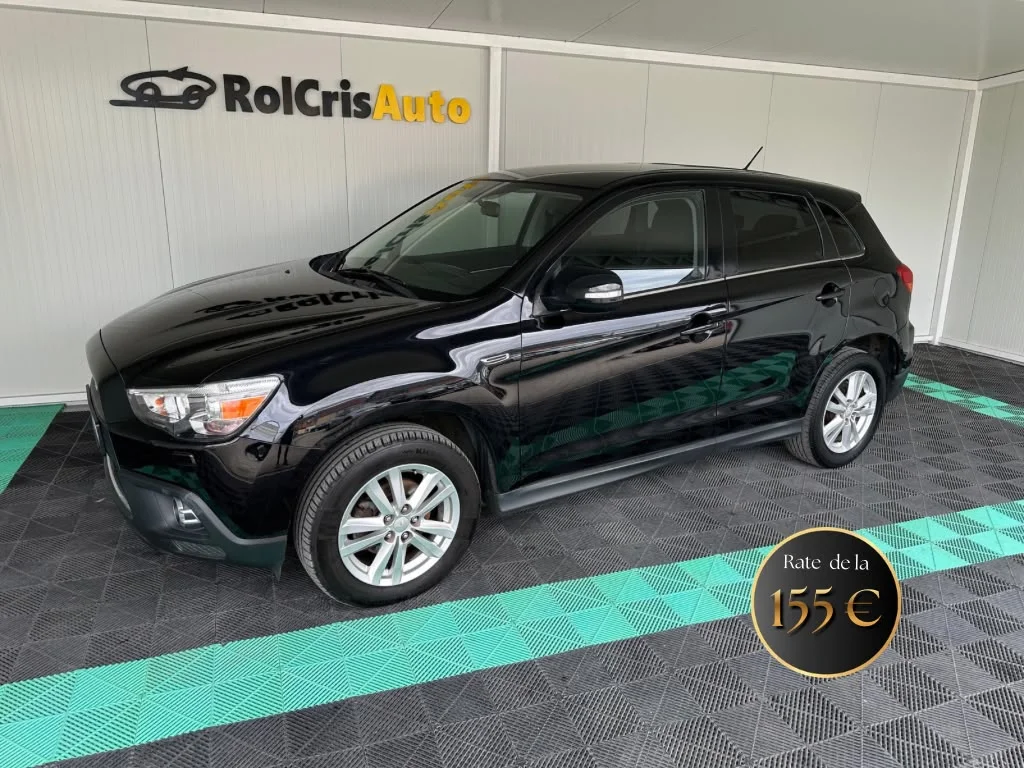
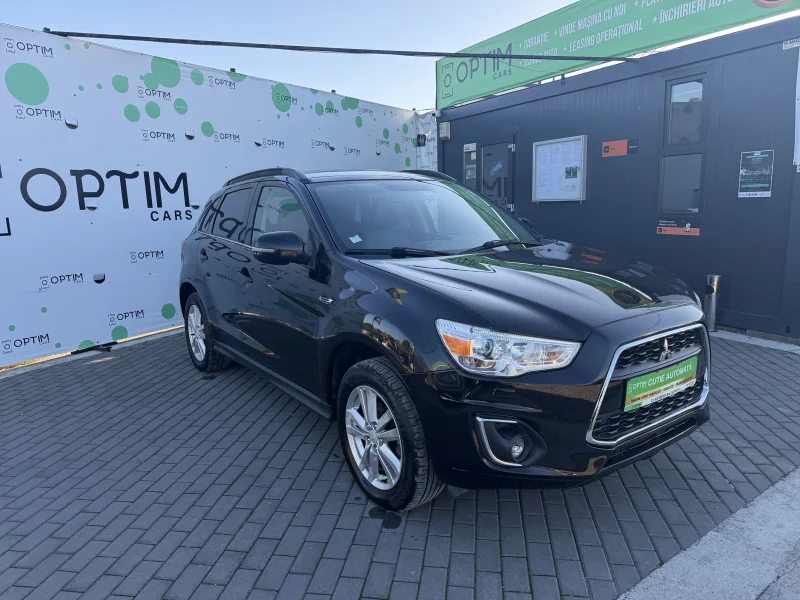
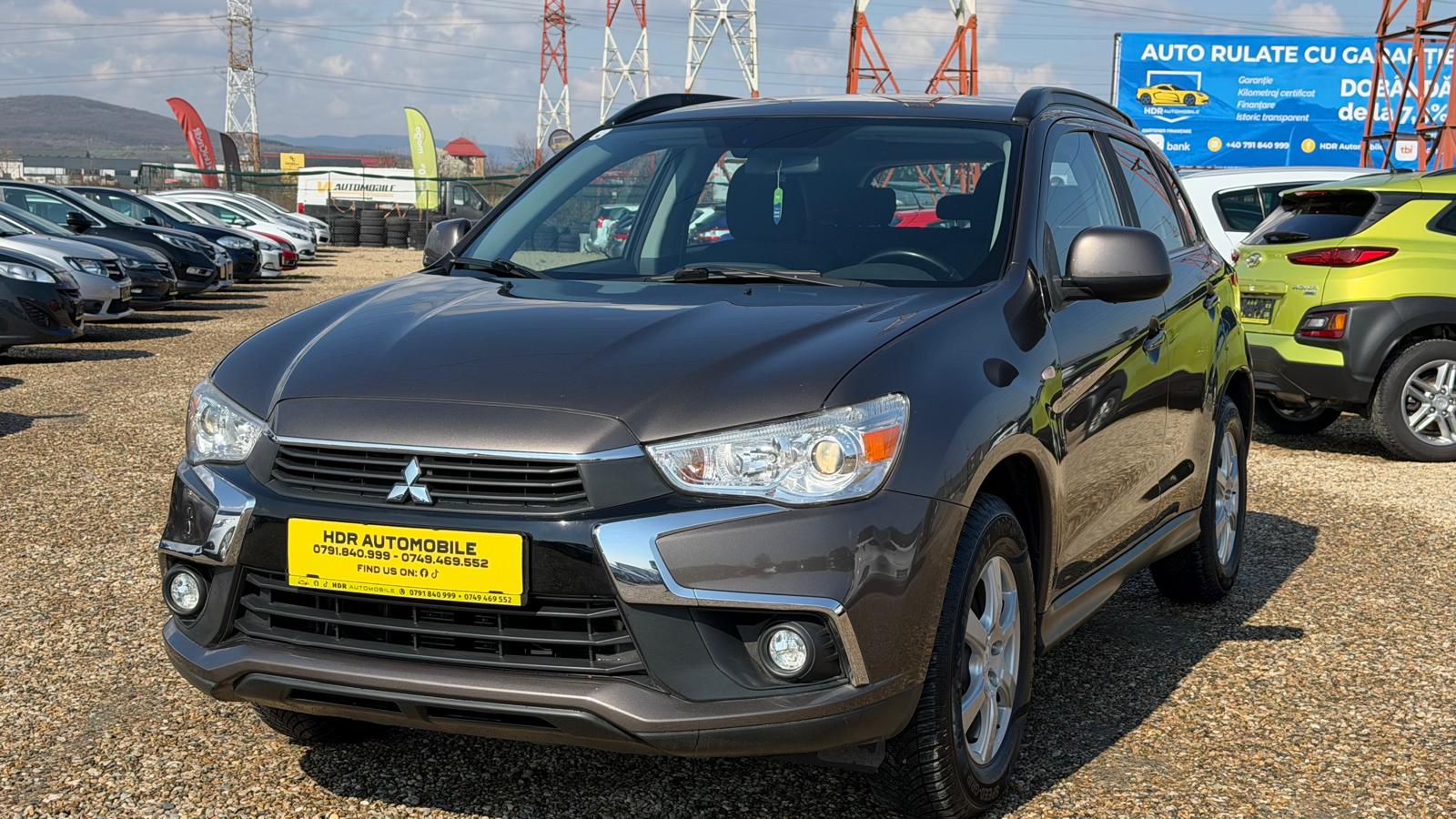
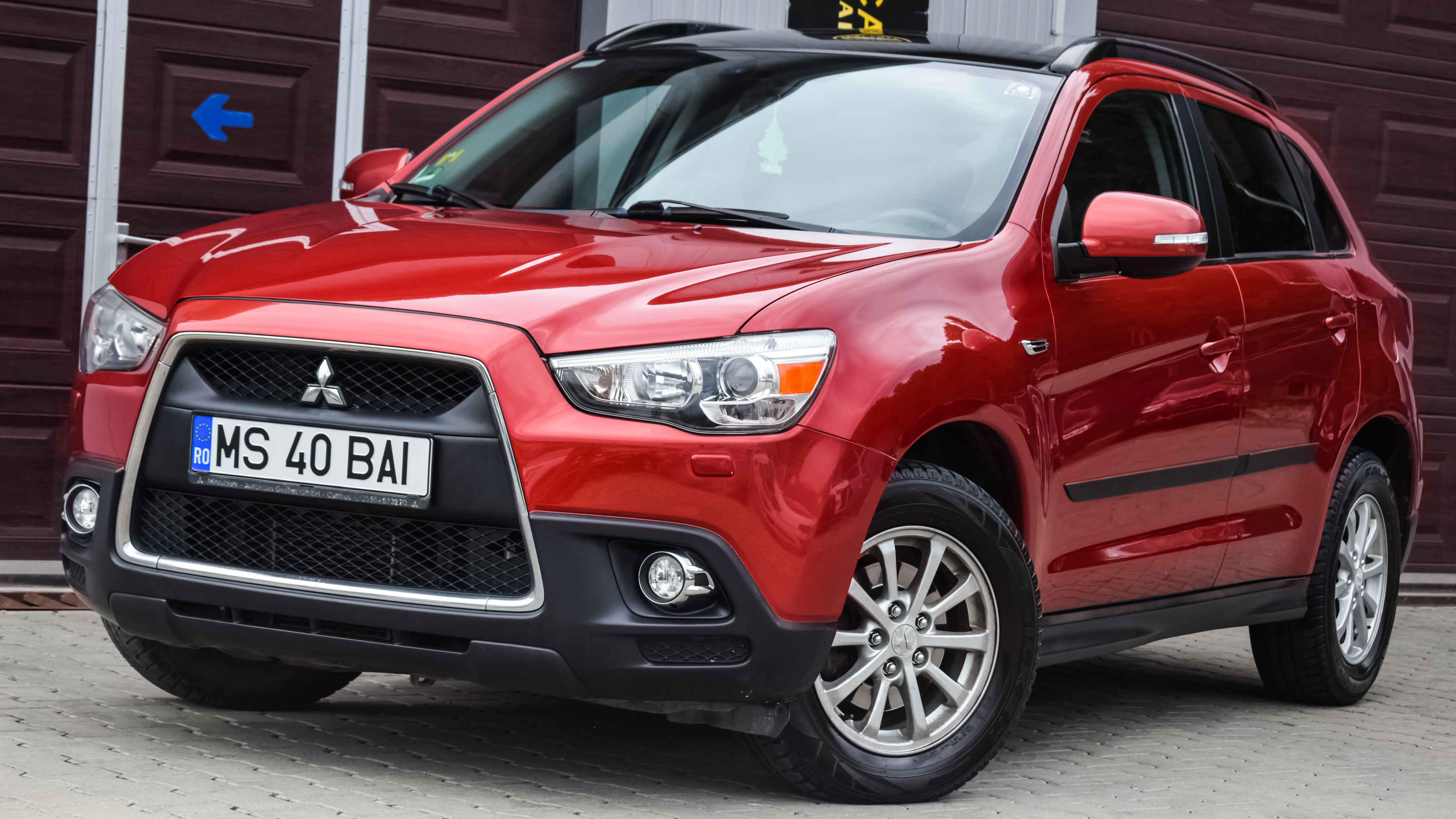
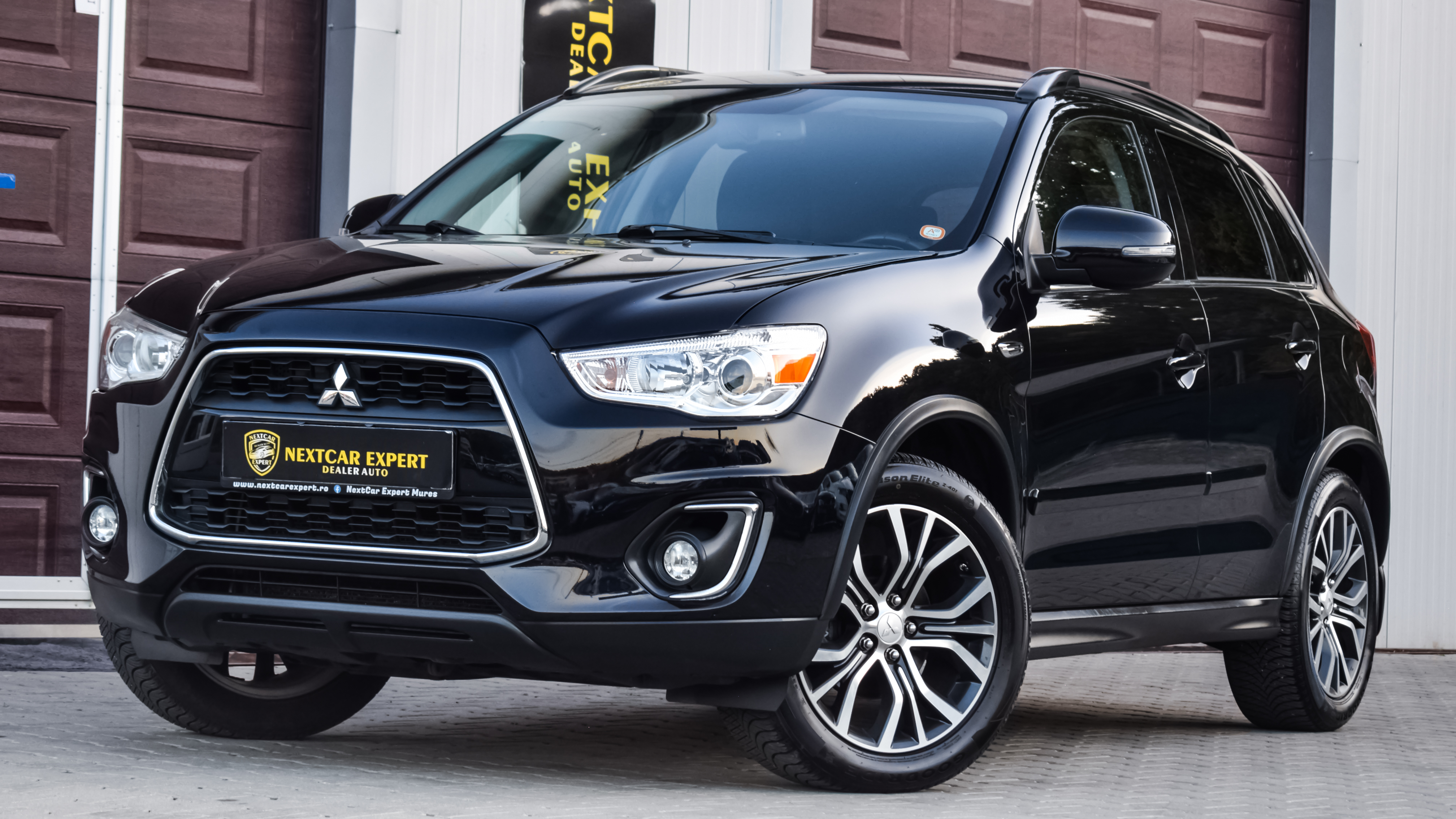
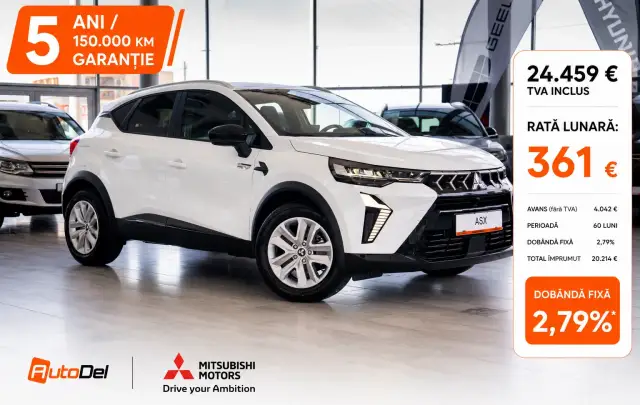
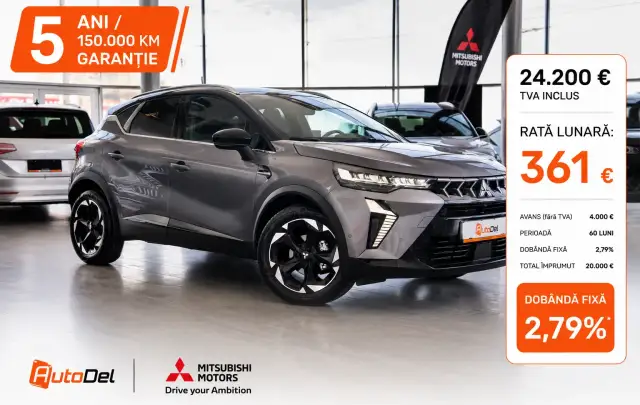
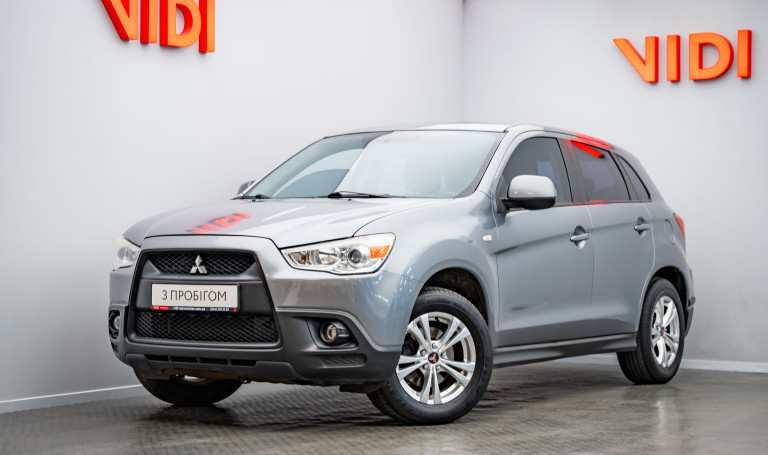
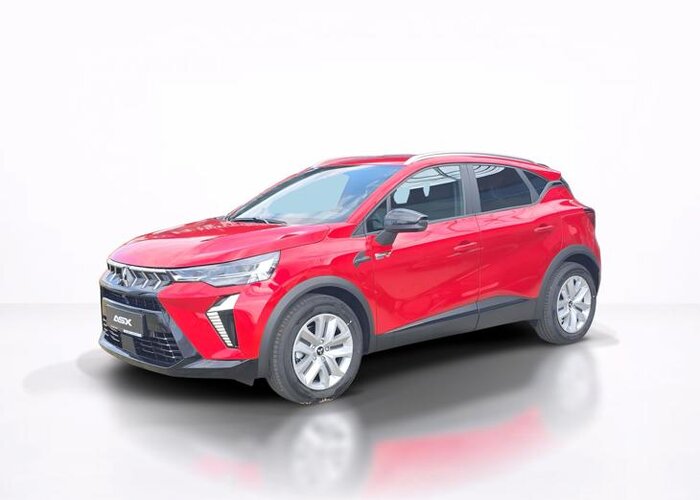
The Mitsubishi ASX stands out as a compact SUV that blends practical space with everyday usability. If you’re considering purchasing or selling one, understanding the key details helps you navigate the market with confidence. This guide covers model generations, common configurations, engine choices, body styles, and how to evaluate price ranges in different regions. Whether you’re in a bustling city or a quieter suburb, knowing what to look for can save time and money.
When evaluating a Mitsubishi ASX, pay attention to the year, mileage, and service history. A well-maintained example with lower mileage usually commands a higher price and offers fewer surprises after purchase. Consider the following factors:
The ASX has evolved through several generations, each bringing updated styling and improvements in comfort and efficiency. When choosing a configuration, consider:
Typical buyers often weigh these questions:
To determine the right price and terms, start with a realistic assessment of your local market in the city you’re in. If you’re buying, set a budget based on the total cost of ownership, including insurance, taxes, and potential maintenance. If you’re selling, stage the vehicle to highlight recent maintenance, clean papers, and any upgrades. In both cases, a well-documented history and a clean vehicle inspection score boost buyer confidence.
In summary, the Mitsubishi ASX can be a solid choice for city living and weekend getaways, especially when you pick a well-maintained example with a sensible mileage profile. Whether you’re aiming to buy or sell, understanding the model’s generations, engine options, and market price nuances will help you arrive at a fair deal.
 Add as preferred sourceSee more from zvelta in Google Search Add as preferred source