EN
EN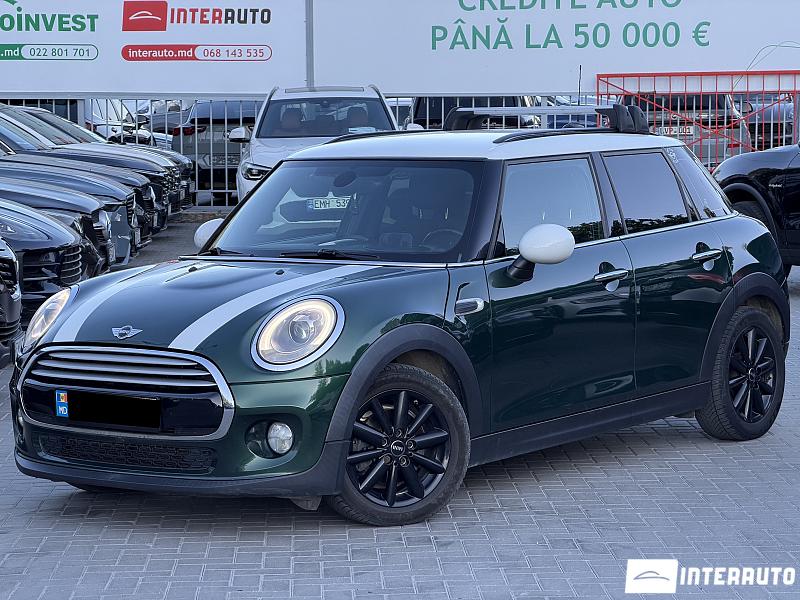
9.523 US$
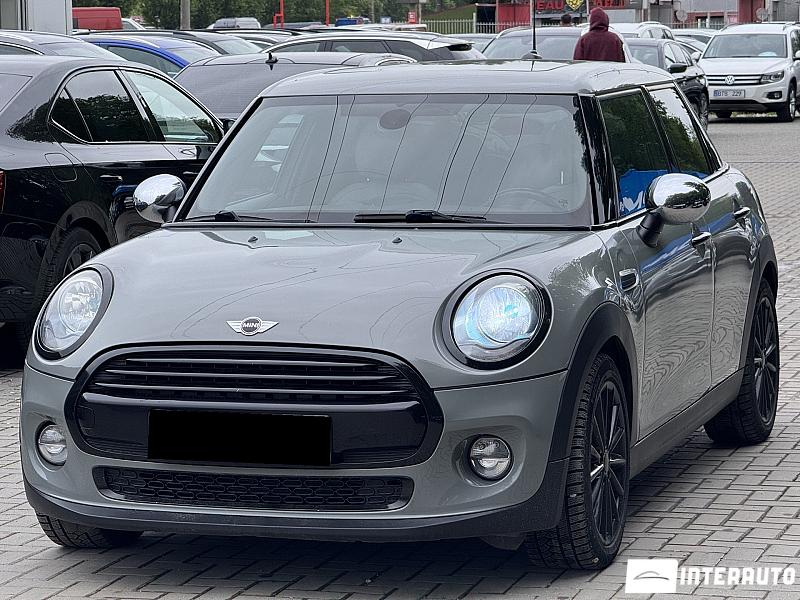
2015, diesel, manual, 227K km, hatchback, Front Wheels Drive, 1,500 cm3, 116 hp, green, clasa cooper, Europa

InterAuto.md
 Moldova
 MoldovaMoldova, Chișinău Municipality
 Chisinau, Moldova
 Ukraine
 UkraineUkraine
The MINI Paceman blends compact hatch practicality with a sporty crossover vibe, making it a popular choice for urban drivers who crave a touch of flair. If you’re considering a used or new Paceman, you’ll want to understand the main generations, typical engine options, body styles, and what affects price and reliability. This article focuses on helping buyers in different cities choose the right Paceman configuration, whether you’re financing, trading in, or selling your current car.
When you search for a Paceman, the most important details are the generation, year, mileage, and trim level. The model you choose can influence handling, fuel economy, and insurance costs. Common questions include which engine to pick, how different body styles affect interior space, and what features come with higher price segments. A typical Paceman from a recent generation offers turbocharged petrol engines, compact dimensions, and a hatchback silhouette that suits city parking.
To make a smart choice, gather several offers and consider total ownership costs beyond the sticker price. Look at service history, recent maintenance, and any upcoming scheduled work. If you’re selling a car, highlight recent repairs, tire condition, brakes, and any added features that boost value. For buyers, create a short list of must-have features (navigation, heated seats, alloy wheels) and nice-to-have upgrades (premium audio, panoramic sunroof).
If you’re in a city with a MINI dealer network, test drive a Paceman with the configuration you intend to buy. Prepare a brief list of questions about warranty, replacement parts, and residual value. When negotiating, emphasize the car’s mileage, service history, and any added features that matter to you. If you’re selling, stage the car for photos and be transparent about its history to attract serious buyers.
Whether you’re comparing different trims within the same generation or weighing older models against newer ones, a clear understanding of the Paceman’s strengths and trade-offs will help you arrive at a confident decision. With careful research and practical inspection, you can find a MINI Paceman that matches your city lifestyle and budget.
 Add as preferred sourceSee more from zvelta in Google Search Add as preferred source