 EN
ENDEALER

39.528 US$DEALER
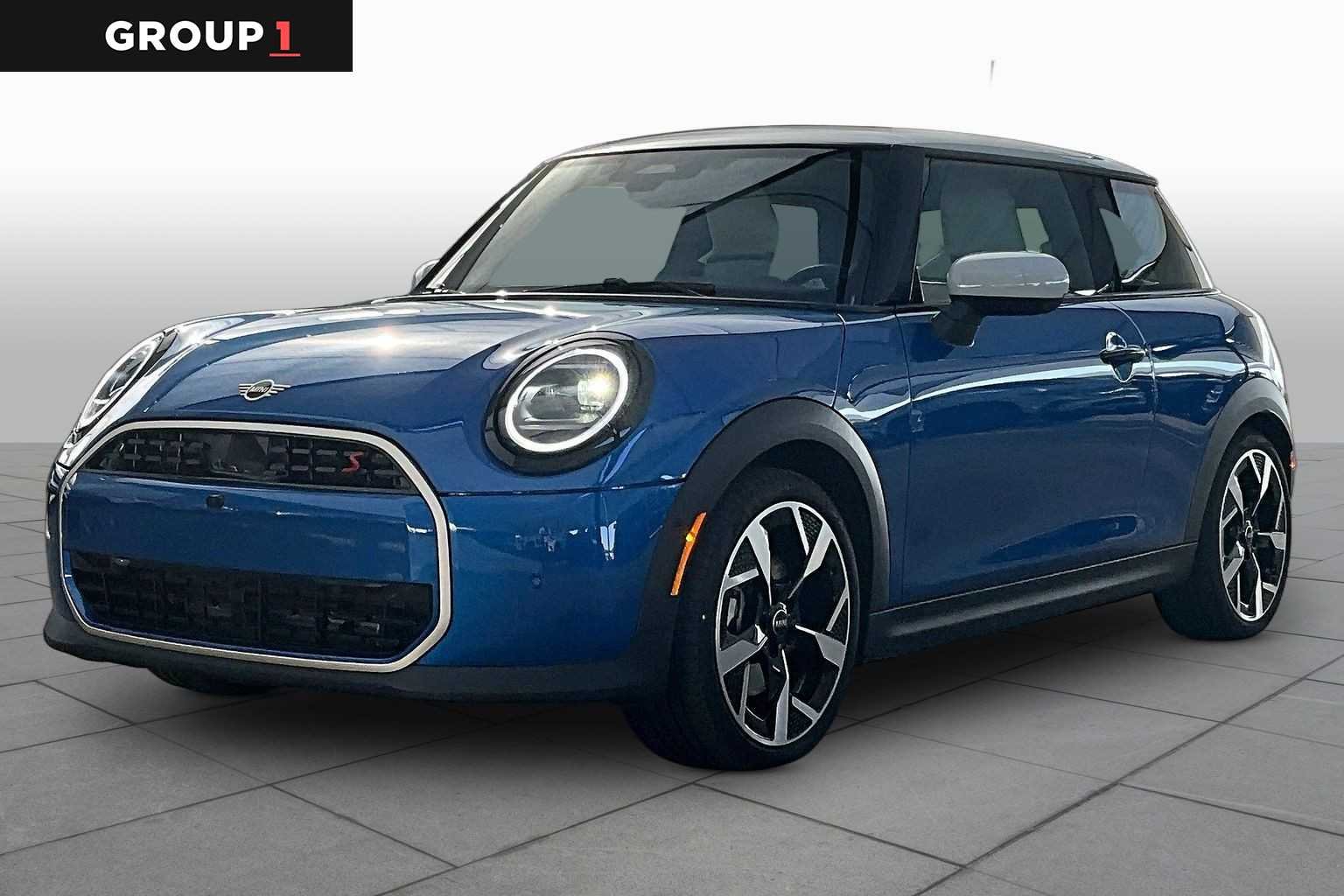
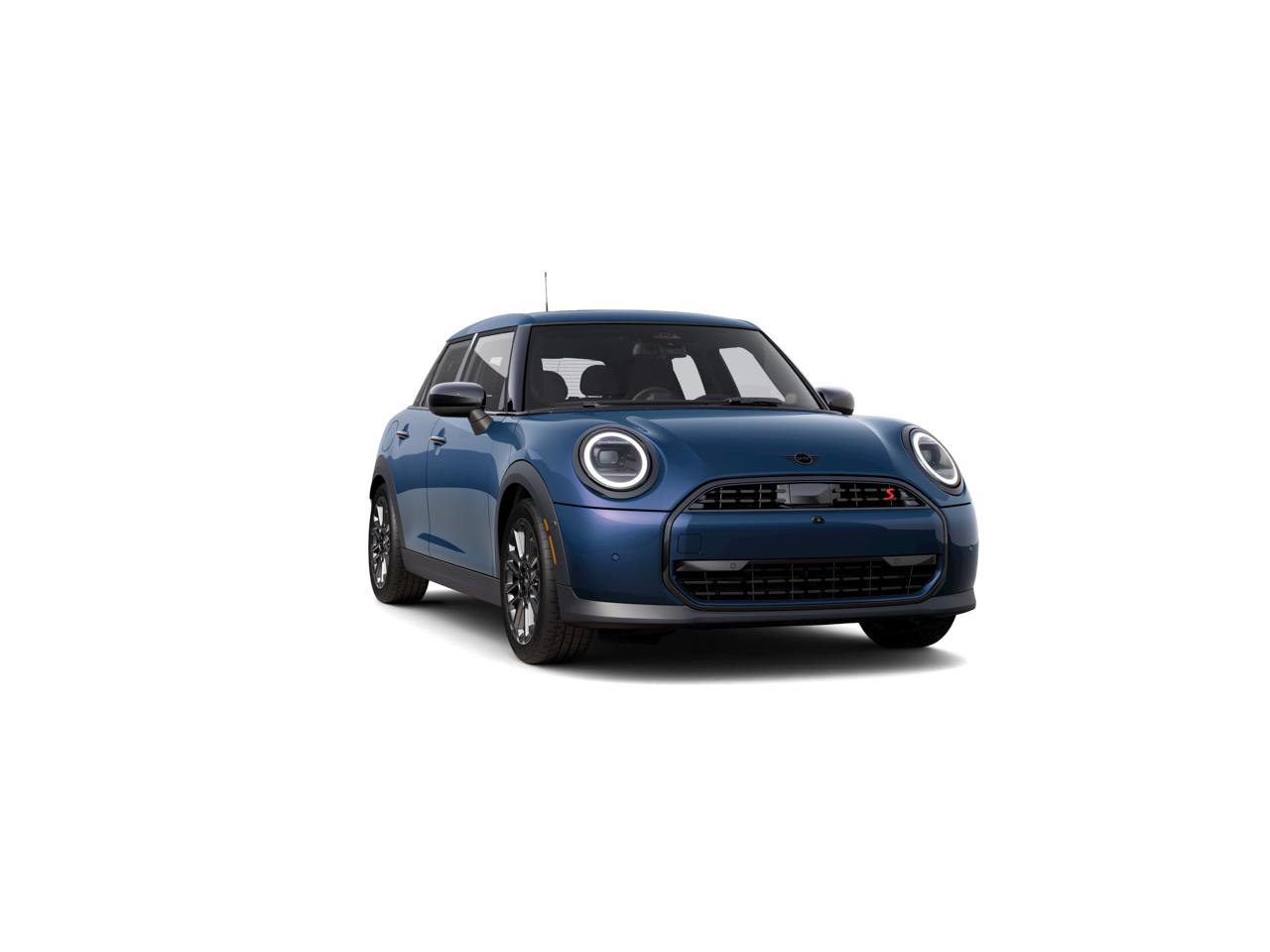
gasoline, automatic, hatchback, Front Wheels Drive, 2,000 cm3, 201 hp, Cooper S, New condition, In stock

HendrickCars.com
 Buford, United States
 Buford, United StatesBuford, United StatesBuford, United StatesBuford, United StatesBuford, United StatesBuford, United StatesBuford, United StatesBuford, United StatesBuford, United StatesBuford, United StatesBuford, United StatesBuford, United StatesBuford, United StatesBuford, United StatesBuford, United StatesBuford, United StatesBuford, United StatesBuford, United States
 Georgetown, United StatesBrentwood, United StatesBrentwood, United StatesBrentwood, United StatesBrentwood, United StatesBrentwood, United StatesBrentwood, United States
MINI Hatchbacks have long been a staple for drivers who want a compact car with stylish design and agile handling. If you’re considering a MINI Hatch, you’ll want to weigh factors such as generation, engine options, body style and the city or country where you plan to drive. This guide covers what buyers and sellers typically look for in MINI Hatch models, focusing on Hatch configurations that blend practicality with MINI’s signature driving experience.
MINI Hatch offers a classic compact footprint, easy parking, and a premium interior. For urban buyers, the Hatch’s short wheelbase and tight turning radius make it a convenient option in cities across many countries. When comparing generations, consider fuel choices—petrol or hybrid—plus transmission type and interior space. Buyers often ask about reliability, maintenance costs, and the best year-to-year improvements for the Hatch model line.
Whether you’re buying or selling a MINI Hatch, understanding the model generation, engine choice, body style, and mileage helps you make an informed decision. The Hatch’s compact footprint and premium feel remain appealing for city driving and everyday versatility, with price and condition shaped by the year, mileage, and service history.
 Add as preferred sourceSee more from zvelta in Google Search Add as preferred source