 EN
DEALER
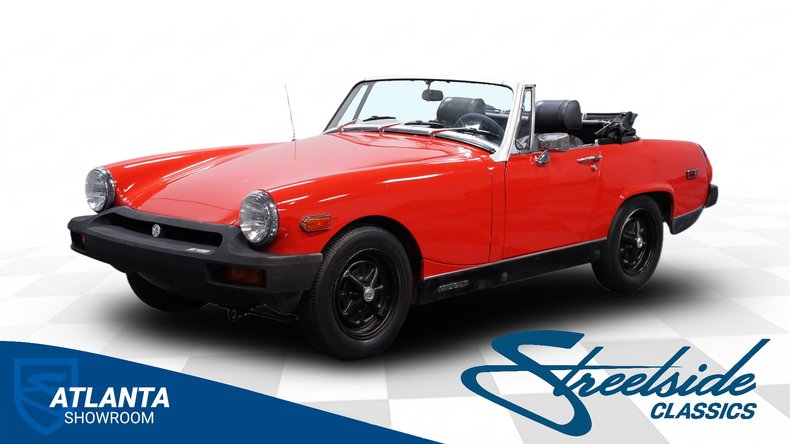
8.995 US$DEALER
9.995 US$
MG: Midget, 1975, manual, 125K km, 1,492 cm3, 1492 cc-1.5Litre

StreetSideClassics.com
 United States
 United States
If you’re in the market for a classic that’s light, nimble, and distinctly vintage, the MG Midget offers an approachable entry point into British sports car history. Whether you’re in a bustling city or a quieter town, understanding the key factors that affect value and how to evaluate a potential purchase will save you time and money. This guide covers what buyers and sellers should consider when dealing with MG Midget models, including generation differences, engine choices, body styles, mileage expectations, and typical price ranges.
The MG Midget was produced by MG under the British motor company umbrella with several notable generations. Common engines include small-displacement four-cylinders and, in some variants, different carburetor setups that influence performance and reliability. When shopping, you’ll likely see terms related to the Mk I, Mk II, and Mk III, each with its own distinct body panels, interior touches, and chrome details. Fuel choice matters: classic carbureted engines tend to be simpler to work on for hobbyists, while later or more refined variants may offer better drivability but at a premium.
When comparing models, assess how the car was used historically. A low-mileage example that has lived in a dry climate or under cover can be preferable to a high-mileage car that has seen regular wet weather. Pay attention to the condition of the chassis, floorpans, and wheel arches, as corrosion is a common concern on older classics. If you’re considering a restoration project, factor in parts availability for your chosen generation and the time it will take to source authentic components.
If you’re ready to sell, prepare the car by addressing obvious issues and presenting a clean, detailed description. Good photos taken in daylight that show the chrome trim, wheels, and undercarriage can significantly impact buyer interest. Highlight key details that collectors care about, such as originality, matching numbers, and any documented restoration work. A reasonable asking price that reflects the car’s condition and market demand in your country and city will attract serious inquiries. Consider offering a recent inspection report or a documented maintenance log to build buyer trust.
Local market dynamics affect availability and pricing. In regions with a strong classic car community, you may find better access to parts and a network of specialists who understand MG Midget quirks. If you’re buying across city lines, factor in transport costs, import rules if applicable, and the potential need for easier resale later. Whether your goal is a weekend joyride, a concours-ready restoration, or a practical collector car, an MG Midget can be a rewarding choice with the right preparation and expectations.
 Add as preferred sourceSee more from zvelta in Google Search Add as preferred source