
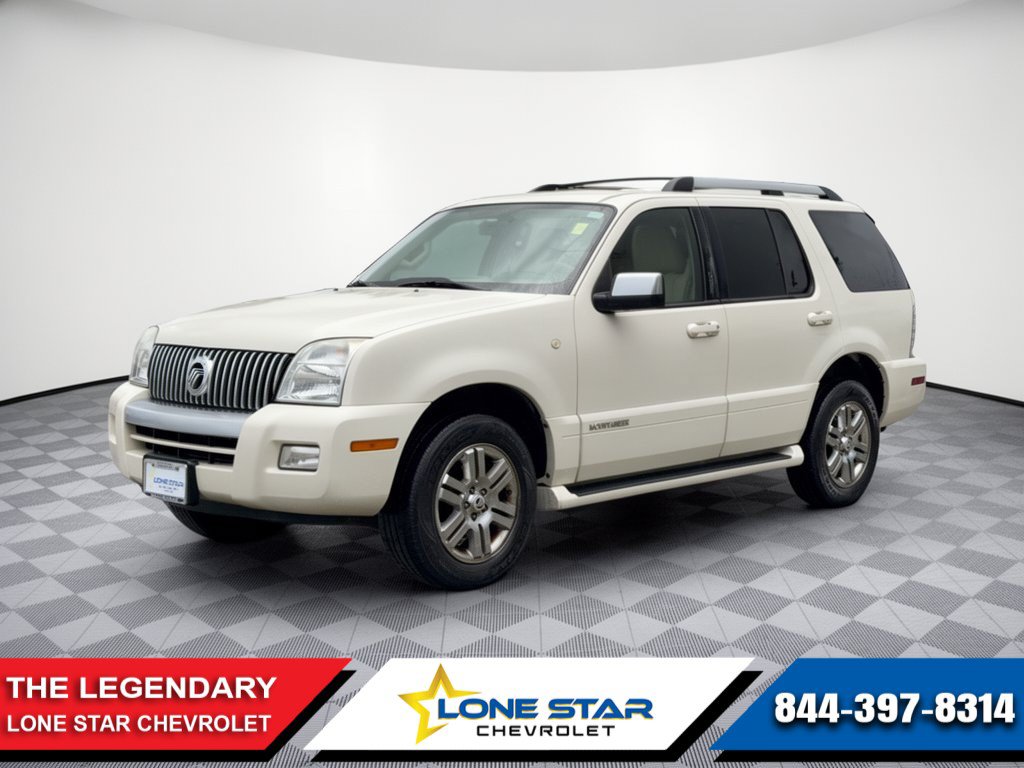
Mercury Mountaineer: Buyer's Guide for Used SUVs
If you’re exploring a Mercury Mountaineer, you’re likely balancing practicality, rugged capability, and price. This guide helps buyers and sellers in popular markets understand what to look for when considering different generations, fuel options, body styles, and mileage levels. Whether you’re aiming for a family-friendly SUV or a versatile vehicle for weekend adventures, the Mountaineer can fit a variety of needs.
Why choose a Mercury Mountaineer?
The Mountaineer combines SUV practicality with a touch of Mercury’s traditional craftsmanship. Common body styles include mid-size SUV layouts with comfortable seating for five to seven passengers, depending on the generation and trim. Buyers often seek models with V6 engines for balanced performance and towing capability, while more economical variants emphasize mileage and maintenance costs. When evaluating a candidate, consider fuel type options available in different generations, and how features like all-wheel drive or upgraded interior amenities affect resale value.
What to inspect by generation and year
- Early generations (around 2002–2005) may show signs of wear on suspension components and rust in certain climates. Check the frame, control arms, and wheel alignment history.
- Mid-2000s models often have straightforward V6 powertrains paired with automatic transmissions. Look for service records documenting timing belt/chain maintenance and transmission service intervals.
- Later models emphasize refinement and technology upgrades. Inspect infotainment units, climate control reliability, and any navigation updates. Mileage levels that reflect practical use (e.g., under 120,000 km) can indicate better long-term durability if maintenance has been consistent.
What to check when buying or selling in your city
- Price segment: Compare prices across regions and adjust for condition, mileage, and equipment like leather seats or upgraded wheels. A well-documented service history can boost a vehicle’s value.
- Mileage and service history: Buyers should look for consistent maintenance and any major repairs documented in receipts. Sellers can increase perceived value by compiling a complete history report.
- Fuel and performance: Gauge fuel economy ratings and how the chosen engine type handles highway driving, towing, and stop-and-go city use.
- Body and interior condition: Inspect for rust, dents, and interior wear. A clean cabin, intact upholstery, and a panoramic sunroof (where equipped) can influence asking prices.
Pros and cons to consider
Pros:
- Versatile seating arrangements and cargo space
- Capable for weekend trips or light towing
- Generally approachable price in the used market Cons:
- Older examples may have higher maintenance costs if not well cared for
- Some parts availability can vary by region, which may affect repair times and expenses
How to price and negotiate
- Gather comparable listings for Mercury Mountaineer models with similar year, mileage, and condition in your city or country.
- Highlight documented maintenance, up-to-date fluids, and any recent major replacements (timing chain, brakes, tires).
- Be prepared to justify price with a full vehicle history report and a clear ownership timeline.
If you’re buying, weigh the balance of cost, reliability, and ongoing maintenance. If you’re selling, a transparent history, solid documentation, and reasonable negotiation expectations can help you reach a fair deal for a Mercury Mountaineer in today’s market.

