 EN
ENDEALER
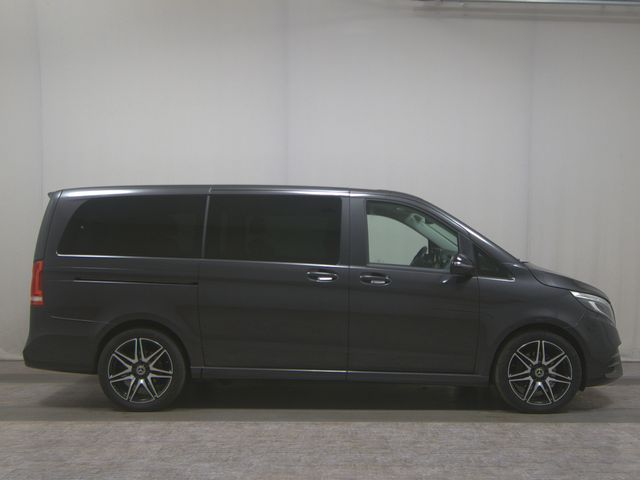
40.204 US$DEALER
40.316 US$
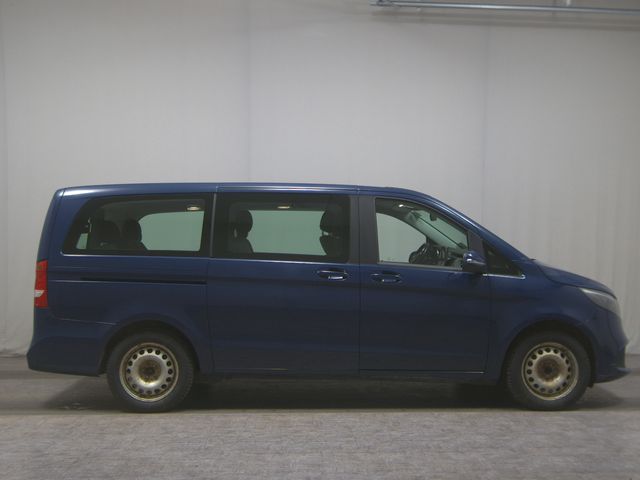
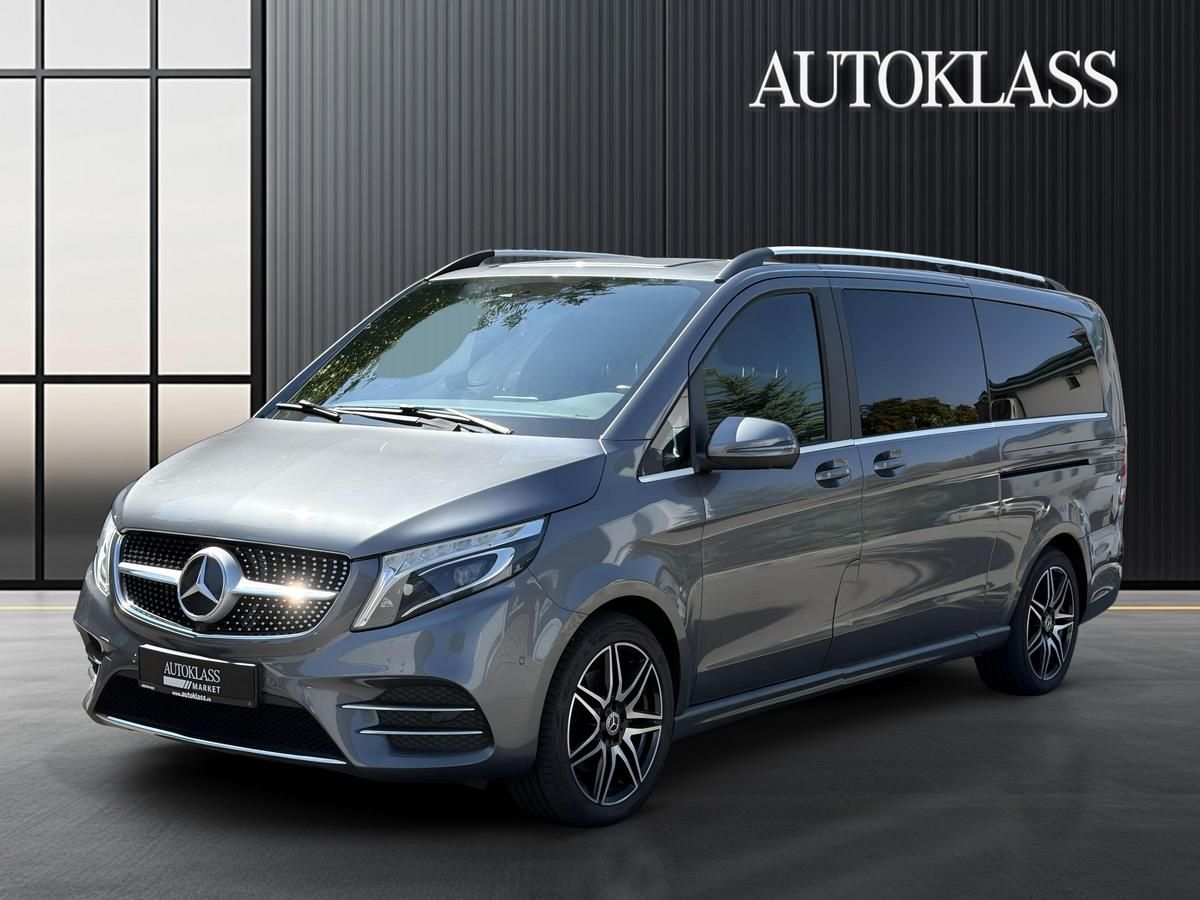
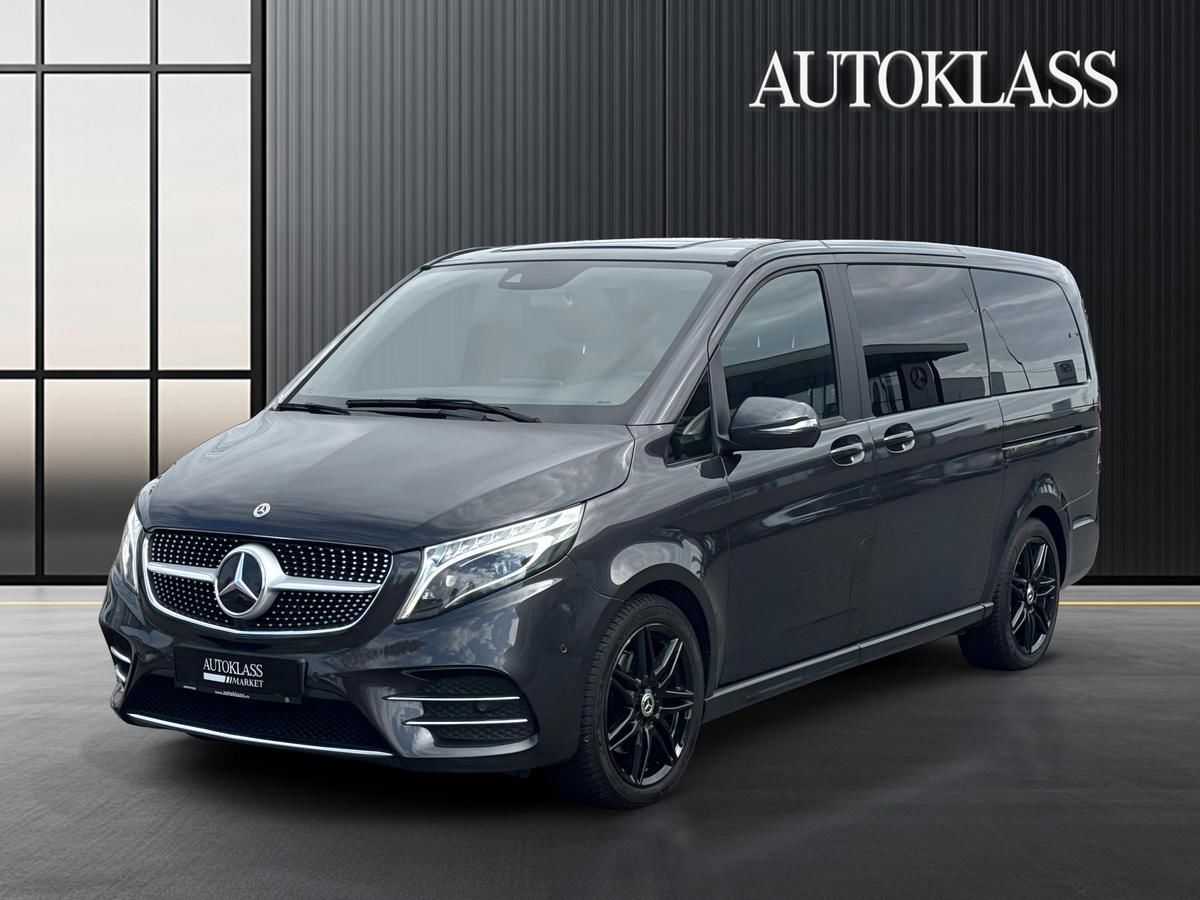
2021, diesel, automatic, 99K km, VAN, 163 hp, grey, V 220 d AMG-Line lang, Used condition, In stock

AutoHus.de
 Germany, Lower Saxony
 Germany, Lower SaxonyGermany, Lower Saxony
 GermanyGermanyGermanyGermanyGermany
 Estonia, Tartu
 ItalyItalyFerrara, Italy
 Romania, Maramureş
 Sânnicoară, Romania
 Romania, Mureș County
 Romania, SuceavaRomania, Sibiu CountyTurnişor, Romania
 Sofiyivska Borschagivka, Ukraine
 Albania, Durrës County
 Albania, TiranaAlbania, Tirana
 Moldova, Municipiul Bălţi
 Romania
 Romania
 Iași, Romania
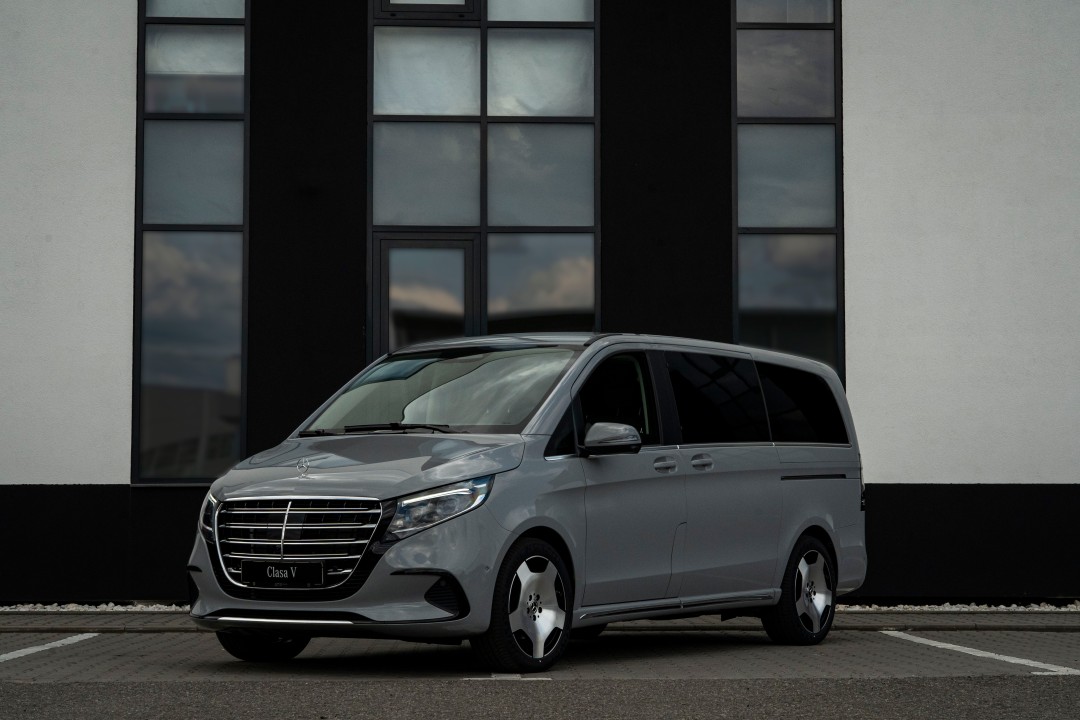
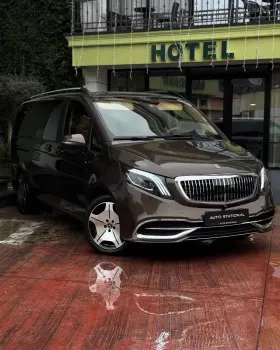
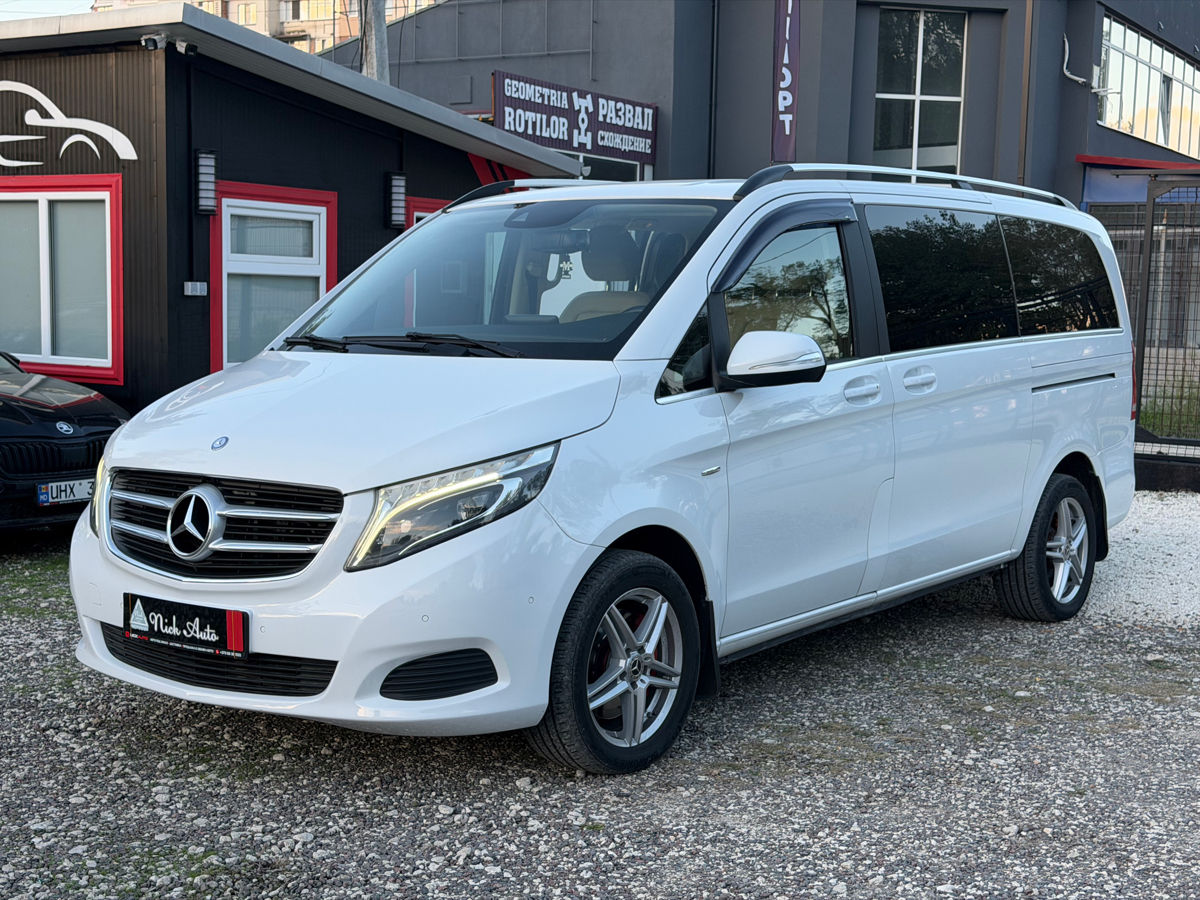
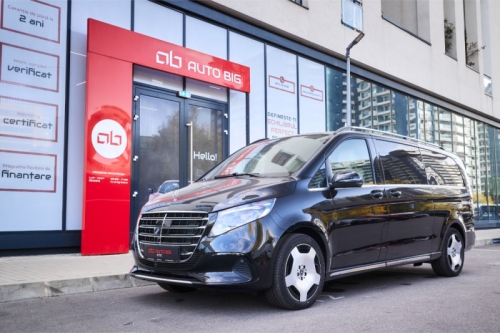
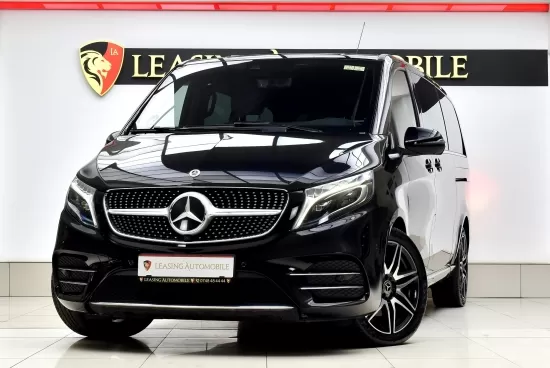
The Mercedes-Benz V-Klasse stands out as a premium MPV designed for families, business shuttle use, and anyone who values space, comfort, and refined engineering. Whether you’re searching in a city with strong business ties or a region with steady demand for roomy family cars, knowing the key configurations, price ranges, and reliability considerations helps you make a confident choice. In this guide, we’ll cover the core aspects many buyers ask about: model generations, fuel options, body style, typical mileage, and practical tips for buying or selling in your city.
The V-Klasse has evolved through several generations, with multiple body styles that prioritize passenger comfort or cargo utility. Key questions buyers often ask include: which generation offers better fuel economy, what engine variants exist, and how to balance space with driving dynamics. Common engine choices include petrol and diesel options, with modern variants emphasizing efficiency and smoother refinement. When planning a purchase, consider your typical loads, seating needs, and the level of luxury you expect from a Mercedes-Benz badge.
For most customers, the decision comes down to number of seats, rear-seat comfort, and boot space for luggage or equipment. If you frequently carry five to seven passengers, look at configurations that maximize legroom and headroom, while keeping loading ease in mind. In many markets, the V-Klasse is offered with long wheelbase variants for extra cargo space and more comfortable rear accommodations. While some buyers prioritize low running costs, others place emphasis on interior technology, ambient lighting, and high-end materials that reflect the premium badge.
When you’re evaluating a V-Klasse for sale, a few practical checks can help ensure value and reliability: verify service history, inspect mileage in the lower to mid-range for age, and assess typical wear on the seats and swivel seats if equipped. Ask about maintenance records for the diesel engines, which are common in larger MPVs, and confirm that the transmission and suspension systems show no unusual noises. For buyers, consider whether you need active safety packages and driver-assistance features that modern Mercedes-Benz models offer, such as adaptive cruise control or lane-keeping assist.
If you are selling, highlight the car’s versatility: passenger comfort on long trips, easy access for families, and any equipment that adds practical value, like roof racks, panoramic sunroof, or advanced infotainment. In marketplaces with fluctuating demand, transparent pricing based on mileage, condition, and recent maintenance can attract more qualified buyers. Typical price segments for a used V-Klasse vary by year, mileage, and trim level, so providing a clear photo set and service history helps buyers feel confident about a purchase.
Whether you are near a major urban center or a regional hub, the V-Klasse’s blend of luxury and practicality makes it a strong candidate for family trips, corporate shuttle duties, or versatile daily use. By focusing on the generation, engine choice, and overall condition, you can narrow your options efficiently and negotiate a fair price while ensuring you get the comfort and reliability Mercedes-Benz is known for.
 Add as preferred sourceSee more from zvelta in Google Search Add as preferred source