EN
ENDEALER

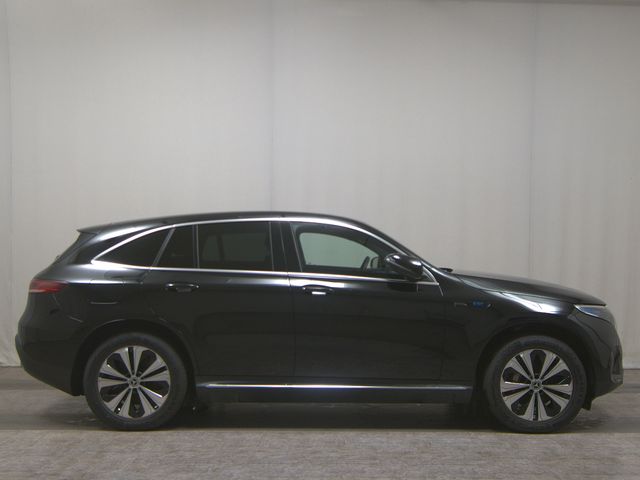
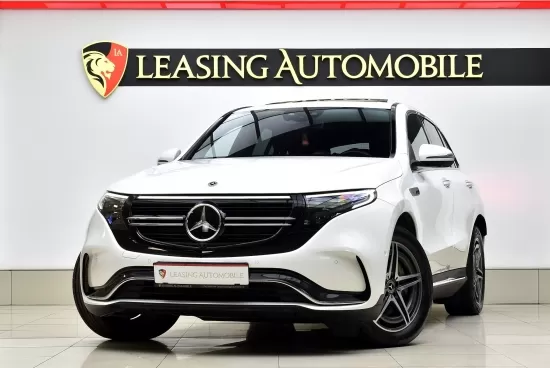
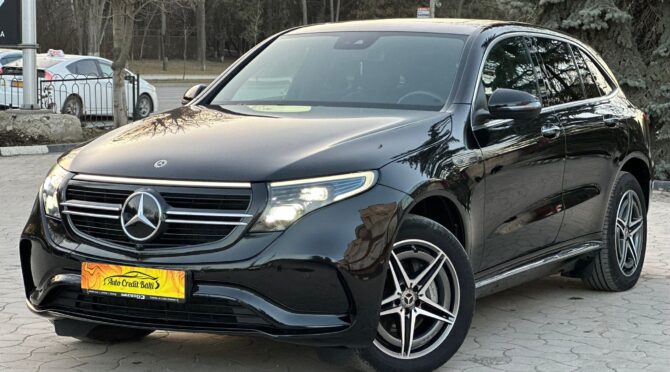
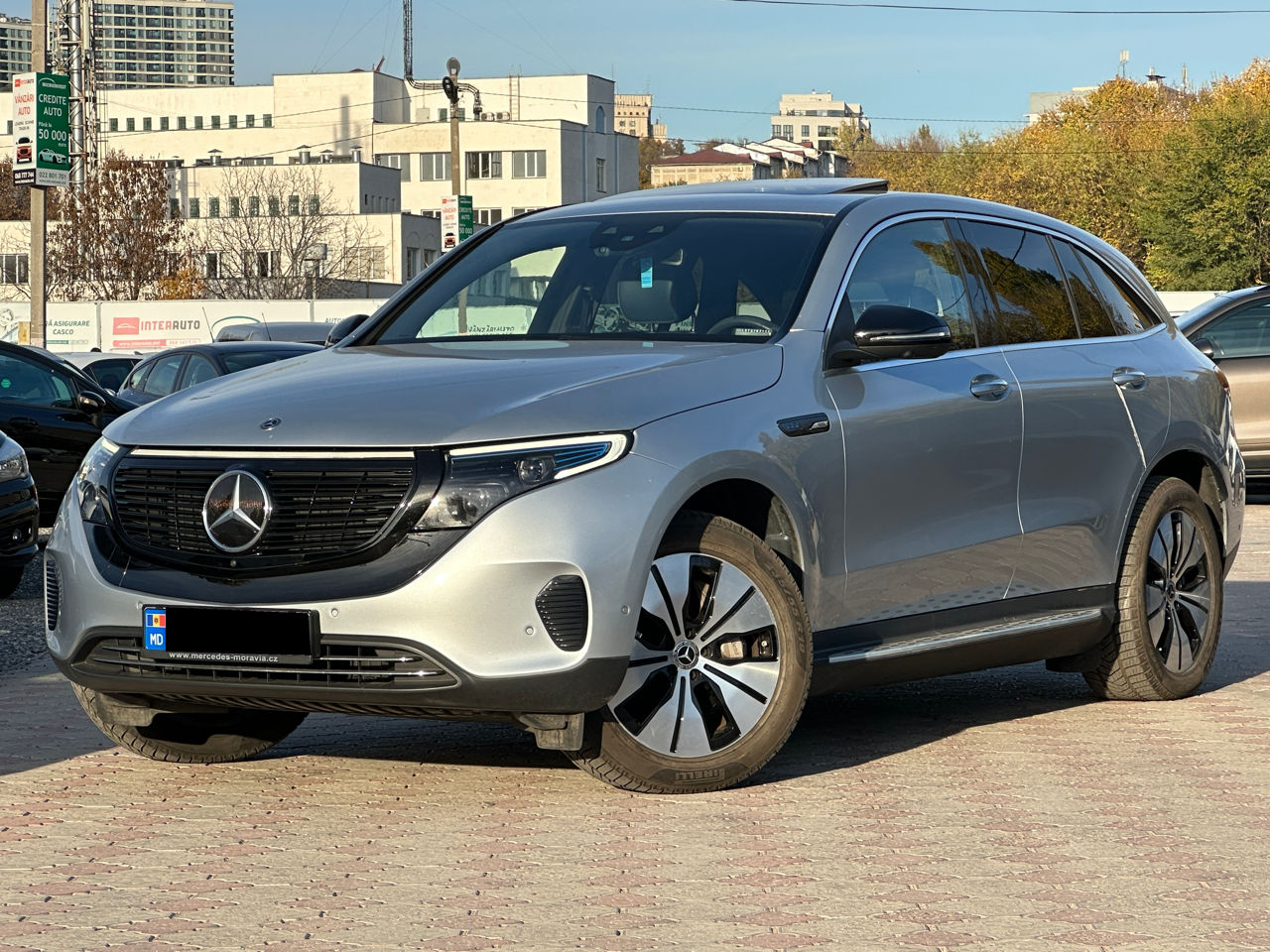
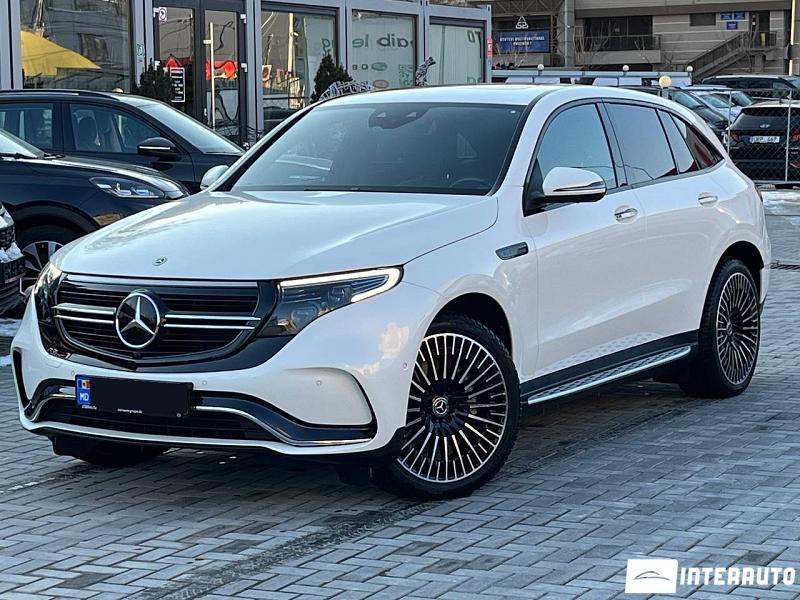
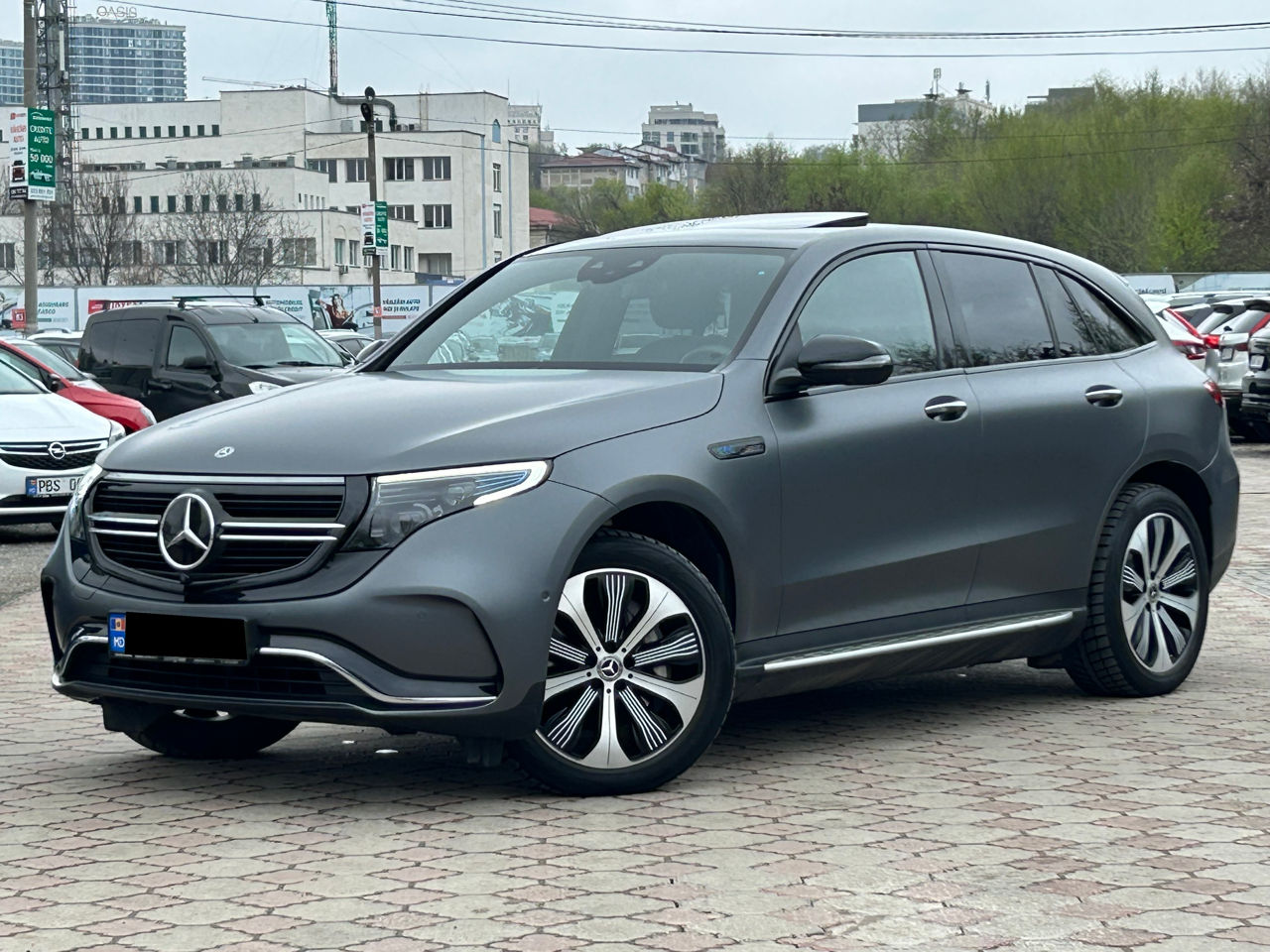
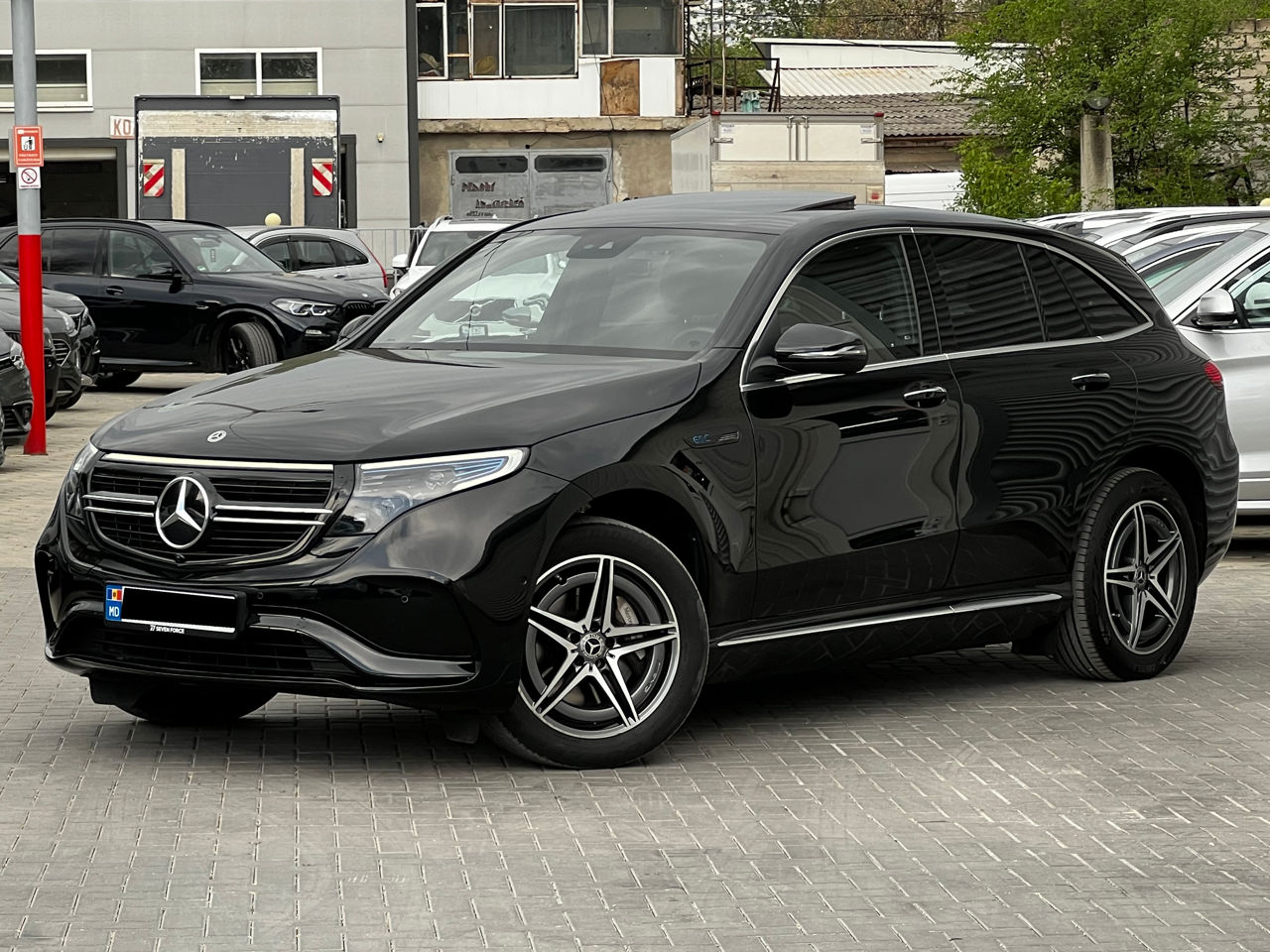
2022, electric, automatic, 146K km, Used condition, In stock, sale date 29.10.2026 05:15

CarOutlet.eu
 Belgium
Auction starts
29 Oct, 05:15
 BelgiumBelgiumBelgiumBelgiumBelgiumBelgiumBelgiumBelgiumBelgiumBelgiumBelgium
 Netherlands
 Germany, Lower SaxonyGermanyGermanyGermanyGermany
 Italy
Italy
 Romania
 Moldova
 Moldova, Chișinău MunicipalityMoldova, Chișinău MunicipalityMoldova, Chișinău MunicipalityMoldova, Chișinău Municipality
 Moldova, Chișinău Municipality
The Mercedes-Benz EQC stands out in the growing field of electric SUVs with its refined interiors, smooth ride, and advanced technology. If you’re considering purchasing an EQC in your city, or aiming to sell one for a fair price, this guide covers what matters most: model generations, powertrain, body style, mileage, price ranges, and how to compare options before making a decision.
The EQC is a compact electric SUV that blends Mercedes comfort with progressive EV tech. When evaluating a specific car, note the model year and generation, as small updates can affect range, charging speed, and features. Common configurations include a dual-motor setup and a battery designed for daily usability. In marketplaces, you’ll encounter various trims and equipment levels, all of which influence perceived value and resale price.
When shopping in your country and city for an EQC, consider these practical steps to assess value and negotiate confidently:
In summary, the Mercedes-Benz EQC is a compelling choice for those seeking a premium electric SUV with comfort and tech. Whether you’re buying locally or preparing a vehicle for sale, focusing on mileage, battery health, and equipment helps you land a fair deal and enjoy confident ownership.
 Add as preferred sourceSee more from zvelta in Google Search Add as preferred source