 EN
ENDEALER
44.865 US$DEALER
50.865 US$
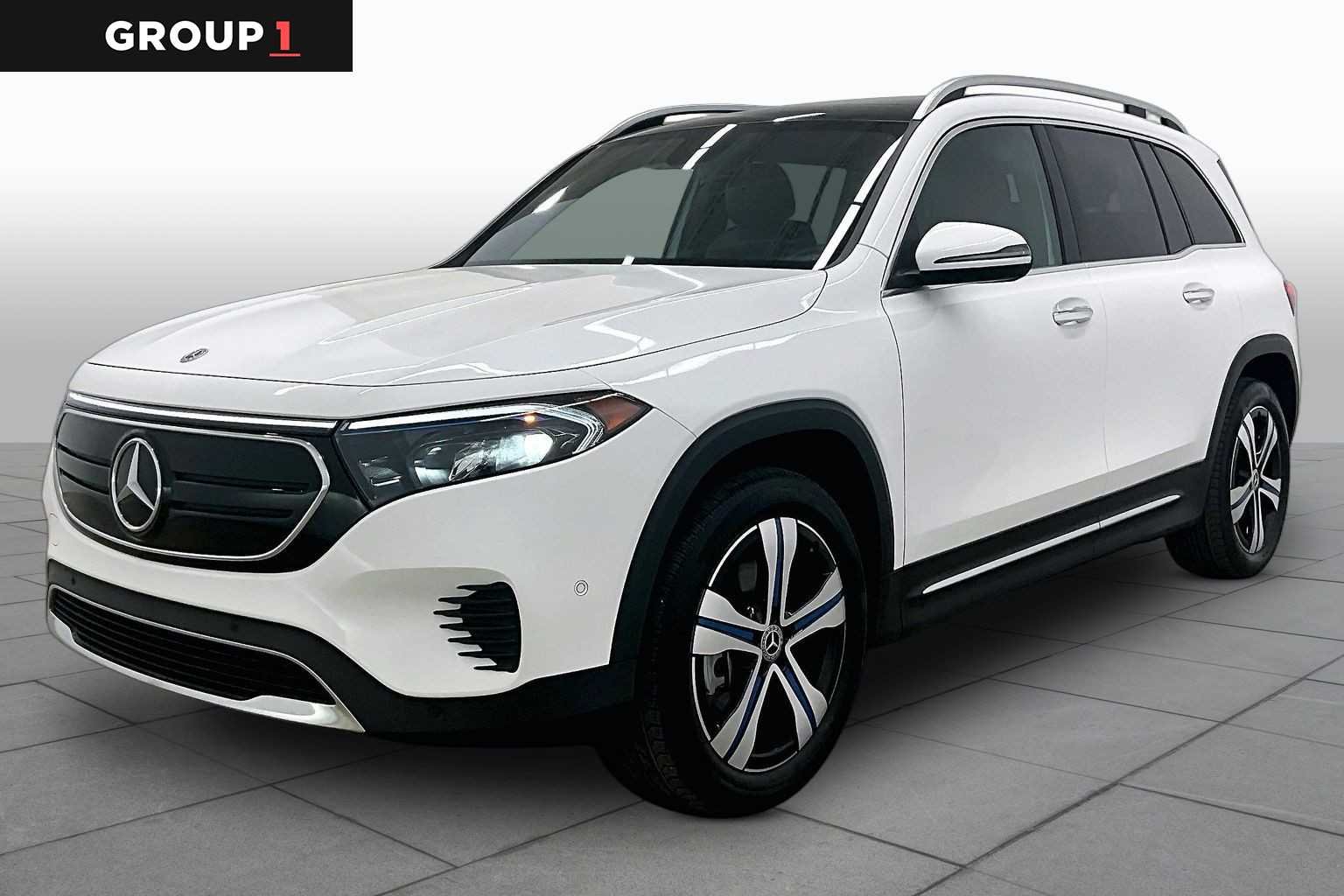
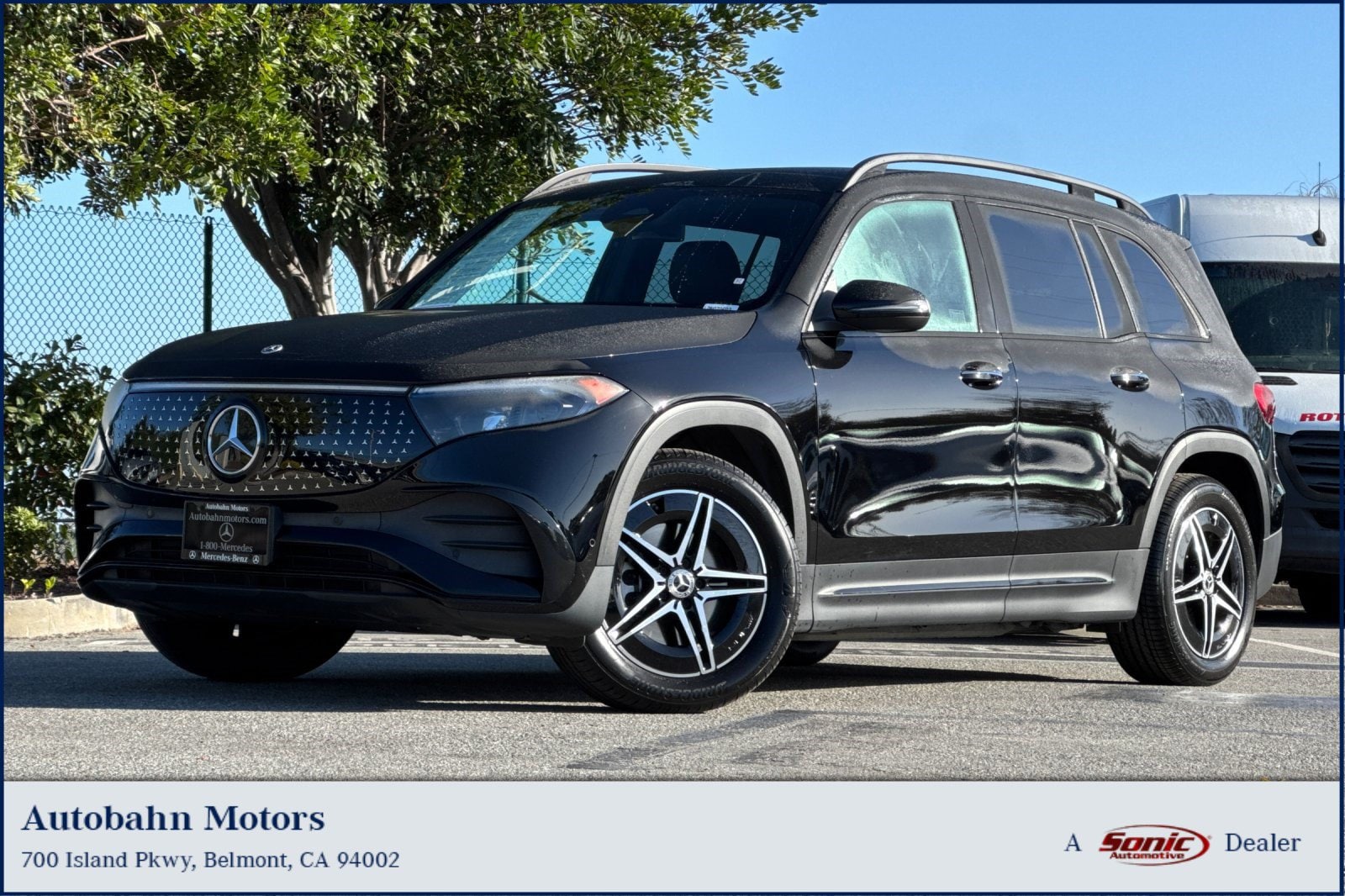
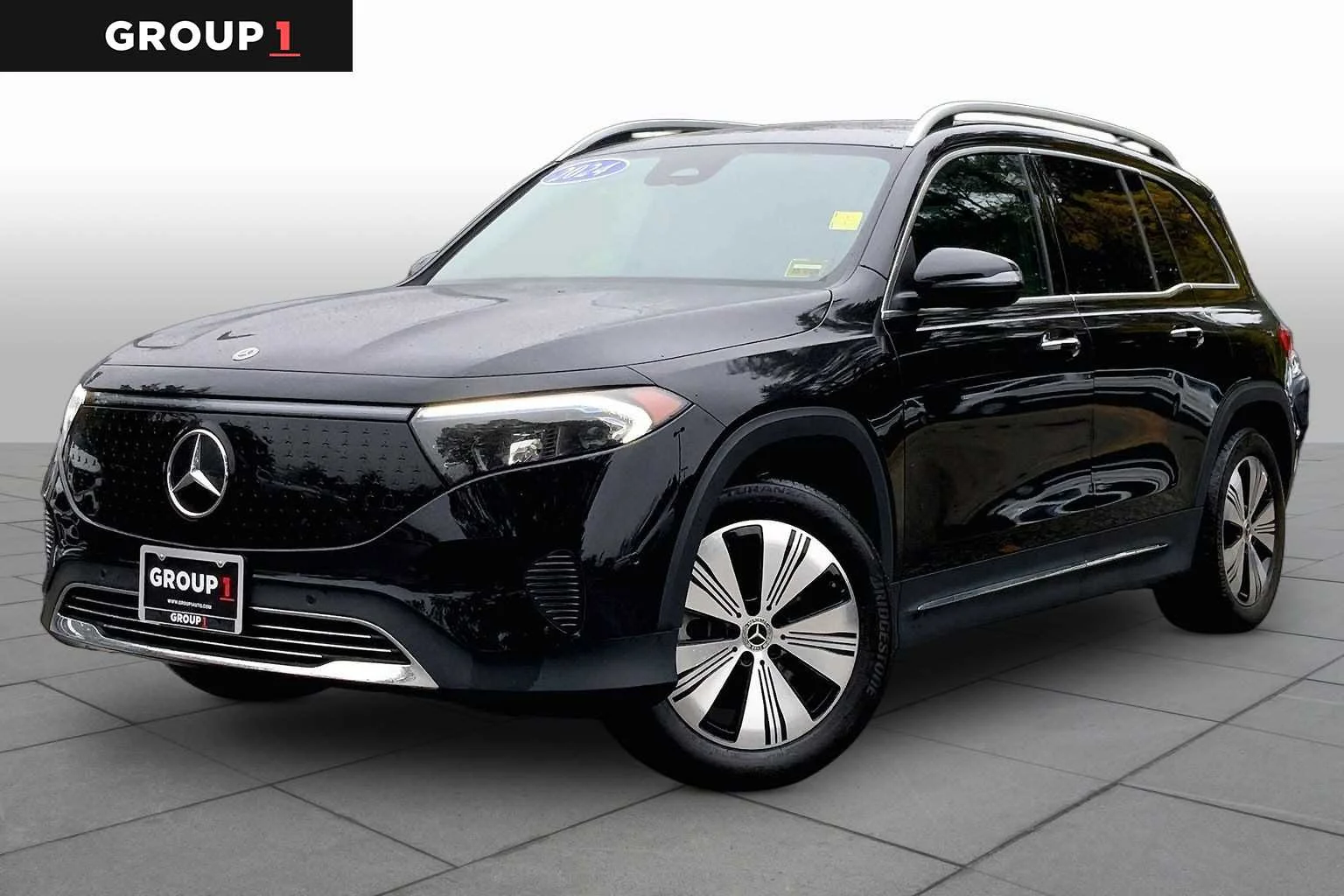
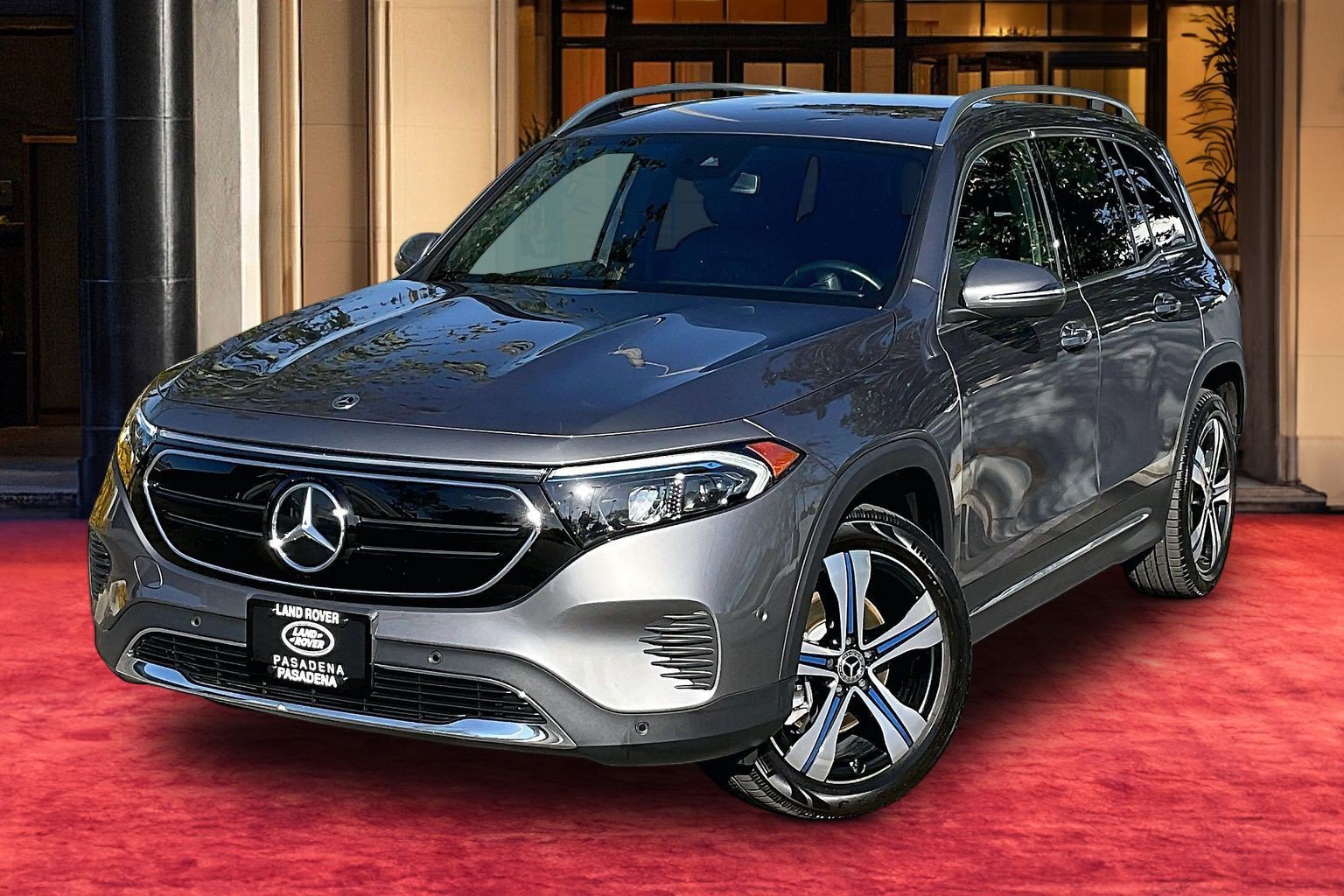
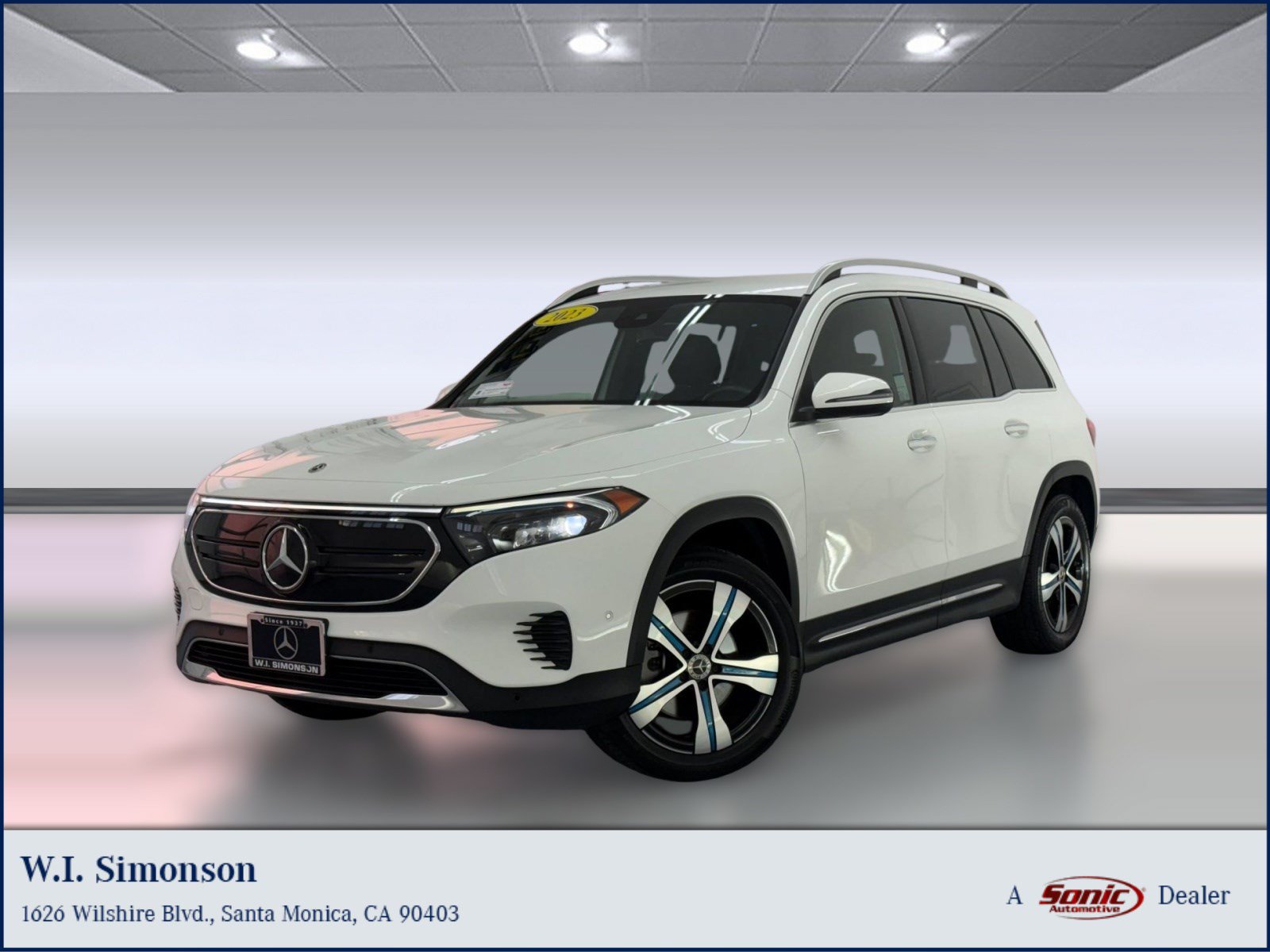
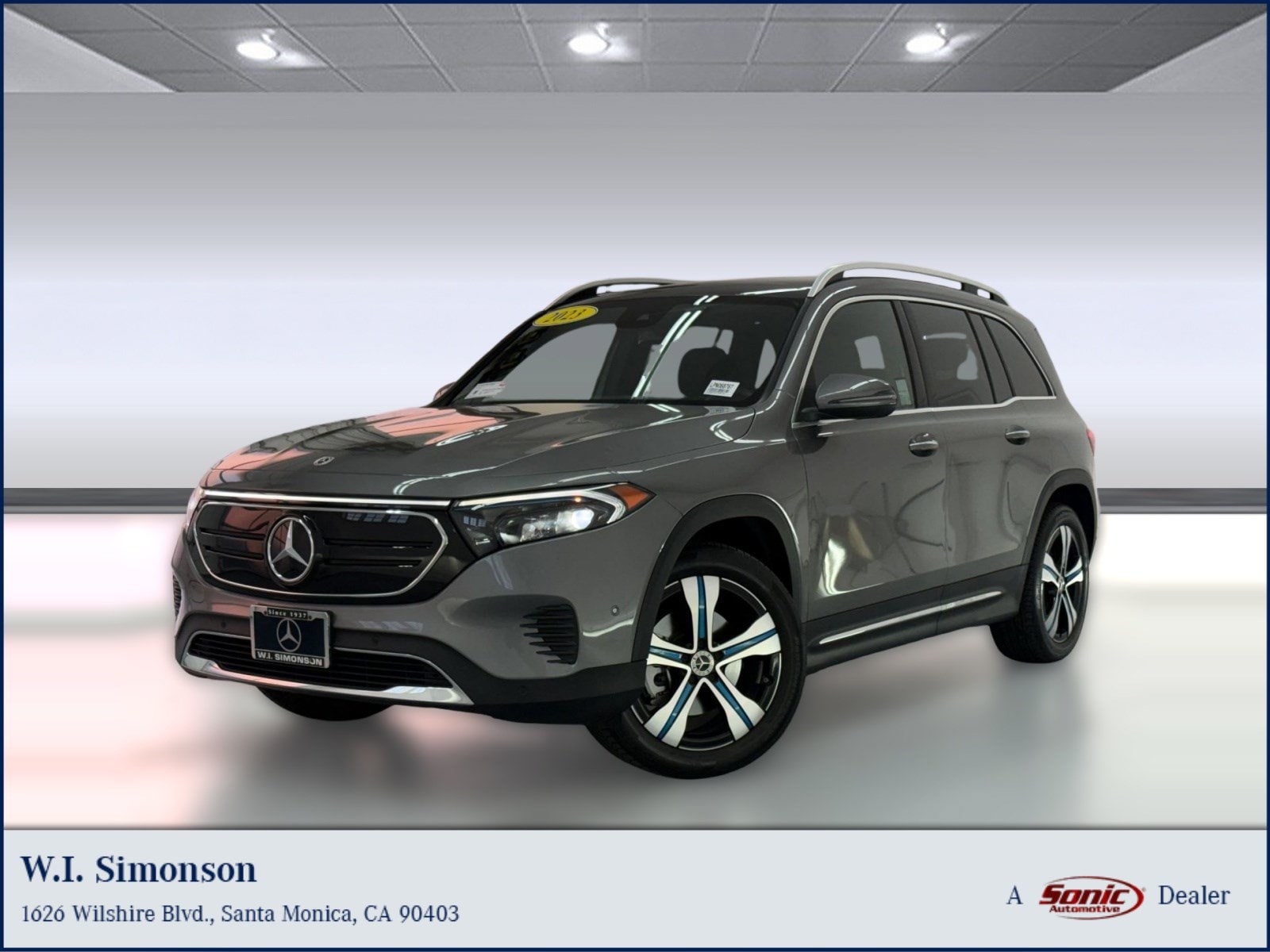
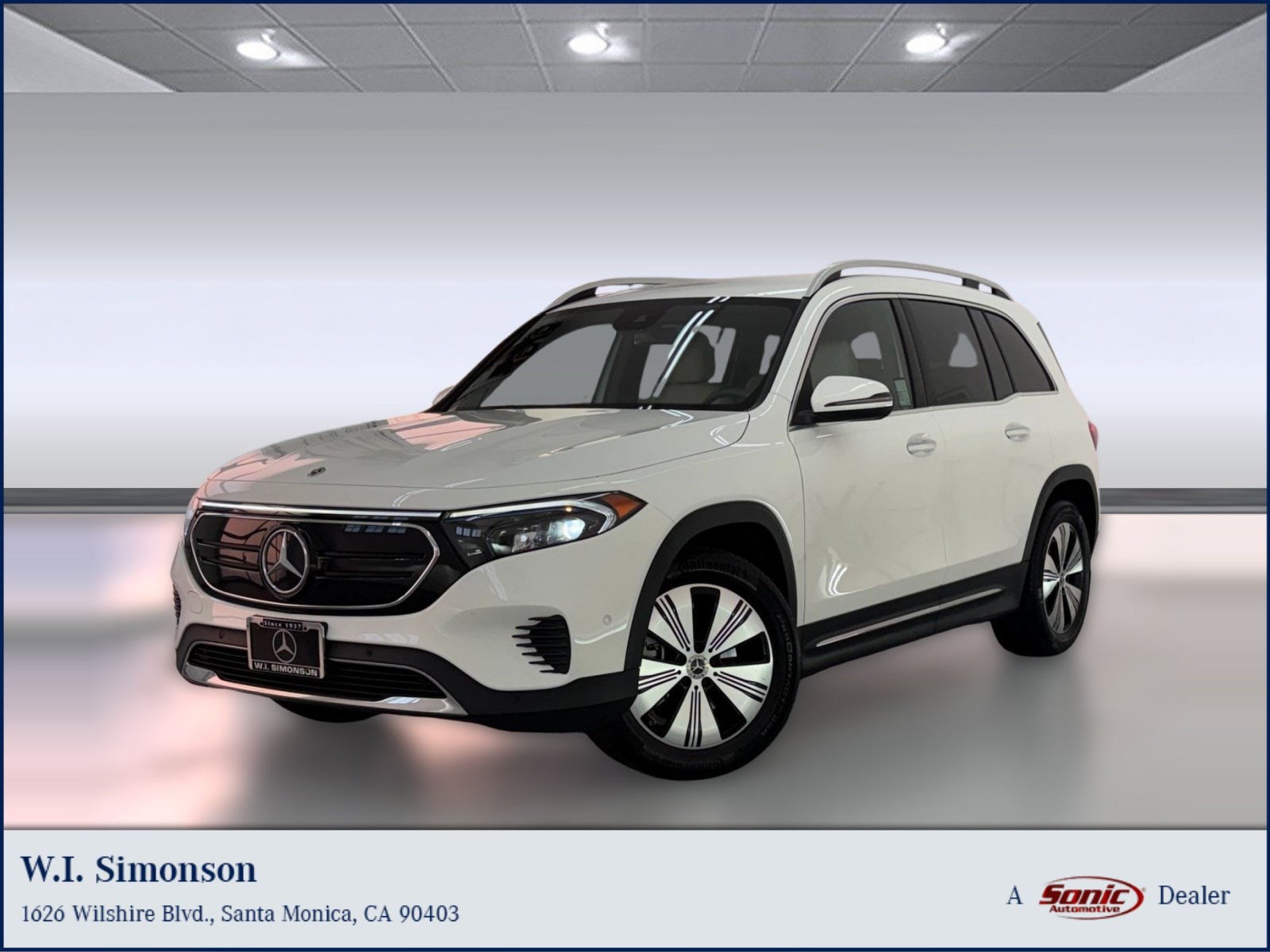
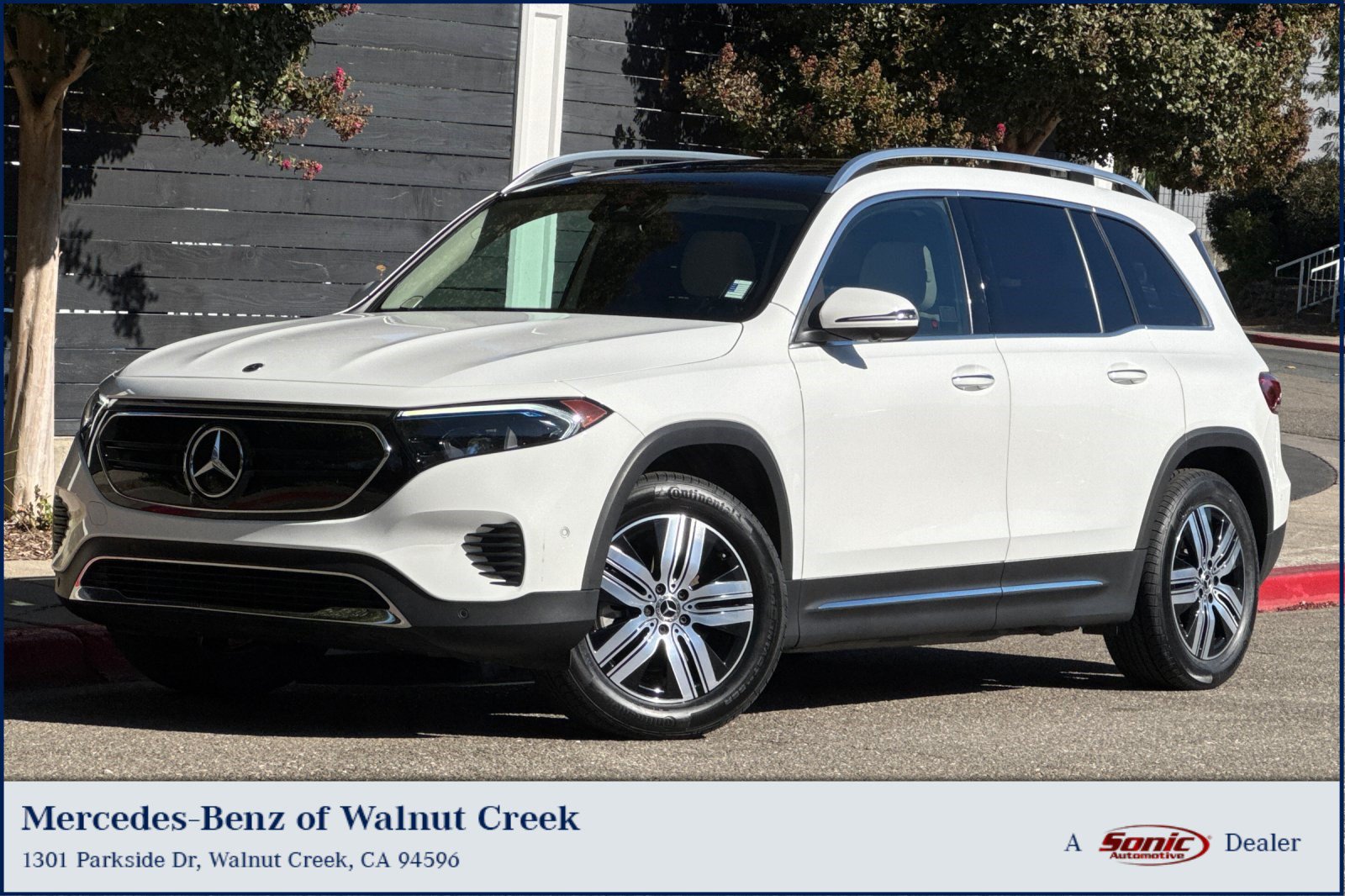
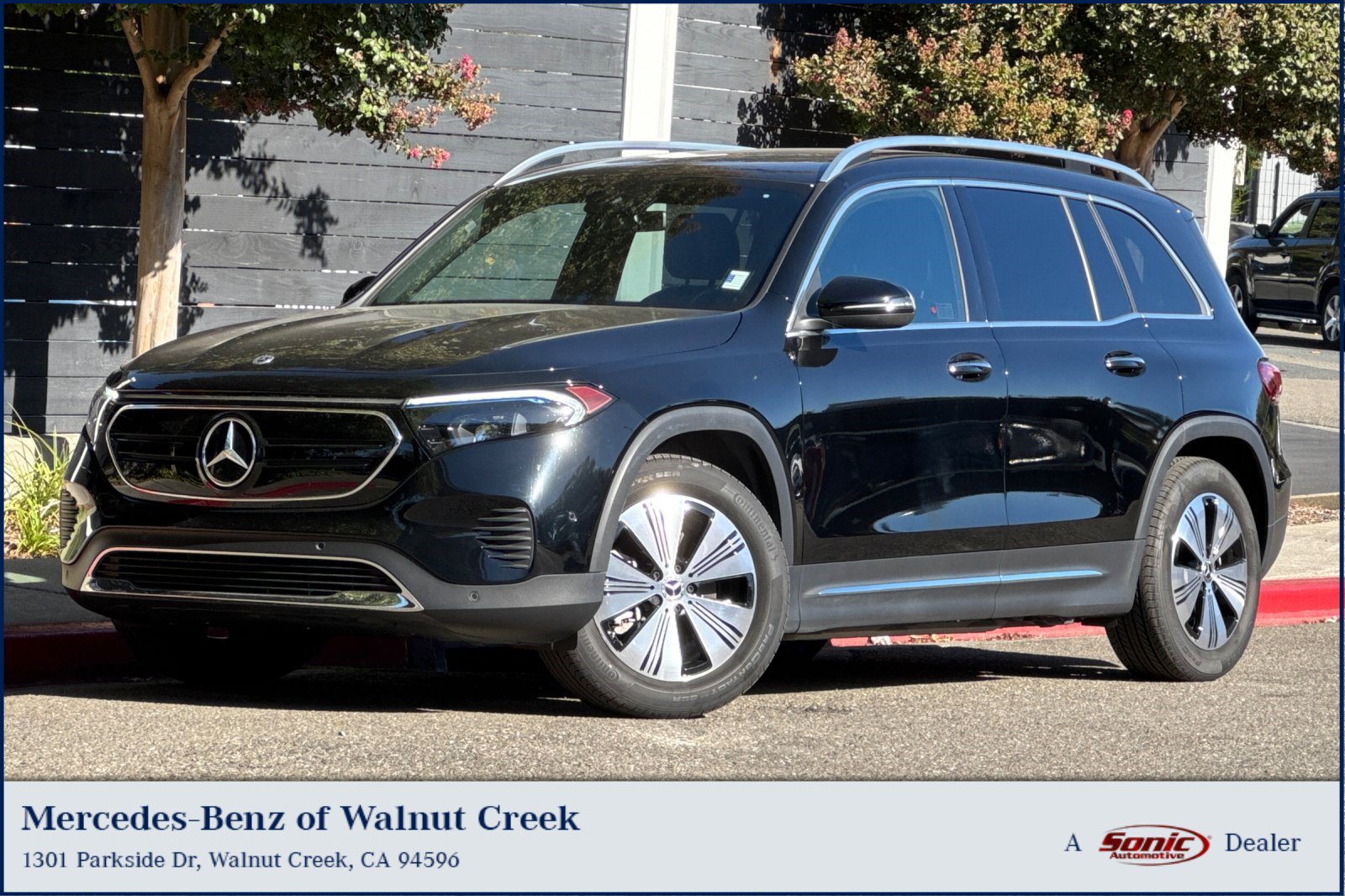
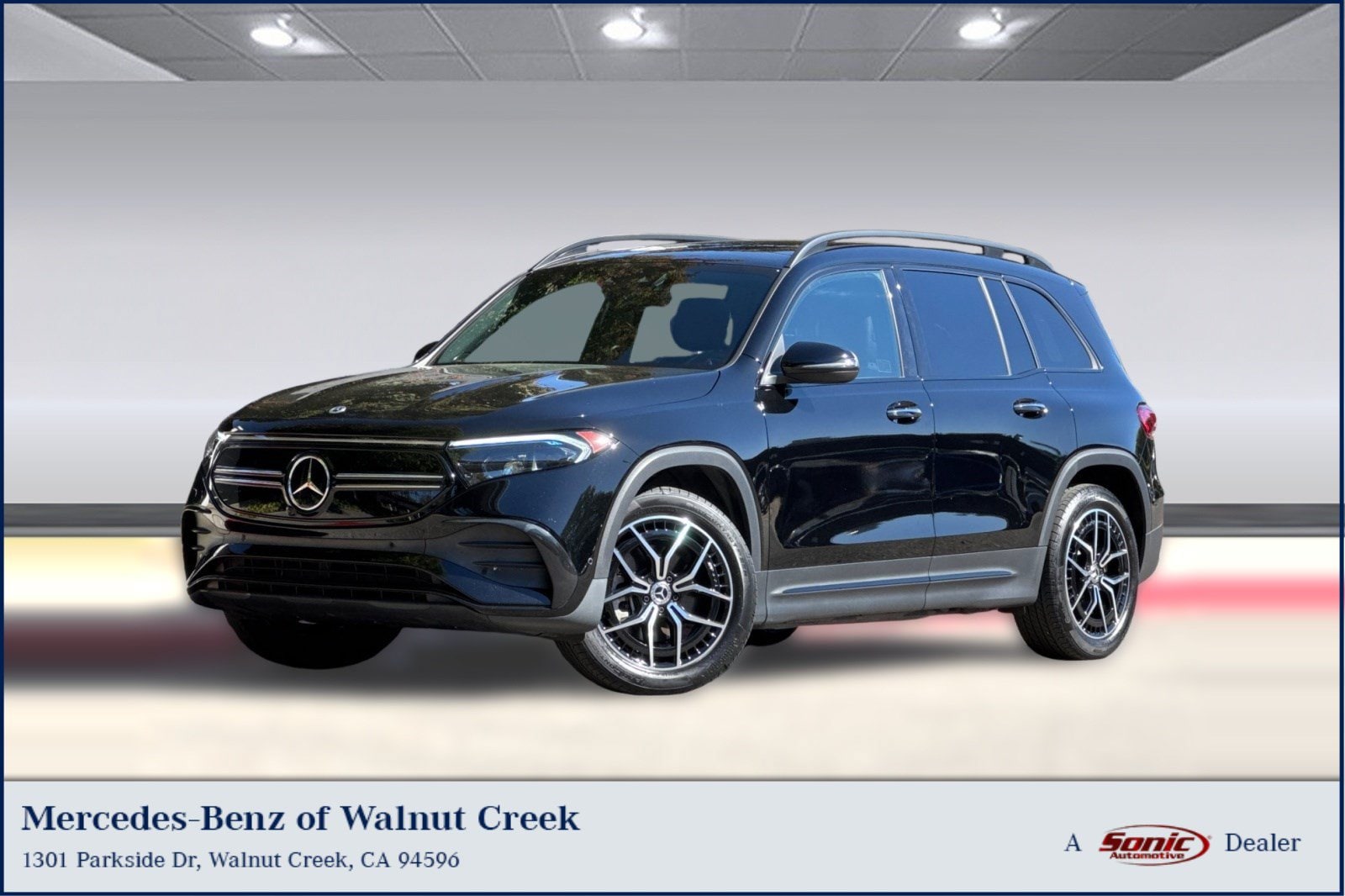
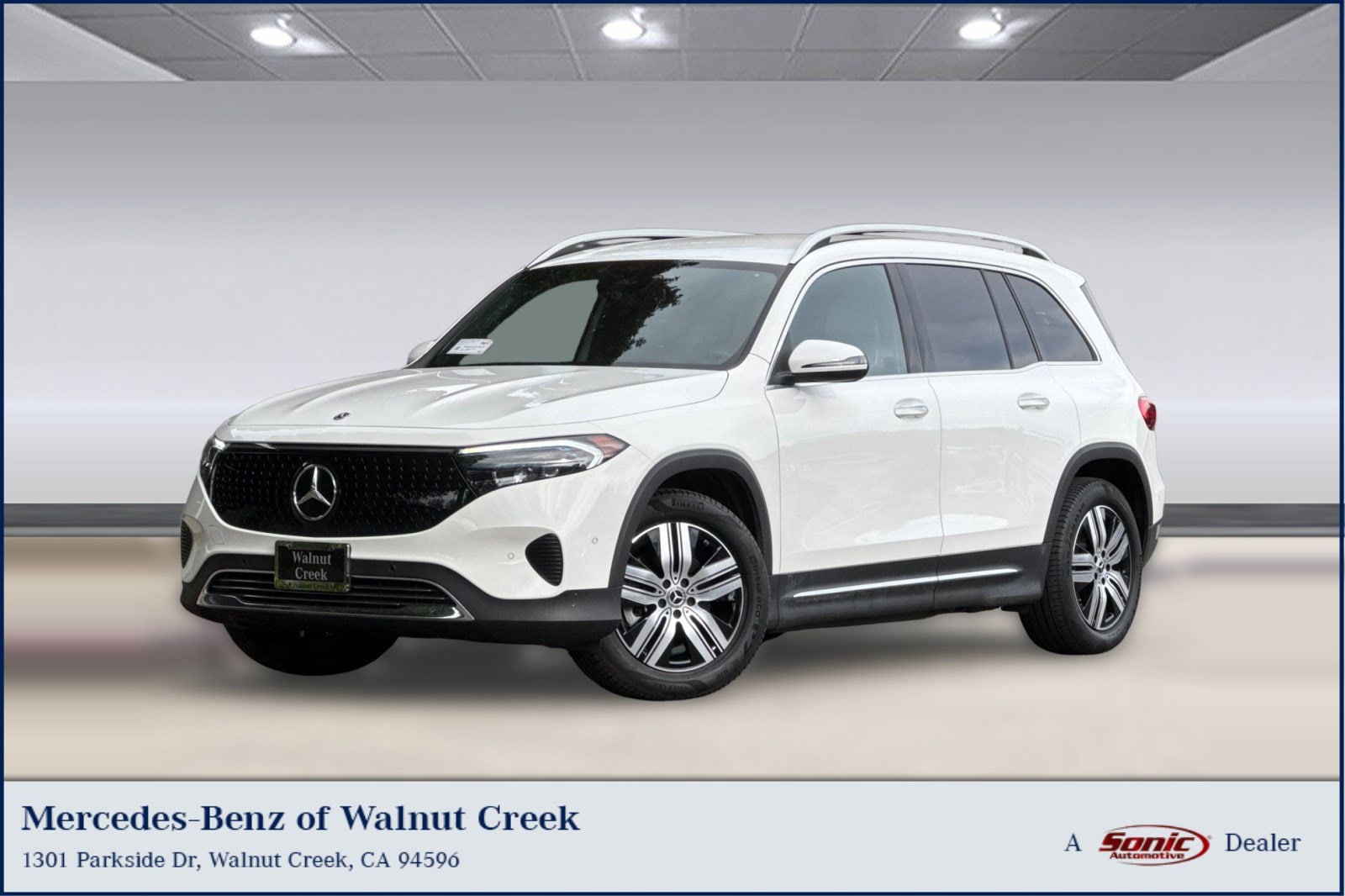
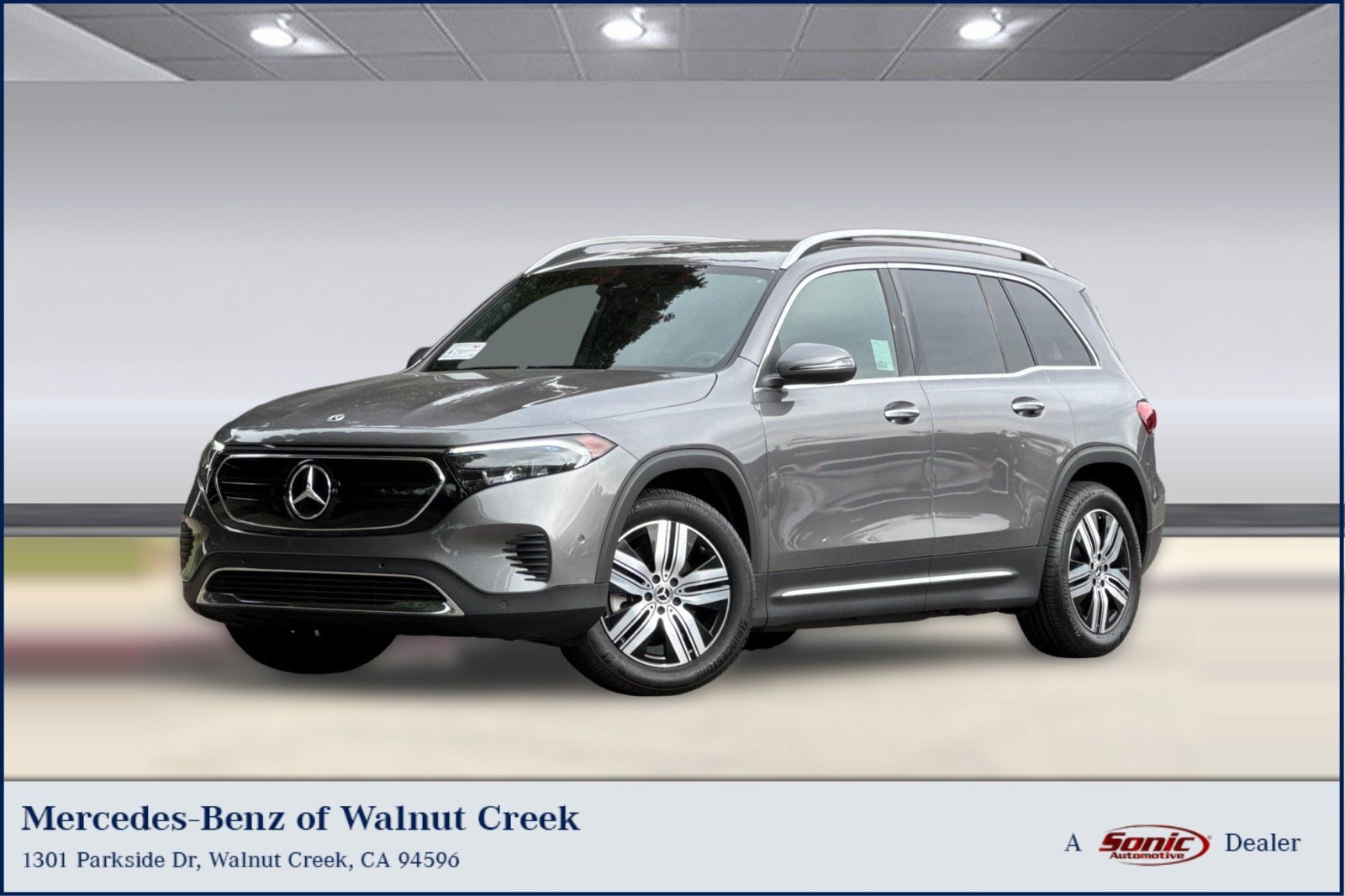
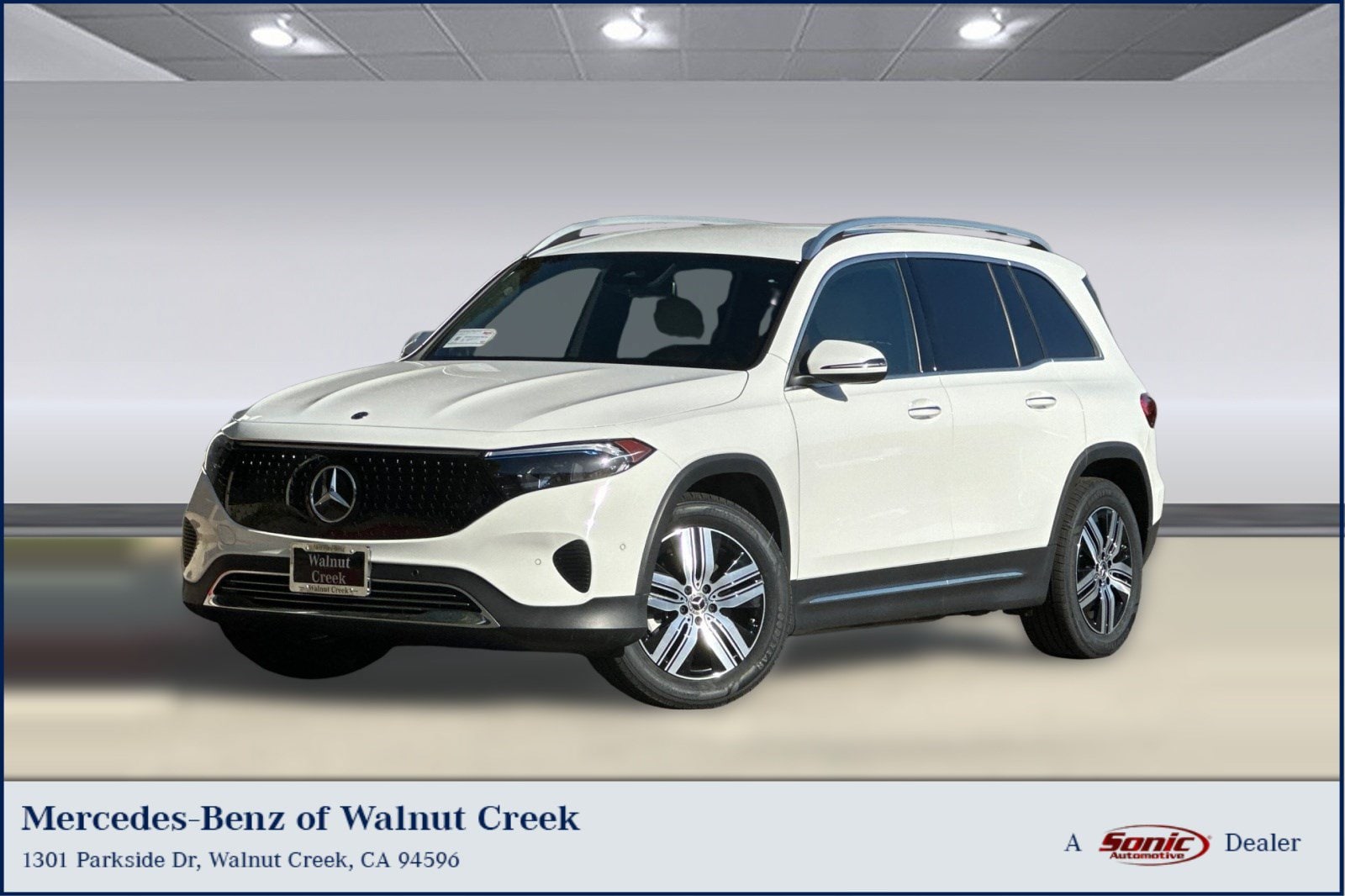
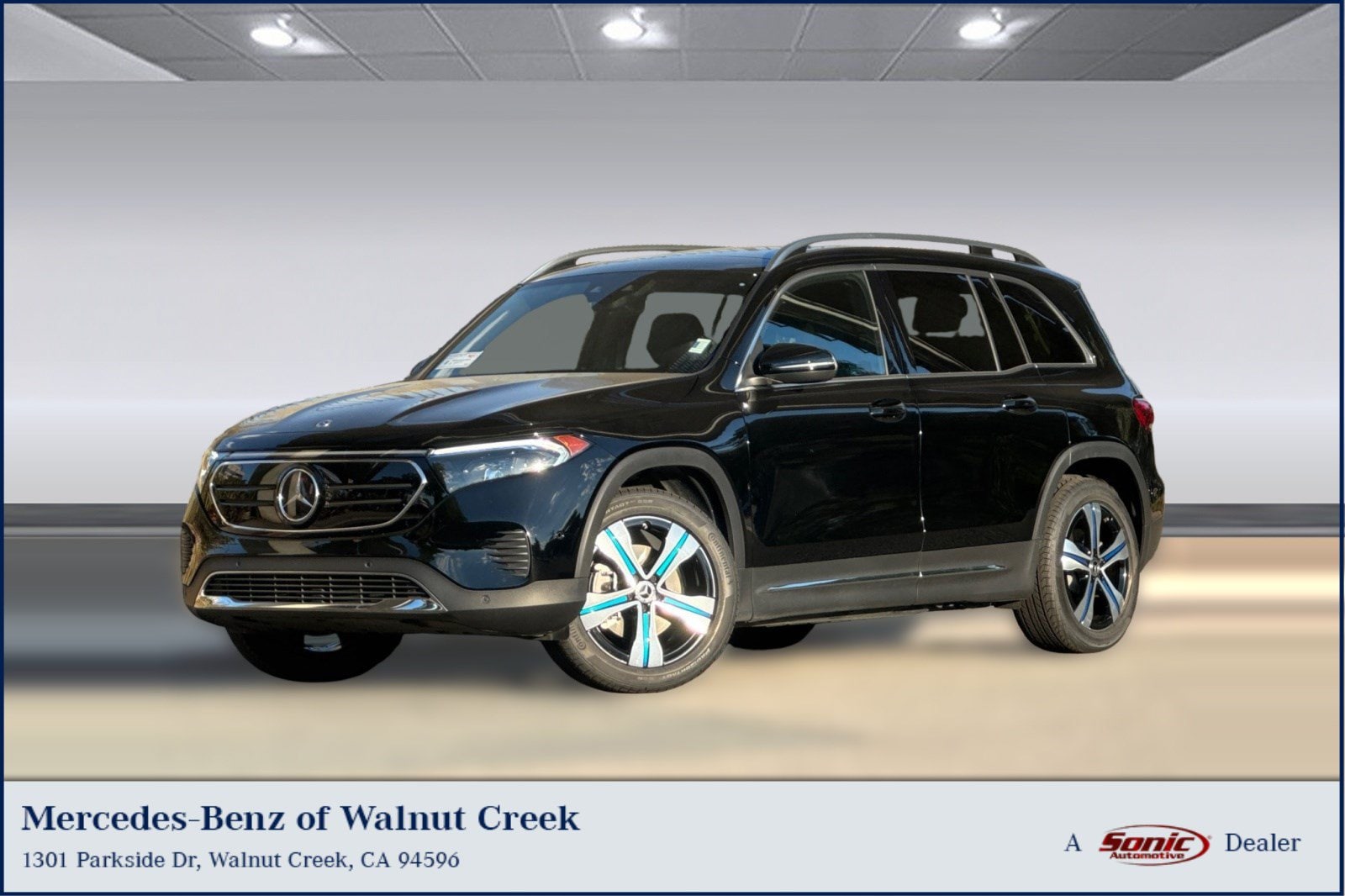
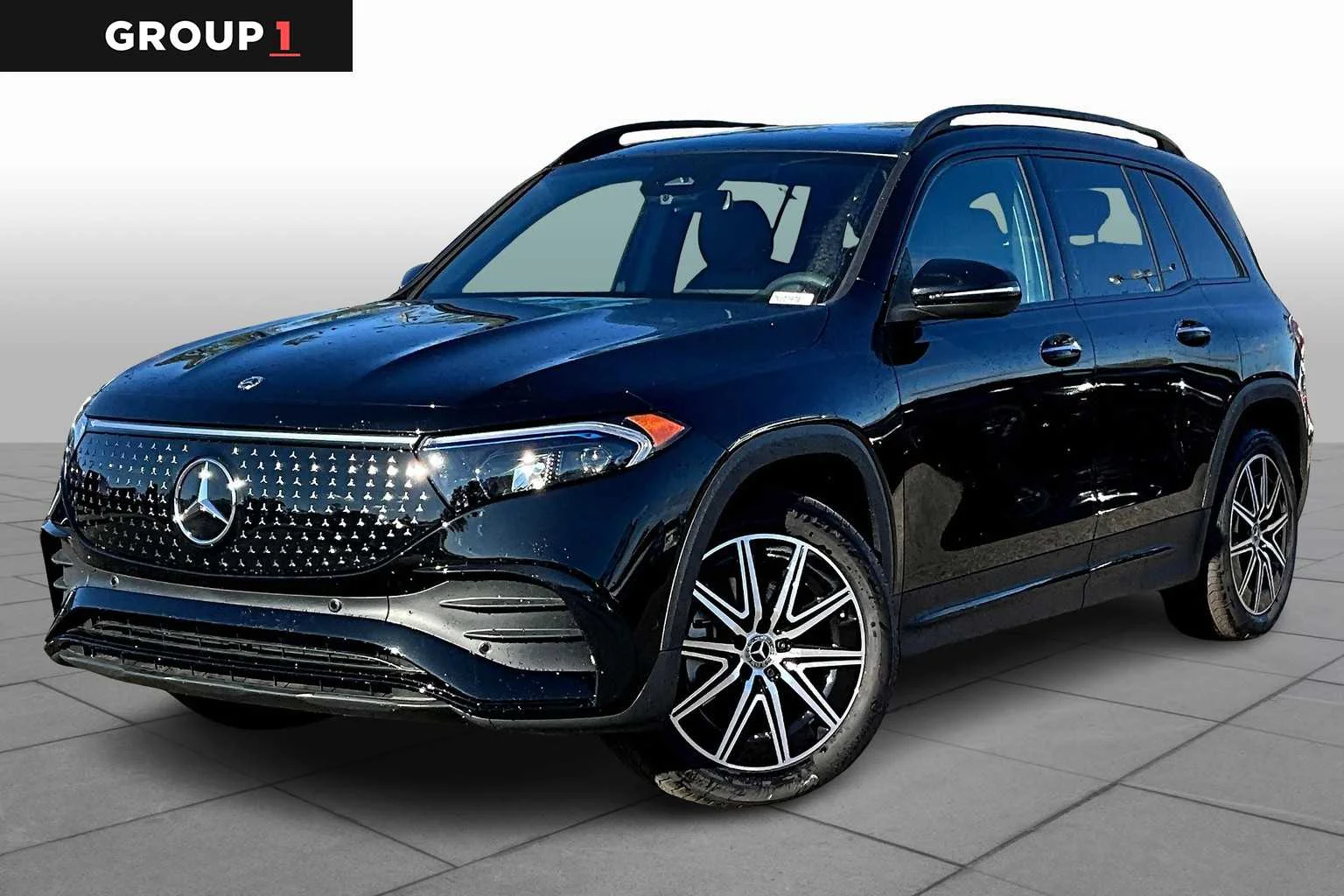
electric, automatic, 5K km, SUV, All Wheels Drive, 288 hp, black, EQB 350, Used condition, USA, In stock

Group1Auto.com
 New Augusta, United States
 New Augusta, United StatesAustin, United StatesBelmont, United States
 Charlotte, United States
 Irondale, United StatesScarborough, United States
 United States
 Pasadena, United StatesPasadena, United StatesSanta Monica, United StatesSanta Monica, United StatesSanta Monica, United States
 Walnut Creek, United StatesWalnut Creek, United StatesWalnut Creek, United StatesWalnut Creek, United StatesWalnut Creek, United StatesWalnut Creek, United StatesWalnut Creek, United StatesWalnut Creek, United StatesWalnut Creek, United StatesWalnut Creek, United StatesWalnut Creek, United StatesWalnut Creek, United States
 Spain
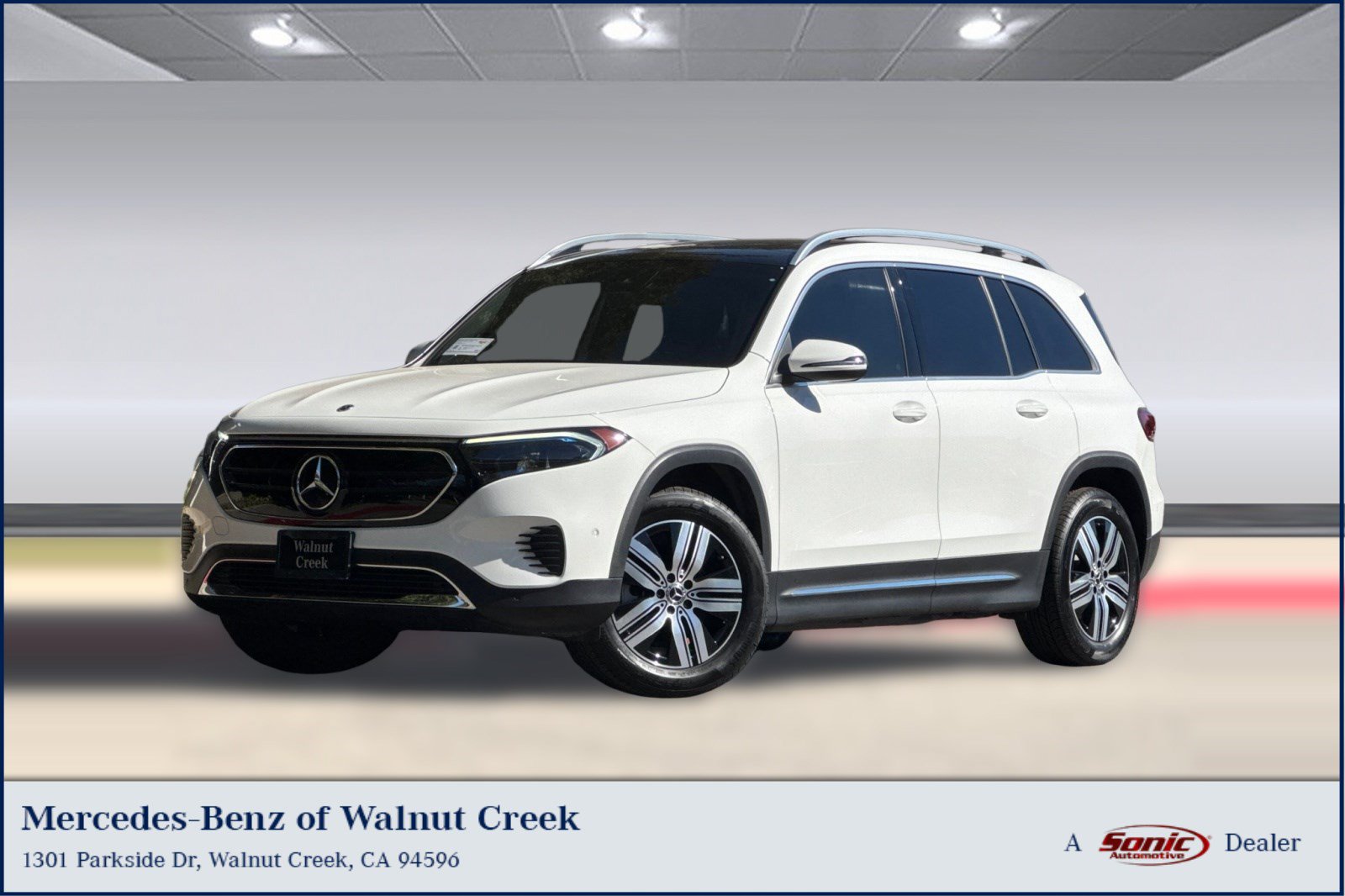
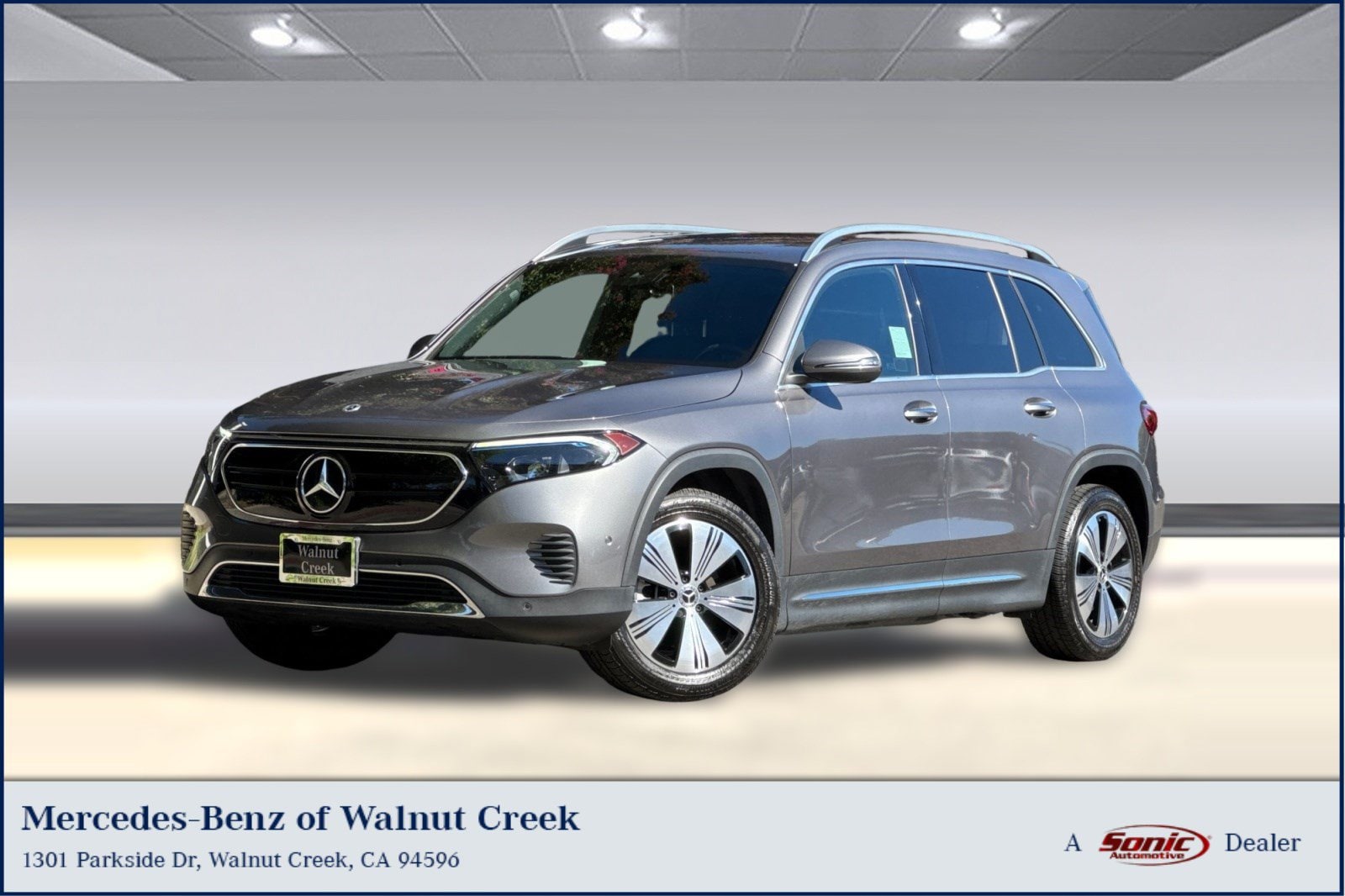
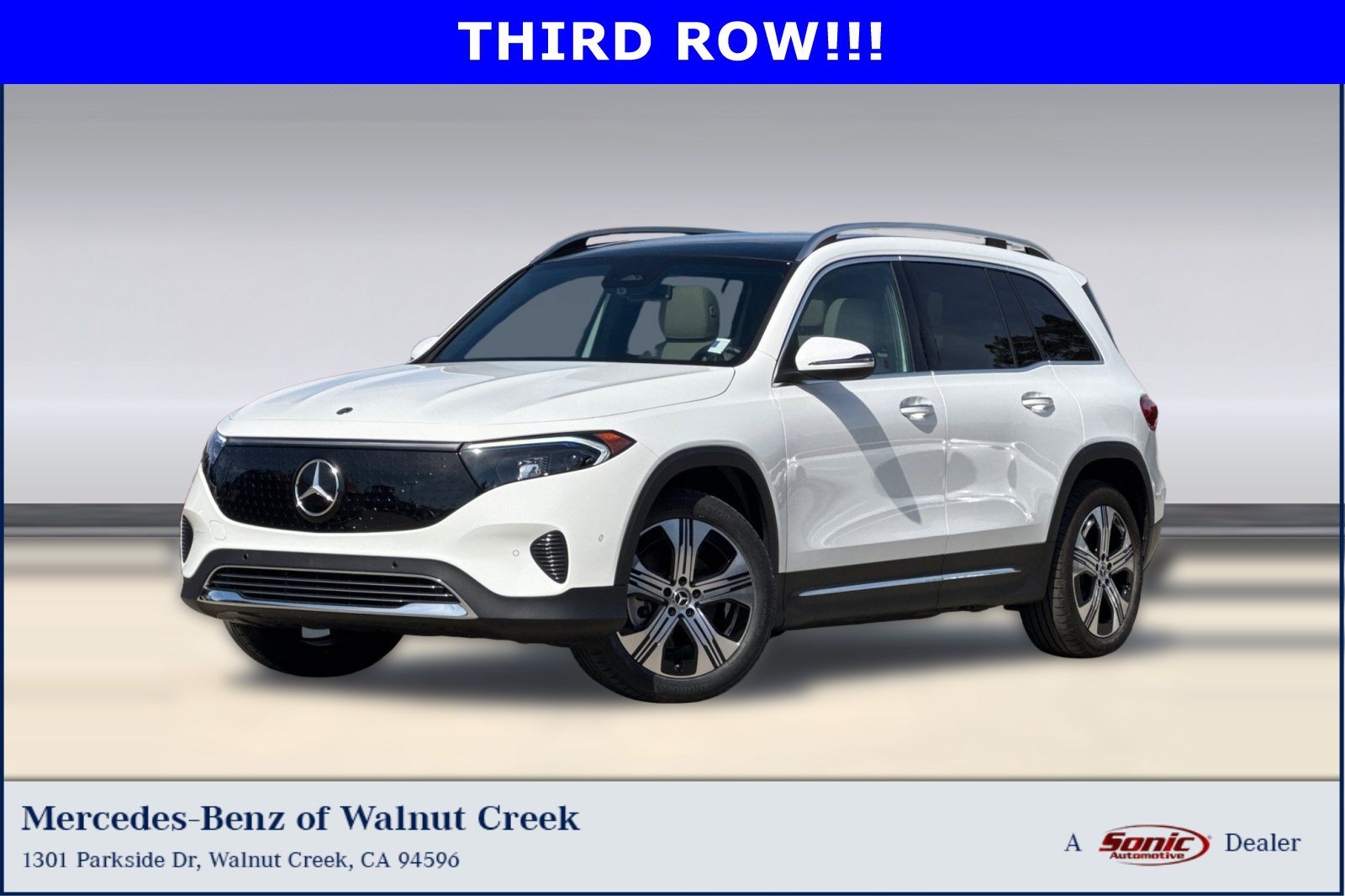
SpainThe Mercedes-Benz EQB offers a practical entry into electric driving with a compact SUV footprint. If you’re considering a purchase or planning to sell a used EQB, there are several factors to weigh, including model year, generation updates, mileage, and price range. Below you’ll find practical guidance on choosing the right configuration, comparing similar models, and understanding market expectations in major markets.
The EQB is a compact electric SUV that blends utility with the quiet, refined experience typical of Mercedes-Benz. When evaluating a used or new EQB, key details to confirm include generation, battery capacity, motor output, and range. Common questions buyers ask include:
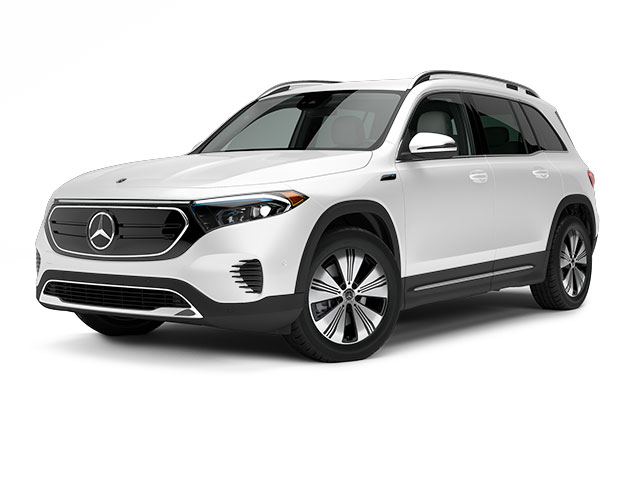
In terms of configuration, the EQB is commonly found with a 7-seat option, which impacts cargo space and driving dynamics. The body type is SUV/Crossover, and you’ll often see fuel type listed as electric, with variations in battery size and performance depending on the trim level. When scanning listings in cities like Berlin, Paris, or Milan, expect price bands that reflect model year, mileage, and overall condition.
Generation changes can bring larger battery packs, faster charging, or improved interior tech. If you’re weighing a purchase in a specific country or city, consider:
A typical buying checklist includes:
For sellers, honest listings with clear mileage, service history, and any remaining factory warranty help attract serious buyers. For buyers, it’s wise to compare offers across dealerships and private sellers to gauge fair market value for the EQB in your city, whether you’re in a capital like Madrid, Amsterdam, or a developing market where EV adoption is growing.
Typical price considerations depend on the specific generation, mileage, and trim. A mid-range model with moderate mileage will be priced differently from a near-new example with premium features. When negotiating, emphasize battery health, charging history, and any recent maintenance or software updates.
The EQB’s appeal lies in its balance of compact size, electric efficiency, and practical space. Whether you’re chasing a family-friendly EV, a daily commuter, or a city-friendly SUV with longer-range potential, the EQB has options to fit different needs. If you’re selling, highlight recent service, battery warranty terms, and a transparent history to help attract buyers who value reliability and peace of mind.
 Add as preferred sourceSee more from zvelta in Google Search Add as preferred source