 EN
ENDEALER
46.016 US$DEALER
47.625 US$
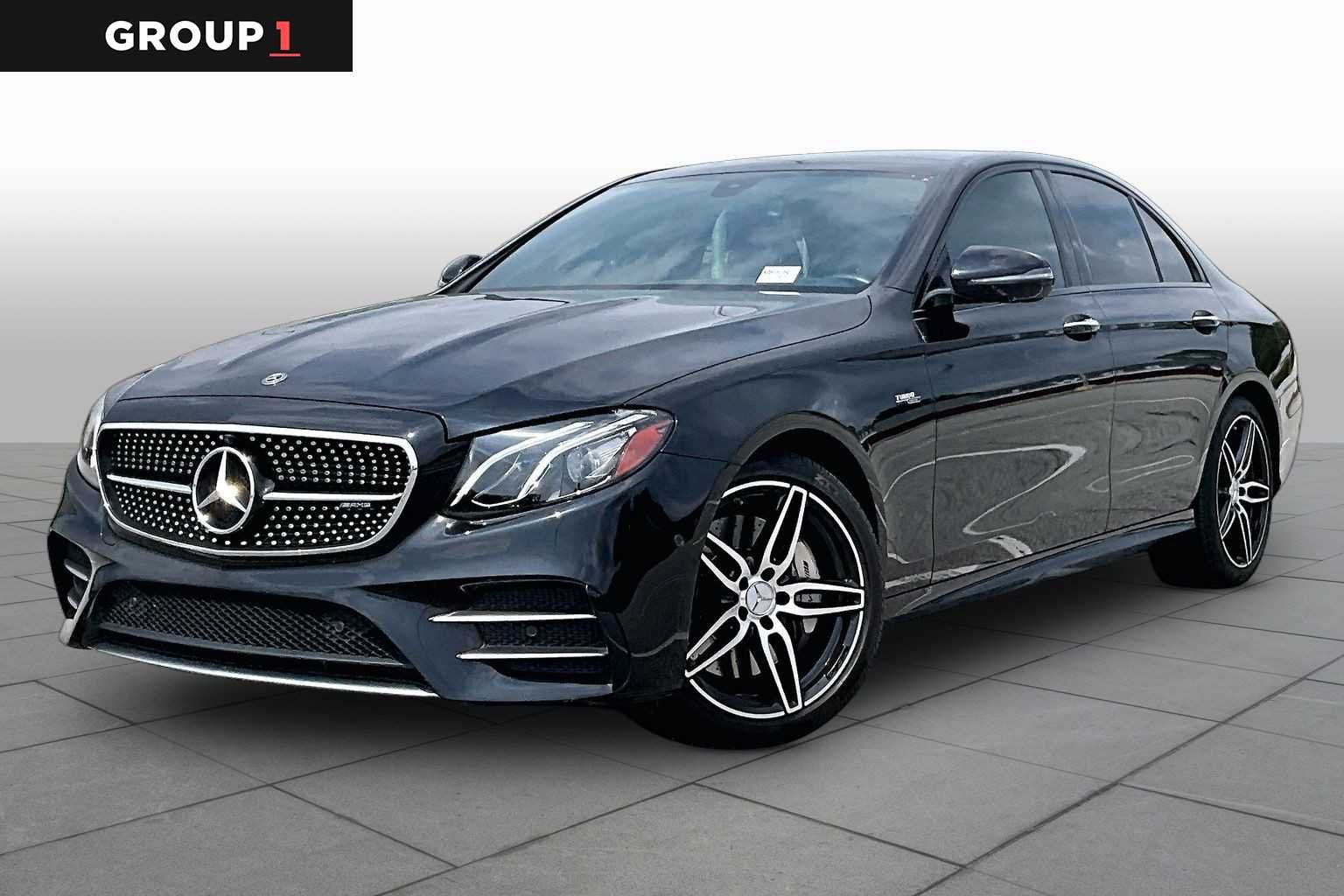
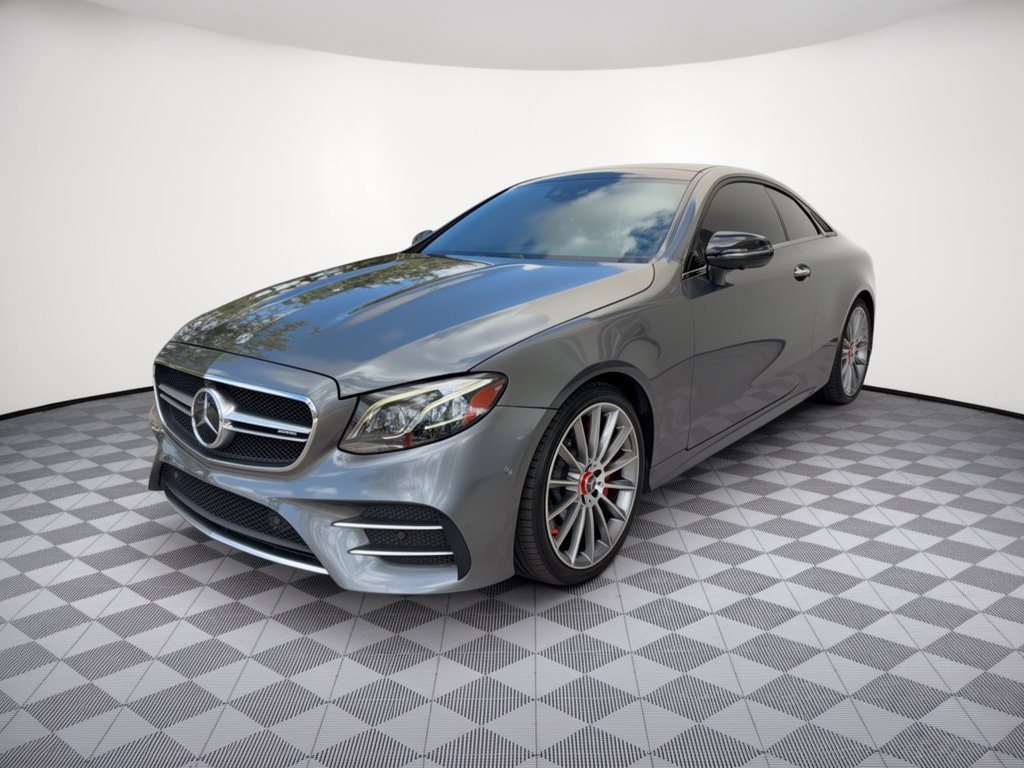
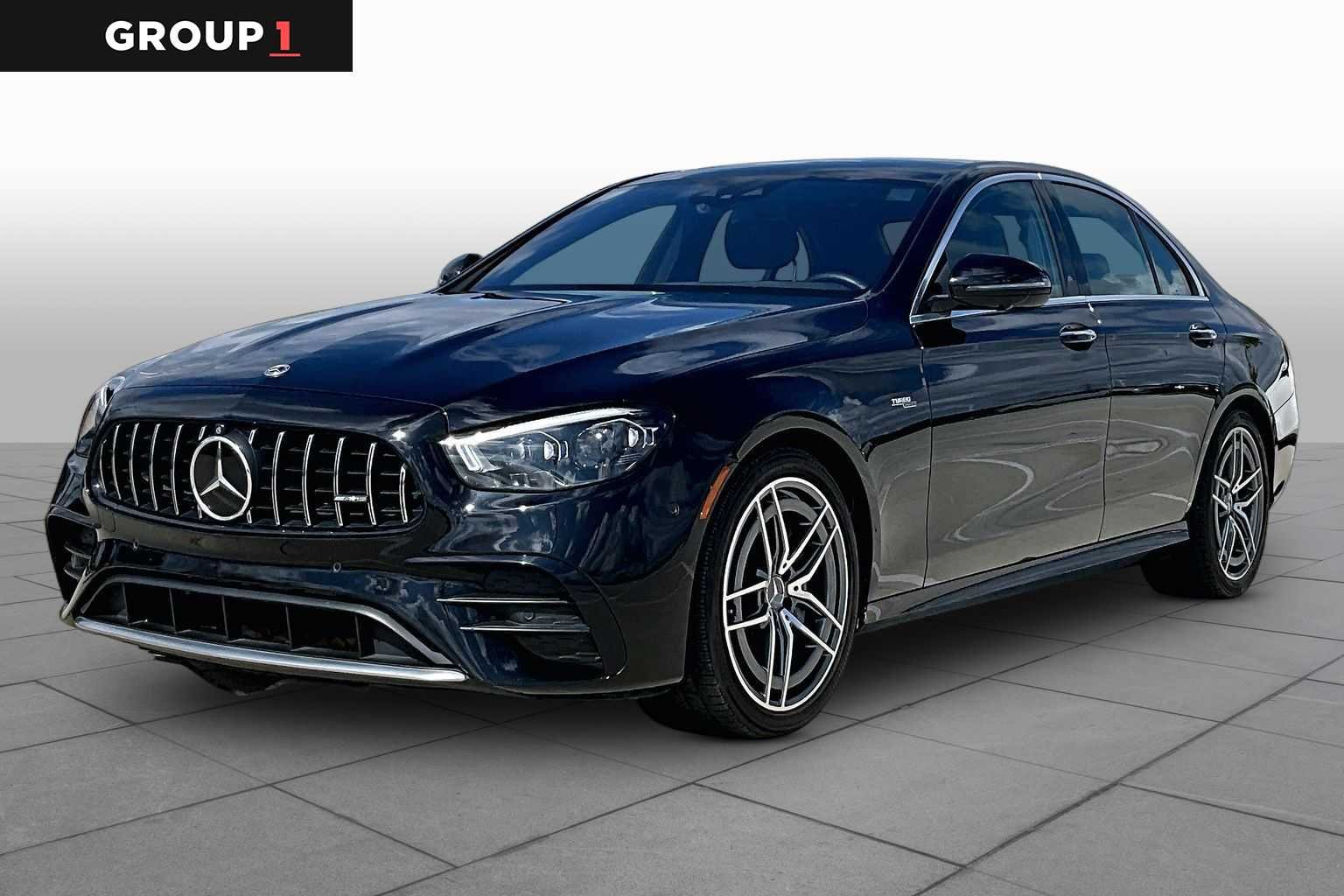
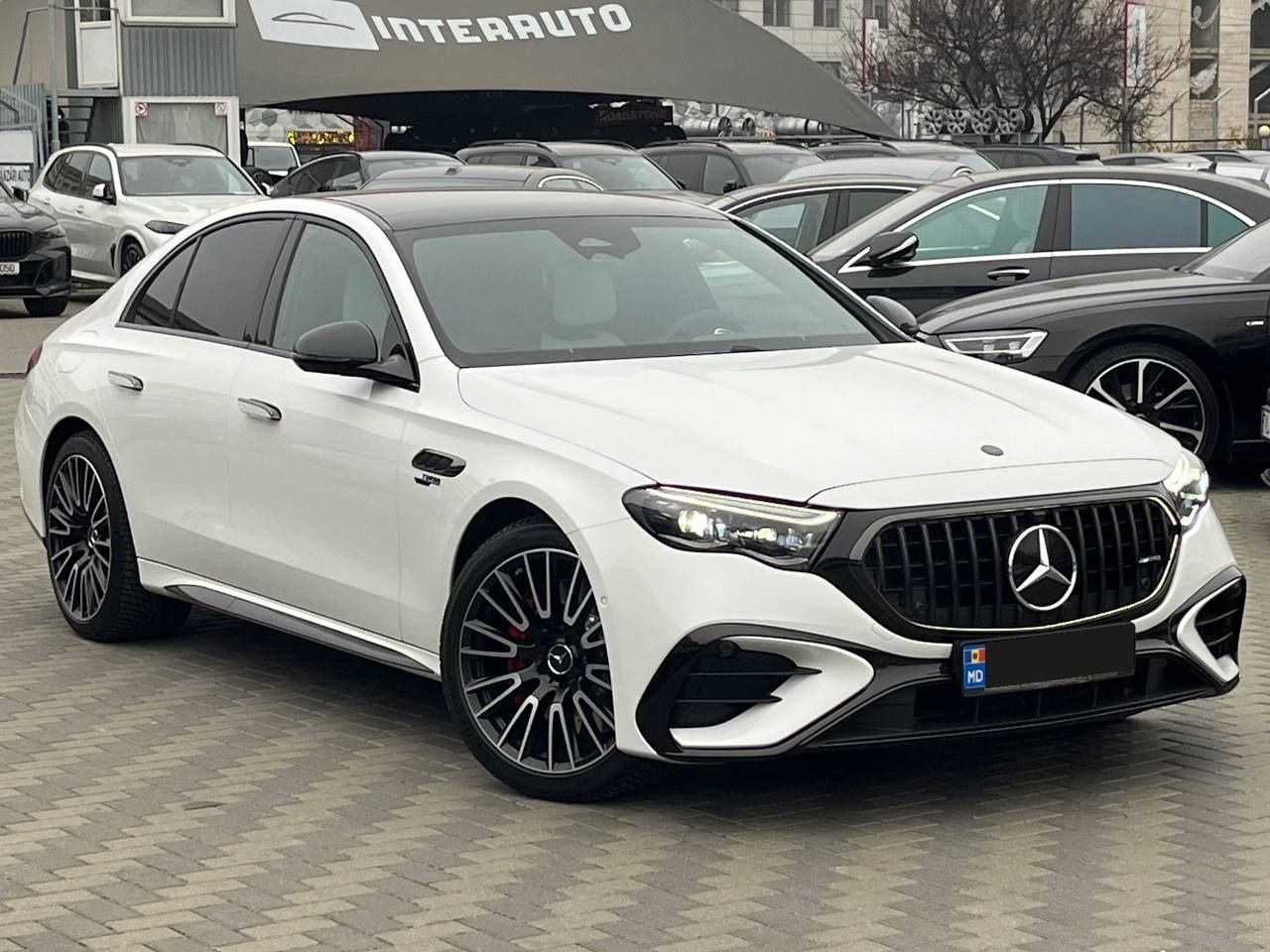
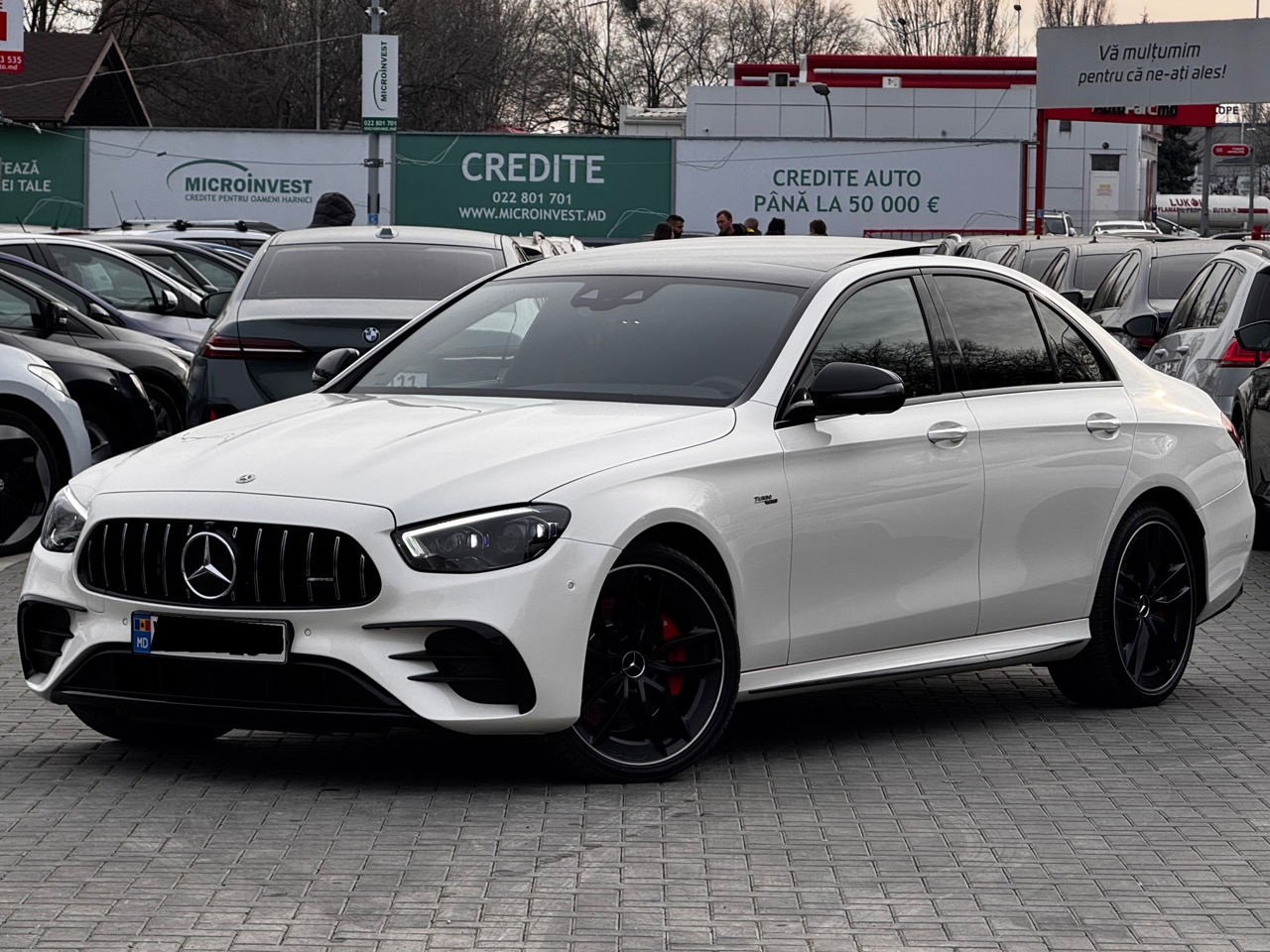
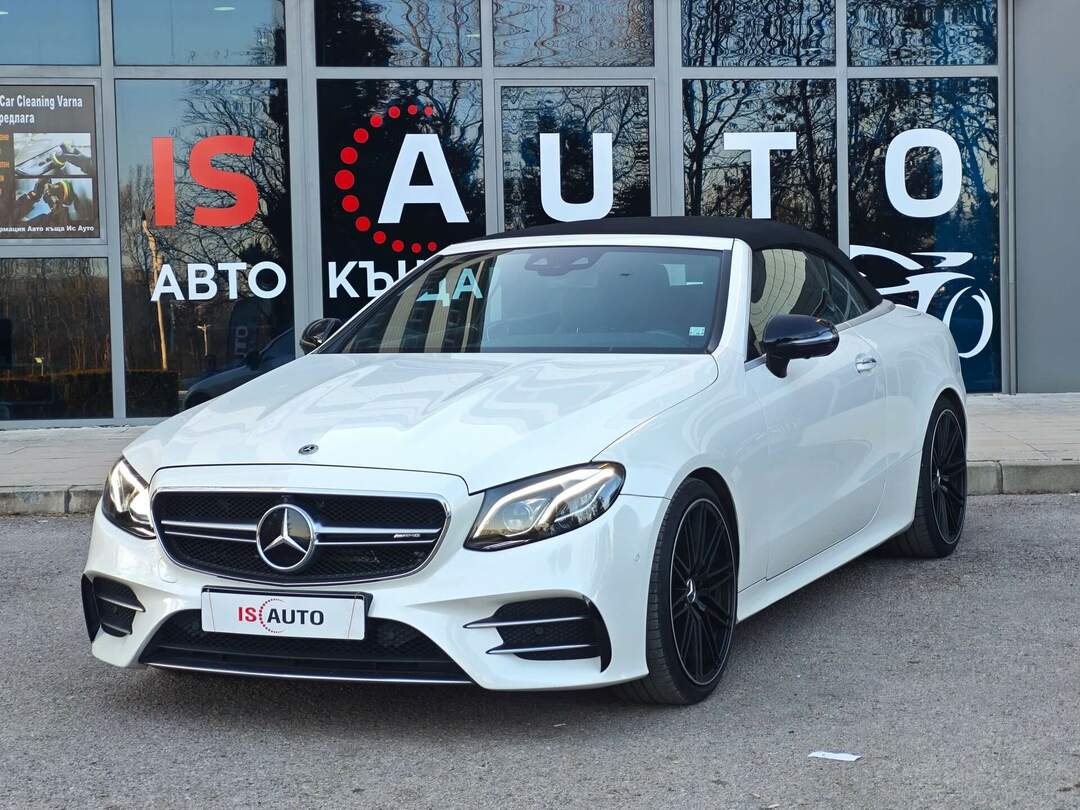
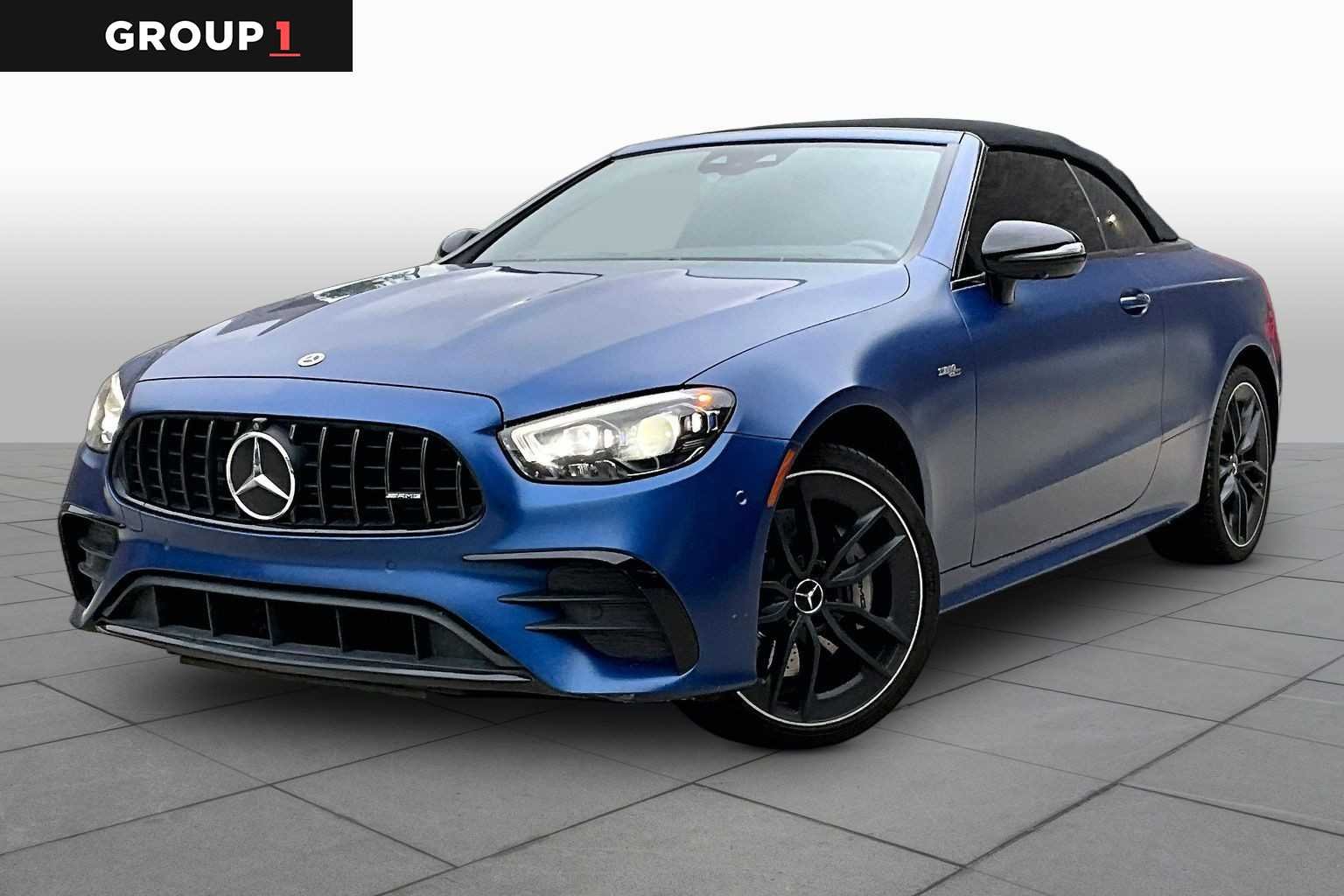
gasoline, automatic, 104K km, cabriolet, All Wheels Drive, 3,000 cm3, 429 hp, blue, AMG® E 53, Used condition, USA, In stock

Group1Auto.com
 Main Settlement, United States
 Main Settlement, United StatesAugusta, United StatesShreveport, United States
 Cleveland, United StatesFort Myers, United StatesClear Lake, United States
 Gersthofen, Germany
 Albania, Tirana
 MoldovaMoldovaMoldova, Chișinău MunicipalityMoldova, Chișinău Municipality
 Chisinau, Moldova
 Ukraine
 UkraineUkraine
 Bulgaria, VarnaBulgaria, VarnaBulgaria, VarnaBulgaria, VarnaBulgaria, VarnaBulgaria, Varna
 United Arab Emirates, Dubai
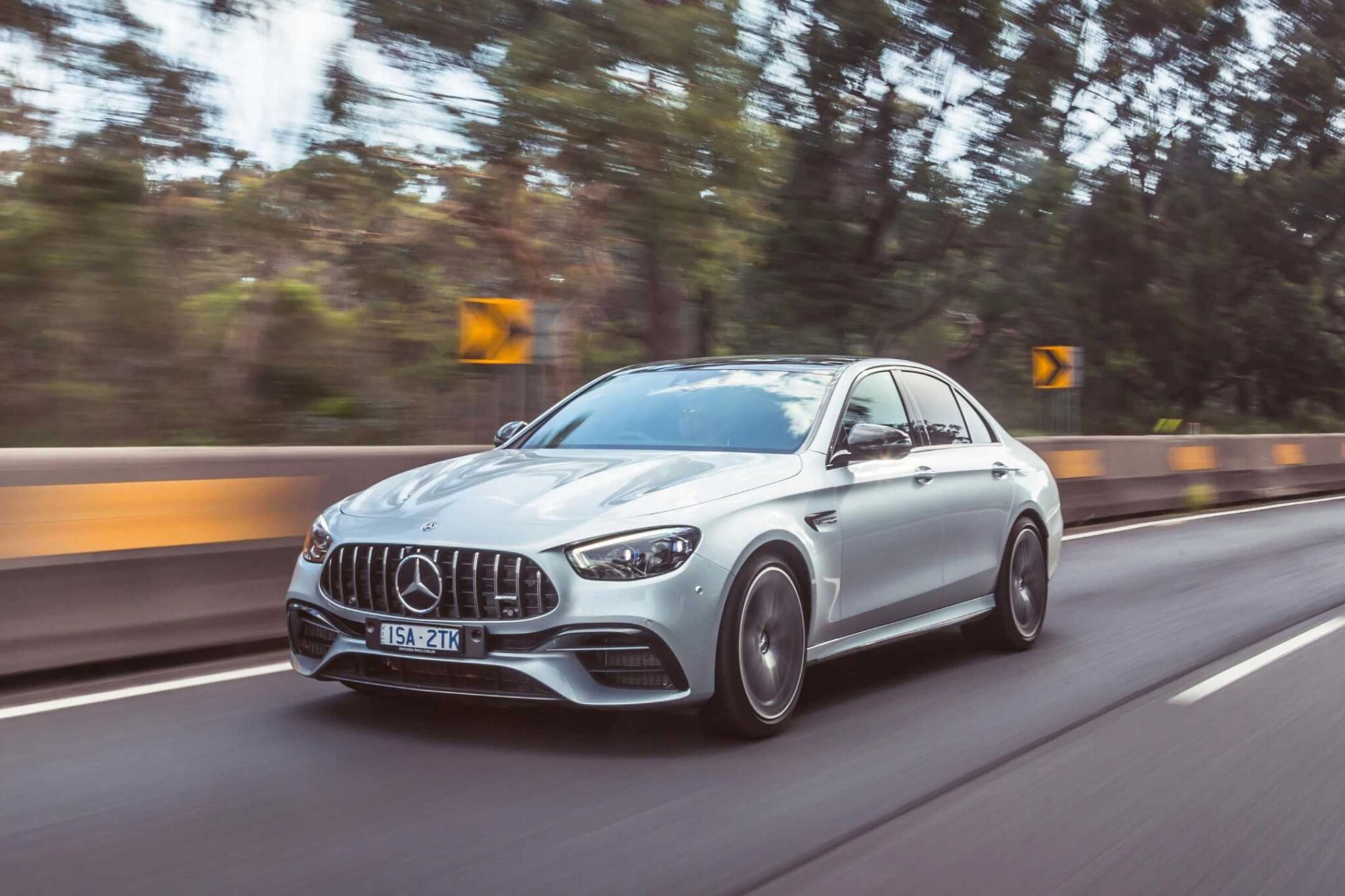
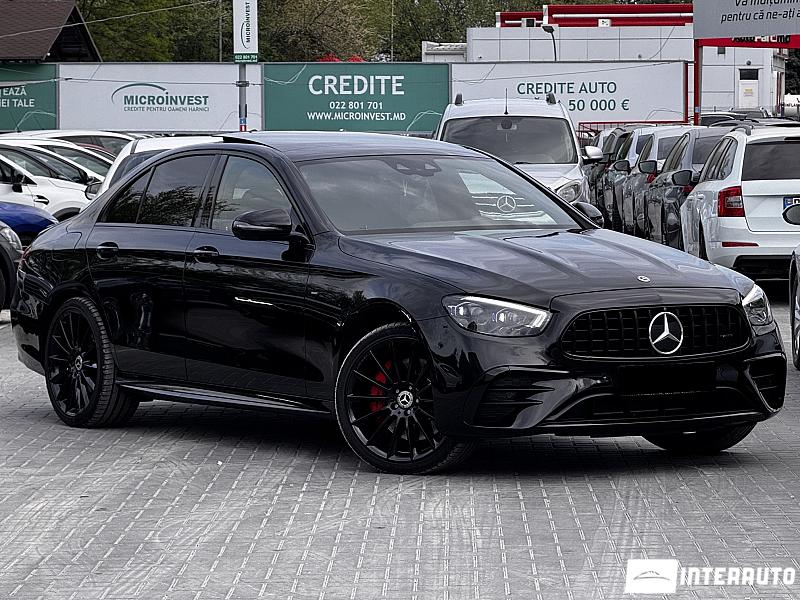
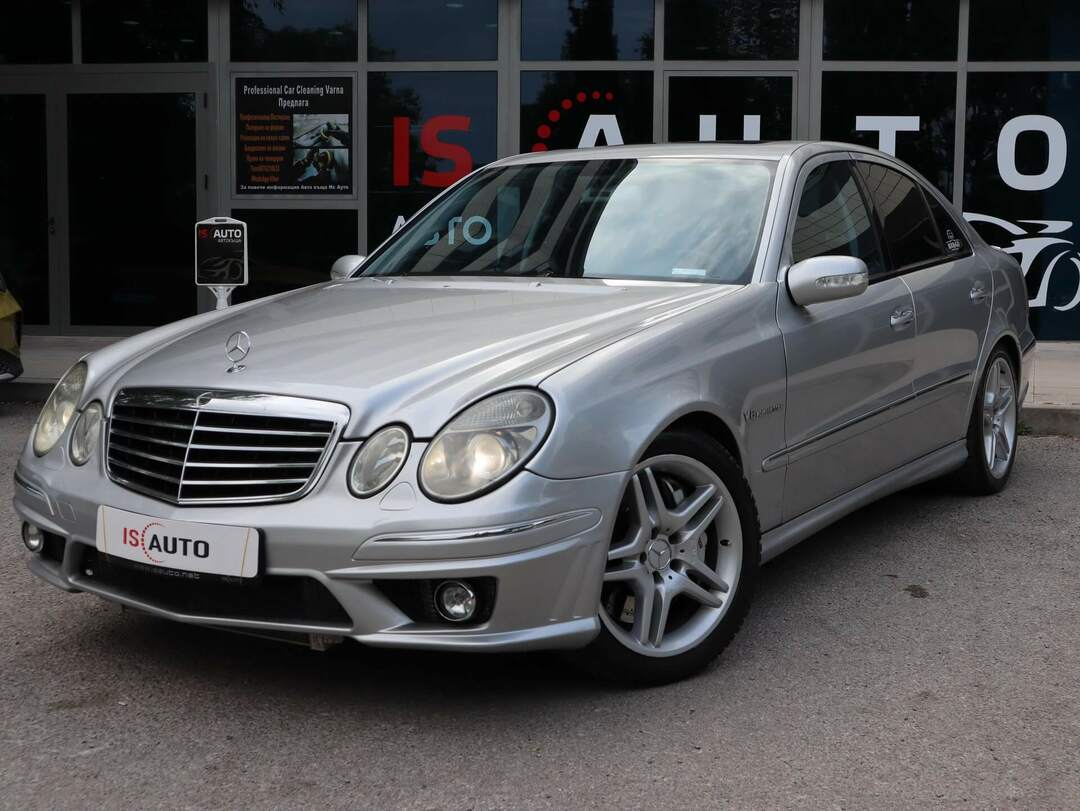
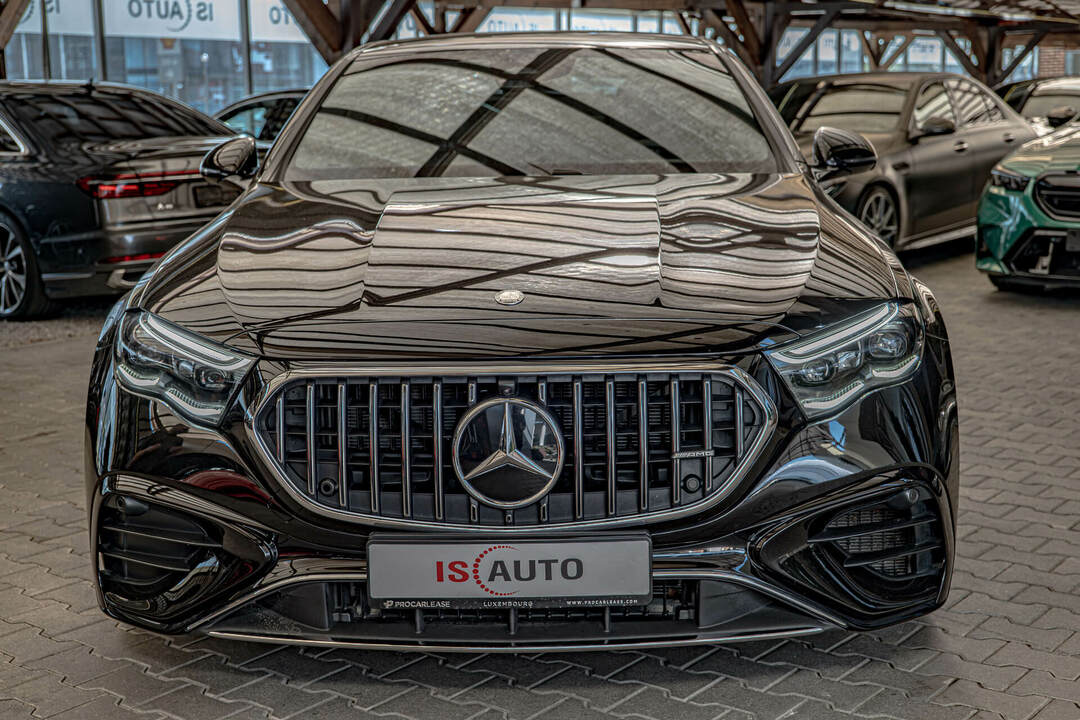
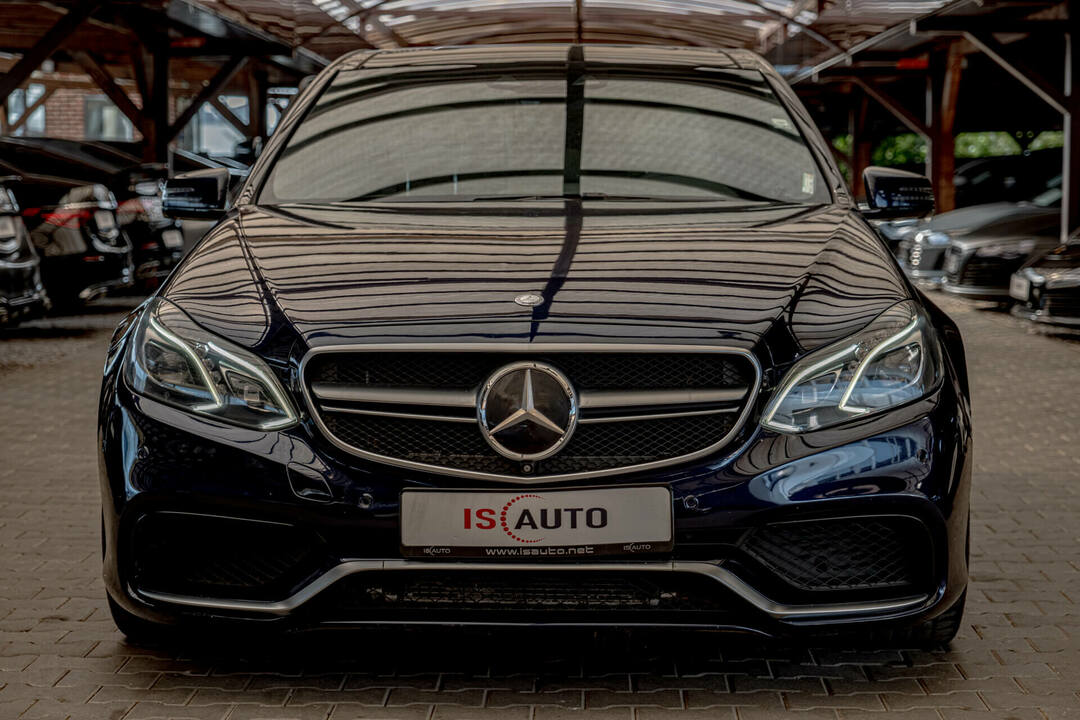
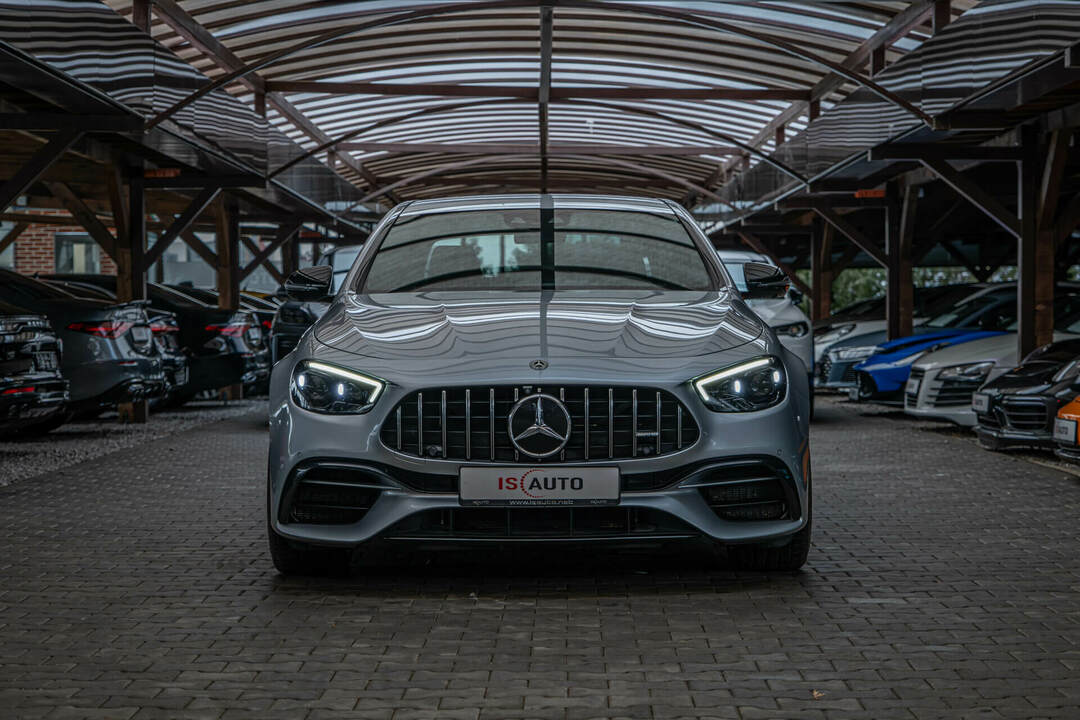
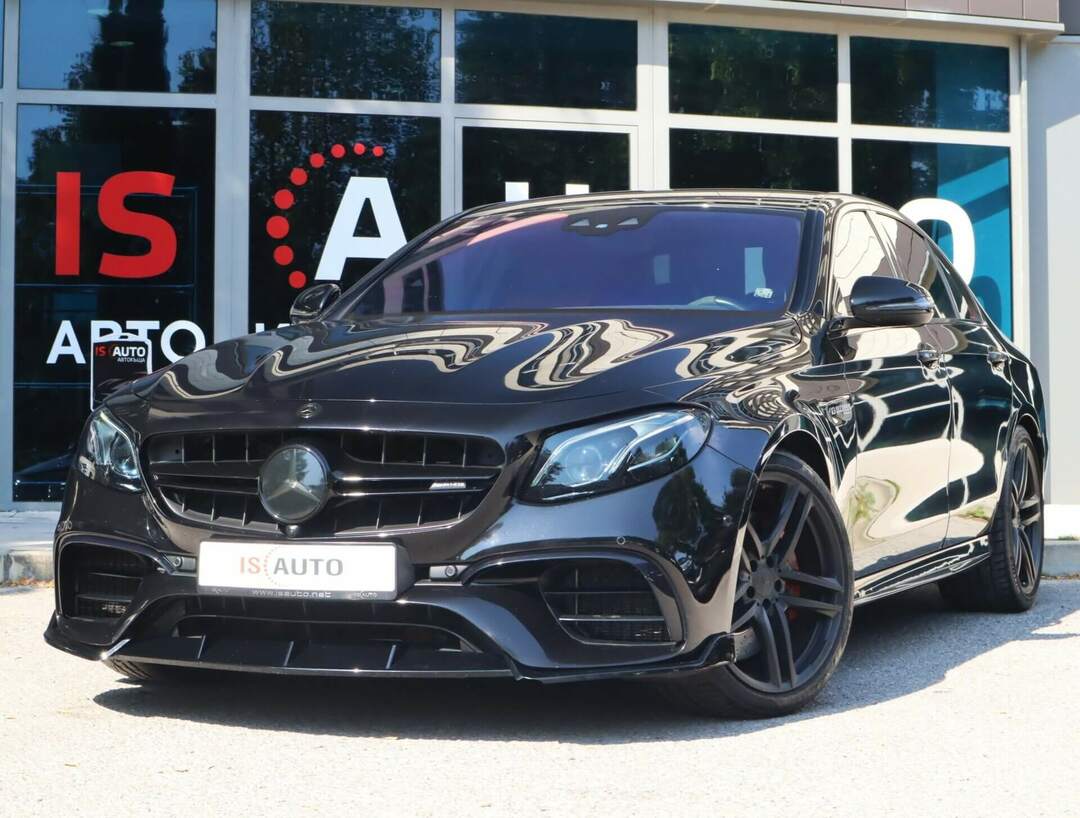
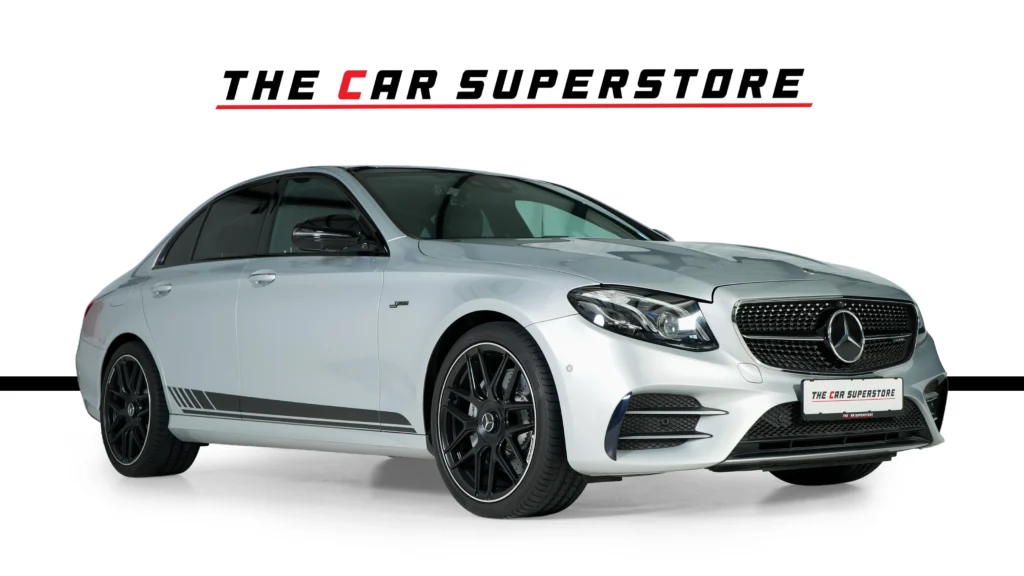
The Mercedes-Benz E-Class AMG represents the high-performance side of a timeless sedan. When you’re considering a purchase or planning to sell, you’ll want to understand the model’s generations, engines, body styles, and how mileage, year, and price influence decisions in real markets. This guide focuses on the E-Class AMG variants, helping you compare options, estimate costs, and navigate the buying journey in practical terms.
The E-Class AMG line blends luxury with sportier handling and more powerful engines. Buyers often compare the base E-Class with AMG tuning, looking at models such as the E63 AMG and other AMG variants depending on the market. Key details to consider include year, mileage, and the balance between performance features and everyday usability. Typical body styles are sedan and wagon, with all-wheel drive frequently offered in higher-performance trims. Fuel choices range from efficient inline-sixes to high-output V8s in older generations, with possible hybrid options in some markets.
The decision to buy or sell a Mercedes-Benz E-Class AMG is influenced by local demand, market prices, and the availability of service for performance cars. When assessing listings, evaluate:
Whether you’re chasing the latest E-Class AMG or a well-kept older example, aligning your expectations with real-market conditions—year, mileage, body style, and powertrain choice—will help you make a confident decision. This guidance helps buyers and sellers understand typical price ranges and what to verify in listings for Mercedes-Benz E-Class AMG sedans and wagons.
 Add as preferred sourceSee more from zvelta in Google Search Add as preferred source