 EN
ENDEALER
25.994 US$DEALER
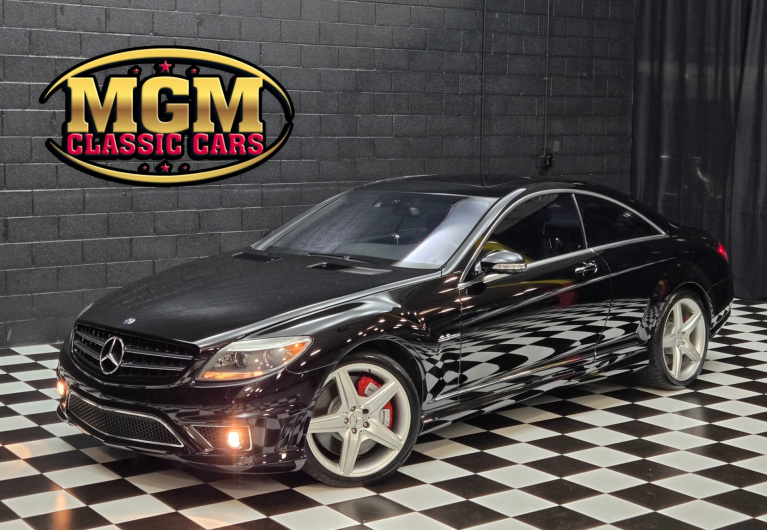
91K km, coupe, 6,300 cm3, 518 hp, black, 6.3L V8 518hp 465ft. lbs., Used condition, In stock

MgmClassicCars.com
 Addison, United States
 Addison, United States
 Phoenix, United States
 Moldova, Chișinău Municipality
 Lvivskyi Raion, Ukraine
 South KoreaSouth Korea
The Mercedes-Benz CL-Klasse has long stood for luxury, elegance and grand touring capabilities. If you’re considering a CL-Klasse, you’re likely weighing generation options, engine choices, and how the car fits your daily driving needs. This guide covers practical questions buyers and sellers often ask, from reliability and maintenance to price ranges by year and mileage, in markets where the CL-Klasse remains highly regarded.
The CL-Klasse is a flagship grand tourer designed for long-distance comfort and smooth performance. Key aspects to evaluate include the model year, generation, and engine variant. Pros often cited include refined ride quality, luxurious interiors, and strong V8 or V12 options in older generations. Common considerations are fuel consumption for larger engines and increasingly complex electronics as the car ages. Whether you are looking to own a late-generation coupe for weekend drives or a classic luxury car for occasional showings, the CL-Klasse remains a statement of status and comfort.
Whether you’re after a luxury grand tourer for occasional weekend trips or a collectible model to showcase, the CL-Klasse remains a compelling option in many markets. Assess the generation, engine, mileage, and service history, and compare local listings to set realistic expectations for price and ownership costs. With careful inspection and clear documentation, you can enjoy a refined Mercedes-Benz experience that matches your driving style and budget.
 Add as preferred sourceSee more from zvelta in Google Search Add as preferred source